Skip to content

A cramped apartment does not always need more square footage; it usually needs fewer dead zones. If you know how to maximize storage in small apartments, you can turn awkward corners, empty wall space, and underused furniture into real capacity without calling a contractor.
The strategy is straightforward: think vertically, hide storage in plain sight, and choose pieces that do double duty. In practice, the biggest gains usually come from three moves: using the full height of a room, reclaiming space under beds and sofas, and replacing bulky furniture with slimmer, modular options. That approach can free up the equivalent of a closet’s worth of usable space with a modest budget.
What You Need to Know
- Vertical storage beats floor storage in small apartments because walls and doors often contain unused capacity.
- Multi-use furniture works best when it solves a daily problem, not when it adds a hidden compartment you never open.
- Clear bins, labels, and containerized zones reduce clutter because they make it easier to keep items grouped by use.
- Storage wins are cumulative: one shelf, one hook rail, and one under-bed system often outperform a single expensive furniture swap.
- Not every trick fits every layout; rental rules, humidity, and room traffic should shape what you install.
How to Maximize Storage in Small Apartments with Vertical Space and Better Layouts
The formal idea is spatial optimization: using the volume of a room, not just its footprint. In plain English, that means storing upward, behind doors, above eye level, and in other places your daily routine ignores. The ceiling line, wall corners, and door backs are often the most underused surfaces in an apartment.
Start with the walls you already have
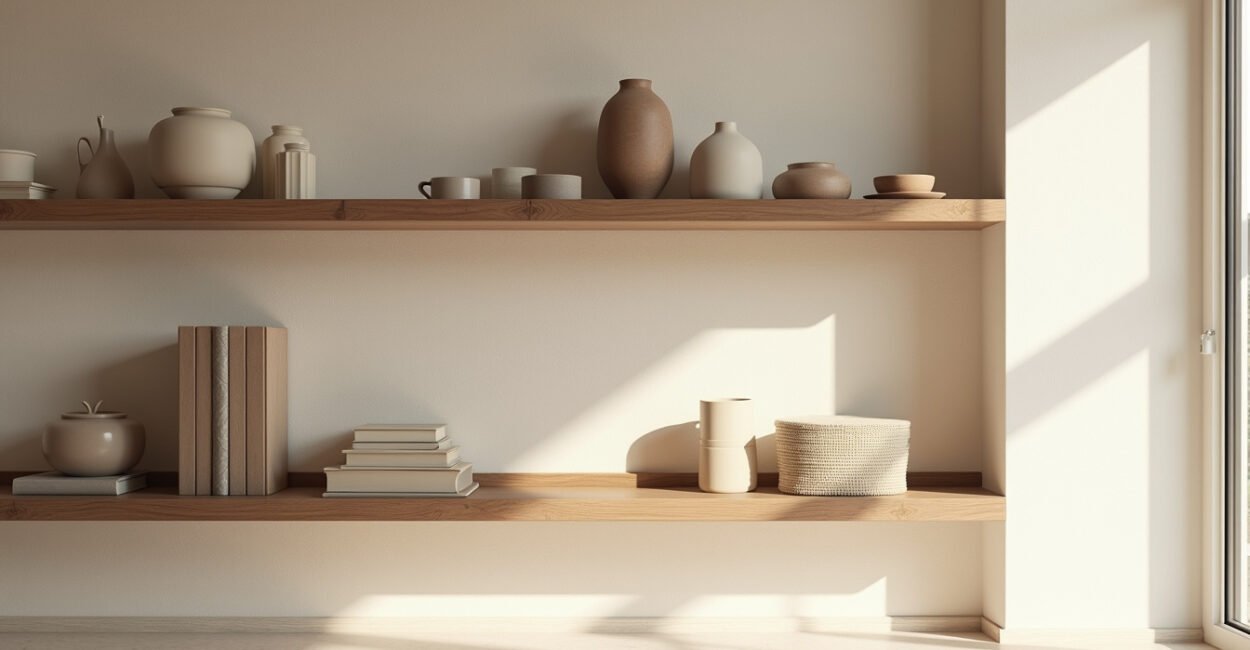
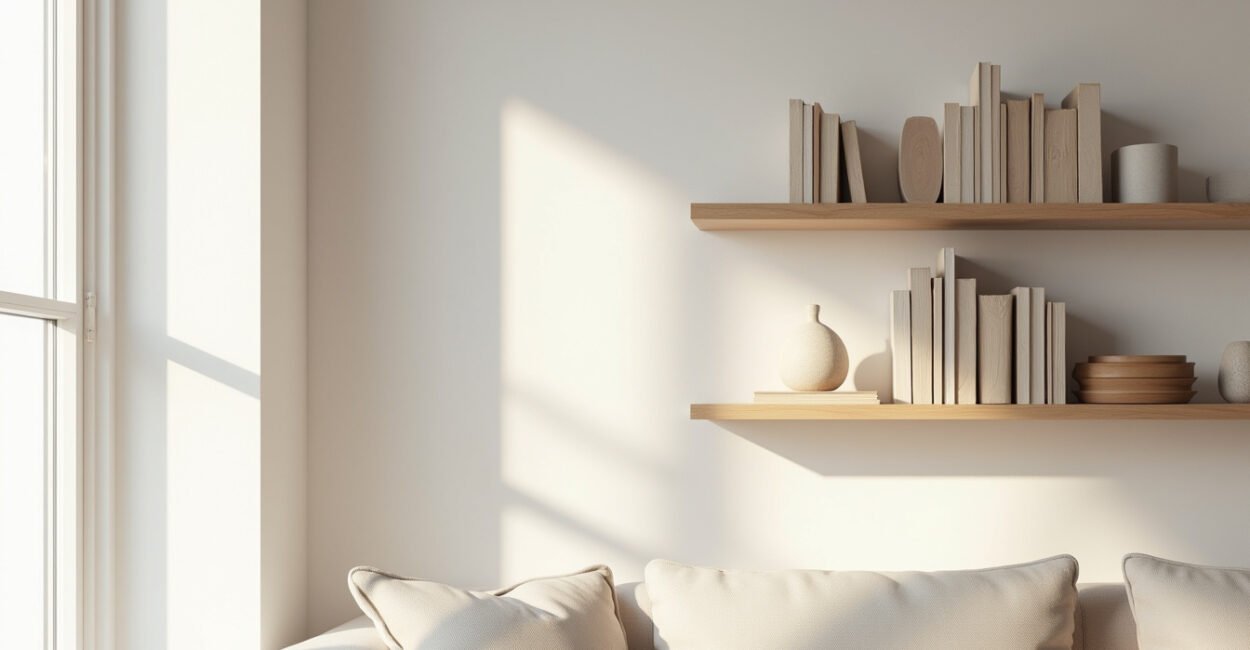
Floating shelves, pegboards, slim wall racks, and over-the-door organizers are the first tools to consider because they add storage without shrinking the walking path. A narrow apartment can feel larger when the floor stays visually open. That is why wall-mounted storage usually works better than another freestanding cabinet.
Think in zones, not rooms
One of the most common mistakes is spreading similar items across the apartment. A better system is to create zones: a mail zone by the entry, a cleaning zone near the utility area, a tea or coffee zone in the kitchen, and a seasonal zone for overflow. When storage matches behavior, it stays usable instead of turning into a pile.
Storage only works when it is easy to maintain; if a system takes more than a few extra seconds to use, people stop using it and clutter returns.
Use corners with intent
Corners look awkward, but they are valuable because they can absorb storage that would otherwise eat into the center of a room. Corner shelving, triangular bookcases, and narrow tower units work well here. The trick is to keep them shallow enough that they do not create a visual bottleneck.
Furniture That Stores More Without Looking Bulky
Multi-function furniture is not about buying gimmicks. It works when the hidden storage solves a real problem you use every week. A storage ottoman that holds blankets, a bed frame with drawers, or a coffee table with shelving can replace two separate items and still keep the room cleaner.
Pick pieces that earn their footprint
- Platform beds with drawers help when closet space is limited and under-bed access matters.
- Lift-top coffee tables are useful if the living room doubles as a work zone.
- Nesting tables outperform oversized side tables because they expand only when needed.
- Benches with hidden storage make sense near entryways, where shoes and bags tend to pile up.
Do not buy storage furniture that creates friction
Some pieces look clever in photos and fail in daily use. If a drawer hits the wall, if a lid is hard to lift, or if the storage space is too shallow for real items, the piece becomes decorative clutter. That is the limit of the “buy one item and fix everything” idea.
Who works in small-space design knows that the best furniture is boring in the right way: easy to access, easy to clean, and easy to live with. A low-profile sofa with room underneath can outperform a bulky sectional that eats the whole room.
Hidden Storage Places Most Renters Ignore
The fastest way to increase capacity is to use spaces already built into the apartment’s flow. Door backs, toe-kick areas, the space above cabinets, and the gap under the sink all qualify. These are not luxury upgrades; they are high-yield storage spots.
The back of the door is prime real estate
Over-the-door hooks and racks can handle bags, cleaning supplies, towels, accessories, and pantry overflow. In a small entryway, a single door-mounted system can replace a freestanding coat tree and a shoe basket. That matters because floor clearance keeps the space easier to move through.
Use under-sink and cabinet interiors fully
Under-sink space is usually messy because plumbing gets in the way. Stackable bins, pull-out caddies, and tension rods help work around pipes while keeping supplies visible. Inside cabinets, shelf risers and turntables make deep spaces easier to access, which reduces the chance that items get forgotten in the back.
Look up before you buy more bins
The area above cabinets or wardrobes is often wasted because it is awkward to reach, but it is useful for rarely used items. Store backup paper goods, seasonal décor, or off-season bedding there in closed containers. The National Association of Home Builders has long noted that efficient storage planning affects how usable a home feels, not just how it looks.
The best hidden storage is the kind you can reach without rearranging the room every time you need one item.
How to Organize Clothing, Linens, and Everyday Items
Once the room has better storage surfaces, the next step is controlling volume. Closets get overwhelmed when everything is treated as equally important. The fix is categorization: keep active items accessible, seasonal items compressed, and rarely used items sealed or relocated.
Clothing needs a strict hierarchy
Use the same logic professional organizers use: daily wear at eye level, workwear together, seasonal pieces packed away, and sentimental items isolated from the main rotation. Slim hangers help because they save rod space without changing the closet structure. Vacuum bags can work for bedding and off-season clothing, but they are not ideal for every fabric because repeated compression can wrinkle or stress delicate materials.
Linens belong in compact systems
Towels, sheets, and spare blankets usually take more room than people expect. Folding them into the same size blocks and grouping them by function makes shelves easier to scan. A linen closet or hall cabinet stays usable longer when each shelf has a single category.
Everyday items need a landing spot
Keys, chargers, headphones, receipts, and mail are often the real clutter problem. Small trays, drawer dividers, and wall caddies solve the issue by giving each item one obvious home. The goal is not perfection; it is reducing the number of objects that migrate from room to room.
A renter I worked with in a studio apartment had no extra closet at all. We added two wall shelves near the entry, an under-bed system, and a narrow cart beside the sofa. The apartment did not get bigger, but the “drop zone” disappeared, and the space stopped looking chaotic by the end of the first week.
Low-Cost DIY Moves That Make a Big Difference
Not every improvement needs custom carpentry. In fact, some of the highest-return changes cost less than a single replacement piece of furniture. If your goal is how to maximize storage in small apartments on a realistic budget, start with reversible upgrades before buying anything major.
High-impact changes under $100
- Adhesive hooks and wall rails for bags, utensils, and accessories.
- Stackable clear bins for closets, cabinets, and pantry shelves.
- Bed risers if the bed frame allows safe clearance increase.
- Drawer organizers to stop one large drawer from becoming a catchall.
- Magnetic strips or slim racks for kitchens and utility areas.
Why clear containers matter
Opaque bins hide clutter, but they also hide problems. Clear containers make it easier to keep like with like, and that reduces duplicate purchases. When you can see what you already own, you stop buying the third version of the same thing.
For guidance on safe use of wall anchors and load limits, the Federal Trade Commission has useful consumer safety resources, and many apartment management teams also publish rules about mounting hardware. If you rent, that matters because a good storage plan should not create avoidable damage or lease issues.
Room-by-Room Storage Priorities That Actually Work
A one-bedroom and a studio do not need the same system. The right plan depends on where clutter naturally accumulates. The kitchen, entryway, bedroom, and bathroom each need different storage logic because each space handles different categories of movement.
| Room | Best Storage Move | Why It Works |
|---|---|---|
| Entryway | Hooks, shoe bench, tray | Stops bags and shoes from spreading into living areas |
| Bedroom | Under-bed drawers, slim nightstands | Uses hidden volume without crowding circulation space |
| Kitchen | Drawer dividers, shelf risers, wall rails | Makes deep cabinets accessible and reduces duplicate tools |
| Bathroom | Over-toilet shelving, caddies, stackable bins | Turns a tight room into a layered storage zone |
Bathroom storage has special limits
Humidity changes what lasts. Cardboard organizers, untreated wood, and fabrics that trap moisture can fail in bathrooms faster than elsewhere. Closed plastic or coated-metal systems usually hold up better, especially in apartments with weaker ventilation. For ventilation and moisture control basics, the U.S. Department of Energy’s Energy Saver resources are a practical reference point.
Common Mistakes That Shrink Storage Instead of Expanding It
The wrong storage solution can make a small apartment feel smaller. That usually happens when people prioritize capacity over access, or when they buy containers before they define categories. A packed room can still be inefficient if nobody can reach what they own.
The usual traps
- Buying oversized furniture that blocks natural walk paths.
- Using too many open shelves, which can make visual clutter worse.
- Mixing rarely used items with daily essentials.
- Ignoring maintenance, so the system collapses into piles.
When a storage trick fails
Some ideas work well in square rooms but fail in long, narrow layouts. Others depend on stable rental rules or enough wall space for mounting. That is why no single setup is universal. A shelf system that is perfect for one apartment can be awkward in another if the traffic pattern is different.
How to Keep the System Working After the First Week
The real test is not installation; it is staying organized after normal life resumes. The best systems survive because they reduce decision fatigue. If you do not have to think hard about where something goes, you are far more likely to put it away.
Build a reset routine
- Clear the entryway every evening.
- Return one category of items to its zone each day.
- Review one shelf or drawer every weekend.
This routine takes less time than a full clean-up and prevents the slow drift back into clutter. It also makes your storage system easier to trust, which is the real goal.
The strongest approach is simple: use vertical space first, hide storage in overlooked places, and choose furniture that earns its keep. If you apply that order of operations, the apartment will feel calmer without needing construction, and the gains will last long after the first organizing session.
Próximos Passos
Pick one room and one problem category, then fix that space before moving on. For most people, the best starting point is the entryway or bedroom because those areas create the most visible clutter. After that, add one vertical solution, one hidden-storage solution, and one furniture swap that reduces bulk.
If you want the best results, test the setup for a full week before buying more products. The smartest way to improve a small apartment is to measure what you actually use, not what looks impressive in a catalog.
FAQ
What is the fastest way to add storage in a small apartment?
The fastest fix is usually vertical storage: wall hooks, floating shelves, and over-the-door organizers. These add capacity without consuming valuable floor space. Under-bed storage is another quick win if the bed frame allows it.
Is under-bed storage worth it?
Yes, if the items are seasonally used or not needed every day. It works best for bedding, luggage, and off-season clothing. It is less useful for things you need to access often.
What kind of furniture is best for small spaces?
Furniture that does two jobs is usually the best fit. Storage ottomans, bed frames with drawers, and nesting tables are strong choices because they reduce the number of separate pieces in the room. Avoid bulky items that look efficient but are hard to use.
How do renters add storage without damaging walls?
Use adhesive hooks, freestanding shelves, over-the-door organizers, and furniture with built-in storage. If you need wall mounting, check lease rules and use the correct anchors for the wall type. Good storage should be reversible whenever possible.
Should I use open shelves or closed storage?
Closed storage is better for visual calm and mixed-use areas. Open shelves work well when you can keep items neat and categorized. In small apartments, a blend of both usually performs best.
What is the biggest mistake people make with small-apartment storage?
They buy containers before they decide what belongs in them. That leads to clutter disguised as organization. Start with categories, then choose the storage that fits the categories.