Skip to content

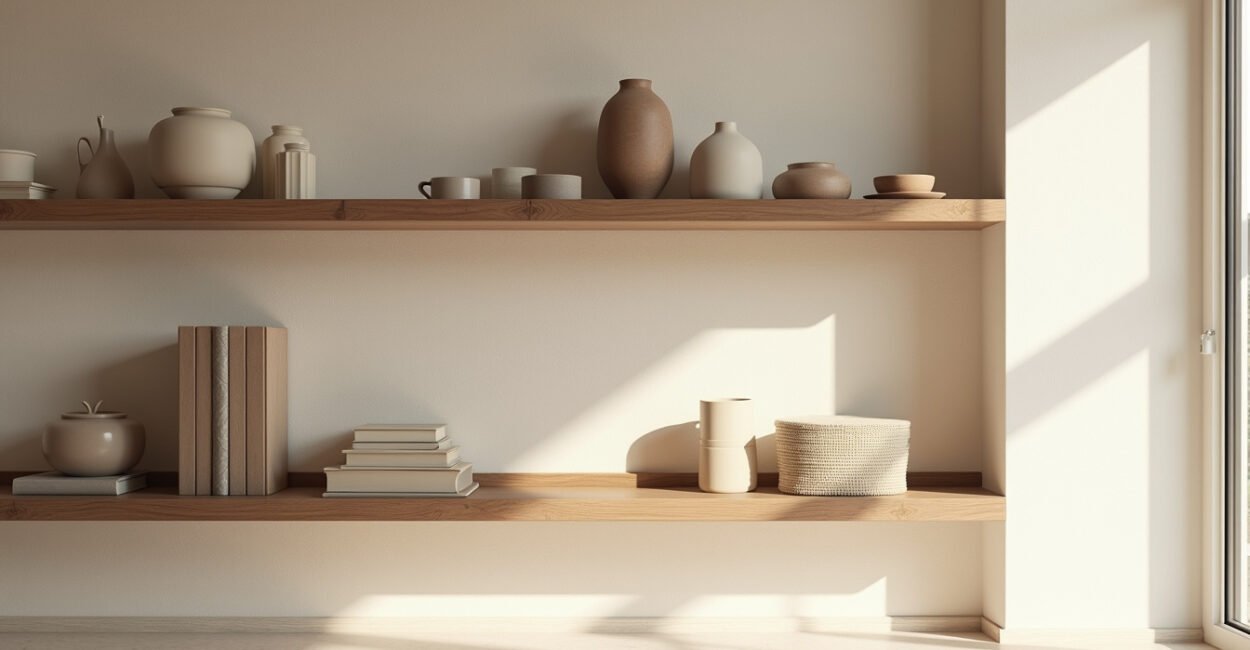
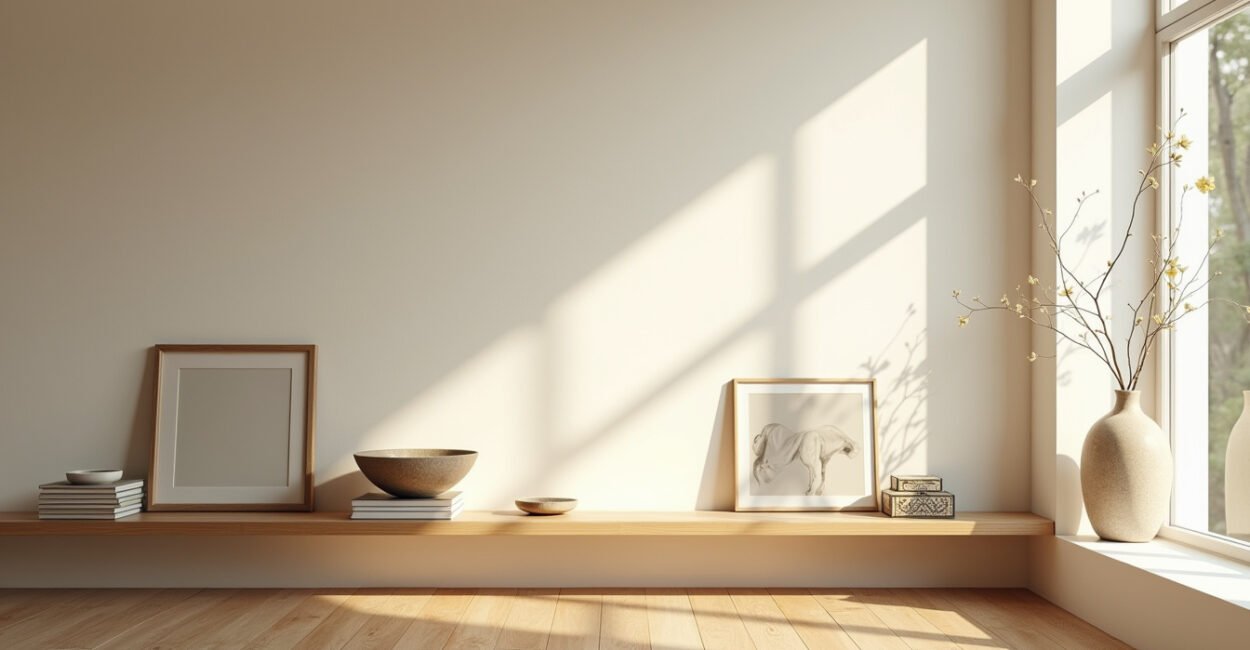
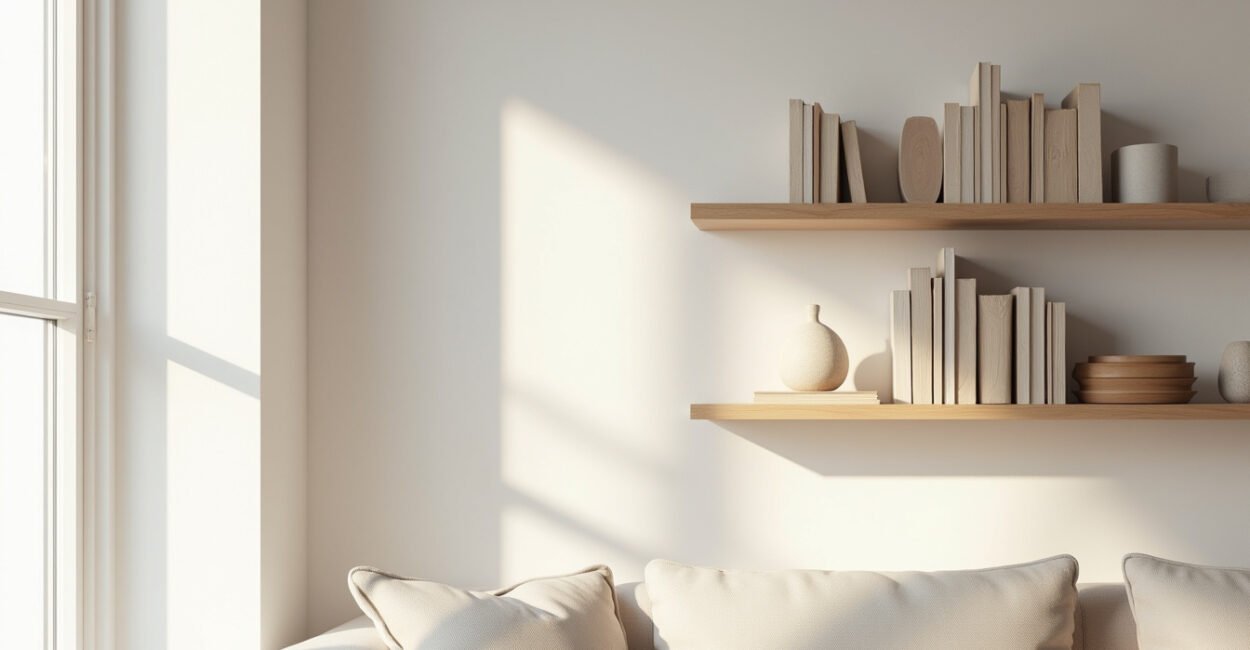
It started as one photo: a living room shelf with three curated objects and negative space so loud your thumb stopped mid-scroll. Within weeks, clutter-free shelves became a social media meme, then a style movement. The obsession is visible—#clutterfree posts racking up millions of views—and not just because it looks “clean.” There’s a psychological click: less visual noise seems to promise more calm. But does this pared-down shelf survive real life, or is it a staged fantasy that collapses after a week? Let’s test that idea head-on.
The Psychological Shortcut Behind the Clutter-free Pull
People don’t buy tidy shelves; they buy the feeling tidy shelves sell. Minimal displays trigger two fast responses: a perception of control and a promise of calm. Research shows clutter correlates with higher cortisol and distracted attention, which is why a neat vignette reads as emotional relief in a single glance. The American Psychological Association has work tying environment and stress; that research helps explain why a sparse shelf gives an immediate dopamine-like reward.
Before/After That Actually Changes Behavior (not Just the Look)
Real change comes from how you edit, not how many objects you remove. Try this quick before/after test: photograph your shelf, remove everything, then reintroduce only items you touched in the last month. The result is rarely a sterile display—it’s a map of your life. The right before/after reveals habits, not just aesthetics. People who keep three sentimental pieces and one practical item report keeping the look longer than those who copy a staged image wholesale.

Three Practical Edits That Survive Daily Life
Pick edits that fit routines. These three are low-friction and durable:
- Designate a “live” zone—one shelf for daily items like keys or chargers.
- Group similar things so dusting is quick and visual clutter shrinks.
- Rotate instead of purge: one box stores seasonal or sentimental items.
Small systems beat dramatic cleans. A 10-minute weekly reset keeps a shelf readable—less effort, more longevity.
Mistakes People Make When Chasing the Instagram Shelf
Want to ruin the effect fast? Commit these sins:
- Copying a look that doesn’t match how you use the space.
- Forcing symmetry—objects feel lifeless when they’re arranged purely for photos.
- Over-relying on props—fake plants and identical vases can look staged the moment sunlight hits them.
What to avoid is as important as what to do. The worst outcome is a shelf that looks edited but makes your life harder; that defeats the point.
Expectation Vs. Reality: A Stubborn Comparison
Expectation: a forever-photo-ready shelf. Reality: a shelf that collects receipts, keys, and one broken candle. The surprising middle ground is a “functionally minimal” shelf—half design, half utility. In practice, that means visible storage solutions like a tasteful tray or a simple basket. This comparison shows that the aesthetic can be resilient if you design for how you live, not how you want others to see you.
When Clutter-free Becomes Performative (and How to Spot It)
There’s virtue signaling in minimalism: a shelf emptied for the camera and restocked right after. Performative clutter-free feels brittle—perfect at noon, chaotic by evening. A telltale sign is mismatch: zero personal items but a kitchen overflowing with single-use gadgets. Authentic minimalism aligns with habits. If your shelf forces new behavior, it will fail. If it reflects existing behavior in a neater form, it lasts.
Design Rules That Keep the Look Real for Months
Apply these rules and the style will stick: limit height variation to create calming horizons; use three-point groupings for visual rhythm; choose one lived-in shelf per room. Add storage that hides transitional clutter—baskets, trays, magazine files. The technical backbone matters: when you pair aesthetic choices with small systems (daily 5-minute tidy, monthly rotations), the result is a sustainable display, not a set piece.
Social trends make clutter-free feel like a magic bullet, but the real win is a shelf that simplifies life, not just the feed. Next time you want to go viral, ask if your edit helps you find what you need tomorrow morning.
Does a Clutter-free Shelf Reduce Stress Long-term?
Short answer: it can, but only if the change is meaningful and maintained. A tidy surface lowers visual stimulation and can reduce immediate anxiety; however, lasting stress reduction depends on routines that prevent re-accumulation. If you adopt quick habits—like a nightly 5-minute sweep or designated spots for daily items—the clutter-free state supports calm. Without those habits, the initial benefit fades as clutter returns, turning the shelf back into a stress trigger rather than a relief.
How Do I Keep a Clutter-free Shelf with Kids or Pets?
Keeping shelves tidy in an active house is about zones and pragmatism. Create a low, child-friendly shelf for toys and a higher “display” shelf for items you truly want to keep pristine. Use bins, lids, and closed storage to protect fragile pieces from pets. Accept impermanence: rotate displays frequently so replacements are quick, and teach kids a simple “one-in, one-out” rule. The goal is functional minimalism that respects daily life rather than enforcing impossible sterility.
Are Expensive Decor Items Necessary to Achieve the Look?
No—expensive items are decorative noise if they don’t fit your life. The clutter-free look relies on restraint, not price. Thrifted books, a well-worn ceramic vase, or a framed photo can create rich visual texture without cost. Value comes from cohesion and purpose: choose objects that have a reason to be visible. Investing in a few durable storage pieces (trays, baskets) is smarter than buying costly sculpture for the sake of appearances.
How Often Should I Edit My Shelves to Keep Them Looking Good?
Frequency depends on usage, but a lightweight routine works best: quick daily resets (3–5 minutes) and a monthly edit where you swap or stash items. The monthly check is when you decide what truly belongs: it’s your chance to remove things you haven’t touched or to rotate seasonal pieces. This schedule prevents fatigue from massive purges and keeps the shelf in steady, manageable condition—visible, curated, and actually useful.
Can Clutter-free Shelving Affect Home Resale Value?
Yes—staged, clutter-free spaces often photograph better and help buyers visualize themselves in a home, which can influence marketability. That said, over-minimalized staging that erases the function of a room can backfire; buyers want to see how space works. Aim for approachable minimalism: leave evidence of use (a stack of current magazines, a small plant) so rooms feel livable. In many cases, tasteful editing boosts appeal without misleading buyers.