Skip to content

Two stories: a beachfront mansion that melts into the horizon and a suburban box that turns its living room into a greenhouse by noon. Both are part of the same trend—glass facades—now multiplying across Brazil. The shine sells: prestige, views, Instagram-ready light. But the price tag isn’t only marble and steel; it’s thermodynamics, local rules, and months of sweating in a house that looks like a suntrap.
Why Brazilian Homeowners Are Betting on Glass
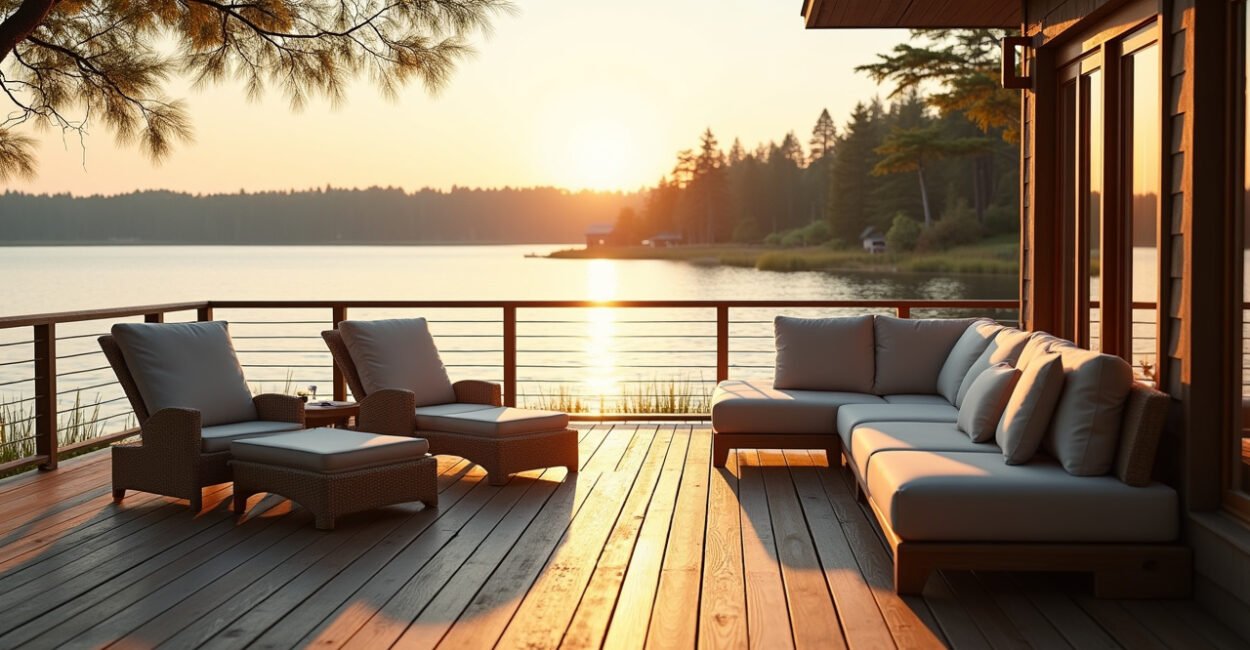
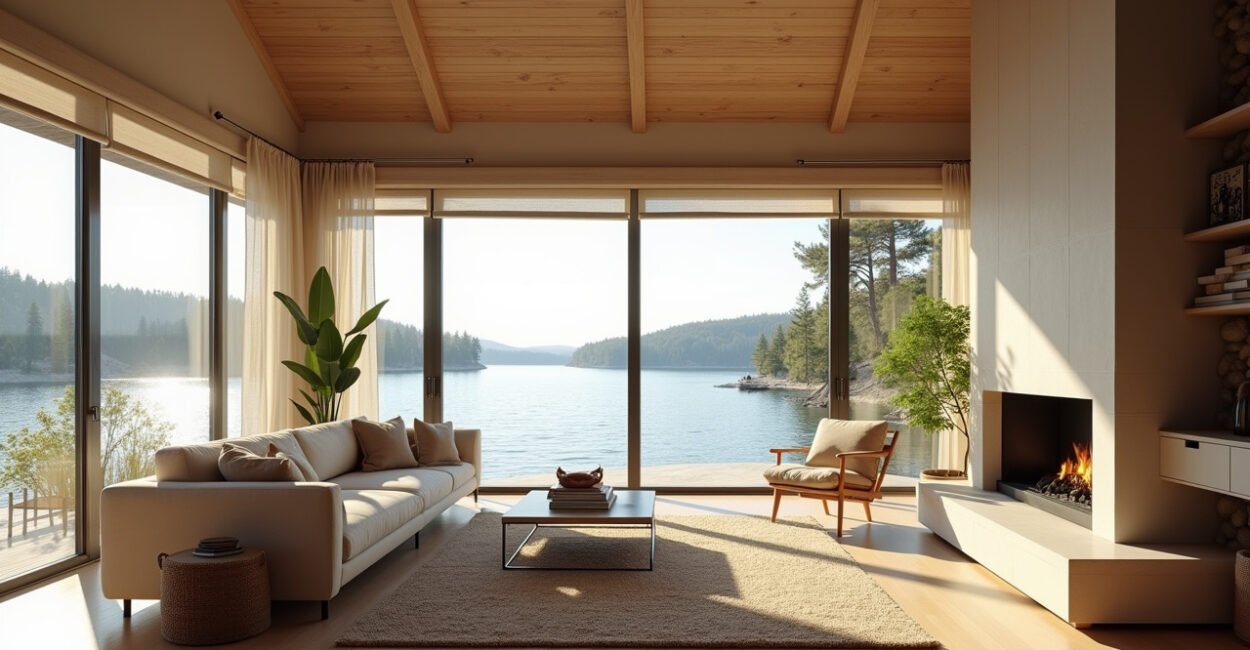
There’s an emotional ROI here: light equals luxury. Buyers pay extra for rooms that look expansive and cinematic at dusk. Architects sell transparency as modernity—open plans, seamless indoor-outdoor flow, panoramic views of the ocean or native forest. In cities like São Paulo and Brasília, glass fronts advertise status; in coastal towns, they promise uninterrupted seascapes. But emotion is just half the story: developers also push glass because it’s faster to market and photographs better, which shortens the sales cycle.
The Climate Cost Nobody Mentions Early Enough
Glass turns passive heat gain into an expensive problem. In Rio’s climate, a south-facing glass wall may be benign, but a north- or west-facing facade invites afternoon solar radiation that spikes indoor temperatures. Cooling load can double compared to insulated walls, which means higher energy bills and bigger AC units. A comparison: a well-insulated concrete wall keeps daytime peaks in check; a single-pane glass wall lets midday sun raise indoor temps by several degrees in under an hour, turning comfort into a running electrical meter.

Energy Trade-offs: Aesthetics Versus Bills
Beautiful light can come with ugly energy math. Low-e coatings, double glazing, and thermal breaks soften the hit, but they add 20–60% to facade cost. Sometimes homeowners install oversized AC systems—reactive, not smart. The smarter route mixes strategies: solar shading devices, operable windows for night cooling, and photovoltaic panels to offset peak loads. According to studies from energy research centers, well-designed glazed facades paired with passive strategies can approach parity, but most glossy houses in Brazil skip those subtleties.
Local Rules and a Patchwork of Permissions
Regulations vary wildly—from strict heritage districts to permissive new developments. Some municipalities restrict reflective glass to avoid glare on neighboring properties or harm to birds; others limit transparency for privacy reasons. In coastal preservation zones, setbacks and visual corridors can curtail curtain-wall ambitions. Builders often treat compliance as paperwork rather than design constraint, which leads to fines or retrofits. For authoritative guidance, check municipal codes and resources like the Instituto Brasileiro de Arquitetos (example local body) and national energy-efficiency standards (government guidelines).
Design Moves That Actually Make Glass Livable in Brazil
There are practical tricks that keep the glare and bills down while preserving the look. Think external brise-soleil, deep overhangs, fritted glass patterns, and strategically angled louvers that preserve views but cut direct sun. Landscaping—trees and trellises—works as living sunscreen. Inside, light shelves and diffusing textiles scatter harsh beams. Builders who combine shading, high-performance glazing, and cross-ventilation turn the aesthetic from a liability into an asset. A well-executed glass house can be luminous without being a furnace.
Common Mistakes Owners Make with Glass-front Mansions
People repeat the same errors: prioritizing looks over physics.
- Choosing single-pane glass for a million-dollar facade.
- Ignoring orientation—large west-facing panes are a fast track to overheating.
- Under-sizing shading and over-sizing AC as a band-aid.
- Neglecting maintenance: seals fail, coatings degrade, and leaks follow.
These missteps cost more over time than the premium paid for “designer glass.” Avoid them by treating the facade as a climate system, not just cladding.
One House: A Small Experiment That Teaches the Big Lesson
In a São Paulo neighborhood, a couple converted an old masonry home into a glass-front showpiece. They chose double-glazed, low-e panes and added retractable external screens. For the first summer, they left the screens open to enjoy the light and wind up the social feed; by the second month their electricity bill had risen sharply. They started using the screens selectively—closing them afternoons, opening at dusk—and planted fast-growing trees that reduced glare within a year. The beautiful facade stayed; the runaway energy cost disappeared.
If you love the luminous look, aim for intelligent design. Otherwise, you buy a postcard and a heat pump.
What Are the Immediate Energy Consequences of Installing Large Glass Facades in Brazil?
Installing large glass facades typically increases solar heat gain, especially on east, west, or north exposures, which leads to higher indoor temperatures and greater reliance on air conditioning. That raises electricity consumption and monthly bills, and often requires larger HVAC systems that are more expensive to install and maintain. Without passive mitigation—shading, high-performance glazing, or natural ventilation—the initial aesthetic gain becomes an ongoing operational cost that can outweigh resale value improvements, particularly in hot, humid Brazilian climates.
Can Glazing Technologies Make Glass Houses Energy-efficient Enough for Brazilian Climates?
Yes, modern glazing technologies like double or triple glazing, low-emissivity (low-e) coatings, and insulated frames can significantly reduce heat transfer and solar gain, improving comfort and lowering cooling loads. However, technologies are not a cure-all: proper orientation, shading strategies, ventilation, and thermal mass are still essential. In many cases, the combination of high-performance glass plus thoughtful passive design delivers the best results, but this requires upfront investment and design coordination to avoid simply shifting costs from energy bills to construction budgets.
Are There Regulations in Brazil That Restrict Glass Facades?
Regulations vary by municipality and by zone: heritage areas, coastal conservation zones, and some urban districts have restrictions on reflectivity, transparency, or facade treatments to protect neighbors, views, and wildlife. Building codes may also require certain insulation or solar shading measures, and environmental licensing can impose additional constraints. Because the rules are a patchwork, it’s important to consult local planning authorities early in design—and to reference national standards for energy efficiency to ensure both compliance and better long-term performance.
How Much More Does High-performance Glazing Cost Compared to Standard Glass?
High-performance glazing—double or triple panes, low-e coatings, gas fills, and thermally broken frames—typically adds 20–60% to glazing material costs versus basic single-pane units, depending on specification and scale. Installation and frame upgrades can push that premium higher. While upfront costs rise, these systems reduce operational energy use and can extend the life of HVAC equipment. The real question is lifecycle cost: in many Brazilian contexts, the added expense pays back over several years through lower energy bills and improved comfort, but payback depends on climate and usage.
What Should Homeowners Prioritize When Planning a Glass-front Mansion?
Prioritize orientation and shading first, then glazing performance, followed by ventilation strategies and landscape design. Start with a site-specific study: where does the sun hit during the hottest hours, and how will breezes move through the property? Invest in at least double-glazing with low-e coatings for major exposures, design external shading like brise-soleil or deep overhangs, and plan operable openings to enable night cooling. Finally, work with architects and engineers who understand the local climate to avoid aesthetic choices that create long-term operational headaches.