Skip to content

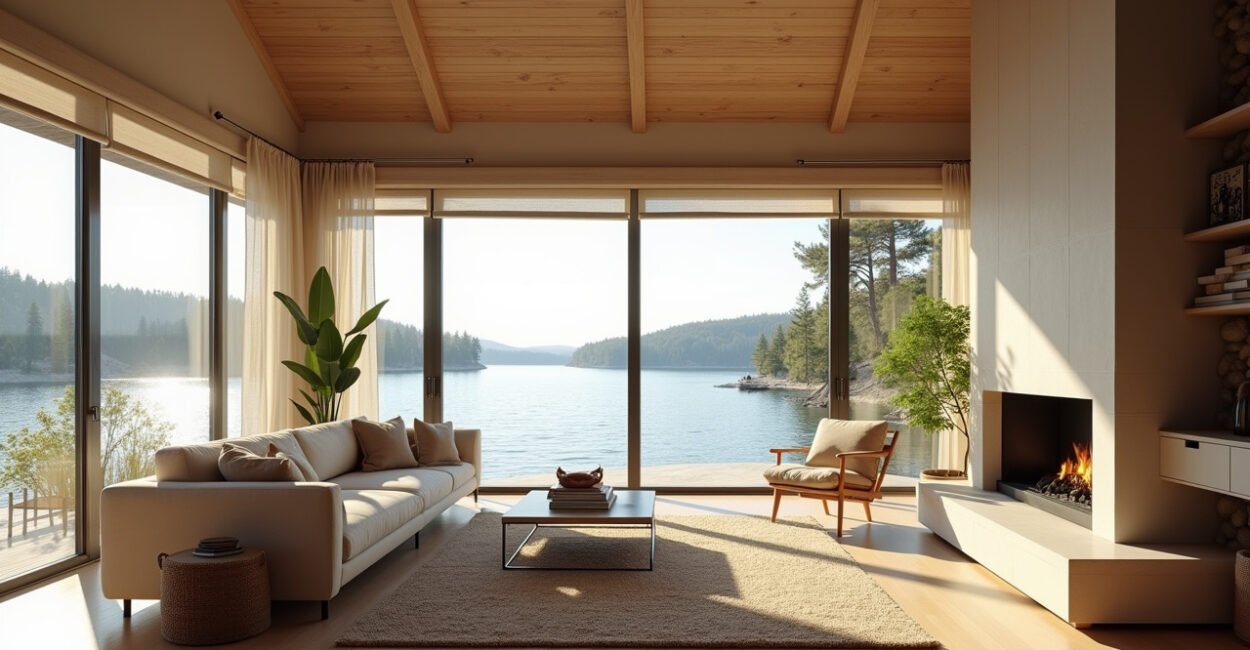
Light pours through the living room and the skyline looks like a movie — until noon hits and the glare turns the space into an oven. That tension between drama and discomfort is the everyday problem glass facades must solve. You want uninterrupted views and daylight, but you also need privacy, thermal comfort, and reasonable energy bills. The trick is not to choose between open and closed; it’s to design the glass so it behaves like a smart filter.
The Quiet Trick That Makes Glass Feel Private Without Hiding the View
Tinted and fritted glass can give you privacy that looks deliberate, not defensive. A light tint cuts visible glare and solar heat. A frit — ceramic dots or patterns baked into the pane — scatters sightlines at close range while keeping long-distance views clear. Think of tinting as sunglasses and frit as a patterned curtain that never moves. Use them together and you get controlled transparency: big vistas that retreat when someone steps up to the window.
Why Electrochromic Smart Glass is the Lazy Homeowner’s Best Friend
Electrochromic glass changes tint with a button or an app. It replaces blinds and solves glare, privacy, and solar gain in one pane. Flip the glass to 50% tint during peak sun and watch interior temperatures and AC cycles drop. Unlike film, it’s durable and integrates with building controls. Yes, it costs more up front, but maintenance is low and the comfort payoff is immediate — no cords, no dust, no fighting with slats at sunset.

The Mechanical Screening Solutions Architects Swear By
Shading isn’t only about glass. Screens, louvers, and perforated metal add a layer of control that glass alone can’t match. They block low-angle sun, diffuse daylight, and provide an obvious privacy cue from the street. Use operable screens and you can tune the facade across seasons. They also add texture — literally and visually — turning a flat glass wall into something with depth and character.
The Energy Math Most People Miss When Choosing Full-height Glazing
Big glass equals big peaks in heating and cooling demand if you don’t plan for it. Double- or triple-glazed units with low-E coatings cut radiant heat transfer. But the full energy benefit comes from pairing glazing with shading, smart glass, and proper frame design. A simple comparison: the same floor area with conventional insulated wall uses up to 30% less cooling than floor-to-ceiling single-pane glass. That gap narrows when you combine strategies, which is the point — don’t rely on a single fix.

Common Mistakes That Turn Dramatic Glass Into a Regret
People make the same five mistakes over and over. Here’s what to avoid:
- Choosing maximum glass area for aesthetics without modeling thermal impacts.
- Using only clear single-pane glazing in sunny facades.
- Skipping frits or films because they “ruin the view.”
- Ignoring exterior shading and relying on interior blinds alone.
- Assuming smart glass removes the need for HVAC design.
Failing to combine passive and active strategies is the root problem. The result is high bills, unhappy occupants, and, often, retrofit costs that dwarf initial savings.
A Small Comparison: Expectation Versus Reality in a Glass Penthouse
Expectation: Unbroken views, sunlight all day, effortless glamour. Reality: Afternoon glare, overheated bedrooms, and drawn shades by evening. I visited a penthouse where the owner loved the view but hated his evenings. They retrofitted with fritted outer panes, a light neutral tint, and motorized exterior screens. The change kept the panoramic sightlines and cut peak cooling by a third. That before/after is not a trick — it’s the predictable outcome of layering solutions.
How to Pick the Right Mix for Your Project (practical Checklist)
Start with orientation and climate. North-facing glass needs different treatment from west-facing. Then run these steps:
- Model solar gain and glare for key rooms.
- Choose glass: double/triple glazed, low-E, plus tint or frit where needed.
- Decide on active tech: electrochromic if you want convenience and control.
- Add exterior screening for seasonal tuning and street privacy.
- Coordinate frames and insulation to prevent thermal bridging.
When in doubt, simulate and test before you build. Small adjustments in frit density or tint level make big differences in comfort and energy.
For deeper standards and data on thermal performance, consult the U.S. Department of Energy resources on windows and envelope design. For glazing standards and test methods, the ASTM International site offers technical specs widely used by manufacturers and engineers.
Final Thought
Glass facades are not a binary choice between exhibition and retreat. Treated intelligently they act like a lens you can tune: wide, cinematic views when you want them; cool, private comfort when you don’t. The best projects mix materials, tech, and a little restraint. That’s how a building can be both breathtaking and livable.
How Does Fritted Glass Affect Views and Daylight?
Fritted glass uses ceramic patterns baked into the surface to scatter light and obscure close-range sightlines while keeping distant views clear. The pattern density, size, and contrast determine how visible the dots are from inside and how much light they block. Properly designed frits reduce glare and bird collisions and can provide privacy without blinds. They slightly lower daylight levels, so you balance pattern density with interior lighting needs. Architects often use frits near eye level and keep upper panes clearer to preserve panoramic views.
Is Electrochromic Glass Worth the Higher Upfront Cost?
Electrochromic glass costs more initially but can cut HVAC peaks, reduce glare complaints, and eliminate some window treatments. For high-glare facades, it often pays back through lower energy use and higher occupant comfort. It integrates with building controls and can be scheduled or automated based on sun angle. Durability is better than retrofit films, and lifecycle maintenance is usually low. The economics improve in glass-heavy projects or where privacy and view control are critical. A quick energy model helps determine payback for each project.
Can Exterior Screens Replace Smart Glass and Still Keep the View?
Exterior screens and louvers offer seasonally adjustable shading and can preserve views better than interior blinds because they block heat before it hits the glass. When designed with perforation patterns or spacing, they let sightlines through while reducing direct sun. They don’t tint the glass but provide a physical buffer against low-angle sun and prying eyes. In many cases, combining screens with modestly performing glazing delivers near-smart-glass comfort at lower cost. The aesthetic and maintenance of screens are important trade-offs to consider.
What Are the Energy Performance Trade-offs for Floor-to-ceiling Windows?
Floor-to-ceiling glazing maximizes daylight and views but increases solar heat gain and heat loss unless the glazing is specified correctly. Triple glazing with low-E coatings and thermally broken frames reduces heat transfer. Yet, without shading or smart glazing, west-facing tall windows cause afternoon overheating. The real trade-off is between daylighting gains and cooling loads; balanced design uses shading, selective glazing, and HVAC sizing to control peaks. Modeling helps show whether the daylight benefits outweigh the added energy use for a specific orientation and climate.
How Do I Choose Between Tint, Frit, Film, or Replacement Glass?
Choice depends on budget, permanence, and performance needs. Films are low-cost and retrofit-friendly but can delaminate and look uneven. Tints and low-E coatings are permanent and perform well for solar control. Frits add privacy and bird-safe attributes with minimal impact on long views. Replacement glazing (double/triple-pane with low-E) is the best long-term solution for thermal performance. Consider maintenance, visual effect, and whether you want adjustable control (in which case electrochromic glass or operable screens are better). A quick mock-up helps decide.