Skip to content

Morning routines generate more waste than most people realize: single-use cotton pads, plastic toothpaste tubes, disposable razors, and half-empty bottles that never get finished. The good news is that sustainable bathroom swaps for mornings are not about turning your bathroom into a zero-waste showroom. They’re about replacing the everyday items you actually use with versions that last longer, waste less, and often work better.
The smartest changes are the ones you barely notice after the first week. A refillable soap dispenser, a bamboo toothbrush, solid shampoo, and a better storage setup can cut clutter and reduce repeat purchases without making your routine slower. Below, I’ll break down which swaps are worth it, where people usually overcomplicate things, and how to make changes that hold up in real life.
What Matters Most
- The best morning swaps are the ones that reduce both waste and friction, because convenience is what makes habits stick.
- Plastic-free is not automatically better if the replacement breaks quickly, creates more packaging, or is harder to use consistently.
- Bathroom sustainability works best when you target the highest-turnover items first: toothpaste, soap, razors, cotton products, and storage containers.
- Health and sustainability overlap in the bathroom when you choose simpler formulas, lower-toxicity materials, and products with fewer unnecessary extras.
- The most durable wins often come from organization and refill systems, not from buying a dozen “eco” products at once.
Sustainable Bathroom Swaps for Mornings That Actually Stick
In practical terms, sustainable bathroom swaps are substitutions that lower environmental impact across a product’s life cycle: material extraction, manufacturing, packaging, use, and disposal. That sounds technical, but the day-to-day version is easier: pick items you use every morning and replace the waste-heavy versions with reusable, refillable, compostable, or longer-lasting alternatives.
The mistake most people make is starting with the prettiest swap instead of the most repeated one. A mason jar for cotton swabs looks nice; a refillable hand soap bottle saves more over the course of a year. That’s why the best place to begin is with the items you touch every single morning.
The most sustainable bathroom product is usually the one you finish completely, refill, or reuse without thinking about it.
Start with the Highest-Volume Items
Focus on products you replace often: soap, toothpaste, deodorant, shaving supplies, and facial care basics. These categories create the most packaging waste because they move fast and get bought again and again. If a swap does not reduce repeat purchases or packaging, it is probably more aesthetic than sustainable.
Ignore “Eco” Labels That Don’t Change the Math
Some products call themselves natural, green, or planet-friendly while still shipping in heavy plastic or complicated mixed materials. That does not mean they are bad, but it does mean the label alone is not enough. Look for refill programs, minimalist packaging, compostable components, or concentrated formulas that last longer.
Toiletries That Cut Waste Before Breakfast is Over
Toiletries are the easiest place to win because the options have improved a lot. You do not need unusual products or a complicated system. You need a few upgrades that are comfortable enough to use every day and boring enough to become automatic.
Toothpaste, Soap, and Deodorant
- Toothpaste tablets work well for travel and shared bathrooms, though some people still prefer paste for texture and familiarity.
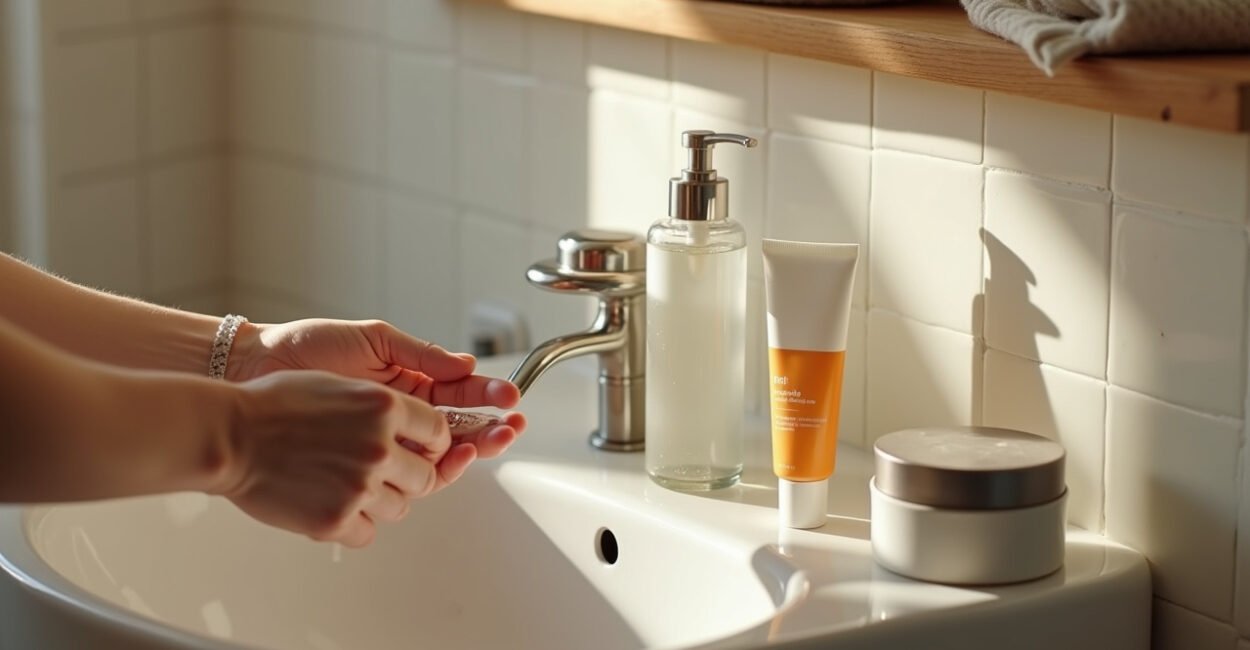
- Refillable hand soap reduces bottle waste fast, especially if you buy concentrated refills.
- Solid deodorant often comes in less packaging and lasts a long time, but formula quality varies a lot by brand.
Shampoo Bars and Conditioner Bars
Shampoo bars save packaging and can reduce water-heavy shipping weight. They work best for people who rinse thoroughly and are willing to test a few formulas before deciding. If your hair is very textured, color-treated, or prone to buildup, a bar may work well or may feel frustrating depending on the ingredients. That’s one of those places where experience matters more than ideology.
Razors and Shaving Basics
A reusable safety razor is one of the strongest swaps in the bathroom because the handle lasts for years and only the blade is replaced. The learning curve is real, though. The first week can feel slower, and anyone with sensitive skin should use a light touch and a good shaving cream. Who works with this knows that technique matters more than the tool itself.
Reusable razors reduce waste best when the user is willing to change technique, not just hardware.
For product safety and material guidance, the U.S. Environmental Protection Agency keeps a useful overview of safer household choices on its Safer Choice program page.

Materials and Storage That Make the Routine Cleaner
People talk a lot about products and not enough about storage. Yet storage is where many morning routines either become easy or quietly fall apart. A good system keeps refills visible, prevents duplicates, and stops you from buying emergency replacements every two weeks.
Choose Durable, Low-Drama Materials
Glass, stainless steel, ceramic, and some high-quality recycled plastics tend to last longer than flimsy mixed-material organizers. The point is not to ban plastic. The point is to avoid items that crack, warp, or get tossed because they feel disposable from day one.
Keep Refills Where You Can See Them
If your refill soap, cotton pads, or spare toothpaste live in a cabinet you never open, you will rebuy the same thing unnecessarily. Clear containers, labeled bins, and one dedicated shelf reduce that problem fast. I’ve seen this play out in small bathrooms where two people kept buying duplicates simply because nobody could tell what was already there.
- Use one bin for unopened refills.
- Store daily items at eye level.
- Keep backups in a single category, not scattered across drawers.
- Empty and clean dispensers on a fixed schedule so residue does not build up.
For broader evidence on waste reduction and household materials, the National Institute of Environmental Health Sciences has clear guidance on consumer exposures and everyday products.
Health-Forward Swaps That Support a Better Start
Sustainability and health overlap, but they are not identical. A product can be low-waste and still irritate your skin. It can also be gentle and still create unnecessary packaging. The best morning routine balances both.
Fragrance, Irritation, and Sensitivity
People with sensitive skin often do better with shorter ingredient lists and fewer fragrances. That does not mean every scented product is bad. It means you should pay attention to what your skin actually tolerates, especially with deodorant, cleanser, and facial products used every day. Dermatologists often recommend patch testing new products before fully switching.
Simple Formulas Beat Fancy Claims
A cleanser with fewer additives is not automatically superior, but it is easier to evaluate. If a product causes dryness, redness, or buildup, it is not a good swap no matter how sustainable the packaging is. In other words, the right choice has to work on your skin first; otherwise, you will stop using it and the sustainability benefit disappears.
A bathroom swap fails when it asks you to tolerate daily discomfort in the name of doing the right thing.
The American Academy of Dermatology offers practical advice on skin care basics and irritation prevention at its skin care basics resource.
A Realistic Morning Setup for Busy Households
The best system is the one that works when people are half awake. That means fewer steps, fewer decisions, and fewer items that require special handling. Sustainable routines do not survive chaos; they survive low effort.
A Small Household Example
In a two-person apartment, the bathroom shelf was always a mess of half-used bottles and duplicate purchases. After one weekend, they switched to one refillable soap dispenser, one shared container for cotton pads, a safety razor with replaceable blades, and a labeled basket for backups. The bathroom looked calmer, but the bigger win was behavioral: they stopped overbuying because they could finally see what they already had.
Where These Swaps Can Fall Short
Not every household benefits equally. Families with multiple kids may need faster dispensers, simpler packaging, and products that are easier to share. People with mobility challenges may prefer pumps and larger containers over bars or jars. Sustainability is not a moral test; it is a design problem. If a swap makes the room less usable, it is the wrong swap for that home.
How to Build Your Own Swap Plan Without Overbuying
Do not replace everything at once. That usually leads to waste, not less of it. A better approach is to use up what you already own, then replace the next item with a better version when it runs out. That keeps costs down and prevents the “I bought all the eco stuff and none of it fits my life” problem.
- Pick two categories only: one high-waste item and one storage or organization fix.
- Use what you already have before buying a replacement.
- Choose one refillable or reusable option and commit to it for a month.
- Track whether it actually saves time, money, or packaging.
- Keep the swap only if it survives weekday mornings, not just weekends.
That last step matters. A product that works on a calm Sunday may fail on a rushed Tuesday. The goal is not to collect better objects; it is to build a routine that you can repeat without thinking.
What to Prioritize First If You Want the Biggest Impact
If you only make three changes, make them where they compound. Refillable soap, a reusable razor, and a better refill/storage system will do more for most bathrooms than a dozen tiny decorative swaps. Those are the kinds of changes that reduce waste, simplify shopping, and make the room easier to use.
The smart move is to treat your bathroom like a system, not a display. Once you think that way, sustainable bathroom swaps for mornings stop being a trend and start becoming common sense. Pick one item, finish what you own, then replace it with something that earns its place in the routine.
Practical Morning Checkpoints for the Next 30 Days
Use a short review instead of a shopping spree. At the end of each week, ask whether a swap saved packaging, reduced clutter, or made mornings smoother. If the answer is no, the product may be a nice idea but not a good fit.
- Did I finish the refill or reuse the container?
- Did the swap make my routine easier to maintain?
- Did I avoid buying a duplicate because storage improved?
- Did my skin, hair, or shaving routine stay comfortable?
That kind of check keeps you honest. It also helps you avoid turning sustainability into another perfection project, which is the fastest way to abandon it.
Próximos Passos
The strongest morning routines are not the greenest on paper; they are the ones you can repeat on a tired weekday without friction. Start with one high-volume item, one refill system, and one storage fix, then let the habit prove itself before you add more. That approach protects your budget, reduces waste, and gives you cleaner mornings without forcing a lifestyle overhaul.
Choose one swap to test this week, finish the product already in your cabinet, and measure whether the change is still working after 14 days. If it is easier, cleaner, and less wasteful, keep it. If not, replace the idea—not your entire routine.
FAQ
Which Bathroom Swap Gives the Biggest Sustainability Payoff First?
For most homes, refillable hand soap is the easiest high-impact starting point because it reduces packaging quickly and requires no learning curve. A reusable razor is another strong option if you already shave regularly. The best first swap is the one you will actually use every morning, because consistency matters more than the label on the product. If a change sits in a drawer, it does not save much of anything.
Are Shampoo Bars Always Better Than Liquid Shampoo?
Not always. Shampoo bars usually reduce packaging and shipping weight, but they do not work equally well for every hair type. Very curly, color-treated, or product-heavy hair may need formulas that are harder to find in bar form. A good rule is to test one bar, evaluate buildup and moisture after a few washes, and keep it only if it fits your hair and shower routine.
Do Sustainable Swaps Cost More Upfront?
Some do, but not all. A reusable razor, refillable soap dispenser, or stainless steel organizer may cost more on day one and less over time because you replace fewer parts. The key is to look at cost per use, not just the sticker price. If a product lasts longer and replaces several disposable purchases, it usually pays for itself within a few months.
What If My Household is Not Ready for a Full Low-waste Routine?
That is normal. Households change slowly, especially when multiple people share a bathroom and have different habits. Start with the least disruptive swaps: one refill bottle, one shared storage bin, or one reusable item used by only one person. Small wins matter because they prove the system can work before everyone changes at once.
How Do I Know If a Product is Truly Sustainable and Not Just Marketed That Way?
Check whether the product changes the full system: less packaging, longer lifespan, refill support, or simpler disposal. Labels like “natural” or “eco-friendly” are not enough on their own. Look for transparent ingredients, durable materials, and brands that explain what happens after you finish the product. If the claims are vague and the packaging is still heavy, the sustainability benefit may be limited.