Skip to content

Eco-friendly self-care bathroom essentials are the everyday products and tools you use to maintain hygiene, grooming, and comfort while reducing waste, plastic use, and unnecessary chemical load. In practical terms, that means choosing reusable, refillable, compostable, durable, or low-packaging items that still perform well in a real bathroom routine. The goal is not perfection. It is a smarter setup that supports your habits without filling the trash with disposable packaging.
This matters now because bathrooms are one of the easiest places to make high-impact changes without overhauling your entire lifestyle. Toothbrushes, floss containers, razors, cotton rounds, soap packaging, and toiletry bottles add up fast. If you swap the right items, you lower weekly waste and simplify your routine at the same time. That is why beginners do best when they start with a few reliable essentials instead of buying a cart full of trendy “green” products that do not actually improve day-to-day use.
There is also a quality angle here. A well-chosen bamboo brush, refillable dispenser, or safety razor often lasts longer and works better than a flimsy disposable alternative. The tradeoff is learning what is durable, what is refillable, and what still needs careful disposal. That’s where a practical system matters more than branding.
Pontos-Chave
- Start with bathroom items you replace often, because the fastest waste reduction comes from frequent-use products like toothbrushes, soap, floss, and razors.
- Choose materials for function first: stainless steel, glass, aluminum, bamboo, cellulose, and refillable pumps usually outperform “eco” claims on packaging alone.
- Not every green product is worth buying; some compostable or plant-based items only make sense if your local waste system can actually process them.
- A beginner-friendly setup is built around reuse, refills, and fewer components, not around a complete lifestyle makeover.
- For self-care, consistency beats novelty: a bathroom routine you use every day is more sustainable than a perfect shelf full of products you never finish.
Eco-Friendly Self-Care Bathroom Essentials That Make the Biggest Difference
Start with High-Churn Items, Not Decorative Swaps
The most effective first move is to target items you consume repeatedly. That includes toothbrushes, dental floss, hand soap, body wash, razors, cotton rounds, and tissue alternatives. These products create a steady waste stream, so replacing even two or three of them has a measurable effect over time.
Na prática, the people who stick with greener bathrooms usually begin with boring but high-impact changes. A refillable soap dispenser matters more than a fancy tray of products. A safety razor reduces disposable head waste far more than a one-time swap of a shampoo bottle for a “clean” label. Start where the trash is largest.
The Core Essentials for Beginners
If you are building a cleaner bathroom from scratch, focus on durable basics: a bamboo or replaceable-head toothbrush, toothpaste in recyclable packaging or tablets, floss in a refillable or low-plastic format, a stainless steel safety razor, shampoo and conditioner bars or refill pouches, cotton rounds made from washable fabric, and a refillable hand soap pump. Those are the items that change your footprint without complicating your routine.
A useful rule: if the product is used daily, choose the version that creates the least recurring packaging. If it is used occasionally, choose the version with the longest lifespan. That logic keeps you from overbuying niche “eco” goods that look good on a shelf but do little in practice.
What “Eco-Friendly” Should Mean in a Bathroom
Technically, eco-friendly in this context means lower life-cycle impact: less virgin plastic, fewer transport emissions from repeated replacements, reduced water or energy use where relevant, and better end-of-life handling. The common-sense version is simpler: buy fewer throwaway items and more durable ones that can be reused, refilled, repaired, or composted responsibly.
This is where marketing gets noisy. A plant-based label does not automatically mean lower impact, and compostable does not always mean compostable in your local system. The U.S. Environmental Protection Agency’s recycling guidance is useful here because it reinforces a basic truth: disposal rules depend on local infrastructure, not on front-of-pack claims.
How to Choose Materials That Actually Reduce Waste
Bamboo, Glass, Stainless Steel, and Aluminum: The Practical Four
These four materials show up again and again for a reason. Bamboo works well for toothbrush handles, soap dishes, and some grooming tools because it is lightweight and renewably sourced. Glass is strong for storage and refill containers, stainless steel is ideal for razors and scoops, and aluminum is one of the better options for refillable bottles and tins because it is durable and highly recyclable.
None of these materials is perfect in every use case. Glass is recyclable but breakable. Bamboo is renewable but not always ideal for wet storage. Stainless steel lasts a long time but costs more up front. The right choice depends on moisture exposure, frequency of use, and whether you want something to survive years of handling.
Reusable Beats “Eco” Only When It Fits the Routine
A washable cotton round is a better choice than single-use pads only if you actually wash and reuse it. A refillable bottle is better than repeated travel-size purchases only if you refill it consistently. Sustainability is not a badge you buy; it is a behavior pattern that has to match your habits.
This is why experienced users often keep the system very small. If a product is annoying to clean, heavy to store, or awkward to refill, it will quietly lose to convenience. That’s not failure; it is a design problem. Choose items that fit your hands, shelf space, and cleaning routine.
How to Read Claims Without Getting Misled
Look for specific statements, not vague ones. “Plastic-free packaging” tells you more than “green beauty.” “Refillable aluminum bottle” is more useful than “earth-conscious formula.” When a company explains material composition, refill process, and disposal instructions, you can judge the product on actual performance.
For broader health and consumer guidance, the National Institute of Environmental Health Sciences is a strong reference point because it helps frame exposure and ingredient concerns without turning every purchase into a panic decision. Not every cleaner or personal-care product needs to be treated as a hazard, but transparent ingredients matter when you are trying to simplify your bathroom.

Low-Waste Alternatives for Daily Bathroom Routines
Oral Care Without the Plastic Overload
Oral care is one of the easiest places to cut recurring waste. A bamboo toothbrush with replaceable heads, toothpaste tablets, and dental floss in a refillable container can dramatically reduce packaging compared with standard plastic-heavy products. The best option depends on what you will actually use twice a day, every day.
There is one nuance worth saying plainly: some zero-waste oral products feel great in theory and annoying in practice. If toothpaste tablets do not foam enough for you, you may abandon them. That is fine. A recyclable toothpaste tube plus a durable brush is still a meaningful improvement over a disposable-heavy setup you never maintain.
Hair, Skin, and Body Care with Less Packaging
Solid shampoo and conditioner bars are popular because they eliminate plastic bottles and travel well. They also work best when stored dry between uses, so a slotted soap dish or draining tray matters more than people expect. The same principle applies to bar soap, cleansing bars, and body wash refills.
For skin care, keep the routine lean. A simple cleanser, moisturizer in a refillable or recyclable container, and sunscreen in responsible packaging is often enough for beginners. The more products you add, the more packaging and the more decision fatigue. A small routine that gets finished is better than a crowded shelf of half-used bottles.
Shaving, Deodorant, and the Small Upgrades That Add Up
A stainless steel safety razor is one of the strongest upgrades in a low-waste bathroom because the handle lasts for years and the blades are compact metal waste instead of bulky plastic cartridges. Refillable deodorant cases are another smart switch, especially if the refill format is easy to source.
That said, some products have slower adoption because habit matters. Shaving technique changes with a safety razor, and not everyone wants that learning curve. If you are sensitive to friction, give yourself time to adapt before judging the tool. A sustainable product that you abandon is not sustainable in practice.
How to Set Up a Beginner-Friendly Bathroom System
Build Around Zones, Not Random Purchases
The cleanest setup follows how you move through the room. Create zones for oral care, washing, shaving, skin care, and laundry or cleaning. That keeps reusable items visible and reduces the temptation to buy duplicates because you forgot what you already had.
In real homes, systems fail when they are scattered. A refill bottle hidden in a cabinet will not be used as often as one that is easy to grab. A washable pad tossed into a drawer will not get reused if you do not have a clear wash bin. Function comes first.
A Starter Kit That Covers the Basics
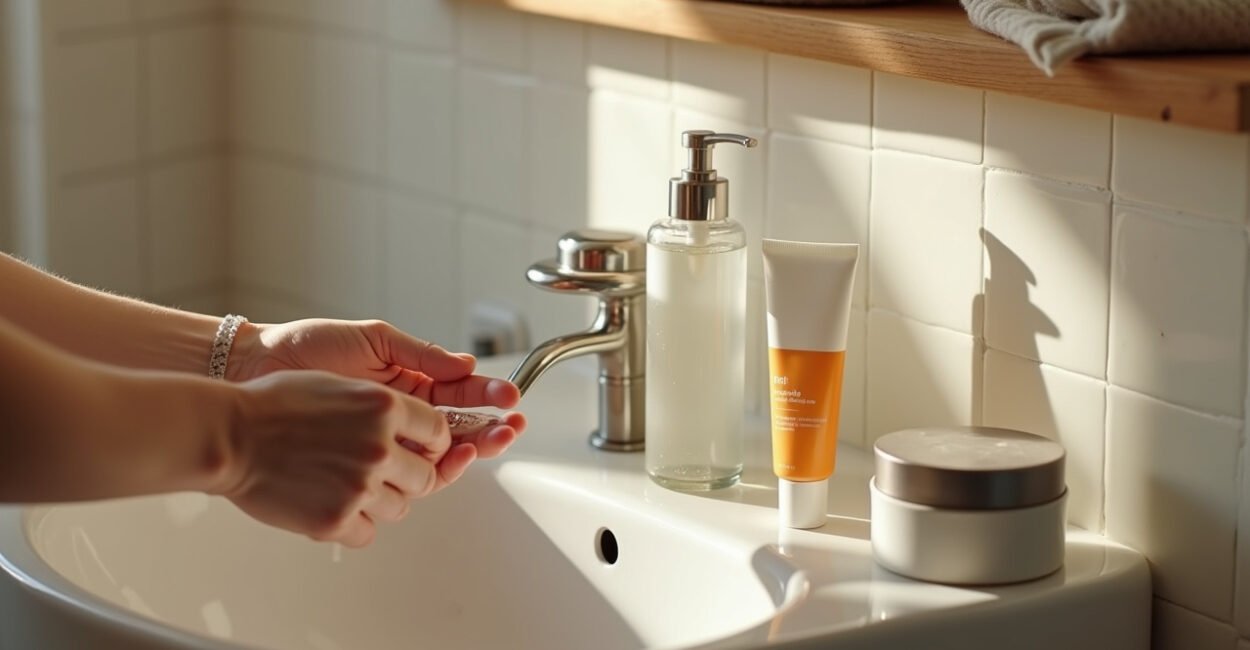
If you want one simple setup, begin with this list: a durable toothbrush, a refillable soap dispenser, a bar soap or refill soap source, a safety razor, one set of washable cotton rounds, a shampoo bar or refillable hair product, and a storage tray that keeps bars dry. That is enough to change the waste profile of the bathroom without turning it into a project.
- Toothbrush: bamboo or replaceable-head design
- Hand soap: refillable pump with bulk refills
- Hair care: bar or refill format
- Shaving: stainless steel razor with replaceable blades
- Skin care: minimal routine in refillable containers
- Cleanup: washable pads and reusable cloths
Storage, Drying, and Maintenance Matter More Than Marketing
Many eco products underperform because they are stored badly. Soap bars dissolve if they sit in water. Bamboo items can swell if kept damp. Reusable cloths smell if they do not dry fully. The system works only when you treat the bathroom as a moisture-heavy environment that needs airflow and separation.
Who works with this knows that maintenance is the hidden variable. A slotted dish, drain-safe tray, and one dedicated washing basket solve more problems than buying another “green” accessory. Small details like this decide whether the setup lasts six weeks or six months.
What to Buy First, What to Delay, and What to Skip
First Purchases That Deliver Real Value
Start with the items you touch every day and replace often: toothbrush, soap dispenser, razor, and at least one refillable bottle or bar format. Those give you the fastest return because they replace recurring waste with durable use. You also learn which formats fit your preferences without committing to a full bathroom overhaul.
If budget is tight, prioritize durability over aesthetics. A good razor handle or refillable pump pays off faster than matching containers. The cheapest “eco” item is not always the most sustainable if it breaks quickly or gets ignored.
What Can Wait Until Your Routine Stabilizes
Specialty accessories can wait. Toothpaste tablets, reusable cotton swabs, niche compostable packaging, and multi-step skin-care refills are not the best place to begin if you are still learning the basics. Those products work well for some people, but they are not the foundation.
That delay is strategic, not anti-sustainability. Once your daily routine is stable, you can swap more selectively and avoid filling a cabinet with products that were purchased for ideals instead of use. A bathroom that you can maintain beats a perfect one that collapses under friction.
Common Mistakes That Make Green Bathrooms Less Green
The biggest mistake is buying replacements before using up what you already own. Another is choosing compostable packaging without checking whether your local waste stream accepts it. A third is overfilling the bathroom with duplicate “sustainable” products that expire before they are finished.
There is also a trust issue. Some brands use low-impact language loosely, and not every claim is independently verified. If you want a cleaner filter for decisions, the FTC Green Guides explain how environmental marketing claims should be interpreted. That does not tell you what to buy, but it helps you spot when packaging is talking louder than substance.
How to Evaluate Product Claims, Certifications, and Disposal Paths
Look for Signals That Matter
Useful signals include refill programs, clear material disclosure, plastic-reduction targets, third-party certifications, and disposal guidance that matches real-world infrastructure. If a brand cannot explain what happens after use, it is asking you to trust the label instead of the system. That is a weak sign.
Certifications can help, but they are not interchangeable. A FSC mark matters for paper and wood fibers. A compostable certification matters only if composting is actually available to you. The label is the start of the assessment, not the end.
Local Infrastructure Determines the Outcome
Waste sorting rules vary by municipality, and that changes the value of a product. In one city, aluminum or glass refills may be straightforward. In another, a “compostable” item may still go to landfill because collection and processing do not exist locally. This is one of the main places where generalized advice falls apart.
That is why the most practical system is local-first. Check what your hauler, city, or waste authority accepts before optimizing around an end-of-life claim. A sustainable purchase is only as good as the disposal path that follows it.
Use a Simple Decision Test
Ask four questions before buying: Will I use it often? Does it last longer than the disposable version? Can I refill, repair, or recycle it where I live? Does it fit my routine without friction? If the answer is no to two or more of those, skip it.
This rule keeps you grounded. It prevents impulse buying and helps you stay focused on function, not identity signaling. That is where most sustainable bathroom setups either succeed or fail.
Próximos Passos Para Implementação
The best way to build a greener bathroom is to make one pass through your current routine and replace only the highest-churn items first. Keep what works, finish what you already own, and upgrade the products that create the most recurring waste. That approach is cleaner, cheaper, and far more realistic than trying to redesign the whole room in one weekend.
From there, add one durable habit at a time: refill instead of rebuy, dry and store bars properly, and choose materials that fit your space. The long-term win is not a “perfect” bathroom. It is a bathroom that is easier to maintain, produces less waste, and supports self-care without constant repurchasing.
If you want the system to hold, treat every new purchase as a design choice, not a moral one. The right setup is the one that stays in use. That is the standard that matters.
FAQ
What Are the Most Important Eco-friendly Self-care Bathroom Essentials to Start With?
The highest-impact starters are a durable toothbrush, refillable hand soap, a safety razor, and one reusable or refillable product for hair or skin care. Those items are used often, so they reduce waste quickly. If you only change a few things at first, choose the products you replace most frequently. That gives you the clearest improvement without making the routine harder to follow.
Are Bamboo Products Always Better for the Environment?
Not automatically. Bamboo can be a good choice because it is renewable and lightweight, but the real impact depends on durability, sourcing, transport, and how the item is used. A bamboo toothbrush that lasts long enough and replaces a plastic version is useful; a poorly made bamboo item that breaks early is not. Always compare function and lifespan first.
Do Compostable Bathroom Products Work in Regular Household Waste Systems?
Sometimes, but not always. Compostable items only deliver their intended benefit if your local collection and processing system accepts them. Many areas do not process them properly, which means they may end up in landfill. Check local rules before relying on the compostable label, because disposal infrastructure matters as much as the material itself.
Is a Safety Razor Worth the Learning Curve for Beginners?
Yes, if you are willing to adapt your technique. A safety razor reduces recurring plastic waste and can be more economical over time, but it does require a steadier hand and a bit of practice. Some users adjust quickly; others prefer cartridge systems for convenience. If shaving comfort matters most, start slowly and compare results after several uses.
How Can I Tell Whether a Green Bathroom Product is Actually Useful?
Use a simple test: frequent use, durable construction, clear refill or disposal path, and fit with your routine. A product that checks those boxes is usually worth considering. If the brand relies on vague claims, flashy packaging, or a complicated refill process, be cautious. Sustainable products should reduce friction, not add a new chore.