Skip to content

The fastest way to make a home feel calmer is not another organizer bin or scented candle; it’s replacing disposable habits with a few durable tools you’ll actually reach for every day. When people look for reusable wellness products for home, they’re usually trying to do three things at once: reduce clutter, cut waste, and make routines easier to keep. The best starter picks do all three without demanding a complete lifestyle overhaul.
That matters because wellness at home is mostly about friction. If a product is annoying to clean, hard to store, or too fragile to use daily, it ends up abandoned in a drawer. The right reusable essentials work the opposite way: they simplify cleaning, support healthier habits, and pay for themselves through repeated use. Below, I’ll break down the most useful options, where they make sense, and where they don’t.
Quick Takeaways
- The best reusable wellness products are the ones that reduce one recurring task, not the ones that look impressive on a shelf.
- Start with items that replace the most wasteful habits first, such as paper towels, cotton pads, and single-use cleaning wipes.
- Food-grade silicone, stainless steel, glass, and dense woven cotton are the most practical materials for everyday home use.
- Reusable only works if cleaning and storage stay easy; convenience is part of the product, not an afterthought.
- For most households, the smartest first purchase is a small set of high-use items rather than a full wellness overhaul.
Reusable Wellness Products for Home That Actually Fit a Real Routine
In technical terms, reusable wellness products are durable household items designed to be used repeatedly with routine cleaning, rather than discarded after a single use. In plain English, they are the tools that help you keep a cleaner, calmer home without creating a new pile of trash every week. The point is not “eco-friendly” as a branding label. The point is lower friction, fewer replacements, and a routine you can keep up.
That distinction matters. A product can be reusable and still be a bad buy if it’s hard to wash, stains fast, or takes up too much space. I’ve seen people buy gorgeous bamboo sets or trendy containers that ended up unused because the lid mechanism was fussy or the material held odors. The winners are boring in the best way: washable, durable, and easy to grab.
Reusable products only improve a home routine when they remove friction; if they add maintenance, they often fail within a few weeks.
What “wellness” Means in the Home Context
At home, wellness is less about luxury and more about repeatable basics: clean surfaces, better air, fewer irritants, less visual clutter, and routines that feel manageable. That’s why a wool dryer ball can be a wellness product just as much as a stainless steel water bottle. It reduces chemical exposure, cuts waste, or makes a habit easier to sustain.
Why Reusability Matters More Than Buying “natural”
“Natural” is not the same as useful. A cotton item that wears out quickly is not a smart wellness purchase just because it sounds healthier. Reusability is the more practical standard because it combines durability with consistency. That’s also why the U.S. Environmental Protection Agency’s waste-reduction guidance is useful here: the biggest gains usually come from cutting repeated disposable use, not from chasing one perfect product.
Start with the 5 Most Useful Starter Picks
If you are building from zero, these are the first products I would consider. They cover the highest-frequency household behaviors: wiping, drinking, cooking, storing, and cleaning. That gives you real impact fast.
- Reusable cleaning cloths: Swap paper towels for microfiber or tightly woven cotton cloths.
- Silicone food bags: Better than disposable zipper bags for leftovers, snacks, and meal prep.
- Stainless steel or glass water bottles: Useful for hydration without plastic churn.
- Wool dryer balls: A simple replacement for disposable dryer sheets.
- Washable face rounds or bamboo pads: Helpful if your routine includes toner, cleansing, or makeup removal.
Why These Five Beat Trendier Options
These items win because they solve common problems repeatedly. A silicone bag replaces dozens of disposable bags over time. A good cleaning cloth handles dust, spills, mirrors, and counters with one wash cycle. A water bottle only works if you use it every day, so it has a clear habit loop attached to it. That’s the real test: if a product doesn’t attach to an existing routine, it usually becomes shelf decor.
One Simple Purchase Order
For most homes, I’d start with cleaning cloths, then food storage, then hydration, then laundry support, then skincare accessories. That order is practical because it targets the messiest, most repetitive tasks first. If your household already uses reusable bottles or lunch containers, skip them and fill the actual gap instead. Replacing what you forget to buy again is better than collecting a nice-looking set you never touch.


Materials That Hold Up in Daily Use
Material choice matters more than branding. A reusable item that cracks, holds odors, or loses shape quickly is not a good wellness product, no matter how sustainable the packaging looks. The goal is long service life with minimal hassle.
| Material | Best For | Why It Works | Watch Out For |
|---|---|---|---|
| Food-grade silicone | Bags, lids, storage | Flexible, heat-tolerant, easy to clean | Can absorb odors if greasy foods sit too long |
| Stainless steel | Bottles, containers, tools | Durable, nonporous, long-lasting | Can dent; not microwave-safe |
| Glass | Food storage, spray bottles | Nonreactive and easy to inspect | Heavier and breakable |
| Organic cotton / microfiber | Cloths, rounds, towels | Washable and versatile | Needs regular laundering |
| Wool | Dryer balls | Natural, long-wearing, low-maintenance | Not ideal for people sensitive to wool fibers |
Where Material Rules Break Down
There are exceptions. Glass is excellent for food storage, but it’s a poor choice if kids are tossing containers into backpacks. Microfiber cleans well, but some people dislike the texture or prefer natural fibers. And stainless steel is durable, yet it can be overkill for everything. The right material depends on who uses the item, how often, and whether cleanup is realistic on a busy night.
The best reusable item is the one you can clean, dry, and store without thinking about it twice.
Kitchen Swaps That Cut Waste Without Making Life Harder
The kitchen is where reusable wellness products usually deliver the clearest payoff. That’s because the same small purchases repeat constantly: bags, wraps, napkins, sponges, and storage containers. Replacing even two or three of them changes the rhythm of the room.
High-impact Swaps
- Silicone lids for bowls and leftovers
- Beeswax wraps if you want a reusable wrap for dry or lightly moist foods
- Cloth napkins for everyday meals
- Compostable cellulose sponges or washable scrub cloths for cleaning
- Glass meal-prep containers for fridge organization and reheating
What Works Best in Real Kitchens
In practice, silicone and glass are the most forgiving. Beeswax wraps can be useful, but they have limits: they are not ideal for very hot food, greasy items, or long freezer storage. That’s the nuance people miss. Reusable does not mean universal. Use the tool for the job it was designed to do, and it will last longer and work better.
For a reliable benchmark on safer food-contact materials and storage habits, the U.S. Food and Drug Administration’s food storage guidance is worth checking before buying anything meant to touch food frequently. The rules are not complicated, but they help you avoid materials that stain, warp, or degrade faster than expected.
Bathroom and Personal Care Replacements Worth Buying First
The bathroom can get expensive and wasteful without people noticing, because the purchases are tiny and frequent. Cotton rounds, razors, wipes, floss, and travel-size plastics all add up. A few reusable replacements can simplify the cabinet fast.
Smart Swaps for This Space
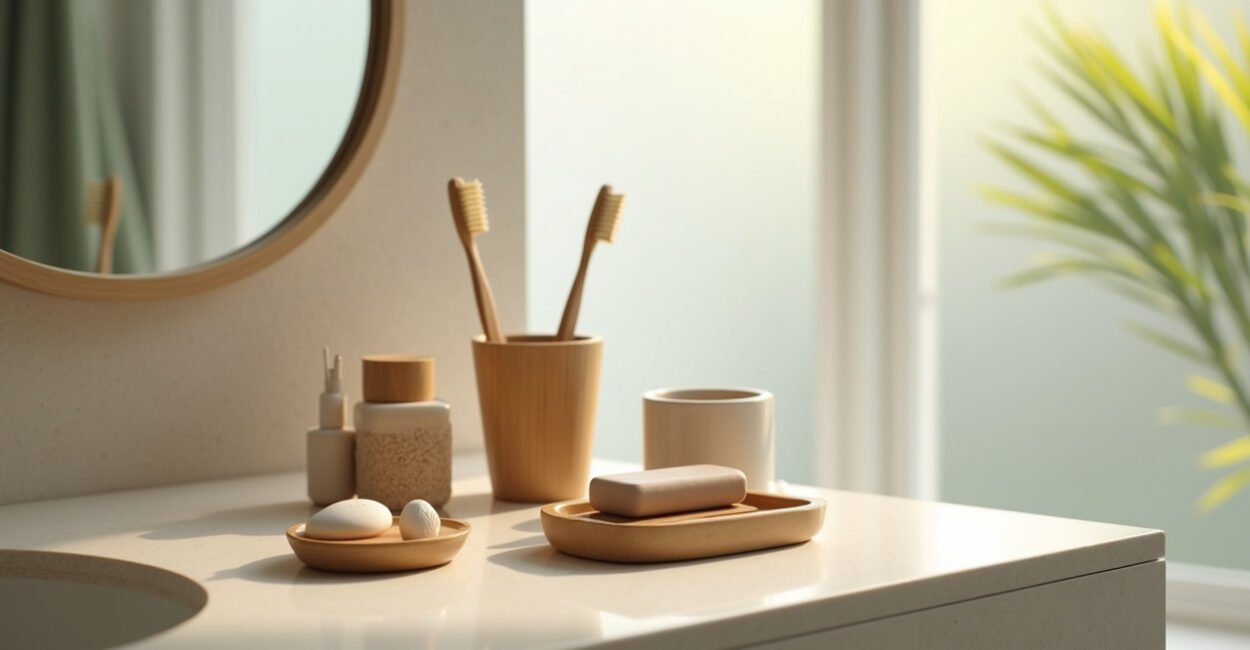
- Washable makeup remover pads instead of disposable cotton rounds
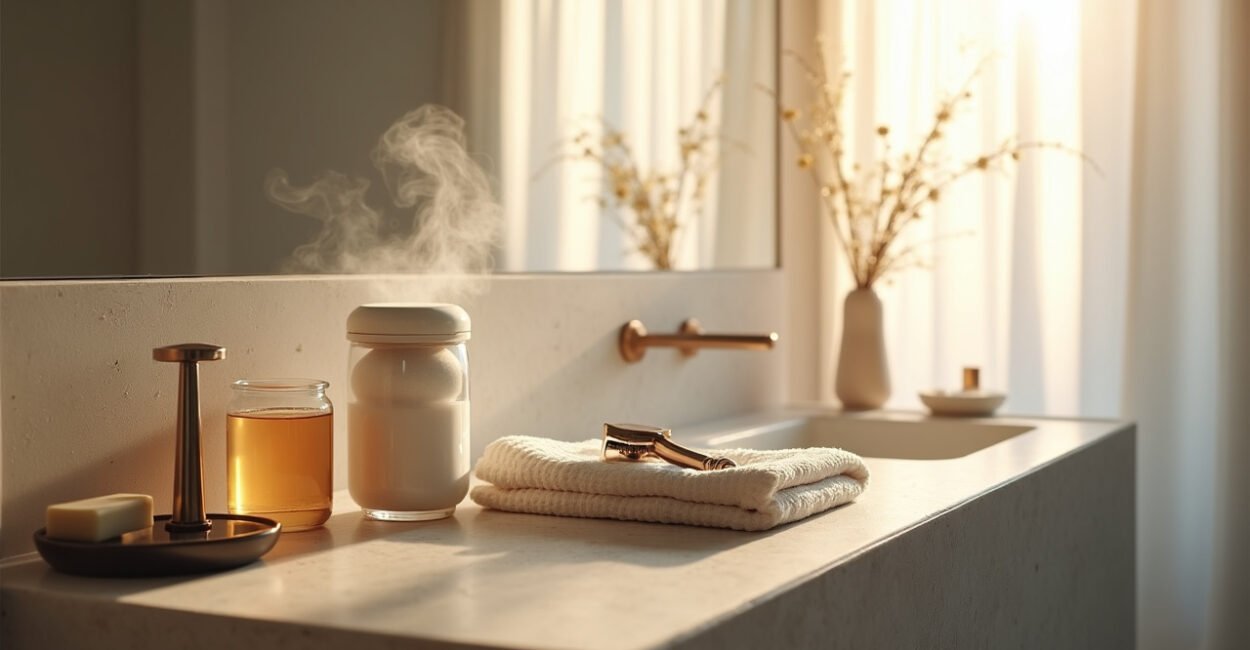
- Safety razors with replaceable blades
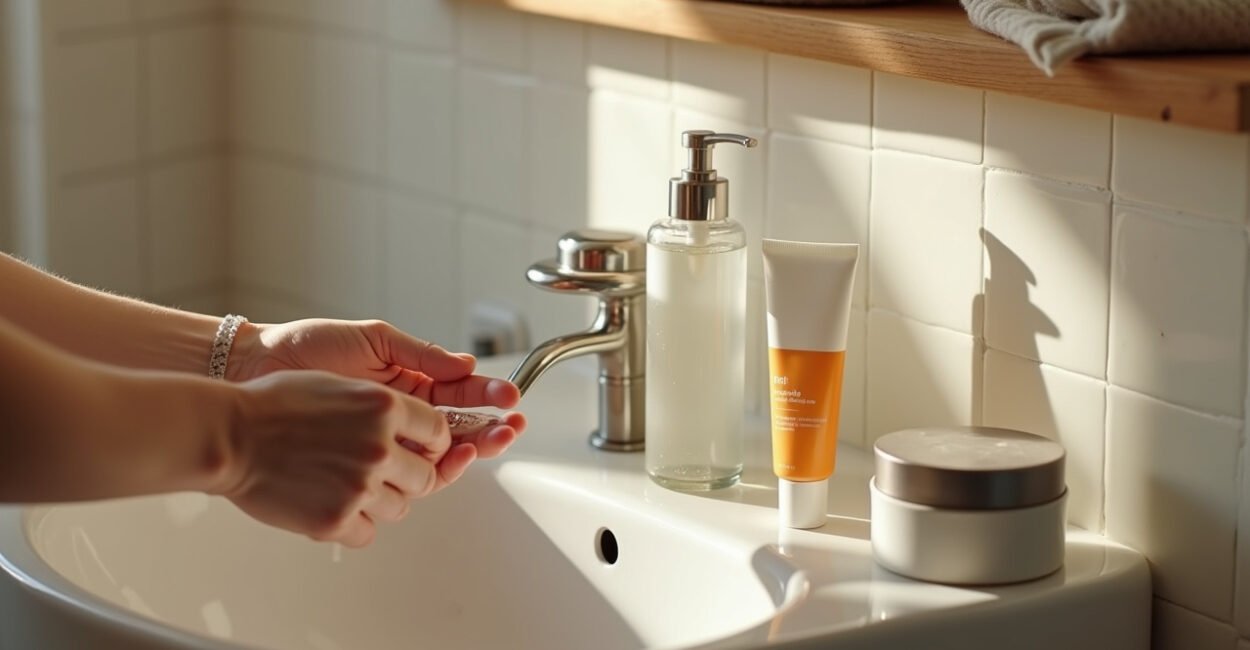
- Refillable soap dispensers for hand and dish soap
- Silicone bath brush or scrub tool if you prefer a gentler, washable option
A Realistic Mini-story from the Bathroom Cabinet
One household I worked with had a drawer full of half-used beauty tools and a constant rotation of cotton pads. They switched to six washable rounds, one safety razor, and a refillable soap bottle. Within a month, the drawer was half empty. Nothing magical happened. The routine just got shorter, and fewer things needed replacing. That’s the kind of quiet success that keeps a home system from falling apart.
How to Choose Products That Won’t End Up in a Drawer
This is where most people get it wrong. They buy for the idea of sustainability, not for the messiest part of their actual routine. If you want a reusable item to earn its place, it has to pass a few tests.
- Will I use it at least weekly? If not, skip it.
- Can it be cleaned in under two minutes? If not, you’ll avoid it.
- Does it replace something I already buy repeatedly? If not, it may just add clutter.
- Will one version last for months or years? If the answer is uncertain, the economics are weak.
Signs a Product is a Bad Fit
If it needs special soap, special drying space, or special handling every time, that’s a warning sign. Also be careful with kits that bundle too many items at once. A lot of “starter sets” look efficient online but create storage problems at home. Start with one category, use it for a month, then add the next only if the first one stuck.
There is no universal best list. Households with toddlers, roommates, allergies, tiny kitchens, or little cabinet space need different choices. That’s normal. The right product is the one that fits your constraints without demanding a new personality.
What to Buy First If You Want the Biggest Payoff
If you want the shortest path to a cleaner, more intentional routine, prioritize products that affect high-frequency tasks and are easy to wash. That means cleaning cloths, food storage, and personal care replacements usually beat decorative wellness items. The payoff is not just less waste. It’s fewer decisions, fewer restocks, and a home that runs with less effort.
The smartest move is to test one category for 2 to 4 weeks before expanding. That gives you enough time to see whether the product fits your habits or just looked good on a product page. If you’re comparing options, use the same standard every time: durability, cleanability, storage, and actual daily use. That is the difference between a useful upgrade and another unused purchase.
Next Steps
Pick one room, identify the single most disposable habit in that room, and replace it with one reusable version this week. If the swap sticks, add the next one. If it doesn’t, change the product—not the goal. For a broader benchmark on reducing household waste over time, NRDC’s waste-reduction guidance is a helpful reference for building habits that last.
Frequently Asked Questions
What Are the Best Reusable Wellness Products for a Beginner?
The best beginner-friendly options are the ones that replace habits you already do every day. Reusable cleaning cloths, silicone food bags, a good water bottle, cloth napkins, and washable face rounds are usually the easiest place to start. They are simple, low-maintenance, and useful enough to earn a permanent place in the home. If you buy only one category first, choose the one tied to the messiest daily habit.
Are Reusable Products Always Better Than Disposable Ones?
Not always. A reusable product only makes sense if you actually keep using it and cleaning it. If something is hard to wash, fragile, or rarely used, a disposable version can be more practical in the short term. The better question is whether the reusable option reduces total waste and friction over time. That is where the real value shows up.
Which Materials Are Safest for Food-related Reuse?
For most home kitchens, food-grade silicone, glass, and stainless steel are the most dependable choices. They are nonporous, durable, and easy to clean when used correctly. Glass is excellent for storage but heavier and breakable, while stainless steel is strong but not microwave-safe. Always check whether the product is labeled for food contact and whether it can handle heat, acid, or repeated washing.
How Do I Keep Reusable Wellness Products from Becoming Clutter?
Buy fewer items and assign each one a clear job. Clutter happens when people buy “sets” without knowing where they will live or how often they will be used. Keep one backup only if the item gets washed often, such as cloths or pads. Everything else should earn its place through regular use. If it does not solve a repeat problem, it probably does not deserve storage space.
What is the Biggest Mistake People Make When Buying These Products?
The biggest mistake is choosing based on aesthetics or trendiness instead of routine fit. A product can look sustainable and still fail if it takes too long to clean or does not match the way your household actually functions. Another common mistake is buying too many replacements at once. Start with one change, see whether it sticks, and only then expand. That approach keeps the system usable instead of aspirational.