Skip to content

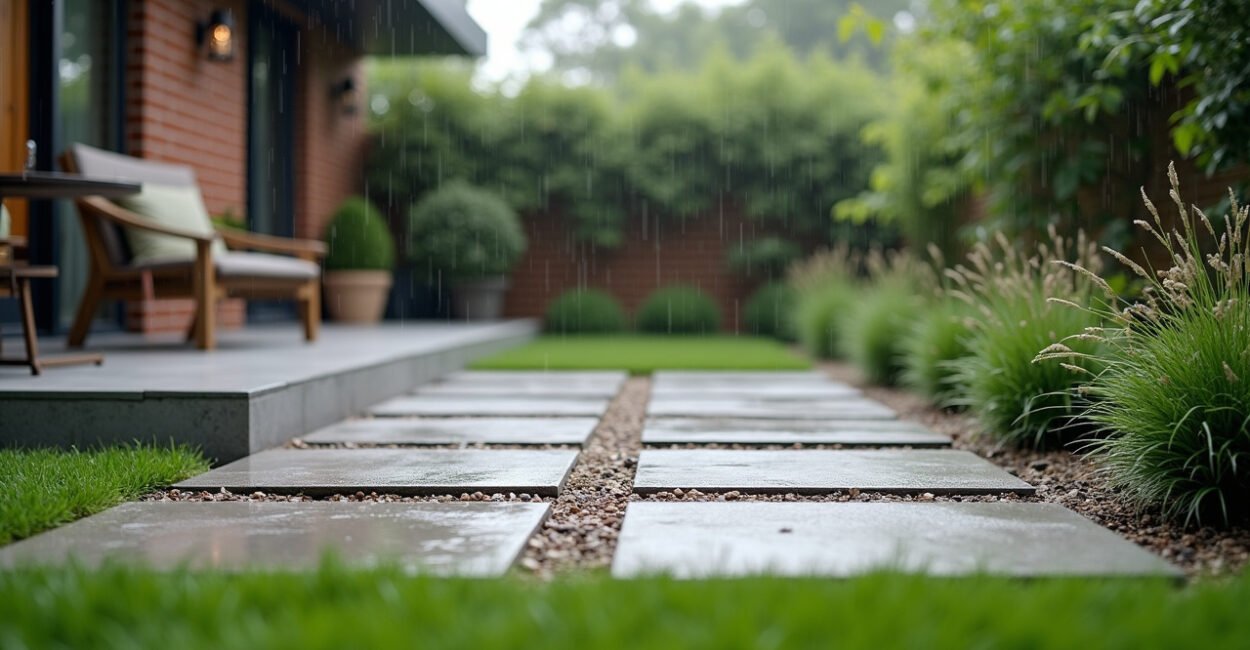
A small yard can feel twice as tight after the first heavy rain if water has nowhere to go. That is exactly why permeable patio ideas for small yards matter: they let rain soak through the patio surface or drain between components instead of pooling on top, which helps protect roots, reduce runoff, and keep the space usable faster after storms.
The technical term here is permeable paving—a surface system designed to let water pass through the joints, voids, or structure below. In plain English, it is a patio that looks finished but behaves like a sponge. The challenge in compact yards is not whether permeability works; it is choosing materials, patterns, and base layers that fit the scale of the space without making it look busy or patchwork.
O Que Você Precisa Saber
- In a small yard, the best permeable patios usually rely on fewer materials, wider visual lines, and a drainage base that does most of the work below grade.
- Permeable pavers, gravel with stabilizers, and spaced flagstone are the most practical options when you want water management without losing style.
- A patio can be permeable and still feel polished if you control the joint size, edge restraint, and furniture footprint.
- Soil type changes the outcome: fast-draining soil gives you more flexibility, while clay-heavy yards need more careful base design and sometimes an overflow path.
- The smartest layout for a compact patio is usually one that doubles as circulation space, so every square foot earns its keep.
Permeable Patio Ideas for Small Yards That Actually Work in Tight Spaces
The best small-yard patios are not the most elaborate ones. They are the ones that handle water, movement, and maintenance without wasting a single inch. In practice, that usually means choosing a surface with visible texture but controlled geometry, because tight spaces can look chaotic fast if you mix too many tones or shapes.
Permeable Pavers with Clean Lines
Permeable interlocking concrete pavers are a strong choice when you want a finished look. Their joints are filled with crushed aggregate, which lets water pass through while keeping the surface stable. For small yards, rectangular units in a simple running bond or stacked pattern usually feel calmer than complex layouts.
Gravel Patios with Stabilizing Grid Systems
Loose gravel works in compact spaces only when it is contained. A cellular confinement grid or gravel stabilizer helps prevent migration, so the surface stays flatter and easier to walk on. This option is often cheaper than hard pavers and can be very attractive, but it needs edging and regular top-ups.
Spaced Flagstone over Open Aggregate
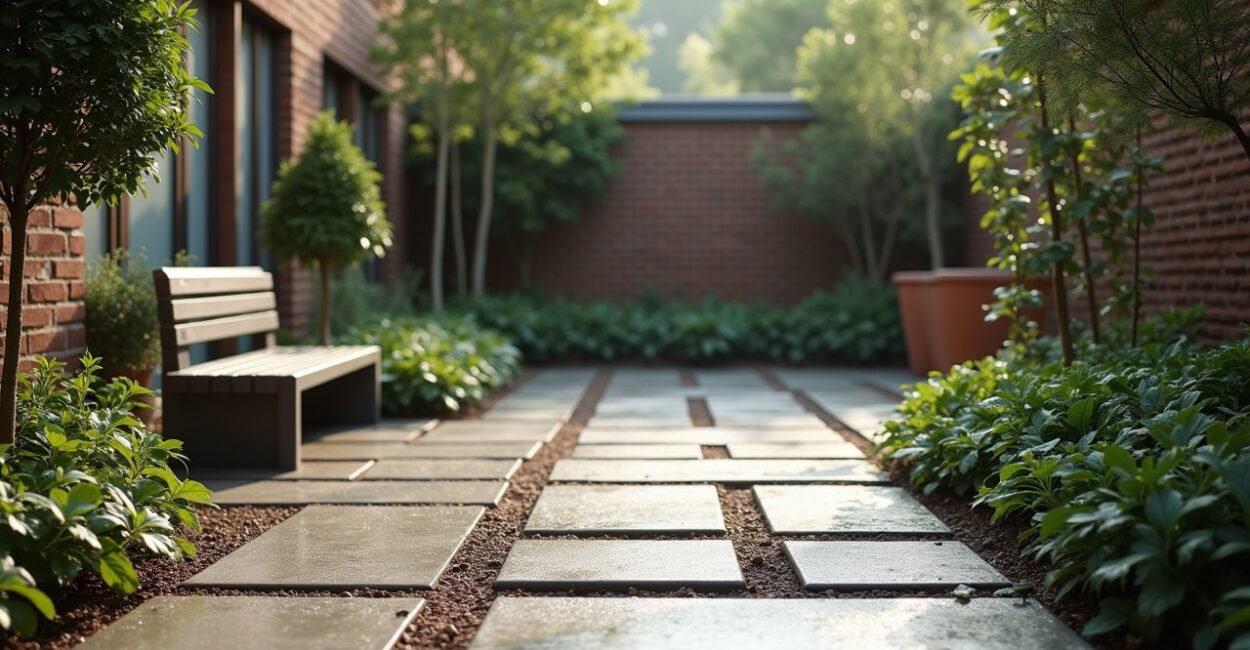
Flagstone set with wider joints and open aggregate between stones gives you a softer, garden-like look. It fits small yards well when you want a patio that feels less rigid. The tradeoff is maintenance: if the stones are too small or too irregular, the area can start to read as a path rather than a usable patio.
The difference between a stylish permeable patio and a messy one is usually not the surface material—it is how disciplined the layout is.
If you want a practical reference point for stormwater-friendly design, the U.S. EPA’s Soak Up the Rain program explains why keeping water on-site matters, especially in paved residential areas. That advice applies even more in small yards, where one bad hardscape choice can create a runoff problem quickly.
Base Layers, Drainage, and the Part Most People Skimp On
Permeability is not just about what you see on top. The real performance comes from the base, sub-base, and the path water takes once it gets through the surface. A patio can look “pervious” and still fail if the layers below are too compacted or the slope sends water to the wrong place.
What the Base Needs to Do
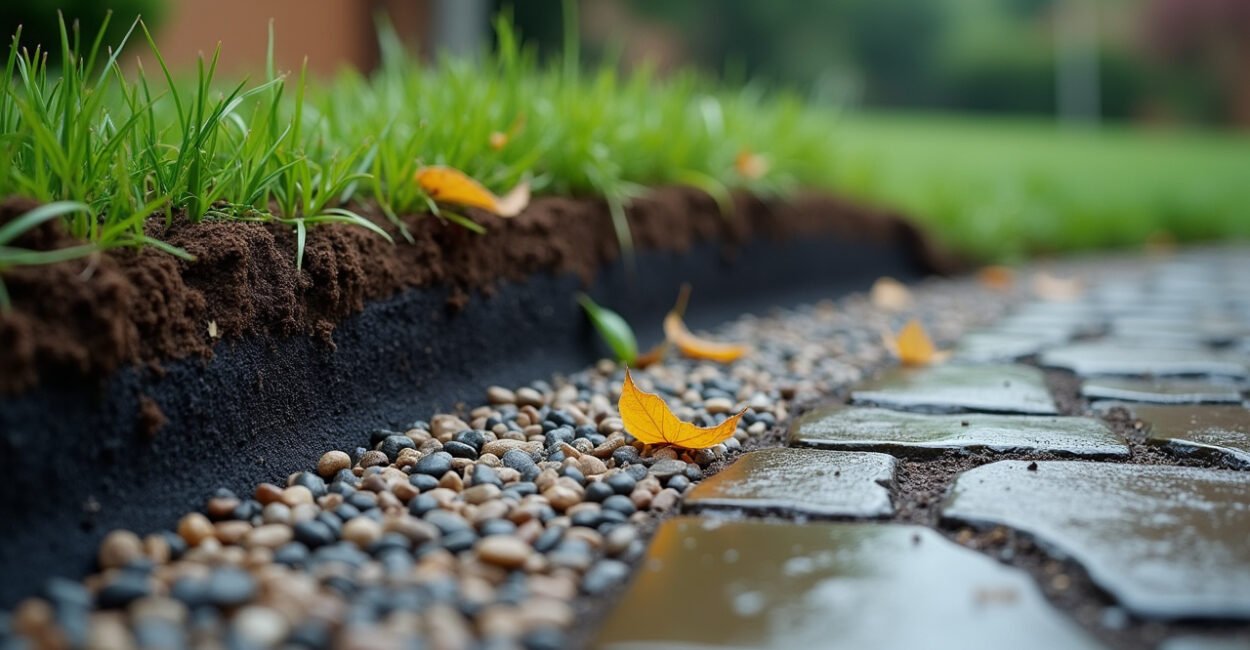
A permeable patio base typically uses open-graded stone, not dense sand or tightly packed fill. The structure should create void space so water can move downward and then disperse or infiltrate into the soil beneath. If you are working with heavy clay, you may need a deeper stone reservoir or an underdrain to prevent saturation.
Why Slope Still Matters
People sometimes assume permeable means “no grading needed.” That is false. You still need a subtle slope for surface comfort and to steer overflow away from the house. The goal is not to eliminate drainage design; it is to control where excess water goes when the ground is already wet.
Soil Type Changes the Whole Plan
Fast-draining sandy soil can handle a simpler build-up. Clay soils, by contrast, absorb slowly and can create standing water under the patio if the system is undersized. If the yard stays soggy for hours after rain, that is a signal to check percolation conditions before choosing a material.
For soil and site guidance, the USDA Natural Resources Conservation Service is a useful starting point because it explains soil behavior, infiltration, and landscape conditions in a way that is directly relevant to residential hardscapes.

Material Choices That Make Small Patios Feel Larger
In a compact yard, material choice affects both drainage and perceived scale. Dark, busy surfaces can make a patio feel smaller, while lighter tones and simple joints create visual breathing room. The trick is to avoid a “parking lot” look while still keeping the surface permeable.
| Material | Best For | Main Tradeoff |
|---|---|---|
| Permeable pavers | Clean, modern patios with regular use | Higher upfront cost |
| Decomposed granite | Casual, soft-edged spaces | Needs edging and occasional raking |
| Pea gravel with stabilizer | Low-cost drainage-friendly zones | Can scatter without good containment |
| Flagstone with permeable joints | Naturalistic patios and garden settings | More labor and more layout skill required |
Choose Fewer Finishes, Not More
Small yards benefit from restraint. A single main paving material, one edging type, and one consistent joint color usually beat a mix of three or four finishes. Too many surface changes break up the yard and make it feel even narrower than it is.
Use Light Reflectance Wisely
Light-colored pavers can brighten a shaded patio and make the space feel more open. That said, very pale stone may show dirt and leaf stains faster. If your yard sits under trees, a mid-tone material often ages better than bright white or deep charcoal.
In a small yard, the most effective design move is often subtractive: remove visual clutter, then let the drainage surface do its work quietly.
Architectural and landscape guidance from university extensions is especially helpful here. The Penn State Extension has practical material and stormwater resources that reinforce the same idea: good performance depends on the full system, not just the top layer.
Layouts That Save Space Without Sacrificing Comfort
Small yards punish wasted circulation. If the patio layout is too fragmented, you end up with dead corners that collect debris and serve no real function. A better plan is to shape the patio around how people actually move: door to chair, chair to grill, chair to gate, and so on.
One Main Pad, Not Multiple Tiny Zones
A single well-proportioned patio pad usually works better than several disconnected pockets. Multiple surfaces create seams, and seams make small yards feel chopped up. If you need separate functions, use furniture placement and planting to define them instead of hard dividing lines.
Curves Only When They Earn Their Place
Curved edges can soften a tight yard, but they also consume square footage. In many small spaces, straight or gently tapered edges are the smarter choice because they preserve usable area and simplify installation. Curves are best when you are trying to avoid a rigid view from inside the house.
Let the Edge Do Double Duty
Edge restraint is not just a construction detail. It can also define the room. Low steel edging, brick borders, or discreet stone bands keep gravel and pavers in place while visually framing the patio. That framing makes the yard feel intentional instead of improvised.
Vi casos in which a homeowner tried to “save space” by making the patio too narrow for furniture legs and foot traffic at the same time. The result looked tidy on paper but awkward in use. A compact patio needs to fit real movement, not just a ruler.
Planting, Borders, and the Soft Edges That Improve Drainage
Permeable hardscape performs best when it is supported by planting that can absorb splashes, soften edges, and handle overflow. The border area around a patio is not decorative filler. It is where runoff slows down and where the whole composition starts to feel complete.
Rain Garden Margins
If the patio sits slightly downhill from part of the yard, a shallow rain garden or infiltration strip can catch overflow. Native grasses, sedges, and other deep-rooted plants help stabilize soil and improve water uptake. This is one of the best ways to make a small yard feel designed rather than merely paved.
Low Planting Beds Beat Tall Borders
Tall shrubs can crowd a compact patio and block light. Low beds keep views open while still creating a clean transition from hard surface to living landscape. The best border planting usually looks simple at first glance and does a lot of hidden work during storms.
Mulch, Rock, and Where Each One Belongs
Mulch can migrate onto patio surfaces if it sits too close to joints or footpaths. Decorative rock resists washout better, but it can heat up and feel harsh near seating areas. Use each material where it makes sense, not where it merely looks good in a photo.
Maintenance Rules That Keep Permeability Working
A permeable patio is low-maintenance, not no-maintenance. The joints need to stay open, the surface needs to stay clear, and the drainage path needs to remain functional. Neglect does not usually cause dramatic failure overnight; it causes slow clogging that people notice only after the first backed-up storm.
- Vacuum or sweep debris before it settles into joints.
- Top up joint aggregate after the first season if needed.
- Keep soil, mulch, and compost away from the patio edge.
- Watch for ponding after storms; it is the earliest warning sign.
- Inspect edging yearly so materials do not migrate.
That last point matters more than most people think. If joints clog with fines from nearby beds, permeability drops fast. A patio can still look perfect while losing performance underneath, so periodic cleaning is not cosmetic—it is part of the drainage system.
When a Permeable Patio is Not the Right Answer
Not every small yard is a good candidate for a fully permeable surface. If the soil drains poorly, the patio sits over utility constraints, or the site has severe grade issues, a permeable finish alone will not solve the problem. Sometimes the right answer is a hybrid: partial permeable paving, a narrow overflow route, and targeted drainage work.
There is also a design limit. If your patio needs heavy dining furniture, a grill, and high foot traffic, very loose surfaces like untreated gravel may frustrate you. That is where disagreement often shows up among designers. Some favor maximum infiltration; others prioritize day-to-day usability. Both are right in different conditions. The best choice depends on how the space will actually be used.
Permeable paving is not a universal fix; it works best when the soil, slope, and daily use of the yard all point in the same direction.
O Que Fazer Agora
The smartest next step is to test the yard before you choose the finish. Check how long water stands after rain, identify where runoff comes from, and note how much flat area you truly have for furniture and movement. Once those three things are clear, the material choice gets much easier.
If you are narrowing the options, compare them against one question: will this surface still look good after a storm and still feel comfortable after a season of use? That filter eliminates most bad ideas fast. Then build from the ground up, not from the top down.
FAQs
What is the Best Permeable Patio Material for a Small Yard?
Permeable interlocking pavers are usually the best all-around choice because they balance drainage, stability, and a clean finished look. If budget is tighter or you want a softer style, stabilized gravel or spaced flagstone can work well too. The right answer depends on how much foot traffic the patio gets and how carefully you want to control the final appearance. In small yards, simple layouts often outperform decorative complexity.
Does a Permeable Patio Need a Special Base?
Yes. The base is the part that makes the patio actually permeable, not just the surface materials. Most systems use open-graded stone so water can move through and temporarily store below the surface. If the base is too dense or compacted, water may still pool on top even if the patio looks “drainage-friendly.” Good installation matters as much as the product you choose.
Can I Use Gravel for a Small Patio Without It Looking Messy?
Yes, but only if you control the edges and stabilize the surface. A grid system, solid edging, and consistent gravel size make a big difference in how polished the patio feels. Without those details, gravel tends to migrate into planting beds and walkways. For a small yard, containment is the difference between intentional and sloppy.
Will a Permeable Patio Work in Clay Soil?
It can, but clay soil makes the design more sensitive. Because clay drains slowly, the patio may need a deeper stone reservoir or an underdrain to move excess water safely. If the site already stays soggy after rain, do not assume any permeable surface will fix it by itself. The soil conditions have to support the system, or the system needs to be adjusted.
How Do I Keep a Permeable Patio from Clogging?
Keep leaves, soil, and mulch off the surface as much as possible, and sweep or vacuum the patio regularly. Joint aggregate may need topping up after the first season, especially if the patio gets heavy use. The biggest clogging risk often comes from nearby garden beds that shed fines into the joints. A little routine maintenance keeps the drainage function working far longer.