Skip to content

The most affordable self-care routine is often the one that wastes less. A smart, eco-friendly self-care routine on a budget usually costs less than a shelf full of “clean” products, because you buy fewer items, use them more fully, and avoid paying for packaging you throw away.
That matters for two reasons: your wallet and your routine. When self-care gets expensive, people either overspend or quit. The better path is to build a small set of reusable, low-waste habits that still feel restorative. In practical terms, that means choosing products and rituals that do double duty, last longer, and fit your real life—not a Pinterest version of it.
What You Need to Know
- Eco-friendly self-care is not about buying more “green” products; it is about reducing waste while simplifying the routine.
- The cheapest sustainable swaps are often reusable basics like cotton rounds, refillable bottles, bar soap, and concentrated products.
- Packaging, overbuying, and impulse upgrades are usually what make self-care expensive, not the core routine itself.
- Good budgeting for self-care starts with a short inventory of what you already own, then replaces only what gets used up.
- Some sustainable products are worth the price, but a higher price tag does not automatically mean lower waste or better performance.
Eco-Friendly Self-Care on a Budget: The Routine That Saves Money and Waste
Technically, eco-friendly self-care means choosing personal care habits and products that reduce environmental impact across the full lifecycle: sourcing, packaging, use, and disposal. In plain English, that means fewer throwaway items, fewer unnecessary ingredients, and fewer purchases that end up half-used in a bathroom drawer.
Why the Budget Part Actually Matters
Budget and sustainability are often treated like trade-offs, but they do not have to be. If you replace a stack of disposable cotton pads with washable rounds, or buy one body oil that also works as a shaving aid, you cut repeat purchases. The real cost of self-care is not the single bottle on the receipt; it is the pattern of buying the same thing over and over because it was cheap, convenient, or trendy.
What separates sustainable self-care from expensive greenwashing is not the label — it is whether the product reduces waste, lasts long enough to justify the purchase, and actually replaces something you already use.
That is why a budget-friendly approach works best when it focuses on systems, not aesthetics. A refillable bottle system beats a one-off “eco” splurge. A solid cleanser in a cardboard box can be better than a boutique liquid wash if it lasts longer and ships lighter. The point is not to be perfect; it is to stop paying extra for habits that create more trash.
Start with What You Already Own
The Fastest Way to Lower Cost and Waste
Before you buy anything, take a 10-minute inventory of your bathroom, vanity, and medicine cabinet. Pull out duplicate items, half-used products, and expired basics. In real life, people often discover they already own enough cleanser, moisturizer, lip balm, and masks to last weeks.
I have seen this play out many times: someone wants a “fresh start,” buys a full new routine, and then the old products sit untouched until they expire. That is not self-care; that is inventory neglect. The greener move is to use what you have, finish open products, and replace only what actually fits your skin, hair, or daily rhythm.
Use-Up Rules That Work
- Keep one active version of each staple: cleanser, moisturizer, body wash, and hair care.
- Set a “replace when empty” rule for basics you already know you like.
- Pause all new purchases for 2 to 4 weeks unless something is truly unusable.
This is where budget self-care gets surprisingly elegant. When your routine is smaller, every item earns its place. You start noticing how much product you were wasting before just by switching too early.

Buy Once, Refill Smartly, and Skip the Throwaway Packaging
Refills, Bars, and Concentrates Beat Fussy Extras
Refillable containers, bar soap, shampoo bars, and concentrates often cost more upfront but less over time. They reduce shipping weight, cardboard, and plastic, which is why they show up so often in low-waste shopping guides from organizations like the U.S. Environmental Protection Agency’s recycling resources. The key is to compare price per use, not just sticker price.
For example, a concentrated body wash refill can last longer than two decorative pumps in a fancy bottle. A single glass jar may outlive ten plastic minis if you keep refilling it with products you already know you finish. The swap only works if the packaging is durable and the product formula suits you; a “sustainable” item that irritates your skin or leaks in a bag is not a good buy.
| Swap | Why It Saves Money | Why It Cuts Waste |
|---|---|---|
| Bar soap instead of liquid soap | Usually lower cost per wash | Less plastic and less water shipped |
| Refill pouches instead of new bottles | Lower packaging cost | Fewer rigid containers |
| Reusable cotton rounds instead of disposables | One-time purchase, long life | Less daily trash |
| Solid moisturizer or balm instead of mini jars | Often lasts longer | Less mixed-material packaging |
Where This Advice Can Fail
Refills are not always the best answer. If your household shares products heavily, if you travel constantly, or if you have very specific skin sensitivities, the cheapest sustainable option may be a standard product in a format you can actually use consistently. The goal is lower waste over time, not rigid loyalty to one packaging style.
Reusable products save money only when you keep using them; if they sit in a drawer because they are inconvenient, the “eco” choice becomes a sunk cost.
Choose Multipurpose Products That Feel Good to Use
One Product, Several Jobs
Multipurpose products are the backbone of affordable self-care because they reduce both clutter and duplication. A good oil can function as body moisturizer, shave prep, and cuticle care. A plain fragrance-free balm can handle lips, dry patches, and rough elbows. A gentle castile soap can sometimes replace separate hand, body, and cleaning products, though not always for every skin type.
That said, there is a line between smart multipurpose use and false economy. A product that does three jobs badly is not efficient. The best multipurpose items are the ones you use up completely because they fit your routine without friction. The National Institute of Environmental Health Sciences has long emphasized that simpler formulas can matter for people with sensitive skin, which is one reason fragrance-free basics often outperform fancy “natural” blends.
Good Budget-Friendly Staples
- Fragrance-free moisturizer in a pump or tube
- Petroleum jelly or a simple balm for sealing dry skin
- Unscented bar soap for hands and body
- Reusable cotton cloths or rounds
- Basic hair oil or lightweight body oil in a small bottle
Choosing fewer products does not make the routine boring. It makes it easier to keep up. And when you actually finish what you buy, the unit cost drops in a way most “luxury” routines never do.
Shop Secondhand, Local, and Seasonal When It Makes Sense
Not Everything Has to Be Bought New
Some self-care items make sense secondhand or locally sourced, especially storage pieces, mirrors, trays, baskets, and even unopened gift sets from trusted resale platforms. For example, a small glass jar, a ceramic soap dish, or a linen towel set can often be found used in excellent condition. This is where the house-and-decor side of self-care matters: a calmer bathroom setup often helps people stick with a routine.
For broader guidance on lower-waste consumer habits, the FTC Green Guides are a useful reference for spotting claims that sound eco-friendly but lack substance. If a label leans hard on vague words like “natural,” “pure,” or “clean,” check whether the product actually gives you a better material or packaging outcome.
A Small Story from Real Life
A friend once replaced an entire skincare shelf in one weekend because a social media routine looked calm and expensive. Three months later, half of it was unused, and the packaging alone filled a grocery bag. She switched to one cleanser, one moisturizer, one balm, and reusable cloths. The routine looked less glamorous, but the bathroom felt clearer, the trash dropped fast, and she stopped rebuying products she barely liked.
Make Your Bathroom Set-Up Work for the Planet and Your Wallet
Small Design Changes Reduce Waste
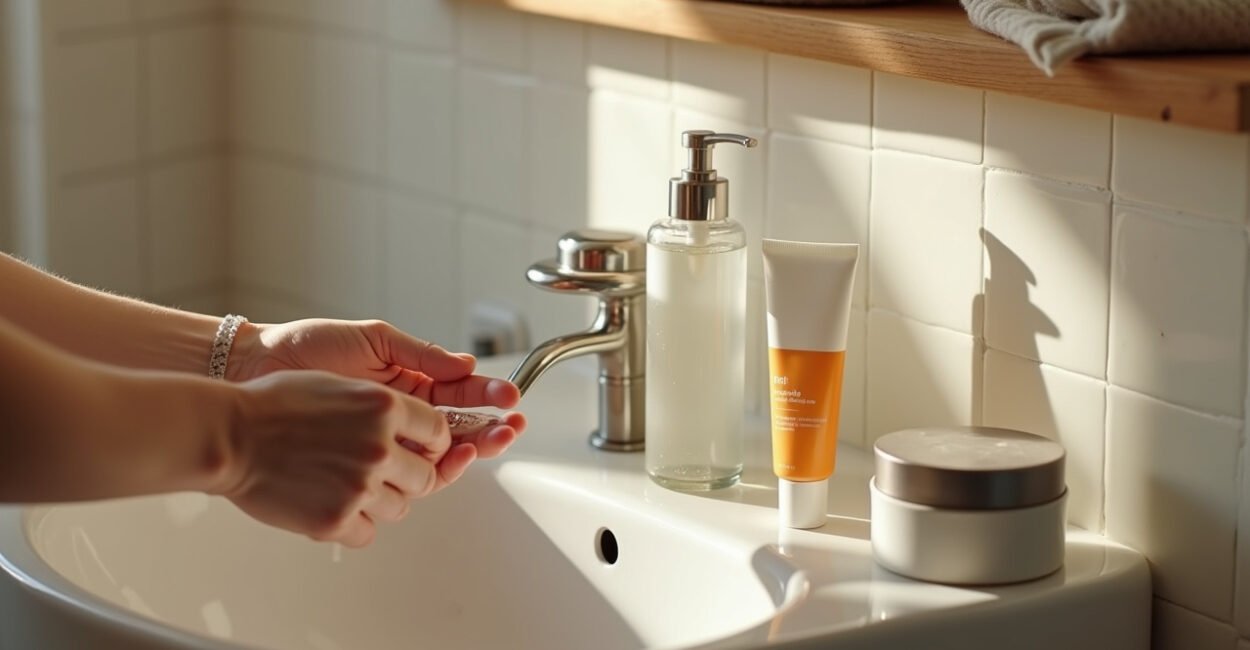
A good bathroom setup lowers friction. When the items you use every day are visible, easy to reach, and stored in the right size container, you waste less and buy less. This is one reason minimal dispensers, labeled jars, and simple shelves matter more than people think. If a product is hidden or awkward to use, you tend to overbuy as backup.
Keep only the essentials on display. Use one tray for daily items, one bin for backups, and one drawer for overflow. That structure helps you avoid duplicate purchases, and it makes empty containers easier to refill instead of replace. The psychology is practical: when the setup feels orderly, you feel less tempted to “reset” it with new stuff.
Low-Cost Upgrades That Improve the Routine
- Switch to a washable hand towel instead of single-use wipes.
- Use a soap dish that drains well so bars last longer.
- Keep refill containers in one place to avoid accidental duplicates.
- Store backup products by category, not in a pile.
Know Which Sustainable Swaps Are Worth Paying For
Price Per Use Beats Price Per Bottle
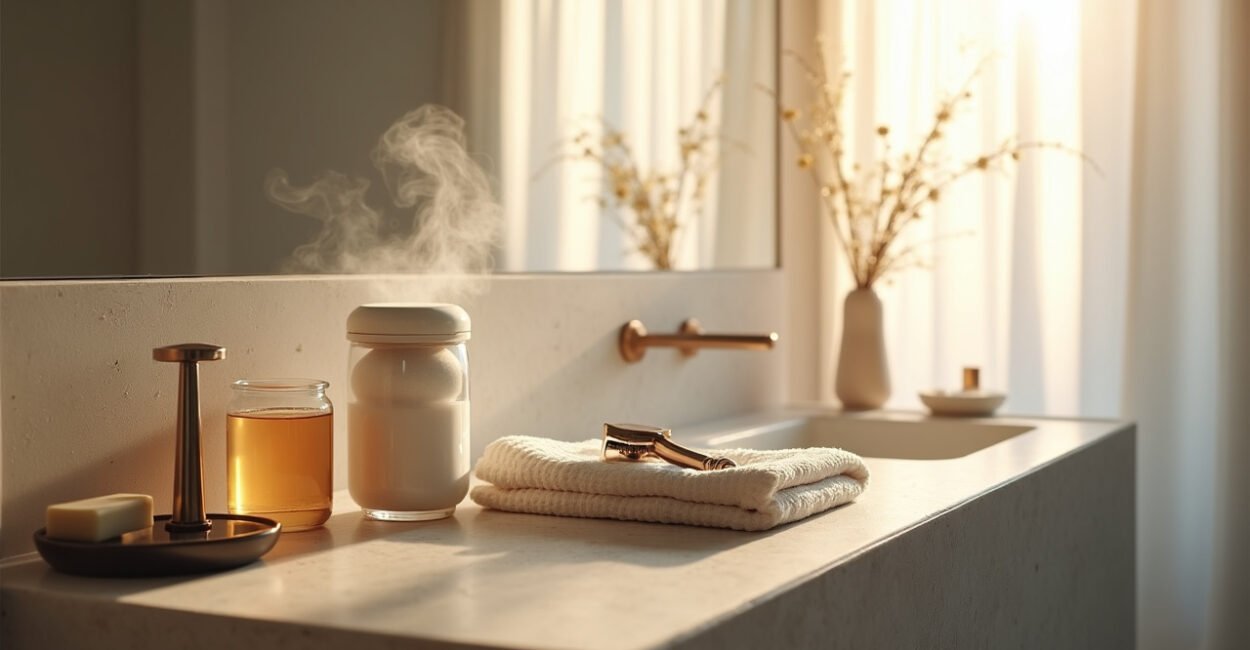
Some eco-friendly products are worth the higher upfront cost, but only if they last, work well, and replace several purchases. A durable safety razor, for example, can save money over disposable cartridges after repeated use. A well-made bamboo toothbrush is not magic, but it can fit a lower-waste routine if it is used fully and replaced on schedule.
For broader evidence on waste reduction and material recovery, the EPA’s Sustainable Materials Management program is a strong starting point. It frames the issue the right way: better consumption is not about one heroic product. It is about reducing total material throughput.
| Worth Paying More For | Usually Why | Watch Out For |
|---|---|---|
| Safety razor | Long service life, low waste | Cheap handles that rust or slip |
| Refillable deodorant case | Less repeated packaging | Refills that are overpriced for the amount |
| Quality reusable cloths | Can be washed many times | Thin fabric that falls apart quickly |
| One excellent moisturizer | Prevents overbuying replacements | Overhyped “clean” branding without performance |
This is the part where discipline matters. You do not need to buy the cheapest version of everything, and you do not need to buy the most sustainable-looking version either. Buy the item that you will use fully, reuse properly, and not replace in two months.
Build a Budget Routine You Can Actually Keep
A Simple Monthly Reset
The easiest way to keep a low-waste routine alive is to treat it like maintenance, not a makeover. Once a month, check what you are finishing, what you are not using, and what actually needs replacing. That one habit prevents duplicate purchases better than any list of “must-have” green products.
A practical budget routine often looks like this: one cleanser, one moisturizer, one body wash or bar soap, one multipurpose balm, one reusable cloth system, and one small storage setup. That is enough for most people. Add only what solves a real problem, such as sunscreen for daily wear or a specific scalp treatment for dandruff.
The cheapest sustainable routine is the one that gets used all the way to empty before anything new enters the bathroom.
If you want the biggest payoff, track your spending for one month and compare it to the amount of packaging you throw away. That simple audit usually makes the waste visible fast. It also reveals where convenience costs more than you realized.
Próximos Passos
Start with a one-week pause on nonessential beauty purchases, then build from what you already own. Replace the habits that create clutter first: disposable cotton pads, duplicate moisturizers, sample-size overflow, and products bought for aspiration instead of use. The smarter move is not to shop your way into a greener routine. It is to design one that stays affordable because it is smaller, sturdier, and easier to finish.
Pick one swap to implement this week, then measure whether it actually reduced spending and trash. If it did, keep it. If it did not, change the format—not the goal. That is how an eco-friendly self-care routine on a budget becomes a habit instead of a project.
FAQ
What is the Cheapest Way to Make Self-care More Eco-friendly?
The cheapest method is to use what you already own, then replace disposable items with reusable ones only when they wear out. Washable cotton rounds, bar soap, and refillable containers usually deliver the fastest savings. The key is to stop buying duplicates before you start chasing new “green” products. Waste drops fastest when the routine gets smaller, not when the packaging gets prettier.
Are Expensive Clean Beauty Products Worth It?
Sometimes, but not automatically. A higher price can be worth it if the product lasts longer, works better for your skin, or replaces multiple items. What matters is price per use, not prestige branding. If a product is expensive and still sits half-used on your shelf, it is not a good buy, no matter how sustainable the marketing sounds.
Which Eco-friendly Swaps Save the Most Money over Time?
Reusable cotton rounds, safety razors, bar soap, and refill systems usually offer the best long-term savings. These swaps cut repeat purchases and reduce packaging waste at the same time. The best results come when the replacement is easy to use every day. If the swap feels fussy, it tends to get abandoned, which kills the savings.
How Do I Know If a Product is Actually Sustainable?
Look beyond vague terms like “natural” or “clean” and check the packaging, refill options, durability, and ingredient simplicity. A truly sustainable product should reduce waste in a measurable way, not just sound environmentally friendly. Third-party guidance, such as the FTC Green Guides, can help you spot misleading claims. If the product cannot explain its benefit clearly, treat it cautiously.
Can a Low-waste Self-care Routine Still Feel Luxurious?
Yes, if you focus on texture, scent, storage, and consistency instead of volume. A soft towel, a good moisturizer, a clean soap dish, and a tidy setup can feel more restorative than a crowded shelf. Luxury in this context comes from ease and reliability. When the routine is calm and efficient, it feels better to maintain and costs less to keep going.