Skip to content

Small spaces do not need big spending to look pulled together. In fact, budget-friendly home decor on a small budget works best when every purchase has a job: adding scale, texture, light, or visual calm instead of just filling space.
The trick is not buying “cheap” things. It is choosing the right mix of color, layout, and a few high-impact swaps so the room looks intentional. Below, you will find practical room-by-room ideas, the cheapest places to make the biggest visual difference, and the mistakes that waste money fast.
What Matters Most
- Decor looks expensive when the room has a clear color story, not when every item is pricey.
- The fastest upgrades are lighting, textiles, wall art, and one or two larger anchor pieces.
- Thrift stores, Facebook Marketplace, and IKEA-style basics beat one-off novelty decor for value.
- Good styling depends more on spacing, grouping, and scale than on matching sets.
- Cheap decor fails when it is bought to “fill a gap” instead of solving a visible design problem.
Budget-Friendly Home Decor on a Small Budget Starts with a Plan
Formally, budget decorating means allocating limited money to the visible surfaces and focal points that shape a room’s first impression. In plain English: spend where people actually look first, and ignore the urge to decorate every empty corner.
That sounds obvious, but in practice most people spend backward. They buy little objects before they fix lighting, window treatments, or the proportions of a room. The result is clutter, not style. A better starting point is to decide the room’s purpose, then choose a dominant color palette, one texture family, and a maximum of two or three statement areas.
What separates a room that looks styled from a room that looks crowded is not the amount of decor — it is whether every item supports the same visual story.
Use a “visual Budget,” Not Just a Dollar Budget
Think in layers: floor, walls, furniture, textiles, and accents. If your money is tight, spend most of it on the layers that stay in view all day. A well-made rug or a pair of curtains often does more for a room than a dozen small accessories.
Start by Removing, Not Adding
Before you shop, clear out anything that is redundant, too small, too shiny, or off-theme. A room often improves more from subtraction than from purchase. That reset also makes it easier to see the real gaps, which keeps you from buying filler pieces you will regret later.
For a practical framing of home organization and safe indoor planning, the EPA’s indoor air quality guidance is useful when you are choosing paints, finishes, and materials for heavily used rooms.
Pick a Color Story That Makes Cheap Pieces Look Intentional
A color story is the repeating set of colors that ties the room together. It usually includes one main neutral, one supporting tone, and one accent. When that system is consistent, low-cost items read as coordinated rather than random.
Keep the Palette Narrow
Three to five total colors is enough for most rooms. If your space already has warm wood, for example, lean into cream, taupe, black, and one muted accent like olive or rust. If you mix too many hues, the room starts looking assembled from leftovers.
Use Contrast on Purpose
Contrast is one of the cheapest styling tools available. A dark frame on a light wall, a pale pillow on a deep sofa, or a woven basket against a smooth cabinet adds definition without adding clutter. That definition is what people often read as “expensive.”
Color does not cost extra, but bad color choices make a room look cheaper than it is.
Match Undertones, Not Just Names
“Beige” and “white” are not automatically compatible. Cool whites clash with yellow-beige, and gray can fight warm wood if the undertones are mismatched. This is one of those areas where the rule fails: if the room has strong natural light, a mismatch may be less noticeable, but in low light it becomes obvious fast.

Choose Affordable Anchor Pieces Before the Small Decor
The best rooms usually have one or two anchor pieces that carry the visual weight. That might be a rug, a sofa, a bed frame, a bookshelf, or a dining table. If those items are weak, the room needs far more decor to feel finished.
Whoever works with interiors knows this: accessories do not rescue a weak base. They only sharpen a good one. That is why secondhand furniture can be such a smart move. A solid wood dresser from the resale market or a simple IKEA-style shelf often gives you more structure than a pile of decorative objects ever will.
Buy for Shape First
Look for clean lines, good proportions, and legs or edges that keep the piece from feeling heavy. A bulky item in a small room can eat the space visually, even if it was inexpensive. A lighter silhouette usually helps the room breathe.
Secondhand is Strongest for Larger Items
Thrift stores, estate sales, and Marketplace listings are ideal for tables, storage pieces, mirrors, and frames. You are less likely to care about tiny scuffs on a dresser than on a throw pillow, and that makes used furniture a better value than used soft goods.
Replace, Don’t Replicate
If a cheap piece looks flimsy, do not surround it with more cheap pieces. Replace the one item that carries the most visual weight. That single decision usually improves the room faster than spreading the same money across smaller decor.
Mini-story: I once saw a small rental living room transformed with three purchases: a neutral 5×8 rug, one oversized lamp, and a mirror from a thrift shop. The owner had planned to buy five or six smaller decorations first. Instead, those three items made the room feel taller, brighter, and finished.
Use Textiles to Add Warmth Without Overspending
Textiles are the easiest way to change the mood of a room because they cover a lot of visual space quickly. Curtains, pillows, throws, bedding, and table linens soften hard edges and make a room feel lived in rather than temporary.
Layer Texture, Not Clutter
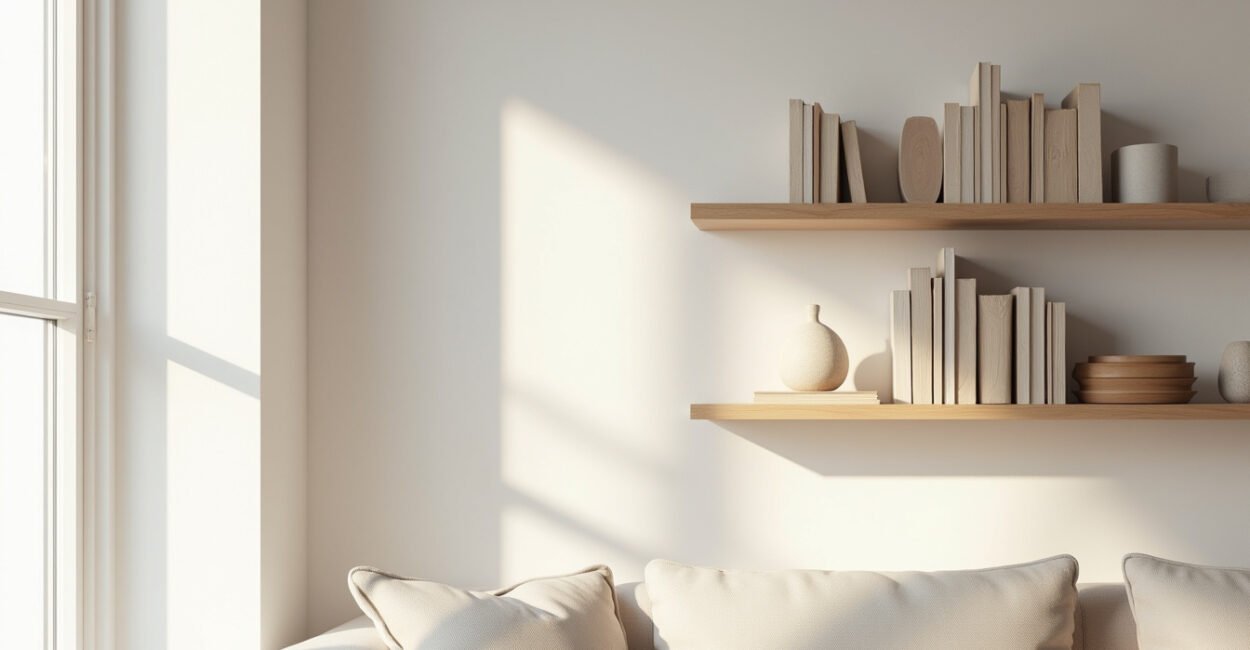
Mix linen, cotton, knit, jute, or boucle in a controlled way. Texture gives depth even when the palette stays neutral. A plain sofa can look richer with one nubby throw and two pillows in different weaves than with four random patterned cushions.
Go Bigger Than You Think
Small pillows and tiny rugs are a common budget mistake. They make the room feel underdressed. One larger rug and fewer, better pillows often create a more polished result than a room packed with small textile purchases.
Let Washable Fabrics Do the Work
In real homes, washable matters. Dining chairs, kid areas, entry benches, and pet-friendly spaces need fabrics that can handle use. A cheap textile that fails quickly is not a bargain; it is a repeat expense.
For shoppers comparing home textiles and furniture safety standards, the Federal Trade Commission is useful for avoiding misleading product claims, while the Consumer Product Safety Commission helps with safety checks on furnishings and household items.
Style Walls and Lighting for the Biggest Visual Return
Walls and lighting do more than decorate a room; they change how the room is perceived. Good light makes colors cleaner, finishes richer, and spaces larger. Wall decor adds structure, height, and rhythm.
Use Lamps Before You Buy More Decor
Overhead light alone tends to flatten a room. A table lamp, floor lamp, or wall sconce adds warmth and dimension. If your budget is tight, light sources often beat decorative extras because they change how everything else looks.
Hang Art with Spacing in Mind
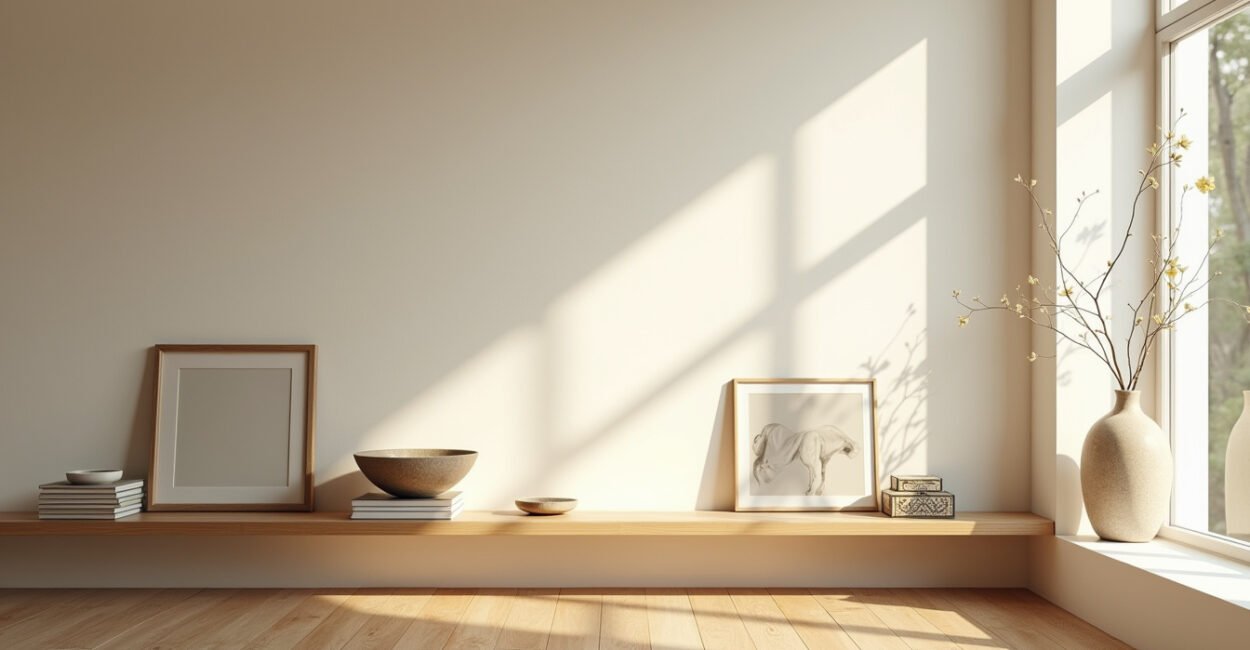
One larger print or a simple gallery arrangement usually works better than many tiny frames scattered across a wall. Leave breathing room around the art. Negative space is not wasted space; it is what lets the eye rest.
Mirrors Are Powerful, but Not Magic
Mirrors can help bounce daylight and make a room feel wider, especially in narrow hallways or small living rooms. They do not fix bad layout, though. If the reflected view is clutter, the mirror only repeats the clutter.
A mirror adds value only when it reflects something worth seeing.
Decorate Each Room with One Clear Priority
Every room has a different job, and tight budgets work better when you decorate to that job. A living room needs comfort and a strong focal point. A bedroom needs softness and visual rest. A kitchen needs order. A bathroom needs cleanliness and a little warmth.
| Room | Best Low-Cost Upgrade | Why It Works |
|---|---|---|
| Living Room | Rug + lamp | Defines the zone and adds warmth |
| Bedroom | Layered bedding | Makes the room feel calmer and fuller |
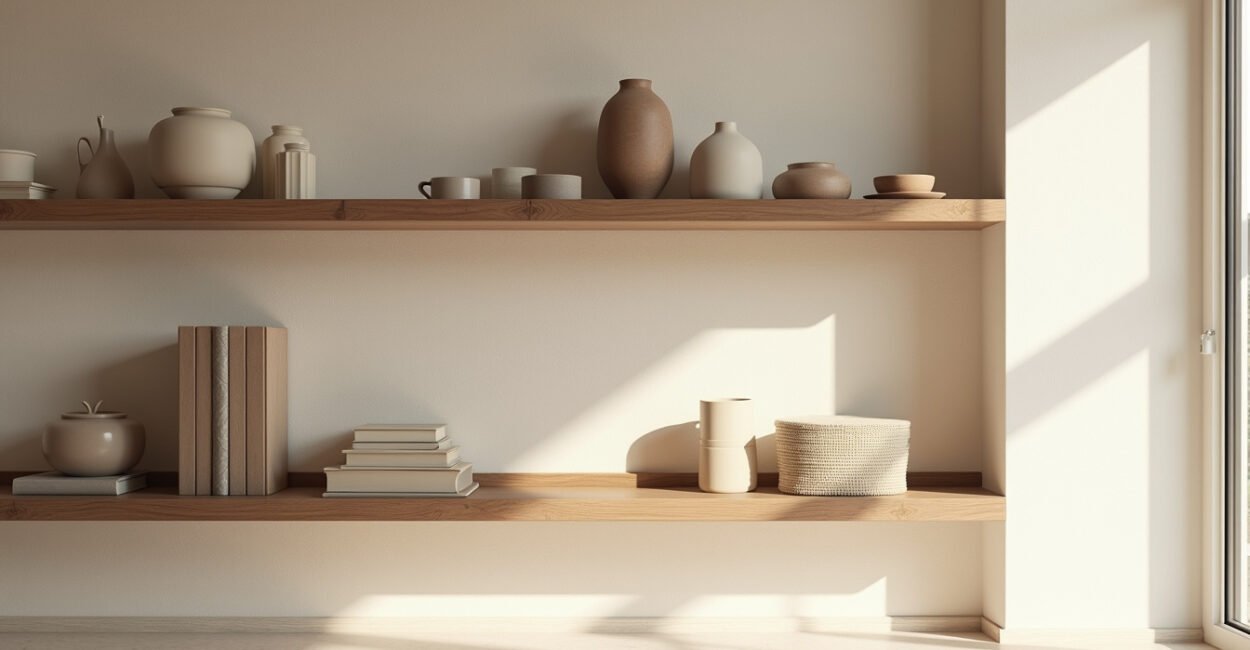
| Kitchen | Open shelving styling | Creates order without buying new cabinets |
| Bathroom | Matching towels and a tray | Makes the space feel coordinated fast |
| Entryway | Mirror + bowl + hook | Solves clutter and adds structure |
Living Room: Anchor the Seating Area
Focus on the zone around the sofa and coffee table. A rug sized too small can make the entire room look underfurnished, so this is one place where scale matters more than the number of items.
Bedroom: Buy Calm, Not Clutter
Bedrooms look best when the palette is restrained and the bedding has depth. If you only upgrade one thing, make it the bed. It is the largest visual surface in the room and usually the fastest route to a finished feel.
Kitchen and Bath: Keep Surfaces Edited
These rooms are unforgiving. Too many objects on counters make them feel smaller and messier. One tray, one soap dispenser, one plant, and one towel set often do more than five decorative pieces combined.
Avoid the Mistakes That Make Cheap Decor Look Cheap
There is a difference between affordable and flimsy. The first saves money; the second costs money twice. Cheap decor usually looks cheap for a few predictable reasons: wrong scale, too many finishes, poor material quality, and overdecorating every flat surface.
Do Not Buy Sets Just Because They Match
Matching sets often create a showroom feeling rather than a home feeling. Real rooms need a little variation in texture and shape. The better approach is to repeat materials with small differences, like wood and woven fiber, instead of buying identical accessories.
Skip Ultra-trendy Items Unless They Solve a Problem
Fast trends age quickly. If a piece has no function beyond novelty, it can date the room in a year. A neutral base with a few seasonal swaps is far more durable.
Know Where the Rule Breaks
There are exceptions. A very small studio may need more compact pieces, and a high-traffic family room may need durable synthetics over delicate natural fibers. Trust the room’s use first, then the style second.
The National Association of Home Builders and university extension resources such as the University of Minnesota Extension home and housing guidance are helpful when evaluating durable materials, maintenance, and practical layout choices.
Make a Small Budget Look Deliberate, Not Bare
The final goal is not to make every room look expensive. It is to make the budget look planned. That happens when you repeat a few choices on purpose: one palette, one or two strong anchors, consistent lighting, and fewer but better accessories.
If you are starting from scratch, buy in this order: lighting, rug, one large wall piece, textiles, then small accents. Test each addition against the room’s purpose. If it does not improve comfort, scale, or clarity, leave it out. That is the simplest way to keep budget-friendly home decor on a small budget from turning into a pile of impulse buys.
Próximos Passos
Walk through one room with a notebook and identify the single biggest visual problem. Then choose one anchor upgrade and one styling change that solve it. Do not shop until you have named the problem in plain language. That one habit prevents most waste. For the next purchase, choose the item that improves either light, scale, or organization—those are the purchases that pay off first.
FAQ
What is the Cheapest Way to Make a Room Look Decorated?
The cheapest way is to improve what people notice first: lighting, one focal wall, and textile layering. A lamp, a rug, and one framed piece can change the room’s feel more than a basket of small decor items. If you are only spending a little, aim for one large visual move instead of several tiny ones. That keeps the room from looking scattered or unfinished.
How Do I Make Inexpensive Decor Look Higher End?
Use a narrow color palette, repeat materials, and avoid tiny accessories that create visual noise. Higher-end rooms usually look calm and edited, not crowded. Scale matters a lot: one oversized mirror or large piece of art often looks more polished than many small items. Finish the room by removing extras that do not support the main style.
Is Secondhand Decor Worth It on a Tight Budget?
Yes, especially for furniture, mirrors, frames, and lamps. Secondhand shopping gives you access to better materials at a lower price, and older pieces often have better proportions than many cheap new items. The main rule is to inspect structure first and cosmetics second. A sturdy piece with a few marks is usually a better buy than a pristine but flimsy one.
What Should I Buy First for a Small Apartment?
Start with the items that define the room’s shape and comfort: a rug, lighting, and basic window treatment if needed. Those pieces affect how large, warm, and finished the room feels. After that, add textiles and one or two wall pieces. Small accents should come last, because they are easiest to overbuy and hardest to make look intentional.
How Many Colors Should I Use in a Budget-friendly Room?
Most rooms look best with three to five total colors, including neutrals. That range gives you enough variation to avoid flatness without making the room feel chaotic. If you are unsure, use one main neutral, one supporting tone, and one accent color. The simpler palette makes affordable pieces look coordinated and easier to live with.