Skip to content

Small yards can look bigger when the planting is doing less noise and more work.
Native plant landscaping ideas for small yards work best when you stop thinking in terms of “filling space” and start thinking in layers, edges, and seasonal moments. That shift changes everything.
The trick is not packing in more plants. It’s choosing the right ones, placing them with restraint, and letting the design breathe.
Why Small Yards Look Crowded Faster Than You Expect
A compact yard has zero room for sloppy decisions. One oversized shrub, one wandering border, one patch of mulch with no clear edge—and the whole space suddenly feels tighter than it is.
The formal idea behind native plant landscaping ideas for small yards is simple: use plants that belong to the local ecosystem, then arrange them in a way that creates structure without visual clutter. In plain English, you want plants that are adapted to your climate, soil, and rainfall, but you also want them grouped with intention.
That’s why a yard can feel twice as large after the same square footage gets cleaned up. A crisp line where lawn ends, a narrow bed that curves once instead of five times, and a small set of repeating native plants can do more than a crowded flower mix ever will.
Native plant landscaping ideas for small yards are not about making the space wild. They’re about making it look edited.
The Layering Trick That Makes Native Planting Feel Calm, Not Busy
Layering is the part most people skip, and it’s usually the reason the garden feels chaotic. In landscape design, layering means arranging plants by height and mass: low groundcovers in front, mid-height perennials or grasses in the middle, and one or two taller anchors at the back.
That vertical order gives your eye a path. Without it, everything competes for attention. With it, even a tiny yard feels composed.
Here’s the contrast that surprises people: a mixed bed with ten different plant forms can feel smaller than a bed with six plants repeated well. Repetition calms the scene. Repetition also helps native plant landscaping ideas for small yards look intentional instead of improvised.
- Front layer: low native groundcovers or compact grasses
- Middle layer: flowering perennials with a neat habit
- Back layer: one shrub, small tree, or tall grass for structure
Once you understand that stack, the next question becomes obvious: which plants actually earn their place in a tight footprint?

Native Plant Landscaping Ideas for Small Yards That Stay Neat Without Constant Trimming
The best plants for small yards are usually the ones that hold their shape. You want natives that mature into clear forms rather than exploding sideways and demanding weekly correction.
Think in categories, not wish lists. A good starting mix might include:
- Compact native grasses for movement and texture
- Low groundcovers to suppress weeds and soften edges
- Long-blooming perennials for color without a lot of fuss
- Small native shrubs that give the yard a backbone
What matters most is mature size, not the size of the pot on the nursery bench. A plant that looks cute at 12 inches can become a wall at 4 feet, and that’s how small yards get strangled.
In a small yard, the right plant is the one that knows when to stop.
That sounds poetic, but it’s also practical. Native plant landscaping ideas for small yards succeed when the mature spread matches the real available space, not the fantasy version you imagine in spring.
Cleaner Edges Do More Than Mulch Ever Will
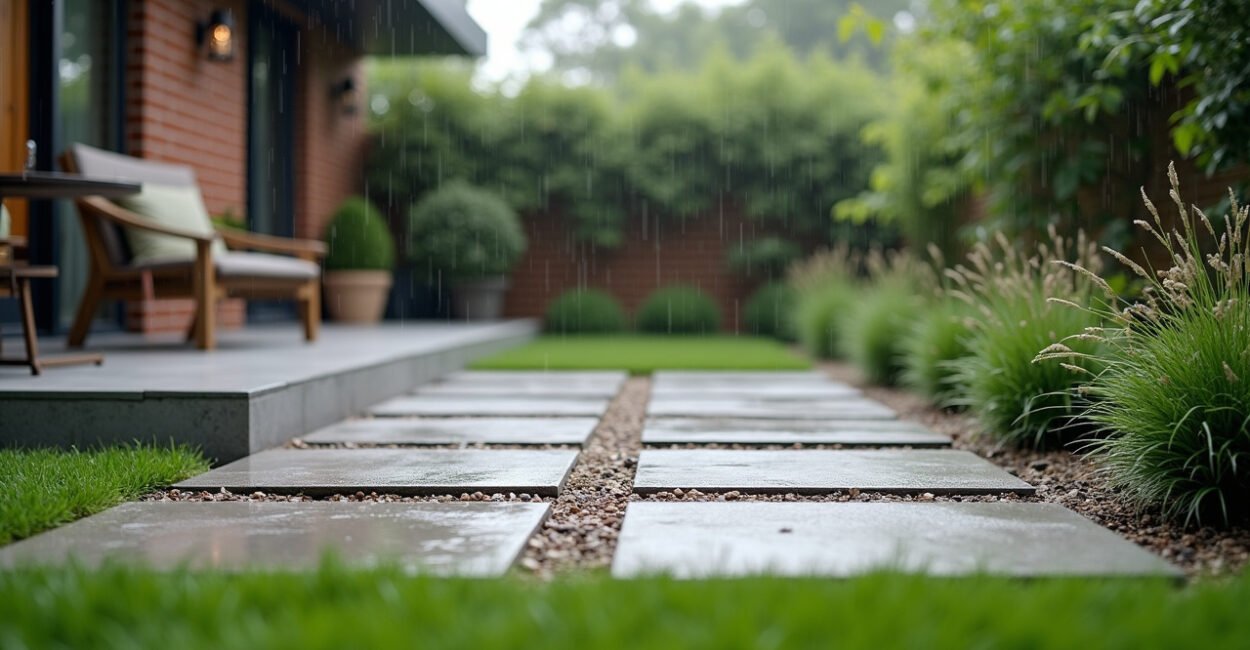
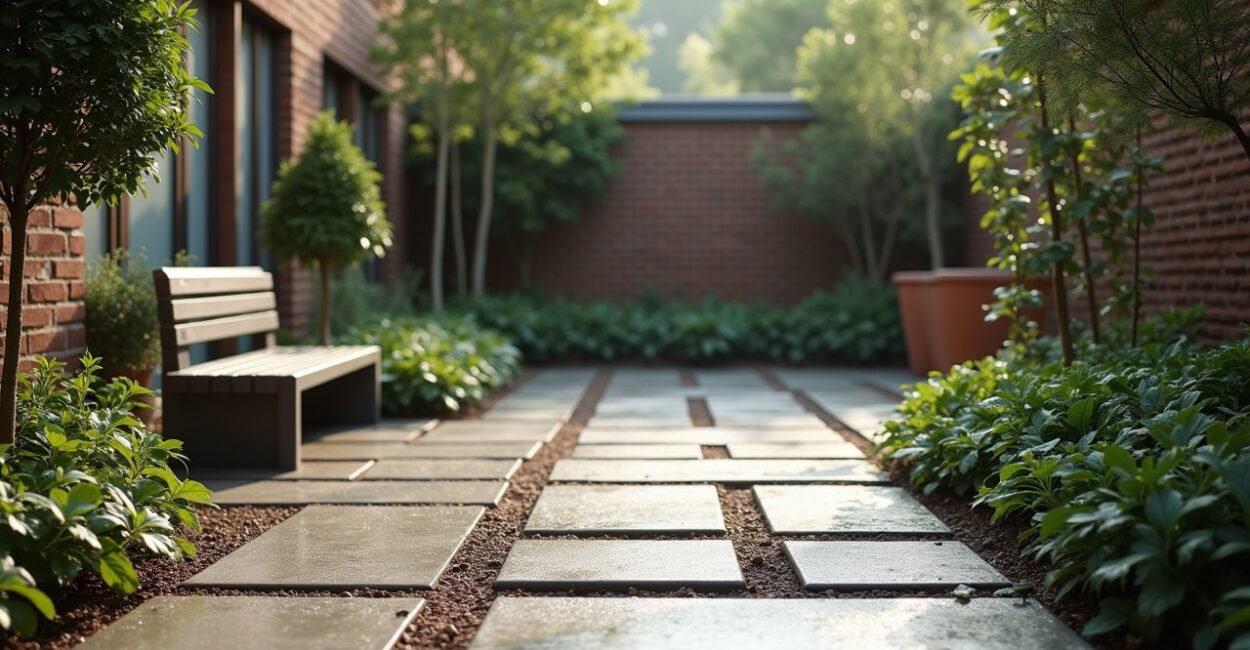
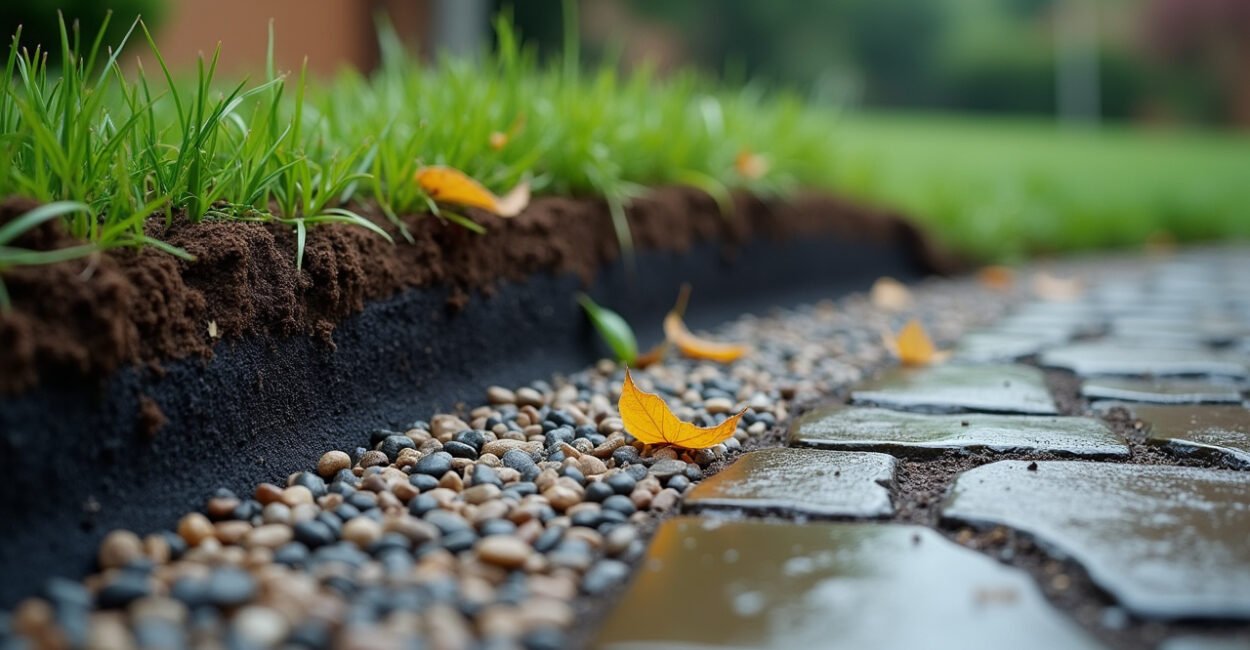
One of the fastest ways to make a small landscape look polished is to clean the boundary lines. A sharp edge between bed and lawn, gravel, pavers, or even stepping stones makes the whole yard read as larger and more deliberate.
Soft plantings are beautiful. Messy edges are not.
Native plant landscaping ideas for small yards work especially well when you repeat a material at the perimeter: steel edging, brick, stone, or a neat shovel-cut line that gets refreshed each season. This gives the eye a stopping point, which keeps the planting from spilling visually into every corner.
The border is not decoration. It’s control. And in a small yard, control is what keeps the design from looking overstuffed.
According to the Penn State Extension, native plants can support wildlife while reducing the need for extra irrigation and inputs in many settings. That’s a big deal in tight spaces, where maintenance mistakes show up fast.
And if you want the yard to feel modern instead of rustic, clean edges do half the work for you.
Seasonal Color Without a Crowded Flowerbed
The biggest mistake in small native gardens is trying to get all the color from too many different blooms at once. That usually turns into a patchwork quilt with no rest for the eye.
A smarter approach is seasonal sequencing. Pick a few plants that shine at different times, then let foliage, seed heads, and structure carry the rest of the year. That’s how native plant landscaping ideas for small yards keep giving something to look at without requiring a crowded lineup.
- Spring: early bloomers and fresh leaves
- Summer: pollinator flowers and fuller texture
- Fall: seed heads, gold tones, and grasses
- Winter: stems, evergreen pieces, and clean structure
Viable native landscapes do not go silent after the first flush of bloom. They change costumes. That’s the part people often miss.
In practice, what happens is this: a yard with a few carefully staggered natives looks alive in March, competent in July, and oddly elegant in November. The space never has to scream to stay interesting.
The Biggest Mistakes People Make in Compact Native Beds
If you want native plant landscaping ideas for small yards to actually work, avoid the usual traps. Most of them are design mistakes, not plant problems.
- Buying plants for the tag photo, not the mature size
- Mixing too many species in one small bed
- Skipping a clear border or edge
- Planting in straight rows with no rhythm
- Choosing only bloom time and ignoring foliage shape
One small story makes this obvious. A homeowner replaced a tired patch of lawn with a dozen native perennials. It looked great for six weeks. Then the midsummer growth kicked in, one plant flopped into another, and the bed started to read as one tangled mass. The fix was not removing everything. It was reducing the number of plants, widening the paths between groups, and adding a single repeating grass for structure. The yard felt bigger the same week.
Less variety, more clarity. That’s the part nobody wants to hear when they’re excited at the nursery, but it saves you from regret later.
There is some debate about how “natural” a native garden should look. That part depends on your goals. If you want wildlife habitat, you may tolerate a looser look. If you want front-yard neatness, you’ll lean harder on edges and repetition. Both approaches can be right.
How to Make a Tiny Yard Feel Intentional from the Sidewalk
The view from the curb matters more than most people think. If the front edge looks finished, the whole yard gets a credibility boost.
Native plant landscaping ideas for small yards work best when the front third of the space feels polished. That means a visible framework: one focal plant, one repeated texture, and one clear line that says where the bed begins and ends.
Try thinking like a photographer. What does the frame catch first? If the answer is “too much,” the planting is doing too much.
- Use one focal point: a small native tree or shrub
- Repeat one texture: a grass, sedge, or groundcover
- Limit the palette: a few flower colors, not ten
According to the National Park Service, native plants are central to healthy local ecosystems because they support insects, birds, and other wildlife that evolved with them. In a small yard, that means you can do real ecological work without turning your space into a jungle.
The best small-yard design is the one that looks calm before anyone notices it is ecological.
A Simple Setup That Works for Most Compact Yards
If you want a practical starting point, use this formula: one anchor, three repeating plants, and one edge treatment. That’s enough to make a small landscape feel designed without becoming busy.
For native plant landscaping ideas for small yards, this structure is hard to beat because it handles the two problems that usually kill the look: too many decisions and too much maintenance. The anchor gives height, the repeats create rhythm, and the edge keeps everything contained.
You do not need a giant plant list. You need a disciplined one.
| Design Element | What It Does | What to Watch For |
|---|---|---|
| Anchor plant | Gives the yard a focal point | Don’t choose something that outgrows the space |
| Repeating plants | Creates rhythm and calm | Use too many varieties and the pattern disappears |
| Edge treatment | Keeps the layout crisp | Letting borders blur makes the yard feel smaller |
If you want a place to start, pick the lowest-maintenance version of the garden you can imagine, then remove one more plant from the plan. That’s usually the sweet spot.
A small yard looks larger when it has fewer ideas and stronger ones.
Are Native Plants Really Lower Maintenance in Small Yards?
Usually, yes—but only if you choose the right species for your site and group them properly. Native plants are adapted to local conditions, so they often need less supplemental watering and fewer inputs after establishment. The catch is that “native” does not automatically mean “well-behaved.” Some species spread, self-seed, or get taller than expected, which can create more work in a tight space. Good planning matters as much as the plant choice.
What Native Plants Work Best Near a Patio or Path?
Look for compact, tidy growers with non-invasive habits and a shape that stays readable from a few feet away. Low grasses, clumping perennials, and small flowering natives usually work better than aggressive spreaders or tall, floppy plants. Around hardscape, the goal is to keep the line clean so the patio still feels usable. Native plant landscaping ideas for small yards work best when the plants respect the structure instead of fighting it.
How Many Different Plants Should I Use in a Small Native Garden?
Fewer than you think. In a small yard, repetition usually looks better than variety because it creates visual order. A practical range is often three to seven plant types, depending on the size of the bed and your climate. You can add interest with texture, height, and bloom timing rather than sheer species count. That keeps the garden from feeling like a catalog sample.
Can I Mix Native Plants with Ornamental Grasses or Non-natives?
Yes, and in some yards that’s the smartest choice. A mixed planting can give you stronger structure, longer bloom, or a cleaner winter look. The key is to make sure the non-natives are not invasive and do not overpower the native framework. Think of natives as the backbone and the others as supporting actors, not the other way around.
What is the First Change That Makes the Biggest Difference?
Usually, it’s the edge. A crisp border between the planted area and the rest of the yard changes the whole read of the space almost immediately. After that, reducing plant variety and grouping things into visible layers gives the design room to breathe. If you do only one thing this season, start by cleaning up the perimeter and simplifying the planting plan.
The best small yard doesn’t look full. It looks finished.
And that’s the real win with native plant landscaping ideas for small yards: when the design is disciplined enough, the space stops feeling tiny and starts feeling intentional.