Skip to content

Sunlight can change a room the way a good story changes a mood: suddenly everything looks clearer, warmer, and more honest. In many modern houses, smart daylight moves—like shifting a window or changing a wall color—give the biggest return on comfort and energy bills. If you care about light, this guide to natural light homes gives quick, practical steps you can use right now.
The Single Design Change That Lifts Every Room
Adding the right window in the right place often beats buying expensive fixtures. In natural light homes, a new opening can cut the need for daytime lamps, reduce heating loads in winter, and make spaces feel larger. Think beyond square windows: clerestories, narrow vertical glazing, and light shelves can push daylight deep into the plan. A 3-foot-high clerestory above cabinets can spill controlled light across a kitchen without glare. Small moves like these change how you live with light.
Layout Tricks Pros Use to Pull Daylight Inward
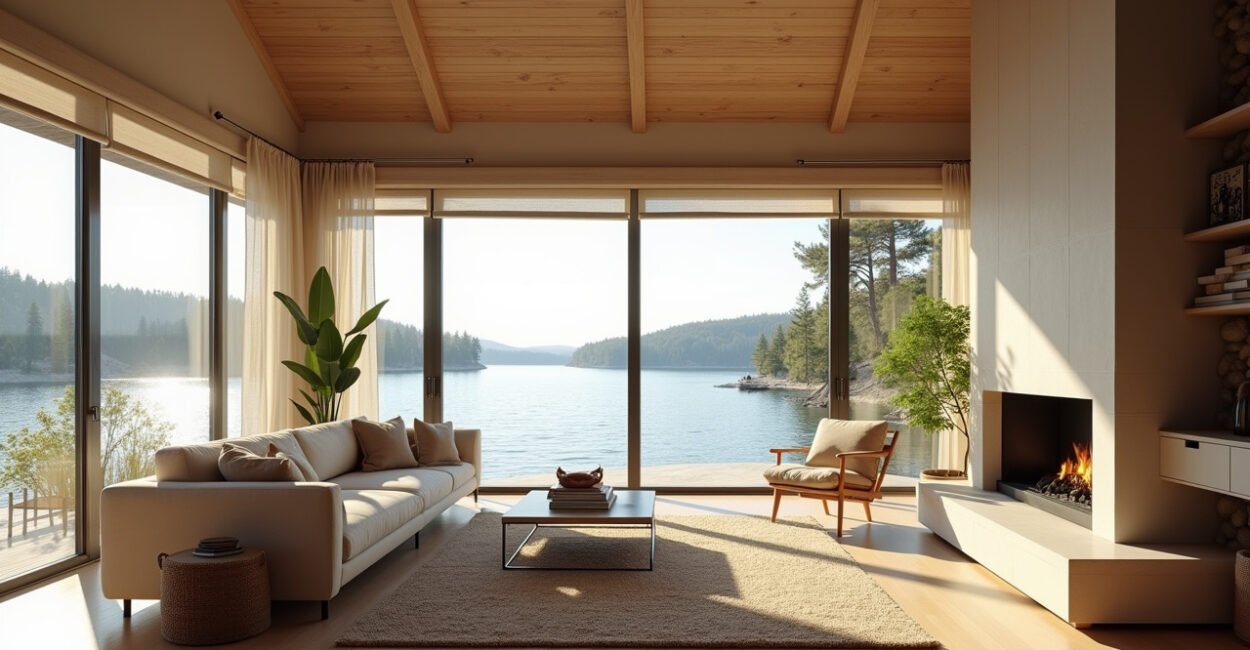
Sunlight follows sightlines—so design sightlines first. Position living areas where they can see both sky and yard. Use open-plan transitions, short corridors, and internal glazing to let light travel. An island kitchen placed under a high window gets better daylight than one shoved between walls. For long, narrow rooms, add a glazed end wall and reflective finishes on the opposite side. These layout choices are the backbone of natural light homes: they decide whether light stops at the entry or flows throughout the house.

Glazing Choices That Actually Improve Comfort and Energy
Not all glass is equal—pick glazing to match orientation and climate. North-facing glazing gives steady cool light; south-facing needs control to avoid overheating. Low-emissivity coatings and double glazing cut heat loss without killing visible light. For hot climates, consider spectrally selective coatings that block infrared but keep brightness. In many cases, triple-pane windows make sense only in very cold zones. Match the glass to the room’s use: bedrooms want low glare, living rooms want warmth and views.
Materials and Surfaces That Bounce Light Where You Need It
Materials are your daylight multipliers. Matte white ceilings and warm mid-tone walls reflect light softly. Polished stone or light wood floors can send light deeper into a room, but too much gloss makes glare. Use a reflective backsplash in kitchens and satin paint on ceilings. Plants, textiles, and rugs moderate brightness and add depth. In natural light homes, choosing materials is like choosing lenses: they change the quality of the light, not just the quantity.

Color Strategies That Amplify Daylight Without Glaring
Color controls mood and perceived brightness. Pale warm tones feel brighter on north light; cooler hues can calm intense south light. A surprising trick: a mid-tone accent wall behind seating can make the room feel brighter than an all-white room because it creates perceived contrast and depth. Use darker trims to frame windows so daylight reads as a bright, pleasant layer rather than washing everything flat. These color moves are simple and cheap—but they dramatically shape the experience of natural light homes.
Common Mistakes to Avoid When Planning for Daylight
People often make daylight worse while trying to make it better. Typical errors: oversized south glass without shading, shiny floors that glare, stuffing rooms with heavy curtains, and isolating windows behind deep eaves. Don’t assume “more glass = more comfort.” Instead, match window size and protection to orientation, and think in terms of controlled daylight. Avoid these mistakes and your natural light homes will feel comfortable year-round.
- Too much unshaded south glass → overheating.
- Dark, matte finishes opposite windows → swallow light.
- Blocking sightlines with high partitions → stops light flow.
- Using mirror-gloss finishes indiscriminately → causes glare.
A Quick Before/after That Proves the Point
Before: a tired living room with a single west window, heavy curtains, and a dark sofa. It needed three lamps and still felt cramped. After: swap to a higher window, strip heavy curtains to sheer shades, repaint the ceiling in soft white, and add a reflective light shelf outside. The room now reads twice as large and uses one lamp at night. That short case shows why natural light homes require fewer gimmicks and more well-placed, thoughtful moves.
For technical guidance on daylight metrics and standards, consult resources like the U.S. Department of Energy’s lighting pages and university research on daylighting for evidence-based methods. According to building science research, daylight strategies can cut lighting energy use by up to 50% in many homes.
Ready to rethink your next renovation? Start by standing in a room at noon, watching where the sun falls, and asking which surface it should hit next. That question will change a design faster than any trend.
How Much Natural Light is “enough” for a Living Room?
Enough natural light means you can do common daytime tasks without artificial lighting for most of the day. Aim for steady, even illumination rather than a single bright patch. A practical rule is to provide glazing and reflective surfaces that bring indirect sky light into the center of the room. Consider orientation: east and west light require more control to avoid glare. Use layered light—ambient daylight plus task lighting—to keep flexibility. Measuring lux levels with an app helps fine-tune decisions before finalizing window sizes.
Will Large Windows Increase My Cooling Bills?
Large windows can raise cooling loads if they let in excess solar heat without control. However, with proper glazing, external shading, and orientation-aware design, windows can reduce overall energy use by cutting daytime lighting needs. Choose low-solar-gain glass for hot orientations and add overhangs or adjustable exterior shades. Properly detailed windows with thermal breaks and good frames also limit heat transfer. The key is matching window type and placement to climate and sun path, not avoiding windows entirely.
Can I Retrofit an Existing Home to Feel Like a Natural Light Home?
Yes—many retrofits are low-cost and high-impact. Simple moves like adding clerestory openings, installing light shelves, replacing heavy curtains with translucent shades, and painting ceilings lighter can transform light quality. If structure allows, adding a narrow vertical window or internal glazing between rooms improves flow. Even repositioning furniture to free sightlines helps. Retrofit work should consider insulation, glare control, and privacy. A staged approach lets you test changes before committing to bigger interventions.
Are Skylights Better Than Vertical Windows?
Skylights and vertical windows serve different roles in natural light homes. Skylights excel at bringing daylight deep into a plan and providing uniform illumination, especially in central rooms. Vertical windows offer views, connection to outdoors, and directional light that changes with the day. Skylights can cause overheating or glare if unshaded, so choose diffusing glazing or shades. Often the best solution mixes both: skylights for even light and vertical glazing for views and orientation-specific daylight control.
What Maintenance Do Daylight Strategies Need over Time?
Daylight features need basic upkeep to work well. Clean glazing regularly—dirt can cut visible light by noticeable amounts. Check seals and weatherstripping to avoid heat loss. Replace worn shades or louvers that no longer block sun effectively. Trim landscaping that grows into sightlines. For advanced systems like automated shading, test electronics annually. Maintenance keeps natural light homes performing as designed and protects the energy and comfort benefits you invested in.