Skip to content
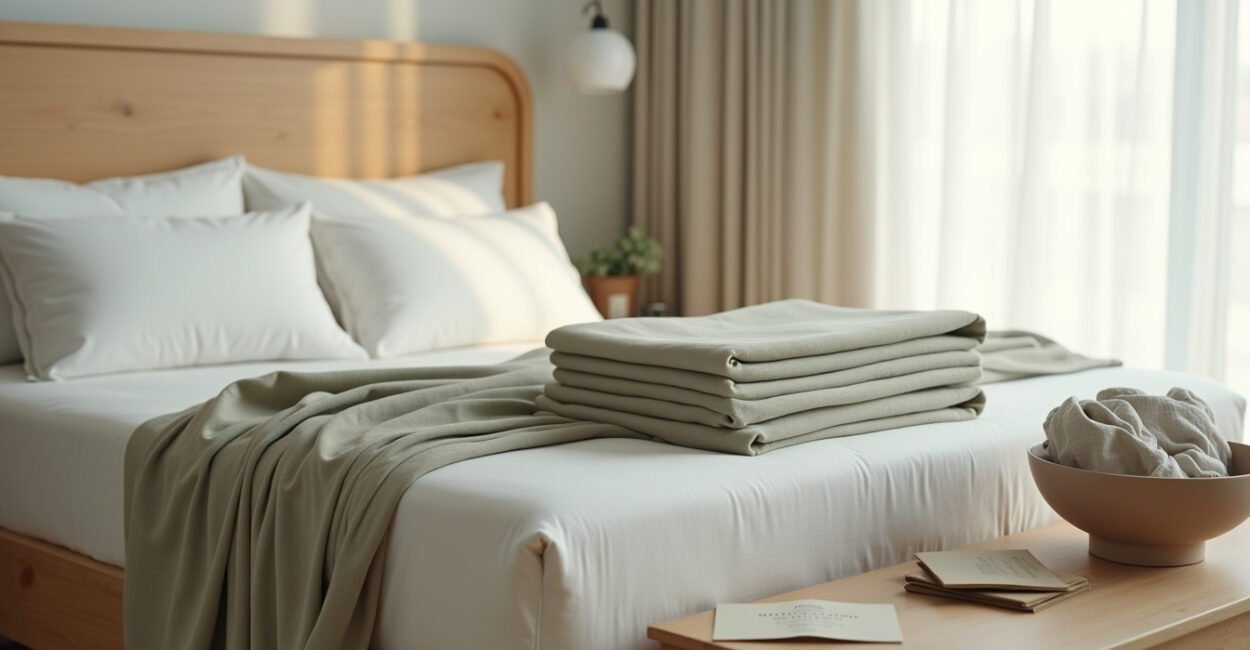
Some affordable ethical cotton sheets feel great on day one—and fall apart after the third wash.
If you’ve ever bought a “good deal” only to end up with pilling, thinning fabric, or fitted corners that won’t stay put, you already know the trap. The real question isn’t whether cheap sheets are cheap. It’s whether they stay soft, hold their shape, and come from a supply chain you can live with.
That’s where the difference gets interesting: the best affordable ethical cotton sheets usually aren’t the flashiest ones. They’re the sets that balance fiber quality, weave, certifications, and construction in a way that still holds up after repeated washing.
What “Ethical” Actually Means in Affordable Cotton Sheets
In sheet shopping, ethical should mean more than a green leaf on the packaging. At a minimum, you want traceable cotton, safer processing, and standards that reduce the chance of abusive labor or toxic finishing. For affordable ethical cotton sheets, that usually points to organic cotton, third-party certifications, and transparent brand claims.
Organic cotton matters because it’s grown under stricter rules around synthetic pesticides and fertilizers. But that alone doesn’t guarantee a great sheet. A bargain set can still feel scratchy, shrink badly, or use weak stitching. The best value is a combination: cotton quality, honest labeling, and construction that survives real life.
Two certifications are worth knowing. The Global Organic Textile Standard covers organic fibers plus processing rules. And the OEKO-TEX Standard 100 screens for harmful substances in finished textiles. They solve different problems, and the strongest affordable ethical cotton sheets often carry one or both.
The 4 Details That Separate Real Value from Cheap Compromises
Most shoppers compare price, thread count, and maybe the color options. That’s the shallow end. The real differences show up in four places: fiber, weave, stitching, and finish. Miss one of them, and your “deal” gets expensive fast.
- Fiber length: Longer-staple cotton tends to feel smoother and pill less.
- Weave: Percale feels crisp and airy; sateen feels smoother but can show wear faster.
- Stitching: Reinforced seams and deeper elastic on fitted sheets matter after washing.
- Finish: Overly soft chemical finishes can mask weaker cotton at first touch.
Here’s the comparison that surprises a lot of people: a 300-thread-count set with strong cotton and clean construction can outperform a 600-thread-count bargain set that was made to feel luxurious for two weeks. Thread count helps, but it does not rescue poor fiber. That’s the first place cheap compromises hide in affordable ethical cotton sheets.

Why Repeated Washing Exposes the Truth Fast
Sheets don’t fail in the store. They fail in the laundry room. Repeated washing pulls out the truth: weak elastic loosens, low-grade cotton pills, and uneven dyeing starts to look tired. If a set stays in rotation for months, that is the real test—not the first-night feel.
In practice, what happens is this: the sheets that looked “buttery soft” in the packaging often lose their finish, while better-made affordable ethical cotton sheets get a little softer without falling apart. That difference comes down to yarn quality and how tightly the fabric was woven.
Softness that survives washing is worth more than softness that disappears after it.
There’s one tradeoff worth saying out loud. Organic and ethical production can push the price up, so not every budget set will have the same thickness or silky hand-feel as premium luxury bedding. That’s fine. The smart buy is not the fanciest sheet; it’s the one that keeps its structure after 20 washes.
The Shortcut Buyers Use to Spot a Good Set Before Checkout
When you’re shopping affordable ethical cotton sheets, scan for proof, not poetry. A product page full of lifestyle language and no construction details is a warning sign. If the brand won’t say where the cotton comes from, what the weave is, or which certification applies, you’re doing guesswork for them.
Use this quick filter:
- Look for organic certification, not vague “natural” claims.
- Check whether the fitted sheet says deep pocket or standard pocket.
- Read wash instructions before you buy.
- Prefer brands that name the weave and fiber source.
- Watch for return policies that cover pilling, shrinking, or seam failure.
Mini-story, because this is how it plays out in real homes: a friend bought a cheap “eco” set for a guest room, mostly because the photos looked clean and the price was low. After three washes, the flat sheet started twisting at the corners, and the fitted sheet kept slipping off the mattress. She replaced it with a simpler organic percale set that cost a little more upfront. Two years later, that’s the one still in use. The lesson was not “buy expensive.” It was “buy the set that was built to be washed.”
What Ethical Sheets Can and Cannot Promise
Not every claim is equal. Ethical sourcing, organic cotton, and strong construction are all good signs, but they do not magically guarantee perfect comfort for every sleeper. Some people want crisp percale; others want a drapier sateen. Some mattresses need extra-deep pockets. Comfort is personal, and that’s where a lot of “best” lists get too confident.
There’s also a broader context. Cotton production has real environmental and labor concerns, which is why certification matters. If you want a deeper look at cotton’s supply chain and why traceability matters, the World Wildlife Fund’s cotton overview is a useful starting point. The point is not perfection; it’s choosing better options with clearer evidence.
The best affordable ethical cotton sheets are the ones that make fewer promises and keep more of them.
So if you’re comparing sets under $100, ignore the hype and ask one plain question: will this still feel like a decent purchase after the 10th wash?
That question does a better job than any glossy product headline.
Are Affordable Ethical Cotton Sheets Really Durable?
They can be, but durability depends on fiber quality, weave, and stitching more than price alone. A well-made organic cotton set can last years, while a poorly made budget set may wear out quickly. Repeated washing is the best test, because it reveals shrinking, pilling, and seam weakness that you won’t notice on day one. Look for reinforced construction and clear certification instead of marketing language.
What Weave is Best for Everyday Use?
For most people, percale is the safest everyday pick because it feels crisp, breathable, and tends to age well. Sateen feels smoother at first, but it can show wear sooner if the cotton or weave quality is weak. If you sleep hot, percale is often the better fit. If you prefer a softer drape, sateen may be worth it, as long as the fabric is well made.
Is Thread Count the Main Thing to Check?
No. Thread count matters, but it is not the whole story. A moderate thread count with good cotton and tight construction often beats a higher count built from weaker yarn. Many shoppers overpay for numbers that sound impressive on the label. For affordable ethical cotton sheets, fiber source, weave, and seam quality usually tell you more than thread count alone.
How Do I Know If a Brand’s “ethical” Claim is Real?
Look for third-party certifications, clear material sourcing, and specific language about manufacturing. “Eco-friendly” or “conscious” without evidence is just branding. A credible brand can usually tell you whether the cotton is organic, which standard it meets, and how the finished fabric was tested. If those details are missing, assume the claim is softer than the sheet.
Can I Find Good Ethical Cotton Sheets Under $100?
Yes, but you may need to trade premium extras for solid basics. Under $100, the best value is usually a simple weave, fewer decorative features, and honest certification. That’s not a downgrade if the set washes well and keeps its fit. In this price range, durable affordable ethical cotton sheets are more about smart choices than luxury claims.