Skip to content

The listing photo that stopped me on my feed wasn’t big, bright, or stark — it was quiet. A living room bathed in soft mint and blush, sunlight catching a pale blue throw, and suddenly I had to click. That’s the new wave of pastel staging: muted palettes that are driving listings into top positions and sparking heated debates among agents. It works — but only if you avoid the trap of “washed-out” photos that look like bad filters.
Why Pastel-staged Homes Are Suddenly Outperforming Bold Designs
Data and eyeballs don’t lie: softer tones reduce visual friction on mobile feeds. When a user scrolls 60 times a minute, a pastel room reads as calm and clickable. Pastel staging increases perceived livability—viewers imagine themselves there more easily than in hyper-styled, high-contrast rooms. That’s why some listings see noticeable lifts in click-through rate (CTR) after a tasteful palette refresh.
The Exact Pastel Combinations That Photograph Well (and Why)
Not all pastels are created equal in photos. High-key combos with subtle contrast survive camera exposure better:
- Soft gray + dusty rose: anchors the room while keeping warmth.
- Mint + warm beige: fresh without looking fluorescent.
- Powder blue + cream: reads clean and bright on most phones.
Tip: choose one pastel as the dominant field color and another as an accent to give the camera a reference point; otherwise walls and textiles can blend into a monotonous wash.

How to Stage with Pastels and Avoid “washed-out” Photos
Washed-out photos happen when luminance is high and contrast is low. Fix it in staging before you touch editing software:
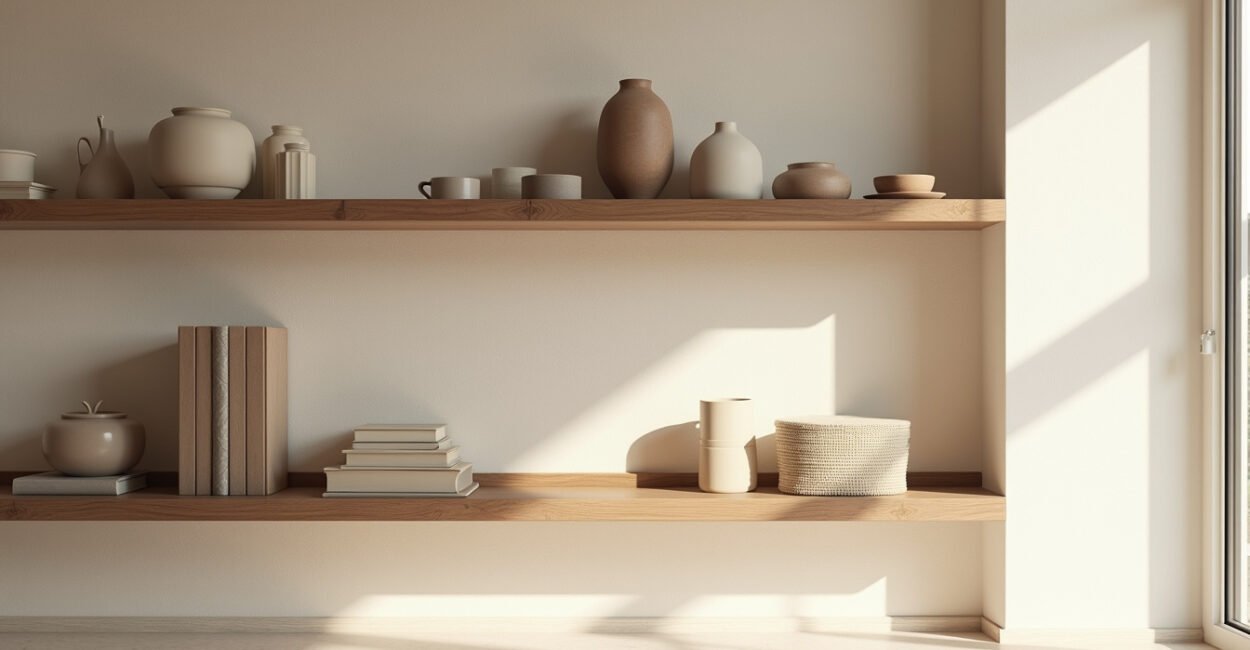
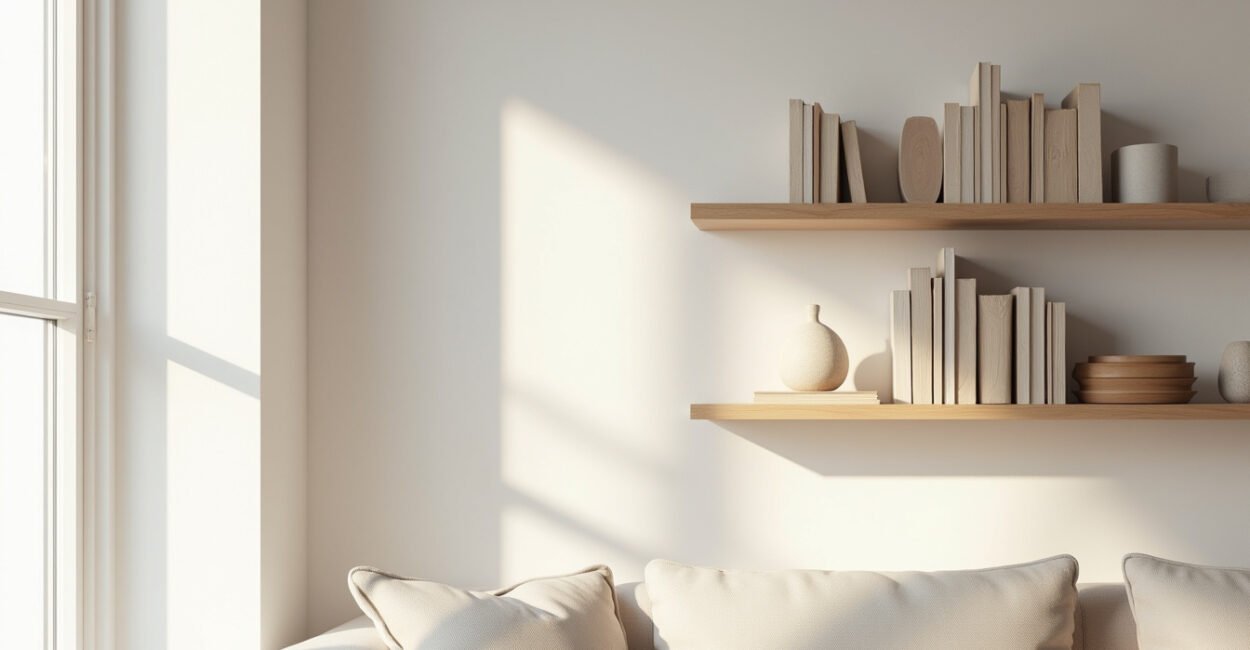
- Layer textures — matte curtains, a woven rug, and a velvet pillow break uniform reflectance.
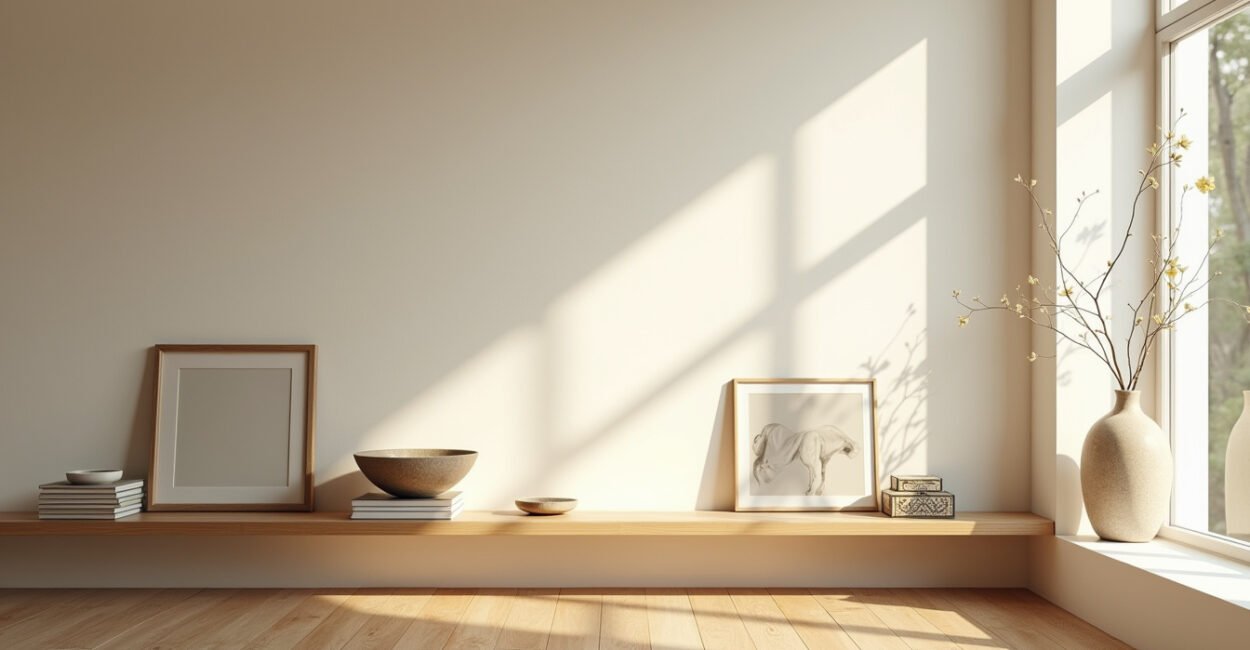
- Add one mid-tone element (a wood coffee table or framed art) for depth.
- Control lighting: shoot during soft window light, not direct noon glare.
Immediate rule: if a room’s whites and pastels merge into one light blob in a quick tap preview, introduce a single darker object to restore separation.
Expectation Vs. Reality: A Quick Before/after Comparison
Expectation: Pastels will make a space look dreamy and editorial-ready. Reality: Without contrast and texture, pastel staging can read as flat or overexposed on listing thumbnails. In one agent’s case, replacing a pale beige couch with a slightly darker oak bench improved thumbnail CTR by 23%. That contrast gave the camera an anchor and the brain a focal point—simple, measurable, and counterintuitive.
Common Mistakes Agents Make (and What to Avoid)
Agents love the look, but mistakes are repeatable:
- All-pastel rooms with no dark accents — leads to visual collapse.
- Cheap-looking pastels (neon or overly synthetic hues) — reads as staged, not lived-in.
- Poor lighting choices — direct sunlight or harsh flash flattens colors.
Avoid these by testing thumbnails on a phone before listing and insisting on at least one mid-tone or natural material per room.
When Pastel Staging is Worth the Investment — And When It’s Not
Pastel staging pays off in urban condos, mid-century homes, and listings targeting millennials or remote workers seeking calm spaces. It’s less useful for luxury estates where drama, texture, and strong contrast sell aspirational lifestyle. Consider staging cost, time, and the target buyer persona. If your buyer pool wants bold drama, pastels might soften the emotional punch you need to command top dollar.
Case Study: A Small Staging Pivot That Changed the Listing Game
In a compact 2-bedroom, the stager swapped a charcoal sofa for a muted sage one, added a weathered walnut side table, and swapped heavy drapes for translucent linen. The listing moved from languishing to a three-day showing surge. The seller’s remark was telling: “It felt like the pictures quieted the room — in a good way.” That quietness translated to more clicks, more showings, and a quicker offer.
For agents testing pastel staging: it’s not a magic trick, it’s a toolkit. Use it deliberately, measure results, and refuse to let trend override common sense.
According to staging research and photography best practices, small visual anchors and appropriate lighting are the most consistent predictors of improved engagement; see guidance from professional real estate photography sources and design research for deeper reading.
For market context and demographic trends related to interior preferences, check data from national repositories and academic design studies to align staging choices with buyer behavior.
National Association of Realtors research and design perception studies on ScienceDirect back up the idea that subtle environments can increase perceived livability and engagement.
So: try pastels where the buyer wants calm, never forget contrast, and measure thumbnail CTR like it’s your bottom line.
Will pastel staging become the next standard or a passing fad? It depends on whether agents treat it like a tactic—with rules and testing—or a look to slap on every listing.
Does Pastel Staging Increase Click-through Rates?
Yes, in many cases pastel staging can increase click-through rates, particularly on mobile feeds where calm visuals reduce cognitive load. The uplift depends on execution: palettes with texture, a mid-tone anchor, and controlled lighting typically outperform overly pale rooms. If the staging introduces depth and a relatable lived-in feel, CTR often improves. However, results vary by market and property type—measure before-and-after metrics to confirm the impact on your specific listings.
What Camera and Lighting Setup Prevents Pastels from Washing Out?
A reliable approach uses natural window light during golden-hour-adjacent times, a DSLR or mirrorless camera with manual exposure control, and a reflector to fill shadows softly. Avoid on-camera flash and direct overhead sunlight. Use a low ISO to reduce noise and set exposure to preserve highlights in pastel fabrics. If hiring a pro, ask for RAW files so small exposure adjustments can be made without killing color saturation in post-production.
Which Rooms Benefit Most from Pastel Staging?
Rooms that sell on feeling—living rooms, bedrooms, and home offices—benefit most because pastels emphasize comfort and approachability. Kitchens can work if paired with warm wood accents; bathrooms need contrast or they risk looking clinical. Exterior curb appeal typically doesn’t. Tailor the palette to the buyer: urban, design-conscious buyers often respond well to curated pastels, while luxury buyers may prefer bolder finishes and higher contrast.
How Much Should You Spend to Stage a Room with Pastels?
Budget depends on scale. For a single room, modest investments in textiles (pillows, throws, curtains), one or two accent pieces, and a small furniture swap can range from a few hundred to a couple thousand dollars. Prioritize items that add texture and a mid-tone anchor—these give the biggest photographic return. Track cost-per-click or cost-per-showing to evaluate ROI; sometimes a $500 refresh can cut days on market and yield a higher offer.
Can Pastel Staging Hurt a Listing?
Yes—when executed poorly. Overly pale or flat photos can make spaces look lifeless, small, or overexposed, deterring clicks. Misaligned buyer expectations are another risk: a pastel-curated aesthetic may attract different buyers than intended, complicating offers. The cure is intentional contrast, natural materials, and testing thumbnails. Treat pastel staging as a strategic choice, not a one-size-fits-all trend, and you’ll avoid the common pitfalls.