Skip to content

The moment you scroll past a perfectly lit open-plan living room and stop — that’s the power of the Neutral trend. Photographs of these staged spaces aren’t beige boredom; they’re engineered calm. In the first three seconds your eye reads texture, shadow, and one decisive hue that makes a listing feel like home. Neutral palettes have quietly become a viral staging language, and once you see the subtle formulas that photograph best, you’ll stop thinking “neutral” means “safe.”
Why Neutral Staging Suddenly Stops Thumbs in Their Tracks
Neutral doesn’t mean invisible — it means strategic. The trick is contrast at a low volume: warm taupe against a matte white, a single charcoal accent, or a rug that reads like a photograph’s midtone. That controlled restraint lets viewers project themselves into the room. Studies of listing photos show higher click-throughs when images read as calm and cohesive; the brain equates visual calm with move-in readiness. That’s why buyers linger on neutral rooms longer than on busy, colorful shots.
The Photographic Formulas That Sell: Light, Depth, and One Anchor
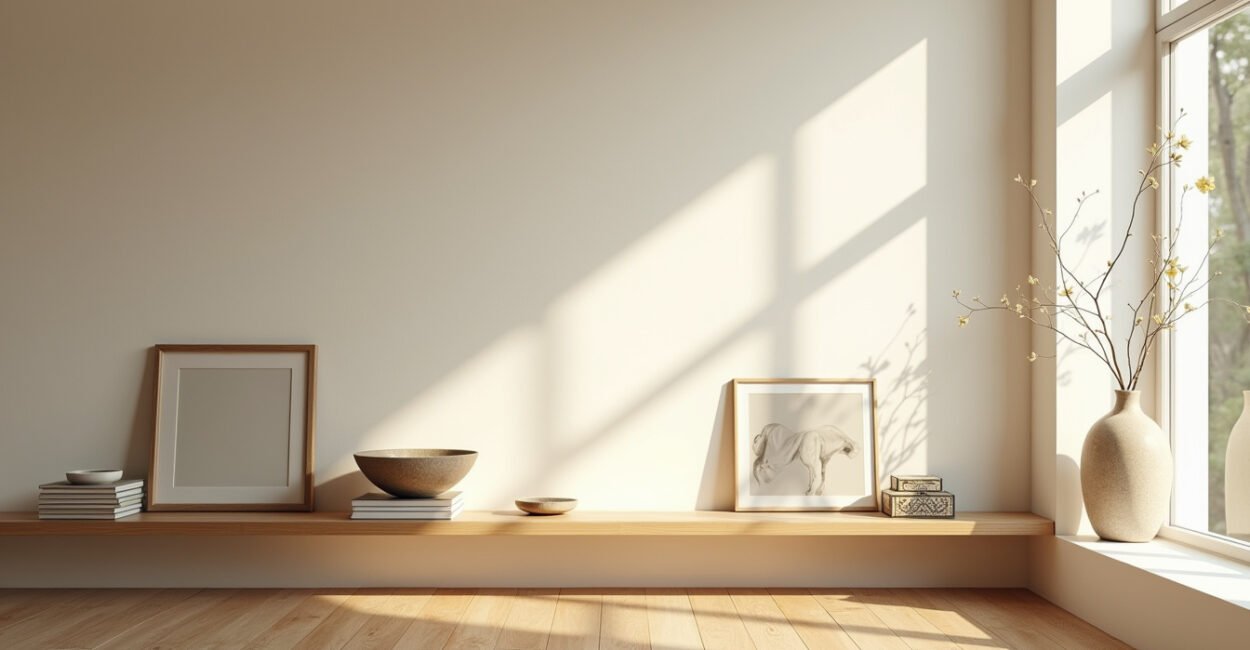
Photos that sell a space don’t try to show everything at once. They deliver three visual promises: natural light, depth, and an anchor object. Use morning or late-afternoon light to create soft shadows; position furniture diagonally to add depth; place one grounding piece — a leather chair, a dark coffee table — to give the eye a place to settle. These three elements photograph better than bold colors because they create a believable lifestyle, not a staged catalog.

Which Neutrals Attract Buyers (and Which Drive Them Away)
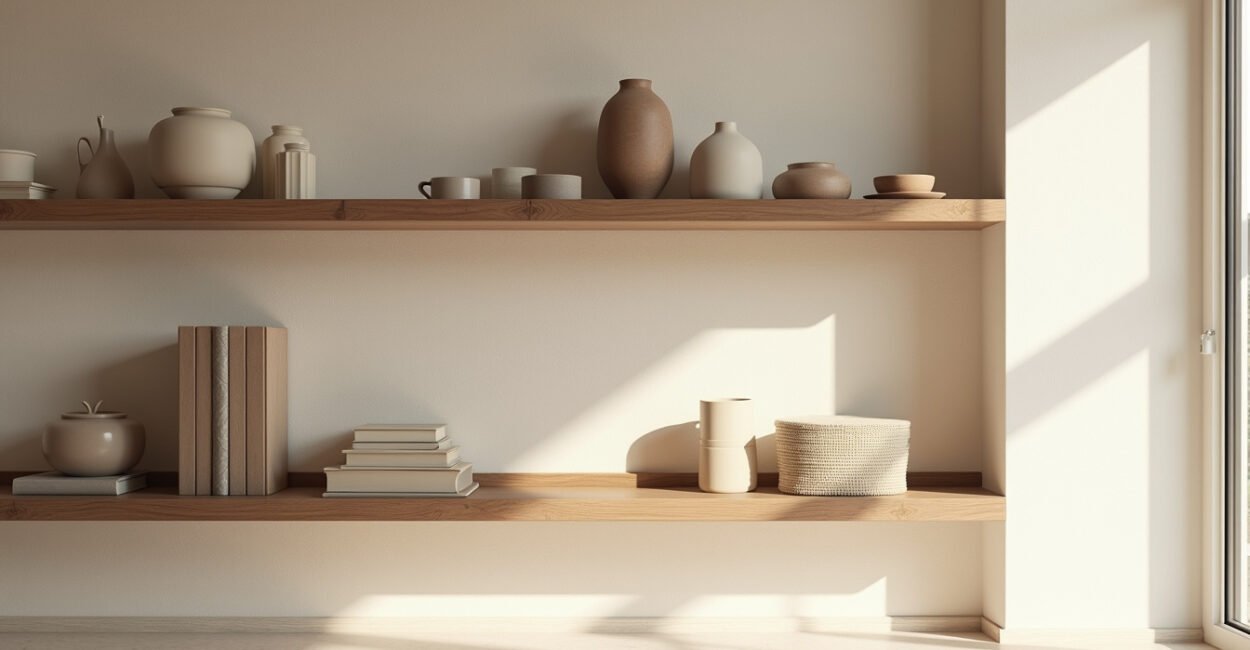
Not all neutrals are equal. Buyers respond best to warm greiges, soft greys with brown undertones, and creamy off-whites that read warm in photos. Cool, bluish-grays can feel clinical; stark white without texture often photographs cold. Think of it as seasoning: warm neutrals taste like home; cool neutrals taste like a showroom. A quick test—photograph a swatch in natural light and on-camera; if it reads flat or blue, swap it for a warmer option.
Small Tweaks That Keep Rooms Cozy Yet Modern
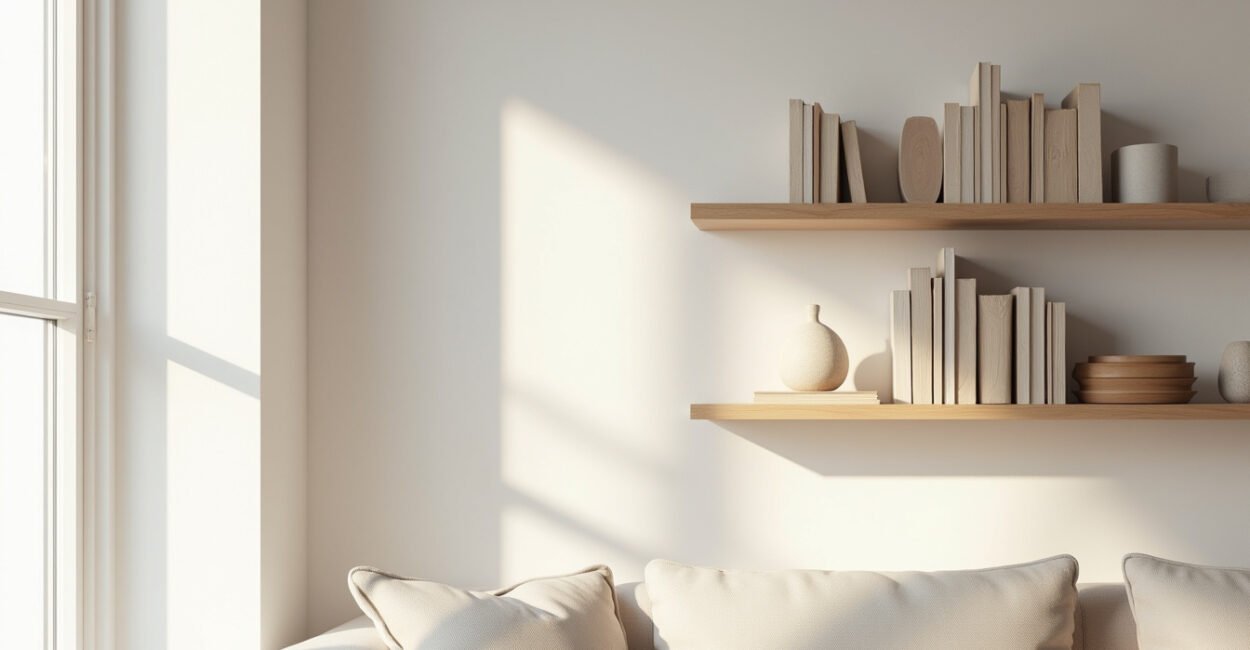
Cozy and modern are not opposites when you use texture and scale right. Layer a chunky knit throw over a slim sofa, add a matte ceramic vase, and swap shiny chrome for brushed metal. Scale is the secret—oversized cushions and low-profile rugs make rooms feel lived-in; slim, high-contrast accents keep them contemporary. Use plants with soft foliage (like a fiddle-leaf fig) to warm corners without introducing bright color.
Before/after: A Surprising Comparison That Proves the Point
Expect the after to be minimal and boring? Think again. An old rental living room photographed before staging showed clutter, mismatched patterns, and a loud teal sofa. After: neutral walls, a single warm grey rug, two matching lamps, and one dark walnut coffee table. The result wasn’t empty — it was focused. The listing’s views doubled. This expectation vs. reality comparison shows neutral staging doesn’t remove personality; it concentrates it so buyers notice what matters.
Common Mistakes People Make When Adopting the Neutral Trend
People often think neutral = dump everything beige. Mistakes to avoid:
- Using the same flat beige everywhere — creates visual boredom.
- Ignoring undertones — a “neutral” that photographs blue will feel cold.
- Over-accessorizing with tiny, competing items that read as clutter on camera.
- Skimping on lighting — neutrals need good light to show depth.
What to avoid most: trading warmth for sterility. Keep textiles, finishes, and a single dark anchor to bring rooms back to life.
Real-estate ROI: Why Buyers and Agents Love the Neutral Trend
Neutral staging translates to faster sales and higher perceived value because it accelerates emotional clarity: buyers can imagine living there, not repainting it. Agents report that neutral photos attract broader demographics and lead to more in-person visits. For sellers, the cost of swapping a few fabrics and one furniture piece is tiny compared to the price premium a staged, photo-ready home can command. For proof, look at aggregated listing metrics from design-forward markets: neutral-photo listings consistently outperform noisy, dated images.
For design tips grounded in research, the Smithsonian explored the psychology of color and space, revealing why restrained palettes feel trustworthy; Smithsonian Magazine offers a thoughtful overview. Market-level insights about listing photos and buyer behavior can be found on established consumer outlets like Consumer Reports, which tracks how presentation affects buyer decisions.
Neutral staging is not a design fad—it’s a communication strategy. When done well, it says: “This is livable, lovely, and ready for you.” The challenge now is choosing warmth over sterility; make that choice and the room will do the rest.
What is the Neutral Trend and Why is It So Popular Now?
The Neutral trend is a staging and design approach that prioritizes understated colors, textures, and balanced contrast to create calm, photogenic interiors. Its popularity stems from social media and listing photography—images that read as uncluttered and cohesive attract more attention. In a market where buyers scroll dozens of listings, neutral rooms give viewers mental space to imagine themselves living there, which shortens decision times and improves the perceived move-in readiness of a home.
Which Neutrals Photograph Best for Listings?
Warm greiges, creamy off-whites, and muted taupes typically photograph best because they maintain depth under varied lighting and avoid blue casts that can make a space feel cold. Test samples in natural light and on camera before committing. Texture matters more than exact hue: linen, wool, and matte finishes read as tactile on screen and help light behave in a flattering way, making rooms feel tangible rather than flat or sterile.
How Can I Make a Small Room Feel Cozy Without Using Color?
Focus on scale and material. Use a low-pile, warm-toned rug to anchor the floor, introduce layered lighting (ambient, task, accent), and add a couple of soft textiles like a throw and plush cushions. Mirrors can open sightlines but keep frames warm-toned. An oversized pillow or rounded armchair creates a sense of enclosure without needing bold color—texture and proportion create the sensation of comfort that buyers recognize instantly.
What Are the Most Common Staging Mistakes with Neutrals?
Common errors include relying on a single flat beige across everything, ignoring undertones that photograph poorly, cluttering a neutral space with many small objects, and failing to provide enough light or contrast. These mistakes make a room read as lifeless or confusing on camera. The fix is simple: introduce one dark anchor piece, layer textures, and check how the palette reads on your phone in different lighting conditions.
Can Neutral Staging Increase a Home’s Sale Price?
Yes—neutral staging often increases perceived value because it reduces visual friction for buyers, making homes look move-in ready and broadly appealing. Staged neutral listings usually attract more views and visits, shortening time on market. While exact premiums vary by market and execution, modest investments in textiles, lighting, and one or two key furniture swaps frequently yield returns greater than their cost through higher offers or a faster sale timeline.