Skip to content

A listing photo scrolls past, then — pause. The sunlit living room, the caramel armchair, the honeyed wood tones feel like an invitation you can almost sit in. That’s the power designers are arguing about: Warm palettes are exploding across staging feeds, but not everyone agrees they’re the smartest play for every property.
Some agents call them conversion gold. Others say warm tones can mask flaws and mislead buyers. Below, you’ll get both sides, practical photo tips that actually move pixels, and simple rules for when warm colors make a home feel cozy — and when they make it feel dated.
Why Buyers Stop Scrolling for Warm Palettes
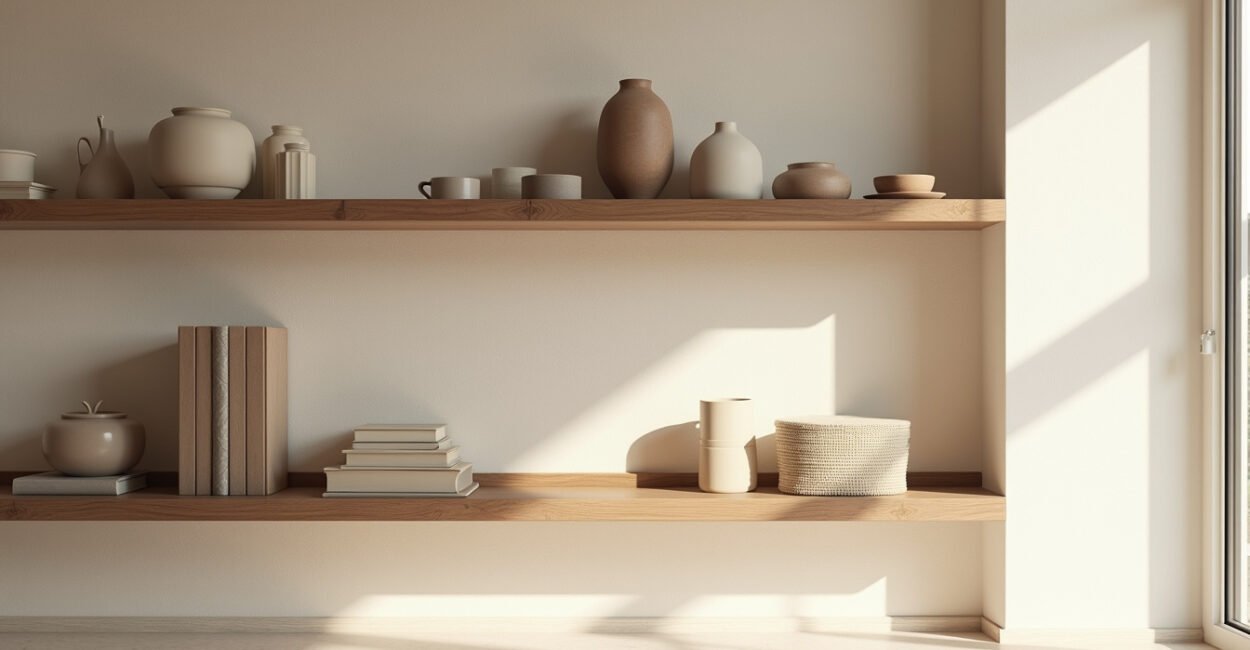
Images with warm light register differently in the brain: they trigger comfort and nostalgia. A quick A/B test on social showed listings with warm staging get higher engagement — not always clicks, but longer dwell time. Warm palettes sell a feeling faster than they sell facts.
- Warm light emphasizes texture (wool, wood, linen).
- It softens shadows, making spaces feel larger and more inviting.
- It telegraphs “move-in ready” to emotionally driven buyers.
The Hot Debate Among Designers: Authenticity Vs. Appeal
Designers split because warm palettes can both enhance and erase. One camp insists on authenticity—true colors, accurate finishes. The other prioritizes psychological impact: stage a room so buyers imagine living there immediately. Neither side is wrong; they just sell different outcomes.
Expect the authenticity group to push cooler, truer whites in kitchens and baths, while the appeal-focused pros lean into amber lamps and baked-earth textiles for living areas.

When Warm Tones Genuinely Boost Perceived Value
There are specific cases where warm palettes add measurable value: older homes with original woodwork, open-plan family rooms, and listings targeting buyers aged 35–55. In those scenarios, warm tones reinforce the home’s strengths.
- Historic homes: honeyed trim reads as original, not cheap restoration.
- Family-centric listings: warm tones feel safer and homier.
- Low-natural-light rooms: warmth compensates for gray daylight.
When Warm Palettes Backfire — And How to Avoid It
Warm staging can hide issues and prompt buyer regret. A warm wash over poor finishes or dated fixtures can create a disconnect during inspections. What looks cozy in a photo can become buyer disappointment in person.
- Avoid using amber filters to mask worn countertops — buyers notice in person.
- Don’t overuse saturated rusts in modern minimalist homes; they clash with clean lines.
- Be cautious in very small spaces; heavy warmth can feel claustrophobic.
Photo-impact Tips: Make Warm Palettes Pop Without Lying
Small technical changes keep warmth honest and clickable. Neutralize only what you need, then amplify texture and depth. Think like a photographer who wants truth to be flattering.
- White balance: shift slightly towards warm, but keep highlights readable.
- Layer light: add warm practicals (lamps, candles) instead of global filters.
- Contrast and clarity: boost to reveal texture—wood grain, woven fibers—so warmth feels tactile.
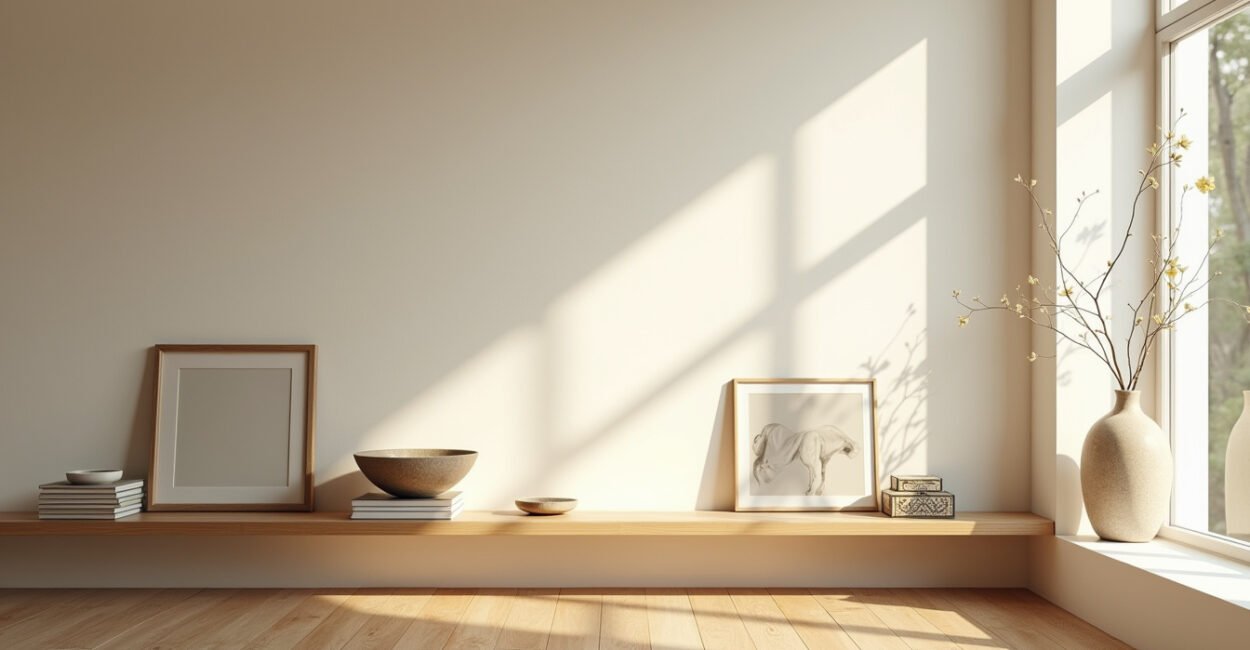
Comparison: expectation vs. reality — a living room bathed in an amber filter (expectation: instantly cozy; reality: hides scuffs). Instead, place a warm lamp near a textured throw and photograph at golden hour for authenticity and allure.
Mini-story: A Listing That Flipped an Open House
The house was a 1970s split-level with good bones and tired finishes. The stager swapped neon whites for warm off-whites, added a burnt-orange throw, and introduced two floor lamps with soft bulbs. Photos on the MLS drew 30% more clicks. At the open house, visitors lingered by the family room; three offers came within a week. No heavy editing, just honest warmth that made people imagine Sunday mornings there. That small change turned browsers into buyers.
Practical Rulebook: Choose Warm Palettes with Confidence
Make decisions with a short checklist. If three of the following are true, warm palettes are a smart move:
- Target buyer favors tradition or family living.
- Home has wood tones or architectural warmth to complement staging.
- Natural light is limited or cold.
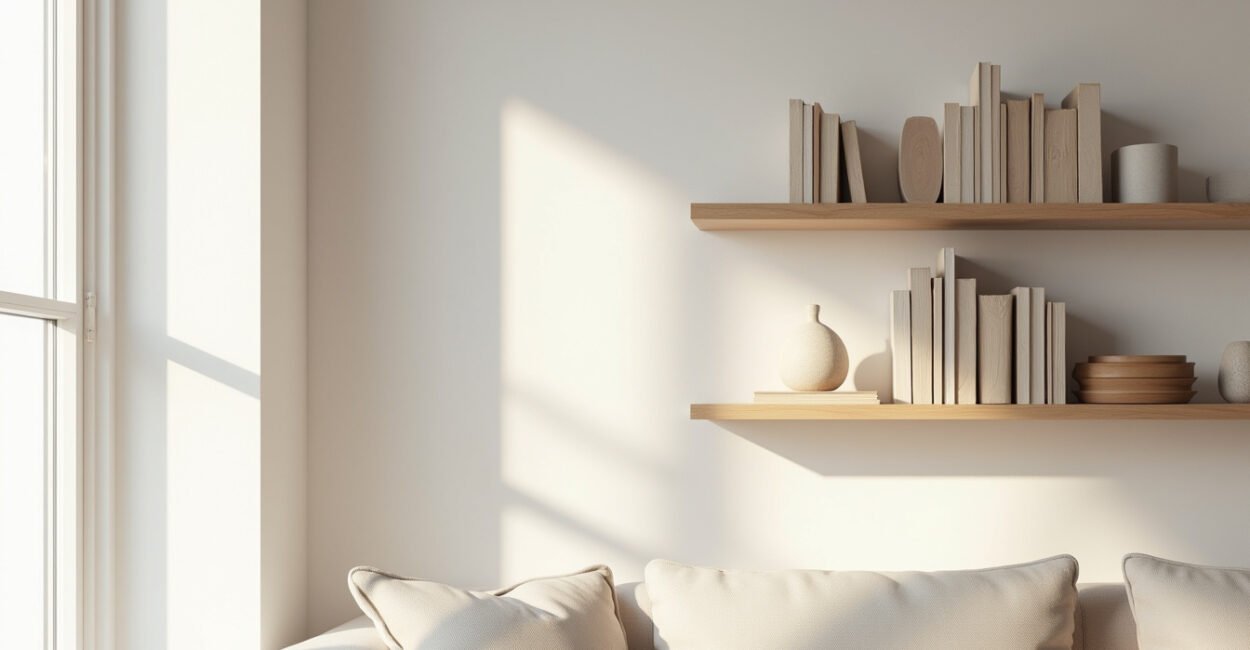
If the property is ultra-modern, has pristine white finishes, or aims at buyers seeking minimalism, favor neutral or cool staging and introduce warmth sparingly through textiles or art.
For authority, consult reputable styling and housing data: National Association of Realtors research on buyer preferences and Architectural Digest for styling case studies that show how tone influences perception.
Takeaway: Warm palettes are a tool, not a trend to copy mindlessly. When used honestly, they amplify a home’s best qualities and nudge buyers emotionally. Misused, they create a gap between expectation and reality that costs trust — and offers.
So next time a staging feed screams “warm everything,” ask: does this make the home itself feel better, or just the photo? The right answer sells the house.
Do Warm Palettes Work for Every Type of Buyer?
Warm palettes resonate most with buyers seeking comfort, tradition, or family-oriented spaces—usually ages 30–55. Young urban buyers who favor minimalist or Scandinavian aesthetics may prefer cooler, cleaner tones. It’s not universal: demographics, local market trends, and the home’s architectural style influence responses. Consider the target buyer profile before committing to a warm scheme. Testing visuals (A/B photos) on listing platforms can reveal which palette actually increases engagement for a specific audience.
How Can I Make Warm-staged Photos Look Authentic?
Authenticity comes from layering, not filters. Use real warm light sources (lamps, candles) and textiles with natural dyes, keep white balance close to reality, and photograph during golden hour when daylight itself adds warmth. Increase contrast modestly to show texture, and avoid global color overlays that flatten detail. Honest staging shows how a space feels in person—buyers will thank you at the walkthrough, because what they saw online matches reality.
What Are the Quickest Mistakes to Avoid When Using Warm Tones?
Three common errors: over-filtering images to the point of misrepresentation, using too much saturated color in small spaces, and masking structural issues with warmth. Each reduces trust or creates buyer disappointment. Instead, apply warmth strategically—accent pillows, a lamp, or wood finishes—and make sure critical selling points like kitchen countertops and bathrooms remain truthful in photos and in-person visits.
Can Warm Palettes Help in Low-light Properties?
Yes. Warm palettes can compensate for gray, cold daylight by adding perceived warmth and comfort. In low-light rooms, strategic placement of warm practicals (floor lamps, wall sconces) and warm-hued textiles reflect light pleasingly and make spaces feel more inviting. However, avoid over-saturating images—buyers need to assess true condition—so combine warm lighting with accurate exposure and minimal color grading.
Should Real Estate Photos Be Edited Differently for Warm Staging?
Edit with restraint: correct lens distortion, balance exposure, and adjust white balance slightly toward warm if it matches actual staging. Enhance texture and clarity to showcase materials, but avoid heavy color grading that misrepresents finishes. Use local adjustments (burn/dodge) to guide the eye rather than global filters. The goal is to present a flattering yet honest depiction so buyers feel compelled to visit and not surprised when they arrive.