Skip to content

The first thing you notice is the light—soft, indirect, moving across the desk. That alone can change a morning. Biophilic design is creeping into home offices not as a luxury trend but as a low-cost productivity hack: a plant where the eye rests, a window view framed like art, even a pebble on a shelf that anchors breath. These tweaks are why feeds are full of viral “work-from-home jungle” posts—and why some of them actually work.
Why Small Changes Suddenly Feel Like Big Productivity Wins
One small visual anchor can reduce decision fatigue and improve focus. Offices with a single plant, a natural-textured mousepad, or a clear sightline to a window report better concentration. The effect is partly neurological: natural elements lower stress hormones and shorten recovery from mental fatigue. Practical takeaway: you don’t need a forest—pick one element to redesign your focal point, and let the rest follow.
The Cheapest Swaps That Change Air Quality and Mood
Good air doesn’t need an expensive purifier. Simple swaps—opening a window for 5–10 minutes hourly, adding a snake plant or pothos, and swapping synthetic sprays for essential-oil diffusers—deliver measurable improvements. A classic comparison: a sealed apartment room versus a room with even modest natural ventilation often shows a clear drop in CO2 and perceived stuffiness. Those few dollars and minutes buy better sleep, fewer headaches, and clearer thinking.

Which Viral Biophilic Ideas Actually Deserve the Hype
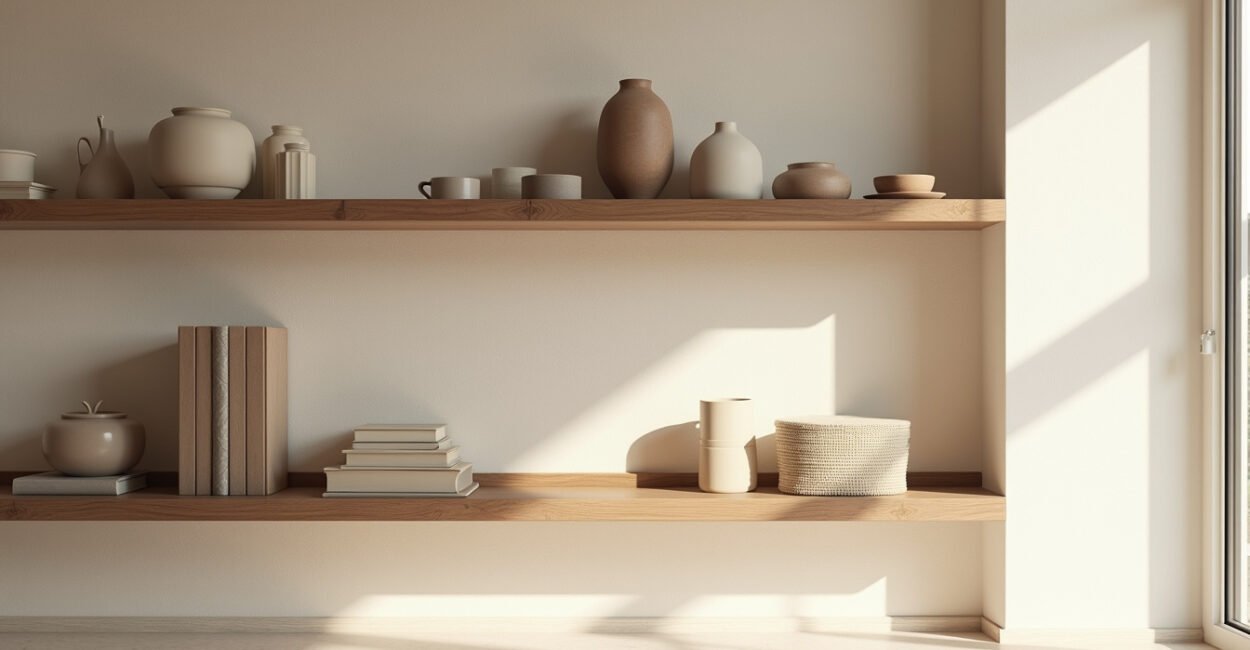
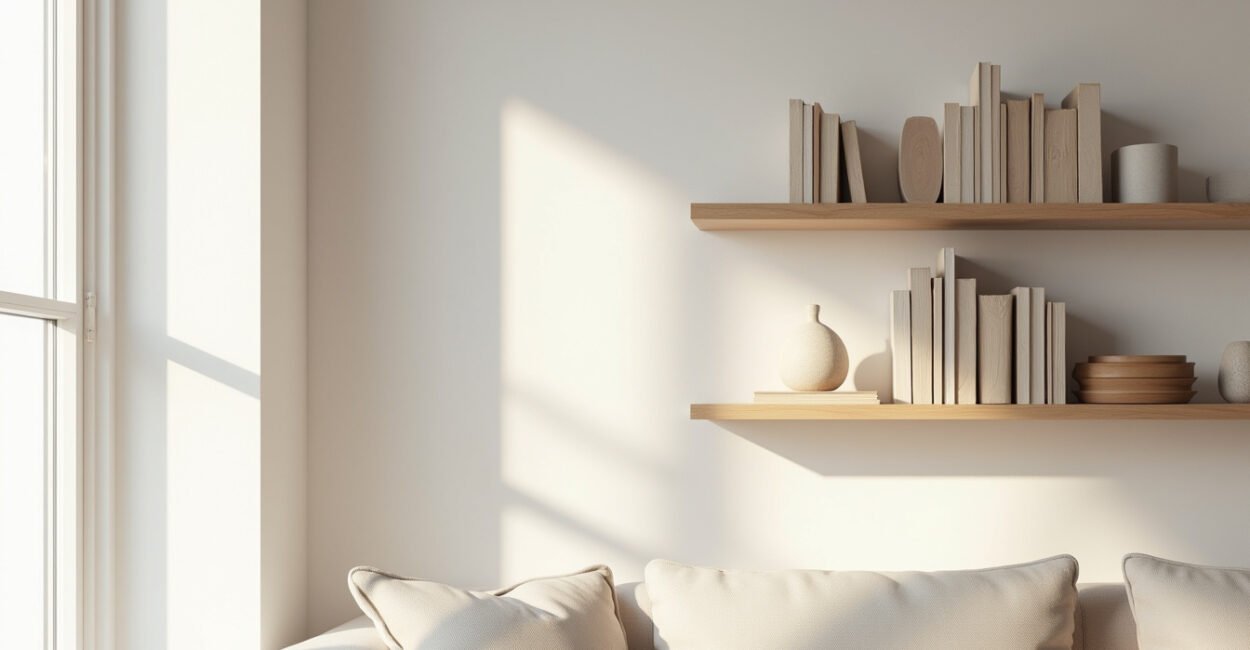
Not every Instagram setup is practical—some are brilliant, some are gimmicks. Moss walls can be stunning but need maintenance or professional installation. Hanging terrariums are lovely but fragile. The viral winners are low-maintenance and sensory: a tactile rug in natural fiber, a lamp that mimics sunset tones, or a bookshelf with curated plants and stones. Choose one bold piece, then maintain it—consistency beats chaos.
The Quick “before/after” Comparison That Proves the Point
Expectation: expensive overhaul. Reality: targeted edits that shift behavior. Before: neutral desk, overhead LED, phone clutter. After: daylight-matched lamp, single trailing plant at eye level, wooden tray for essentials. The before is functional; the after reduces micro-distractions and invites longer deep-work stretches. That contrast shows why small investments often give outsized returns in attention and wellbeing.
Common Mistakes People Make (and How to Avoid Them)
Trying to copy an influencer setup without a plan is the fastest route to wasted money.
- Buying many plants that die from neglect—start with one resilient species like pothos.
- Overdoing scents—strong fragrances create headaches for long work sessions.
- Blocking natural light with too many items—keep sightlines clear.
- Ignoring ergonomics—beauty without posture support is a trade-off you’ll regret.
A Tiny, True Mini-story: How a Pebble Beat a Task List
She placed a smooth river pebble on the corner of her desk after a long week of scattered tabs. Every time attention wandered, she touched it for two breaths and reset. After a month, she realized deadlines were met more calmly; the pebble became a cue for focused work. This is not magic—it’s a physical interrupt that creates a habit loop: cue, action, reward. Small tactile anchors like this are underrated and almost free.
How to Start Today: A 30-minute Biophilic Makeover for Any Budget
Thirty minutes, three moves, one visible change. Step 1: clean one square foot of surface—clear clutter. Step 2: add a living plant or natural object and place it at eye level. Step 3: adjust lighting—set a warm desk lamp or angle blinds to reduce glare. Repeat weekly: one object, one surface, one lighting tweak. These micro-iterations compound fast.
According to studies from reputable sources, exposure to natural elements in indoor spaces lowers stress and improves cognitive function—so this trend is more than aesthetics. For technical guidance and ventilation benchmarks, see EPA recommendations on indoor air quality and practical ergonomics resources like NIOSH ergonomics guidance. Use them to pair design choices with real health outcomes.
Pick one visible change today. Not a full room makeover—just one object that draws the eye and calms the mind. That single choice is how a fad becomes a personal habit.
What is Biophilic Design and Do I Need to Spend a Lot?
Biophilic design means bringing natural elements, patterns, and processes into indoor spaces to improve wellbeing and performance. You don’t need to spend much: start with low-cost items like a resilient plant (pothos, snake plant), a wooden tray, or a tactile object for focus. Often the most effective changes are about arrangement—framing a window, clearing a sightline, or choosing daylight-matched lighting—rather than expensive installations. Small, consistent edits beat occasional big spending.
Which Plants Are Best for Small or Dim Home Offices?
Pick plants that tolerate low light and infrequent watering: pothos, snake plant (Sansevieria), ZZ plant, and philodendron are reliable. Succulents can work if you have a sunny spot, but avoid high-maintenance tropicals unless you’re committed. Place plants where you see them easily—near your peripheral vision—so they work as a calming cue. If allergies are a concern, opt for faux foliage with natural texture or air-purifying varieties recommended by public health sources.
How Much Does Biophilic Design Actually Improve Focus and Air Quality?
Effects vary, but consistent evidence shows natural elements reduce stress and cognitive fatigue and modestly improve perceived air quality. Plants alone won’t replace ventilation, but they can help with humidity and some VOC absorption. For measurable air improvements, combine plants with ventilation strategies like periodic window opening or an air exchange system. Trustworthy institutions such as the EPA outline practical air-quality steps to pair with design moves for better results.
Are Moss Walls or Elaborate Installations Worth It in a Tiny Apartment?
Moss walls are visually striking but can be high-maintenance and costly; they’re not the smartest first move in a small space. If you love the look, consider a small framed preserved moss panel or a mounted living planter that fits one wall. The principle is prioritizing function: choose elements that require little upkeep and don’t compete with ergonomics. Often, a simple plant cluster and a nature-inspired print deliver most of the psychological benefits at a fraction of the cost.
How Do I Measure Whether These Changes Actually Help My Work?
Choose simple, trackable metrics: number of distraction-free deep-focus sessions per day, subjective stress ratings, sleep quality, or how often you leave the desk to reset. Use a short baseline for a week, make one change (lighting, plant, or layout), and track for two weeks. Small consistent improvements—like one more uninterrupted hour or fewer midday headaches—are meaningful. Combine personal tracking with objective steps like better ventilation to isolate effects.