Skip to content

A single wrong nail hole can cost you part of a security deposit, and that’s why renter-friendly wall decor solutions matter more than most people realize. The goal is not just to make a space look good; it’s to decorate in a way that comes off cleanly when you move out, without paint damage, torn drywall paper, or a landlord conversation you did not want to have.
In practical terms, renter-friendly wall decor means any wall treatment that adds visual interest while staying removable, lightweight, or low-impact. That includes adhesive hooks, removable picture hanging strips, peel-and-stick wallpaper, fabric panels, oversized art leaned on furniture, and even shelves that use existing holes instead of creating new ones. This article breaks down what works, what fails, and how to choose the right option for your wall type, lease rules, and budget.
What You Need to Know
- The safest wall decor for rentals is removable, load-appropriate, and matched to the wall surface, not just marketed as “damage-free.”
- Adhesive products work well on smooth, painted drywall, but they can fail on textured paint, humid rooms, or freshly painted walls.
- Large-format art, fabric, and lean-to styling can make a room feel finished with almost no wall contact at all.
- Reading the lease and saving product packaging until move-out is a smart habit, because “removable” does not always mean “guaranteed residue-free.”
- The best result usually comes from combining two or three low-impact methods instead of relying on one product everywhere.
Renter-Friendly Wall Decor Solutions That Protect Your Walls and Deposit
The technical idea here is simple: minimize surface penetration, spread weight evenly, and use adhesives that are designed for clean release. In plain English, the best rental wall decor adds style without forcing you to patch drywall later. That distinction matters because many products are “removable” in theory but still leave behind paint pull, sticky residue, or tiny dents if they are overloaded or removed too quickly.
Why “Damage-Free” is Not Always Damage-Free
Packaging language can be optimistic. A command hook, for example, may remove cleanly on satin paint but lift a patch of old, poorly primed paint if the surface is already weak. That is why wall condition matters as much as the product itself. If the paint is fresh, soft, textured, or cheap, the risk goes up fast. The Federal Trade Commission has long warned consumers to read product claims carefully, and that same habit pays off here.
The Best Rule of Thumb
If the item is light, flat, and replaceable, adhesives and strips are usually fine. If it is heavy, glass-fronted, or likely to get bumped, plan for a different approach. Who works with rentals day after day knows this: the safest wall setup is the one that suits the object’s weight instead of forcing a decorative shortcut.
Renter-friendly wall decor works best when the product, the wall surface, and the load rating all match; any one of those three being wrong can turn a “safe” solution into a repair problem.
Adhesive Strips, Hooks, and Putty: Where They Work Best
Adhesive-backed hardware is the most common starting point because it solves the everyday problem of hanging things without nails. Removable picture hanging strips, adhesive hooks, and museum putty all serve different jobs, and mixing them up is where people get into trouble. The real advantage is flexibility: you can hang frames, string lights, lightweight mirrors, small organizers, and seasonal decor without permanent hardware.
Picture Hanging Strips for Frames
Use these for framed art, canvas prints, and lightweight mirrors that stay within the manufacturer’s weight limit. The strip system depends on a clean, dry wall and a wait time before loading, so impatience tends to be the enemy. I’ve seen plenty of people hang a frame, panic when it shifts, and press harder. That usually makes adhesion worse, not better.
Adhesive Hooks for Utility and Decor
Hooks are excellent for garlands, string lights, lightweight wreaths, and even small wall organizers. They are not a substitute for anchors in serious weight-bearing situations. The best habit is to check the stated load rating, then cut that in half in real-world use if the wall is textured or the item will be tugged often.
- Use strips for flat-backed frames and art panels.
- Use hooks for hanging decor with loops, cords, or wire.
- Use museum putty for small objects that sit on shelves or ledges.
When Putty Helps
Museum putty is underrated. It works well for small decorative objects, especially on shelves near windows or in homes with pets. It is not for everything, though. On porous surfaces or delicate finishes, it can leave residue. That’s why I treat it as a stabilizer, not a universal wall solution.


Removable Wallpaper and Decals That Change a Room Fast
Peel-and-stick wallpaper is one of the fastest ways to transform a rental because it adds color, pattern, and visual weight without repainting. It is also the solution most likely to disappoint people who expect it to behave like traditional wallpaper. Surface prep matters a lot here. Clean, smooth, fully cured paint gives the best chance of easy removal; textured walls and low-quality paint increase the odds of lifting or tearing during take-down.
Best Uses for Peel-and-Stick Materials
Accent walls, closet interiors, nursery corners, and behind open shelving are the sweet spots. These areas get impact without requiring large amounts of pattern alignment or complicated edge work. Smaller applications also make future removal less stressful. If a whole-room install sounds too risky, try a single panel or a narrow vertical section first.
Wall Decals for Light Visual Interest
Wall decals are more forgiving than full wallpaper because they create less surface tension. They work especially well for kid rooms, home offices, entryways, and temporary styling for events. A lot of people skip decals because they think they look juvenile, but modern geometric and botanical options can feel surprisingly refined when used sparingly.
For product guidance, the U.S. Department of Energy offers useful reminders about indoor environments and material choices, which matters when you are bringing new adhesives and vinyl into a lived-in space. For planning your room setup, that broader lens helps you think beyond aesthetics and into comfort, light, and surface conditions.
Art That Looks Intentional Without Heavy Installation
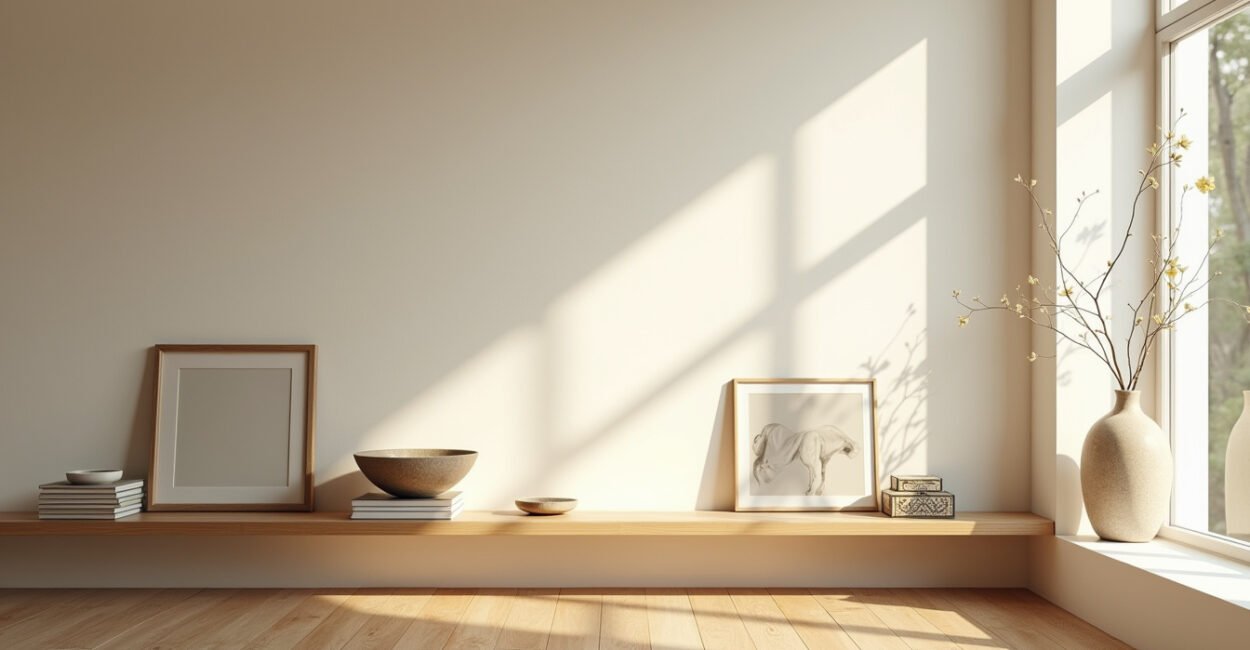
One of the most effective wall decor strategies in a rental has almost nothing to do with sticking things to the wall. Leaning large art against a wall on a console table, dresser, or picture ledge creates a finished look with very little risk. The trick is scale. A small piece leaned casually can look accidental; a larger frame or canvas reads as deliberate and polished.
Oversized Pieces Beat a Cluster of Tiny Ones
People often default to a gallery wall because it seems decorative, but it also multiplies your risk. More pieces mean more hooks, more spacing decisions, and more chances for one element to shift or fail. One oversized print can do more for a room than six small items, especially in a rental with limited wall repair tolerance.
Use Existing Furniture as the Anchor
Place art on top of bookcases, behind sofas, on mantels, or against bed headboards. That approach works well in living rooms and bedrooms because it adds height without asking the wall to carry the whole visual load. A simple example: a renter in a 600-square-foot apartment used one 30-by-40-inch canvas leaned behind the sofa, plus a lamp and a plant on the side table. The room looked styled, not temporary, and nothing touched the wall.
The easiest way to make rental decor look expensive is to use fewer, larger pieces and let furniture do part of the visual work.
Low-Impact Shelving, Rails, and Picture Ledges
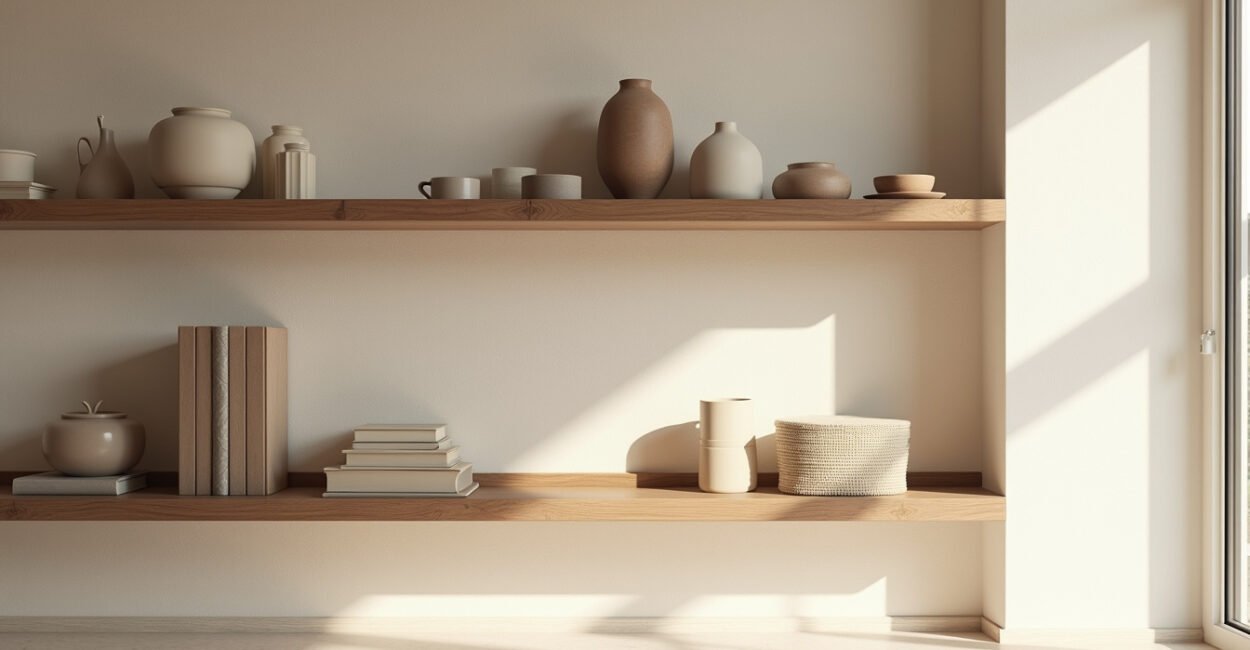
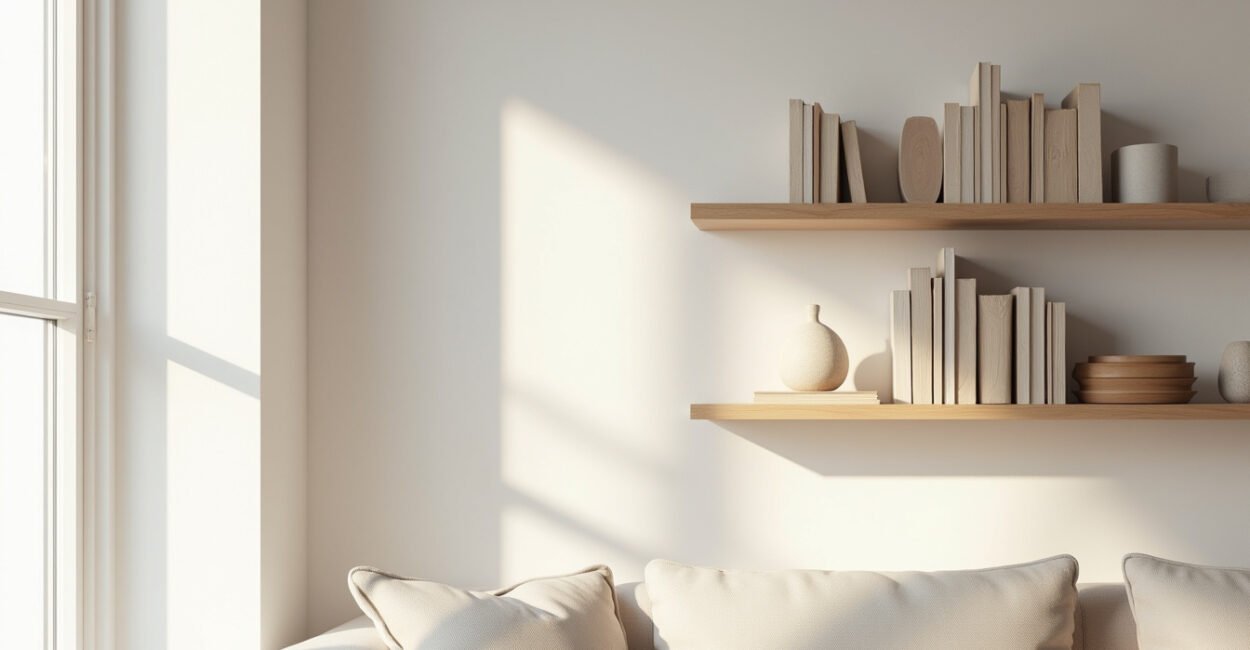
Not every wall solution has to be purely decorative. Picture ledges, slim rails, and lightweight shelf systems can hold art, books, ceramics, and plants while still respecting rental limits. The key is choosing systems that use minimal penetrations or existing hardware. In some apartments, you can even repurpose old anchor points from previous tenants if the lease and condition report allow it, though that depends entirely on the landlord’s rules.
Picture Ledges for Flexible Displays
Ledges are a strong choice because they let you swap decor seasonally without creating new holes each time. They work especially well in hallways and above desks where you want variety without commitment. Just keep weight realistic; a ledge full of books or heavy glass is not the same as a ledge holding framed prints.
When a Rail System Makes Sense
Picture rails and hanging systems are common in older buildings and some European-style apartments. They are fantastic when available because they shift the support point away from the wall face. If your unit already has them, use them. If not, installing one usually crosses into landlord-approval territory, so this is not the place to improvise.
| Decor Option | Best For | Risk Level | Notes |
|---|---|---|---|
| Picture hanging strips | Frames, lightweight mirrors | Low to moderate | Best on smooth, cured paint |
| Adhesive hooks | Garlands, lights, small decor | Low | Respect load ratings |
| Removable wallpaper | Accent walls, closets | Moderate | Prep and wall texture matter a lot |
| Leaned art | Large statements, layered styling | Very low | No wall attachment needed |
| Picture ledges | Flexible rotating displays | Low to moderate | Depends on anchoring method |
How to Match the Solution to Your Wall Type and Lease Rules
This is where good intentions either become a smart setup or turn into a move-out headache. Drywall, plaster, textured finishes, and freshly painted surfaces all behave differently. A product that holds beautifully on one wall may fail on another, and some landlords are stricter about visible marks than others. Your lease is not just paperwork here; it is part of the design brief.
Check the Wall Before You Buy Anything
Run your hand lightly across the surface. If it feels rough or grainy, expect weaker adhesion. If the paint is new, give it time to fully cure before using adhesive products. For unusual surfaces—like plaster, brick, or heavily textured drywall—ask for permission before you assume a “damage-free” option will behave as advertised.
Read the Lease Like a Repair Checklist
Look for language about nails, adhesives, painting, and restoration at move-out. Some leases prohibit adhesive products entirely, while others allow them if they do not leave residue. That distinction matters. The safest move is to treat the lease as the final rule, not the marketing label on the package.
The U.S. Department of Housing and Urban Development offers renter guidance that can help you understand the basics of tenant responsibility and documentation. If you ever need to prove the condition of a wall before and after decor changes, photos and product receipts can save time later.
The Small Habits That Prevent Wall Damage at Move-Out
Most rental wall damage happens during removal, not installation. People rush, pull strips too fast, ignore weight limits, or remove products when the room is cold and the adhesive is stiff. That is why the final step in a renter-friendly setup is not choosing the product; it is planning the exit. Good decor habits protect both the look of the room and the condition report on your way out.
Document Everything You Hang
Take a quick photo of what you installed and keep the packaging or product names until move-out. If there is ever a question about whether an item was rated for the load you used, you will have the details. That sounds tedious, but it is far easier than arguing about a tiny patch of paint six months later.
Remove Slowly and Warmly
Follow the release instructions exactly. In many cases, warming the adhesive slightly with room heat, then pulling it parallel to the wall, reduces the chance of tearing paint. If a strip resists, stop and try again rather than forcing it. The wall is telling you something, and you should listen.
The most common mistake in rental decor is not choosing the wrong product; it is removing the right product the wrong way.
What to Do Now If You Want a Better-Renting Wall Setup
The smartest approach is to pick one room and build from the least risky option outward. Start with leaned art or a ledge, add adhesive hooks only where needed, and reserve wallpaper or larger adhesive systems for smooth, testable surfaces. That order gives you style without forcing your apartment into a permanent state of experimentation. It also helps you find out what your walls can actually handle before you commit everywhere.
If you are choosing renter-friendly wall decor solutions for a new place, test one small area first, read the lease before installing anything, and prioritize lightweight pieces over heavy ones. The best rental decor is not the most ambitious; it is the one that still looks good when you unpack on move-in day and when you hand back the keys.
Frequently Asked Questions
Do Command Strips Really Work for Rental Wall Decor?
Yes, command strips can work very well for frames, lightweight mirrors, and small decor when the wall surface is smooth, clean, and fully cured. They are not a universal fix, though. Textured paint, humidity, and overweight items all reduce performance. The safest approach is to stay within the stated load limit and treat the wall itself as part of the equation, not just the product label.
Can I Use Peel-and-stick Wallpaper in Every Apartment?
No, and that is the part people often miss. Peel-and-stick wallpaper performs best on smooth, well-prepped walls, and it can behave badly on fresh paint, heavy texture, or fragile finishes. Some landlords also restrict adhesive wall coverings in the lease. A small test panel is the best first step because it shows how the material behaves before you commit to a full wall.
What is the Safest Way to Hang a Heavy Mirror in a Rental?
The safest method depends on the mirror’s weight and your lease rules. For heavier pieces, use existing wall studs, approved anchors, or a floor-leaning setup instead of relying on light-duty adhesive hardware. If you do hang it, make sure the hardware is rated for more than the mirror’s actual weight. A heavy mirror is one place where “damage-free” products usually stop being the right tool.
How Do I Keep Wall Decor from Damaging Paint When I Move Out?
Remove adhesive products slowly, follow the manufacturer’s release instructions, and avoid pulling straight out from the wall. It helps to remove items at room temperature rather than in a cold space where adhesive becomes stiffer. Keep a photo record of what you installed, and save the product packaging until you leave. That simple habit makes it easier to confirm what was used if there is any dispute later.
What Wall Decor Looks Good Without Drilling Holes?
Large leaned art, picture ledges, removable wallpaper, adhesive hooks, and layered shelf styling all create a finished look without drilling. In many rooms, one oversized framed print and a few intentional accents look better than a crowded wall full of tiny pieces. The trick is to use scale and spacing well so the room feels designed, not temporary.