Skip to content

A south-facing window in the wrong spot can make a room feel worse, not better. That is the part most people miss when they look up passive solar window placement rules: the goal is not “more glass,” but the right glass, in the right place, with the right shading and interior layout.
Passive solar design uses the building itself to collect, store, and regulate heat from the sun. In plain English, it means your windows, overhangs, thermal mass, and room layout work together so winter sun helps and summer sun does not overheat the house. The details matter because window orientation, glazing type, size, and shading change daylight, comfort, and energy use in very different ways.
O Que Você Precisa Saber
- Window placement matters more than window size alone, because orientation controls when the sun enters the house and how much useful heat it delivers.
- South-facing glass is usually the easiest to manage in the Northern Hemisphere, but the real rule is to match glazing, shading, and room use to the climate.
- High-solar-gain glazing can be a win in cold climates and a problem in hot mixed climates if you ignore summer shading.
- Thermal mass only helps when sunlight actually reaches it, so floors, walls, and furniture placement affect performance more than many homeowners expect.
- The most common mistake is chasing daylight while ignoring glare, overheating, and privacy, which can erase the benefits of passive solar design.
Passive Solar Window Placement Rules That Shape Comfort and Heat Gain
Technically, passive solar window placement is the process of locating and sizing glazing so solar radiation enters the building at useful times and is either stored or blocked depending on the season. In everyday terms, it means putting windows where the sun helps the house when you want heat and staying out of the sun’s way when you do not.
For homes in the Northern Hemisphere, the first principle is still the most useful: prioritize south-facing glass, then treat east and west very carefully, and keep north-facing openings modest unless daylighting is the main goal. That rule is common in U.S. Department of Energy passive solar guidance, and it lines up with what builders see on real projects.
Passive solar success is not about maximizing window area; it is about matching solar access, glazing performance, and shading to the way each room is actually used.
1) Favor South Exposure for Usable Winter Gain
South-facing windows collect the most controllable sun in the Northern Hemisphere because the sun stays lower in the sky during winter and higher in summer. That lower winter angle lets sunlight reach deeper into a room, where it can warm floors, masonry, or other thermal mass. In practice, this is the easiest orientation to design around because overhangs can block high summer sun while allowing low winter sun to enter.
If your climate has long heating seasons, this orientation is usually where the biggest passive solar payoff lives. If you live in a hot climate, though, “more south glass” is not a free win; it can become a cooling burden unless shading is precise and interior heat storage is limited.
2) Keep East and West Windows Small and Purposeful
East and west windows are the trickiest part of the envelope because they admit low-angle sun. That low angle is hard to shade with roof overhangs, and it creates glare and heat spikes at the worst times of day. West glazing, especially, tends to produce late-afternoon overheating in rooms that already hold heat from people, appliances, and cooking.
Who works with this long enough knows that a pretty west-facing view can become a comfort complaint by July. If you need those openings, use smaller glazing areas, exterior shading, low-SHGC glass, or landscaping that filters afternoon sun without killing daylight completely.
3) Use North Windows for Light, Not Solar Heating
North-facing windows give steady, diffuse daylight with very little direct solar heat. That makes them useful for workspaces, studios, kitchens, and circulation areas where glare control matters more than heat gain. They are not a major passive heating tool, and treating them like one usually leads to disappointment.
This is where daylighting and passive solar design get confused. A room can be bright without being a heat source, and north glass is often best at delivering that kind of balanced light. The National Renewable Energy Laboratory has long emphasized how daylighting and thermal control must be coordinated, not optimized separately.
Glazing Choices Decide Whether Windows Help or Hurt
The window frame location is only half the story. Glazing type, solar heat gain coefficient (SHGC), U-factor, and visible transmittance determine how much energy crosses the glass and how much comfort you actually get. A window that looks “efficient” on a brochure can still be a poor passive solar choice if its SHGC is too low for winter gain or too high for summer exposure.
| Glazing Factor | What It Controls | Why It Matters in Passive Solar Design |
|---|---|---|
| SHGC | How much solar heat enters | Higher is useful for winter gain; lower helps prevent summer overheating |
| U-factor | How much heat escapes | Lower values reduce winter losses through the glass |
| Visible Transmittance | How much daylight passes through | Helps you balance brightness with solar control |
Low-E Glass is Not One Thing
Low-emissivity coatings can be tuned for different outcomes. Some products admit more solar heat, while others reject it. That difference matters a lot: a climate-appropriate low-E coating can support passive solar heating, but the wrong one can shut down the very winter gain you were trying to capture.
That is why product selection should follow climate, orientation, and room function, not just U-factor alone. There is a real tradeoff here, and specialists do not all agree on one universal “best” glazing package because the right answer changes with latitude, shading, and heating load.
A window with excellent insulation can still be a poor passive solar window if its solar heat gain is mismatched to the climate and orientation.

Size Windows for the Room, Not for a Design Trend
Window size should follow the room’s heating needs, glare tolerance, and daylight target. Bigger is not automatically better. In passive solar work, oversized glass can create a feast-or-famine pattern: too much heat on sunny days, too much loss on cold nights, and too much glare in between.
A practical rule is to think in terms of balance rather than maximum glazing. Living areas often benefit from more carefully placed glass, while bedrooms, offices, and media rooms usually work better with tighter control. The right ratio depends on climate, insulation, and how much thermal mass the room has available to absorb the sun.
Thermal Mass Needs Direct Sun
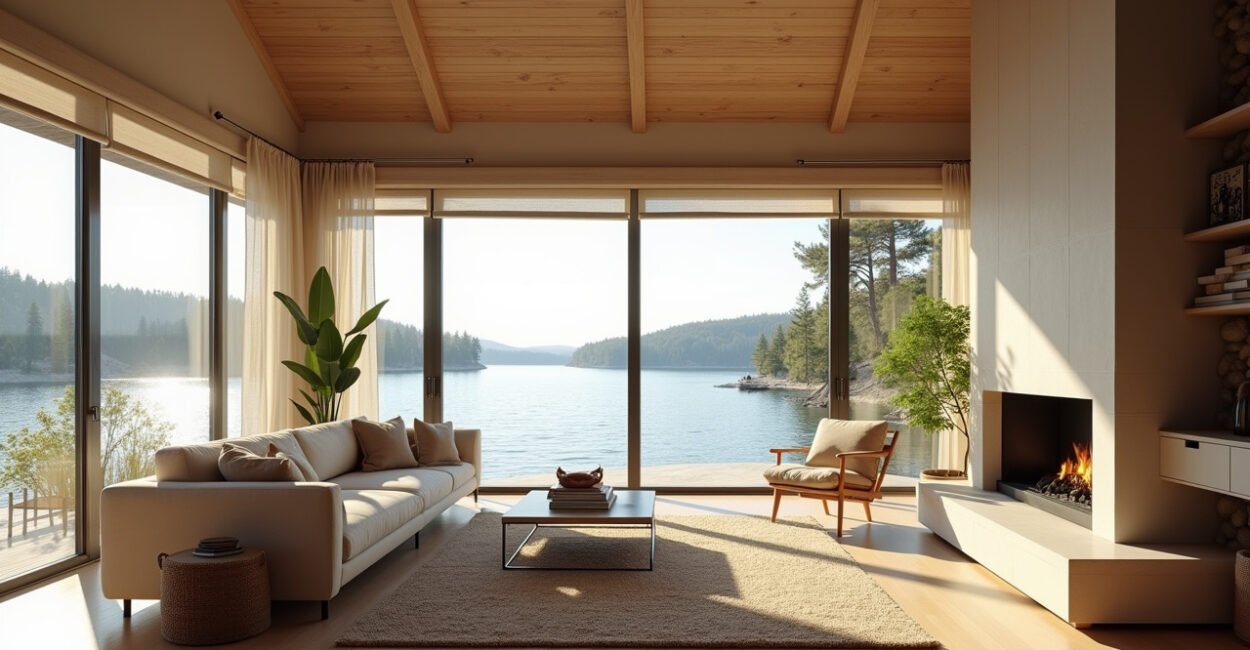
Concrete floors, tile, masonry walls, and even dense plaster can absorb daytime solar heat and release it later. But this only works if sunlight actually reaches those surfaces. A room full of rugs, tall furniture, and wall coverings may look cozy, yet it blocks the very heat storage you were counting on.
I have seen homes where the south windows were technically perfect, but the performance never showed up because a sofa, bookcase, and thick drapes sat directly in the sun path. The fix was not more glass. It was clearing the sun’s line of sight so the floor could do its job.
Shading Must Change with the Season
Good passive solar design depends on seasonal control. Winter sun is useful; summer sun often is not. Exterior shading is usually more effective than interior blinds because it stops heat before it enters the glass. Overhangs, awnings, pergolas, deciduous trees, and adjustable louvers all have a place, depending on climate and architecture.
The rule of thumb is simple: block high summer sun, allow low winter sun, and fine-tune for spring and fall. That sounds straightforward until you realize the sun path changes by latitude and by month, which is why fixed rules should be adapted rather than copied from a different climate zone. A good overview of sun-path basics is available through academic climate-responsive design resources.
Exterior Shading Beats Interior Curtains
Inside blinds reduce glare, but they do not stop most of the heat from crossing the glass first. Exterior shading works earlier in the process, so it prevents a large share of that heat from ever entering the room. That difference is why a modest awning can outperform a heavy curtain when the goal is passive comfort.
There is one limit worth stating clearly: exterior shading can reduce winter gain if it is too aggressive or fixed in the wrong angle. That is why adjustable systems or carefully calculated overhangs tend to outperform one-size-fits-all solutions.
Plan Room Layout Around Solar Access and Daily Use
Passive solar windows only perform well when the room behind them is designed to receive and use the energy. South-facing living spaces, dining rooms, and shared family zones usually make more sense than storage closets or hallways. You want the sun where people spend time and where heat can actually be absorbed.
Place frequently used furniture so it does not block light paths, but do not force the whole room to live in direct sun. The best layouts allow sunlight to reach thermal mass and still let occupants sit, work, and move without glare in their eyes. If a window makes a room beautiful at 9 a.m. but unusable at 3 p.m., it is not a good design choice.
A Small Real-World Example
A couple renovating a one-story house wanted a large west-facing picture window because the sunset view looked amazing. The first summer after installation, the family room became the hottest space in the house by late afternoon. They added exterior shading, cut the window’s solar exposure with landscaping, and shifted their seating away from the glass. The room stayed bright, but the cooling problem dropped fast.
Common Mistakes That Quietly Ruin Passive Solar Performance
The most common mistakes are not dramatic. They are small design decisions that stack up: too much west glass, low-quality glazing, no shading plan, furniture blocking thermal mass, and a layout that ignores how the sun moves. Any one of those may seem minor. Together, they can erase most of the benefit.
- Using fixed window sizes copied from a plan book without checking orientation.
- Choosing glass for insulation only and ignoring SHGC.
- Relying on interior blinds instead of exterior shading.
- Putting large windows where people need privacy or glare control more than heat.
- Covering thermal mass with carpets, rugs, or oversized furniture.
The National Fenestration Rating Council explains why window performance has to be read as a set of ratings, not a single number. Their ratings help compare U-factor, SHGC, and visible transmittance in a way that is much more useful than marketing copy: NFRC window performance ratings.
The biggest passive solar failures usually come from design shortcuts, not from bad weather.
How to Apply the Rules Without Overcomplicating the Design
Start with climate, then orientation, then glazing, then shading, then room use. That order keeps you from solving the wrong problem first. If you are retrofitting an existing home, begin with the biggest offenders: west-facing overheating, thin or overglazed south walls, and windows that add light but not usable comfort.
Use passive solar window placement rules as a decision filter, not a rigid formula. They work well in cold and mixed climates with strong heating needs, but they can fail in very hot regions if the design ignores cooling loads, humidity, or limited nighttime heat loss. That is the honest answer, and it is why site-specific review beats generic advice every time.
Practical Order of Operations
- Map the sun path for your latitude and season.
- Prioritize south-facing openings where winter gain matters most.
- Reduce west-facing glass if overheating is already a problem.
- Select glazing based on SHGC and U-factor together.
- Add exterior shading before relying on blinds or curtains.
For homeowners and designers, the next step is not to chase a perfect number. It is to test the actual windows, shading, and room layout against the climate you live in, then adjust before construction is locked in. If the design works on paper but fails on a July afternoon, it was never truly passive solar.
FAQ: Passive Solar Window Placement Rules
What Direction Should Passive Solar Windows Face?
In the Northern Hemisphere, south-facing windows are usually the best starting point because they offer the easiest balance of winter solar gain and summer shading control. East and west windows need more caution because the low-angle sun is harder to block and more likely to cause glare and overheating. North-facing windows are useful for daylight, but they are not a major source of passive heat. The final answer still depends on climate, latitude, and room use.
How Much Window Area is Too Much for Passive Solar Design?
There is no universal percentage that works for every house, because the right window area depends on insulation, thermal mass, shading, and climate. In many homes, the problem starts when glazing is added for the view instead of the heat plan. If the room overheats on sunny days or loses comfort fast after sunset, the glazing area is probably too aggressive for the envelope around it. Balance matters more than maximizing glass.
Do Passive Solar Windows Need Special Glass?
Yes, often they do. The important numbers are SHGC, U-factor, and visible transmittance, because those determine how much heat and light the glass lets through and how much escapes. Low-E coatings can be tuned for either more solar gain or more solar rejection, so the “best” choice depends on the climate and the face of the building. A good window in one region can be a poor choice in another.
Why Are West-facing Windows a Problem in Passive Solar Homes?
West-facing windows collect low afternoon sun, which is hard to shade with roof overhangs and often arrives when the house is already warm from daily use. That creates glare, cooling load, and discomfort during the hottest part of the day. They are not always a mistake, but they need tighter control than south-facing glass. Smaller sizes, exterior shading, or landscape screening usually help more than interior blinds alone.
Can Passive Solar Design Work in Hot Climates?
It can, but the strategy changes. In hot climates, the goal is often to manage daylight and reduce unwanted heat rather than maximize solar gain. That means smaller south and west openings, stronger exterior shading, reflective or low-SHGC glazing, and a layout that promotes cooling and cross-ventilation. Passive solar design still applies, but the comfort target shifts from winter heating to summer protection.