Skip to content

Sunlight sneaking across your floor at 8 a.m. or a harsh glare at dinner—those are not accidents. They are the result of where a window sits, how it faces, and a few tiny choices you make during design. This is a practical guide to window placement that shows how small shifts change daylight patterns, improve views, and cut glare in living rooms, kitchens, and bedrooms.
Why a Few Inches of Window Placement Change Everything
Small moves make big differences. Slide a window a foot to the left and you can stop morning glare on the TV, frame a street tree, or let sun hit the breakfast table. The phrase window placement matters because it controls angle, intensity, and duration of daylight. In short rooms, a centered high window throws light deeper. In wide rooms, multiple offset windows create layered light. Think in rays—where they land matters more than how big the glass is.
Orientation Rules: North, South, East, West — And What to Expect
Orientation is the fastest way to predict daylight. East-facing windows give soft morning light and fade by afternoon. West-facing ones bring strong late-day heat and glare. South-facing windows (in the Northern Hemisphere) offer steady daylight and passive heat when shaded properly. North-facing windows give even, cool light for studios and offices. Use window placement to match room function: put bright east light in kitchens, steady south light in living rooms, and shaded north light in bedrooms for calm.

Living Rooms: Framing Views and Avoiding Glare
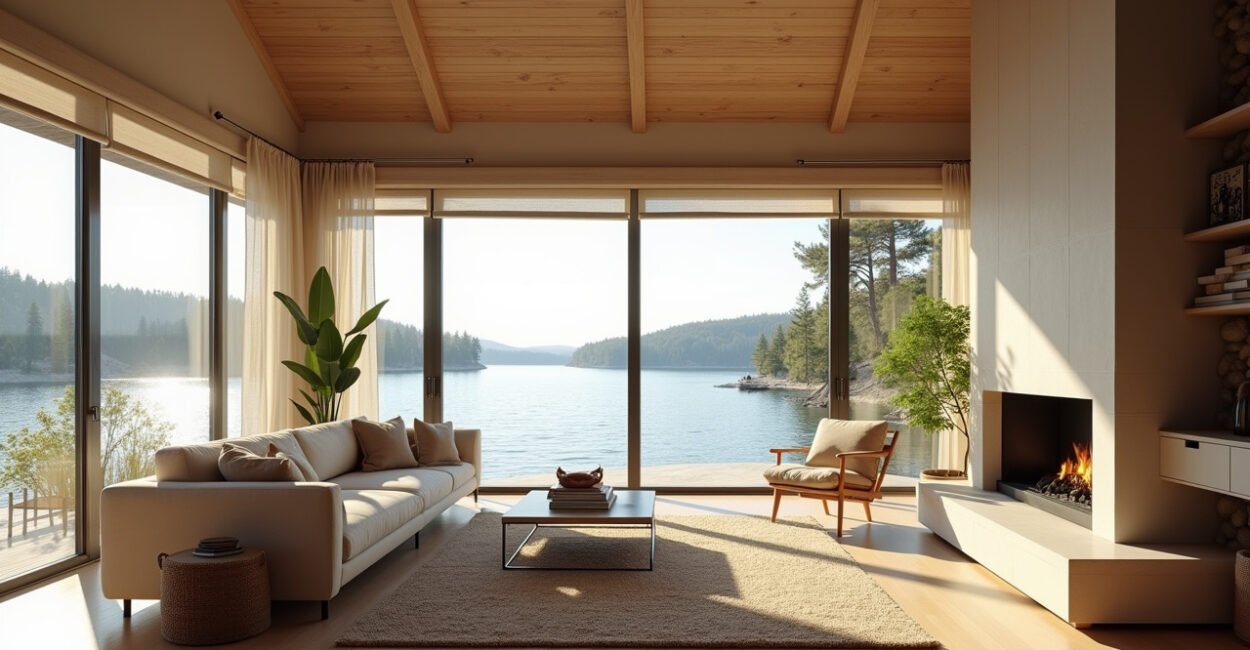
Living rooms need both view and control. Aim windows to frame a focal point—a garden, a street, or a tree—while avoiding direct view of the sun at peak hours. For window placement, tall narrow windows at the sides plus a low, wide center window gives drama without full glare. If glare hits the TV or seating, move the glass higher or add a transom. Compare expectation vs. reality: you think a giant picture window solves everything; reality is often harsh midday glare and faded upholstery.
Kitchens: Light for Work, Not for Show
Light in the kitchen must help you see, not blind you. Place windows to illuminate counters and the sink. A window above the sink is classic because it centers light on tasks. Consider narrow clerestories above cabinets to bring even daylight without cutting wall storage. For window placement near cooktops, prioritize ventilation and glare control—side windows are often better than a big south-facing picture. Use glass with low-e coatings to limit heat; small placement changes reduce morning steam and glare while keeping your workspace bright.

Bedrooms: Windows That Invite REST and Privacy
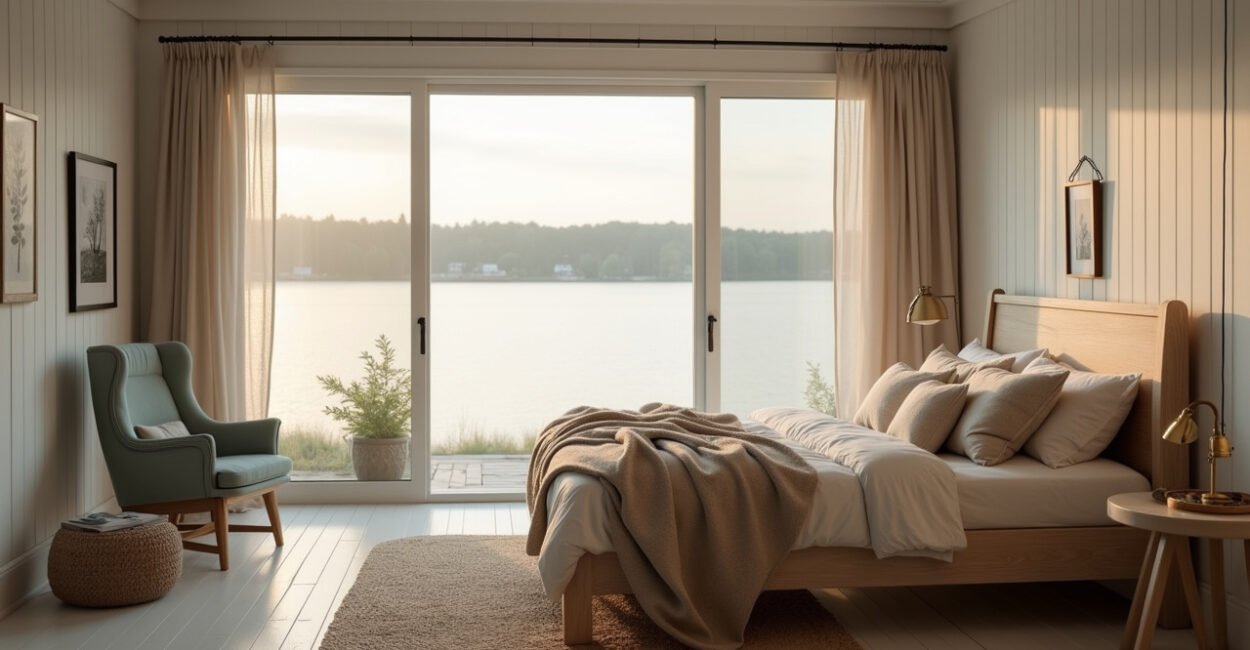
Bedrooms should wake you gently or keep you sleeping late. For a calm room, favor north or east windows and avoid large west-facing glazing. Window placement that keeps glass above head level or uses recessed openings softens direct rays on beds. If morning light wakes you too soon, shift the primary window slightly or add a smaller clerestory to keep morning glow but not a full sunbeam on the pillow. Privacy and noise also matter—place windows away from busy streets when possible.
Common Mistakes in Window Placement (and How to Fix Them)
Most placement errors come from thinking only about the view. Common mistakes: placing big windows without considering sun angle; centering glass where glare hits screens; blocking daylight with high cabinets; neglecting cross-ventilation. Fixes are simple: raise or lower a window, split one large opening into two, add a clerestory, or move glazing to a less glare-prone wall. A quick checklist helps avoid these errors during design and renovation.
- Don’t assume bigger is better—size matters only with correct placement.
- Avoid putting primary glazing where late-afternoon sun hits seating.
- Keep task areas like counters and desks directly under or beside the light source.
The Overlooked Tools: Materials, Shading, and Placement Tweaks
Glass type and shading can rescue a poor window spot. Low-e coatings cut heat and UV. Operable shades and exterior louvers tune light through the day. Even a narrow overhang changes how much summer sun enters. For window placement, combine orientation with these tools: place windows for view, then use materials to control light. A mini-story: a homeowner shifted a living room window two feet and added a fixed overhang—suddenly afternoon glare stopped, the sofa no longer faded, and the room felt twice as usable.
For practical guidelines on daylighting and energy, see U.S. Department of Energy lighting tips and research from National Renewable Energy Laboratory.
Window placement is a small design move with outsized returns. Choose orientation with purpose, place glass for function and view, and use materials to tune light. Do that and rooms stop fighting the sun and start working with it.
How Far from the Work Surface Should I Place Kitchen Windows?
The ideal distance depends on counter layout and backsplash height, but a safe rule is to center a window about 4–6 inches above a standard backsplash or countertop to avoid splashes and allow practical storage under the sill. If you have overhead cabinets, consider a clerestory higher on the wall to bring daylight without losing storage. Placement should prioritize task illumination: place glass so natural light falls along the length of the counter where you prep, not perpendicular to it where shadows form.
Can Window Placement Reduce Cooling Costs in Summer?
Yes. Proper orientation and placement cut heat gain. South-facing windows can supply passive winter heat but need shading in summer. West windows cause the worst late-afternoon heat; limiting their size or moving them away from living spaces reduces AC load. Use low-e glazing and overhangs or exterior shades to block high-angle summer sun while allowing lower winter sun. Small placement shifts—moving a window a few feet to a less exposed wall—can lower cooling needs and make rooms more comfortable without large mechanical changes.
Is It Better to Have Fewer Large Windows or Several Smaller Ones?
It depends on goals. Several smaller windows allow layered light and better control; they reduce glare and create depth. Fewer large windows give expansive views and a strong visual connection to outside, but they can cause hotspots and fading if not shaded. For living rooms, combine a large picture window with flanking narrow windows to balance view and light control. In bedrooms and kitchens, smaller well-placed windows often outperform a single oversized opening both functionally and thermally.
How Does Window Height Affect Daylight in Deep Rooms?
Higher windows, like clerestories, send light deeper into a room because rays bounce off the ceiling and back into space. For deep plans, raising the glazing point improves daylight reach and reduces reliance on artificial lighting. However, high windows sacrifice direct views and can make a room feel disconnected if overused. A mix—high windows for general light and lower windows for view—gives the best of both. Remember to check sightlines so privacy and view needs remain met.
What Are Quick Fixes If an Existing Window Causes Glare?
Start with affordable, non-structural changes: add blinds or adjustable shades, apply a low-reflective film, or install an external awning to cut direct sun. If glare hits a TV or workspace, reposition furniture or angle screens. For a longer-term fix, consider relocating the window within the same wall if framing allows, or split a large pane into upper and lower sections to control light. Small shifts in placement—raising the glass or moving it a few inches—often solve glare without a full window replacement.