Skip to content

The smartest storage move in a small room is often the one that takes up the least floor space. With vertical wall storage decor ideas, shelves, pegboards, and wall-mounted organizers do double duty: they hold the things you use every day and make the room look intentional instead of cluttered.
That matters because walls are usually the most underused surface in a home. When you use them well, you gain storage without making the room feel cramped, and you get a cleaner visual line from floor to ceiling. In practice, the best setups are not the ones with the most pieces; they are the ones that match the room’s function, weight limits, and style.
What You Need to Know
- Vertical storage works best when it is treated as part of the room’s decor, not as a separate utility layer.
- Wall-mounted systems feel calmer when they repeat one material or color family, such as oak, black steel, or painted MDF.
- Shelves and pegboards become more useful when the heaviest items stay low and the most-used items sit at eye level.
- The safest wall storage is anchored into studs whenever possible, especially for books, cookware, and heavy baskets.
- In small rooms, the visual gap between items matters as much as the items themselves; crowded walls look smaller than they are.
Vertical Wall Storage Decor Ideas That Make Small Rooms Feel Bigger
Technically, vertical wall storage is any storage system mounted on a wall that uses height instead of floor area to hold, organize, or display objects. In plain English, it means letting the wall do useful work so the room can breathe. That is why a single well-placed rail, ledge, or grid can feel more effective than a bulky cabinet.
Start with the Room’s Job, Not the Product
A bedroom, kitchen, entryway, and home office all need different kinds of vertical storage. A kitchen may need open shelving and hooks, while an entryway usually benefits from a narrow drop zone with a shelf, mirror, and basket system. A home office often works best with pegboard panels or modular wall grids because they can shift as your tools change. The design choice should follow the routine, not the catalog photo.
Use Height to Create Order, Not Visual Noise
The biggest mistake is filling every inch of wall space. When that happens, the room starts to feel busy, even if everything is “organized.” Leave negative space around grouped objects, repeat a finish, and keep some surfaces empty. That breathing room is what makes wall storage read as decor.
The difference between wall storage that looks stylish and wall storage that looks chaotic is not the amount of space it uses — it is the amount of visual repetition it creates.
Shelves, Pegboards, and Rails: Choosing the Right Wall System
There is no single best system. Each one solves a different problem, and the wrong choice usually fails for a predictable reason: weight, access, or style mismatch. Shelves are the most versatile, pegboards are the most adjustable, and rails are the most efficient for hanging items you grab often.
| System | Best For | Strength | Main Limitation |
|---|---|---|---|
| Floating shelves | Books, decor, baskets, plants | Clean look with visible styling impact | Can look crowded fast if overfilled |
| Pegboard | Craft tools, office supplies, kitchen tools | Highly flexible and easy to reconfigure | Needs a deliberate color plan to avoid a workshop look |
| Wall rails and hooks | Coats, mugs, utensils, bags | Efficient for grab-and-go storage | Less decorative unless the hardware is chosen carefully |
When Shelves Win
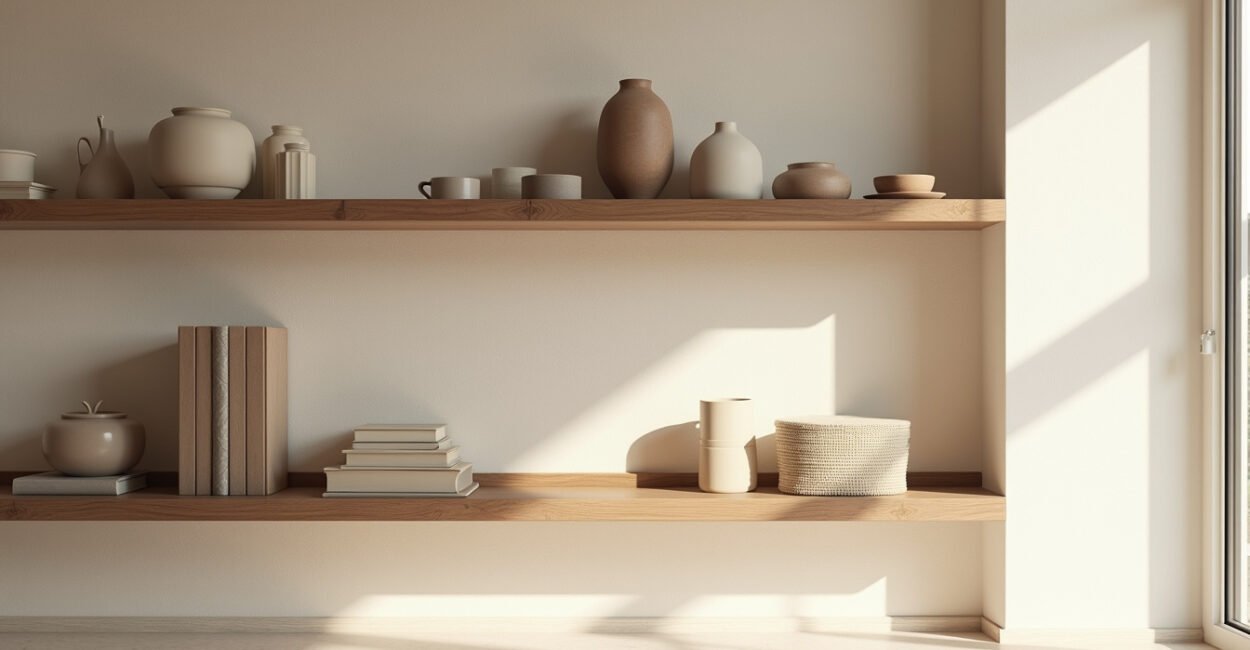
Shelves are the best choice when you want storage to feel architectural. Thick wood shelves, slim powder-coated metal brackets, and staggered ledges all work well, but the key is proportion. A shelf that is too deep can dominate a small room. A shallow shelf, usually used in sets, often looks better and feels lighter.
When Pegboards Win
Pegboards shine when the contents change often. They are ideal for craft rooms, kitchens, and compact work zones because they let you move baskets, cups, and hooks without drilling new holes. They do look utilitarian by default, so color matters. Painted pegboard in matte white, charcoal, or a wall-matched shade can turn it from workshop to design feature.
Pegboards look most refined when the accessories repeat a single material or color, because the board itself becomes a backdrop instead of the star.

Styling Wall Storage So It Reads Like Decor
This is where many otherwise smart setups go wrong. Storage that is technically efficient can still feel harsh if every object is different in shape, color, or size. The cure is styling discipline: group by function, limit the palette, and treat the wall like a composition rather than a dump zone.
Repeat Materials on Purpose
Natural wood, matte black metal, woven fiber, glass, and painted surfaces each create a different mood. If you mix all of them without a plan, the wall starts to look accidental. Pick one dominant material and one supporting material. For example, oak shelves with black hardware, or white shelves with woven baskets, usually feels cohesive in real rooms.
Use Decorative Containers That Pull Their Weight
Baskets, labeled boxes, trays, and wall-mounted bins are not just fillers. They hide visual clutter while adding texture. A good container should solve a storage problem first and look attractive second. That order matters, because decorative containers that cannot actually hold the items people use tend to become a second layer of mess.
A Mini Example from a Real Apartment
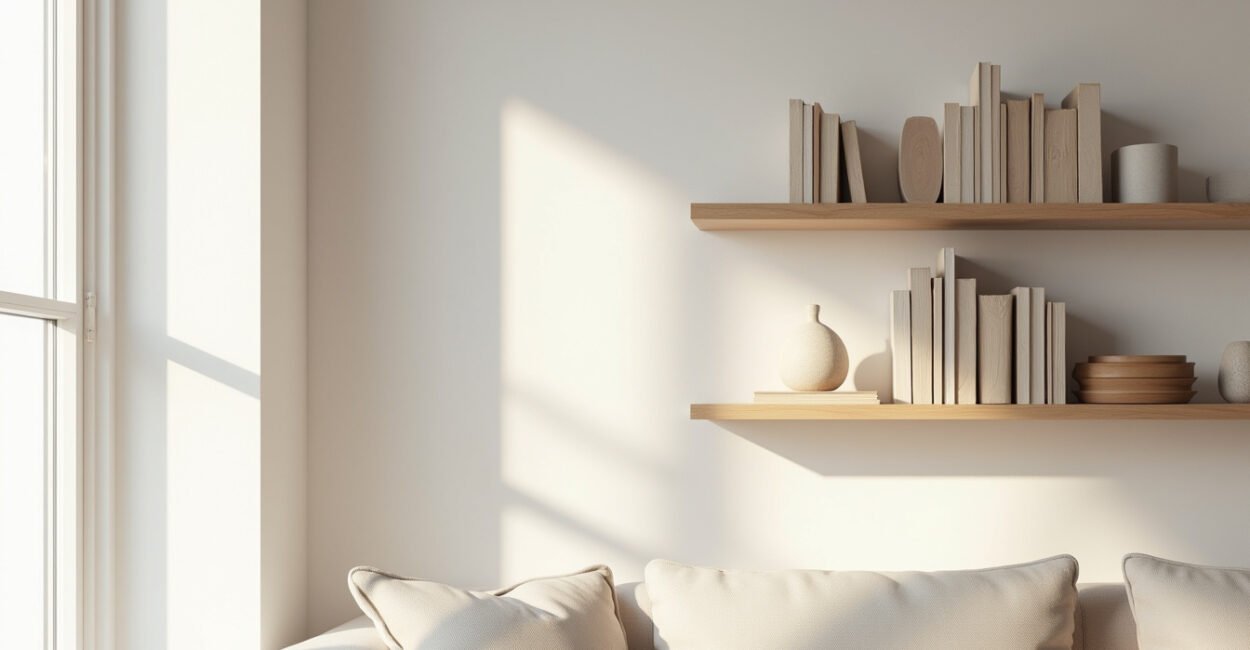
A renter with a narrow living room replaced a floor cabinet with two walnut shelves, three matte black hooks, and a slim rail under the top shelf. The books moved up, the dog leash and tote bags got a home, and the wall stopped feeling blank. The room did not gain square footage, but it gained usable space, and that changed how the whole place felt at night.
If you want a design reference for safe anchoring and basic wall-mount planning, the U.S. Consumer Product Safety Commission’s tip-over guidance is worth reading before you hang anything heavy. For general home storage and layout ideas, the Utah State University Extension has practical home organization material that applies well to compact spaces. And if you are choosing hardware, Family Handyman’s wall-hanging advice is a useful non-technical cross-check.
Where Vertical Storage Works Best in the Home
Certain rooms reward wall storage more than others. The best results usually happen in narrow zones where floor space is expensive and movement paths matter. Hallways, kitchens, laundry corners, entryways, and small bedrooms all benefit because wall-mounted storage keeps the center of the room open.
Kitchen Walls
Open shelves can replace some upper cabinets, but they work best when the items are attractive or used daily. Mugs, glass jars, cutting boards, and spice racks are all good candidates. Heavy cookware should sit on anchored supports or rails rated for the load.
Entryways and Mudrooms
These spaces need fast access more than deep storage. Hooks, cubbies, and a shelf with a catch-all tray usually outperform a large console table. A mirror above the system makes the wall feel intentional and helps the area pull double duty.
Bedrooms and Offices
In bedrooms, vertical storage should calm the room rather than compete with it. In offices, it can be more functional and visual at the same time. Pegboards, pin rails, and floating shelves are especially useful when they keep work items off the desk while still within arm’s reach.
Safety, Weight, and Installation Details That Actually Matter
Good wall storage depends on hardware, not just style. A shelf that looks elegant but is attached to drywall with the wrong anchors is a weak design choice, not a smart one. The most reliable rule is simple: whenever possible, fasten into studs, and match the anchor to the real load, not the estimated one.
Know the Difference Between Light and Heavy Loads
Light loads include framed art, small plants, and a few paperbacks. Heavy loads include cookware, full baskets, tool organizers, and stacked hardcovers. The weight category determines the fastener, the bracket spacing, and whether you need a stud finder or a toggle anchor. This is not the place to guess.
Be Realistic About What Drywall Can Do
Drywall alone can support some light systems, but it does not forgive poor planning. A shelf that will hold frequent use should not depend on a single fastener type if the contents may change. If the room is a rental or the wall type is unknown, choose lighter systems and test the hardware before loading it fully.
One useful rule from the ENERGY STAR approach to home improvements applies here too: small upgrades work best when the installation details are sound. A stylish wall setup still has to function under daily use, and that means the invisible parts matter more than the visible ones.
How to Build a Cohesive Wall Storage Plan Without Overbuying
Overbuying happens when people start with pieces instead of problems. The better method is to inventory what needs a home, measure the wall zone, and choose one main system before adding accessories. A restrained plan nearly always looks more expensive than a crowded one.
Use a Three-Step Filter
- List what must stay accessible every day.
- Measure the wall space, including clearances for doors, switches, and windows.
- Choose the least visible system that still handles the load and the routine.
Buy in Layers, Not All at Once
Start with the structure, then add function, then add styling. For example, install the shelf or rail first, test it for a week, then add bins, hooks, or labels only where the friction appears. That sequence keeps the wall from turning into a half-finished project.
The most efficient wall storage plans are edited over time, because real use reveals which items deserve display, which need concealment, and which should be moved somewhere else entirely.
Design Moves That Make the Wall Feel Intentional
Strong wall storage design usually comes down to rhythm. Aligning shelf edges, repeating hook spacing, and balancing open and closed storage create a visual cadence the eye can follow. That is why even a simple arrangement can look polished if its spacing is disciplined.
Balance Open Space and Filled Space
Every wall arrangement needs some emptiness. If every shelf is packed, the eye has nowhere to rest. Leave at least one breathing zone, even if it is just a section of wall with a single object or a small mirror. That pause is what makes the rest feel designed.
Match the Room’s Mood
A calm bedroom wall usually wants soft edges and muted tones. A kitchen can handle more contrast. A home office can support bolder geometry. The strongest setups do not scream for attention; they reinforce the room’s purpose.
Practical Next Steps for a Better Wall Layout
The best next move is to walk the room and identify one wall that carries visual weight but little function. Measure it, list the items that actually need storage, and choose a system that fits both the load and the style. That simple audit exposes whether you need shelves, pegboard, rails, or a hybrid setup.
If you are starting from scratch, build the system in this order: structure first, hardware second, styling third. Then look at the wall from the doorway, not just up close. That viewpoint tells you whether the arrangement feels like decor or merely storage. For most small rooms, that distinction is the whole game.
How Do I Make Wall Storage Look Decorative Instead of Cluttered?
Use fewer object types, repeat one finish, and leave negative space between groupings. Decorative wall storage works when it reads as a composition, not as a collection of unrelated things. Baskets, trays, and labeled containers help because they hide irregular shapes and reduce visual noise. If the wall feels crowded from the doorway, remove one-third of what you added and reassess.
What is the Safest Way to Mount Heavy Shelves?
The safest approach is to anchor into studs whenever the shelf will hold books, dishes, tools, or other dense items. For lighter loads, use anchors rated for the actual weight and the wall type. Drywall alone is not a strong plan for daily-use storage, especially if the load may change over time. Check the manufacturer’s weight rating and avoid mixing hardware types unless the system was designed for it.
Can Pegboards Work in Living Rooms, or Are They Just for Workshops?
Pegboards can work well in living rooms if the finish and accessories are chosen carefully. Painted panels, slim hooks, and a limited palette keep the look clean. They are useful for charging stations, reading accessories, plants, and small audio gear. The key is to avoid overloading the board with too many tiny items, which makes it feel utilitarian fast.
Should I Choose Open Shelves or Closed Storage for a Small Room?
Open shelves make a small room feel lighter, but they only work when the contents are controlled. Closed storage hides clutter better and gives the wall a calmer look. Many rooms need both: open storage for things used often and closed bins or cabinets for the rest. If you want the room to feel bigger, keep the upper wall visually lighter than the lower section.
How Do I Keep Vertical Storage from Making the Room Feel Taller but Narrower?
Use horizontal breaks. A mirror, a shelf line, or a grouped set of objects can interrupt the vertical pull and keep the room balanced. Also, avoid stacking too many tall elements in one column. Spreading storage across the wall in smaller clusters often feels less imposing than a single tower of shelves.