Skip to content

📅 Updated on June 12, 2026
A 420-square-foot apartment can feel cramped for one simple reason: it is trying to do too many jobs at once. A cheap small apartment makeover works best when every change has a purpose—less visual clutter, better light, and storage that looks built-in instead of improvised.
The goal is not to fake a bigger floor plan. It is to make the room stop fighting itself. In three months, a space that feels like a catchall can become calm, functional, and finished with a handful of smart swaps, not a full renovation.
Quick Summary
- A small apartment feels larger when you reduce visual noise before you buy new decor.
- Light-colored finishes, layered lighting, and mirrored surfaces do more for perceived space than expensive furniture.
- Storage works best when it is integrated into the room’s layout, not scattered as emergency fixes.
- The cheapest improvements are usually the ones that improve function first and style second.
- Most “before and after” transformations come from editing, not adding.
How an Affordable Small Apartment Makeover Changes the Whole Room
The technical definition is simple: an affordable small apartment makeover is a low-cost redesign that improves function, light, storage, and visual order without changing the structure of the home. In plain English, it means making a tiny space feel intentional instead of temporary. That usually starts with removing friction, not buying more stuff.
Why the room feels bigger after only a few changes
Small spaces read as larger when the eye can move without interruption. Large rugs, consistent paint colors, and fewer competing finishes create that effect fast. A room with one clear visual language always feels calmer than a room with five “almost matching” ones.
What separates a cramped apartment from a polished one is not square footage—it is whether every visible object has a job, a place, or both.
Who works with small interiors knows this pattern well: the fastest wins usually come from editing surfaces, simplifying storage, and improving lighting in corners that were ignored for months. That is why the makeover often looks dramatic even when the budget stays modest.
The First Moves That Give You the Biggest Return
The best first moves are decluttering, measuring, and fixing lighting. If you skip those three steps, even good purchases can look random. In practice, the room starts to improve when you stop decorating around problems and start solving them.
Start with the “visual floor plan”
Before you buy anything, map the room into zones: sleep, work, eat, relax, and store. In a studio or one-bedroom, one zone often does double duty, so the furniture has to support that overlap. A narrow console, a wall-mounted shelf, or a storage ottoman can do more than a bulky cabinet that eats walking space.
Keep only what survives daily use
That sounds harsh, but it is practical. If you have not used an item in a month, it is probably adding visual weight instead of value. A small apartment has no room for “just in case” clutter unless it lives inside a bin, drawer, or closed door.
For a useful reference on cleaner indoor environments, see the EPA’s indoor air quality guidance. Dust, textile buildup, and crowded surfaces make a compact room feel heavier than it is.
Furniture That Looks Intentional Instead of Cheap
In a tight layout, furniture should earn its footprint. The best pieces are visually light, slightly elevated off the floor, and sized to the room instead of the catalog photo. Oversized sectionals and thick-legged storage units often make a small apartment feel even smaller.
Choose fewer pieces with clearer jobs
- A bed with drawers can replace a separate dresser.
- A nesting side table can replace two mismatched tables.
- A storage bench can handle seating, shoes, and overflow.
- A fold-down desk works better than forcing a full workstation into every room.
Use scale as your style tool
Small rooms need furniture with slimmer silhouettes, not tiny furniture everywhere. There is a difference. A room full of undersized items looks busy and uncertain, while a few well-proportioned pieces feel deliberate. That is why a narrow sofa, a simple lamp, and one substantial art print often outperform a pile of bargain decor.
A cheap room looks cheap when it looks temporary; it looks finished when the furniture sizing, spacing, and finish choices all agree with each other.
If you want a lighting benchmark, the U.S. Department of Energy’s LED guidance is a solid starting point. LEDs are not just efficient; they also let you layer brightness without raising operating costs much.
Lighting and Color Choices That Open Up the Space
Light is one of the few upgrades that changes both mood and perceived size. A room with one weak ceiling fixture will always feel flatter than a room with three light sources at different heights. Warm white bulbs, a floor lamp, and a small task light can make even a plain apartment feel designed.
Paint is powerful, but only if the rest cooperates
Soft whites, muted beige, pale greige, and low-contrast trim help reflect light. But paint alone will not save a cluttered room. If the furniture is too large or the surfaces are too busy, the color only hides the problem for a while.
Mirrors and reflective finishes work best in the right place
A mirror opposite a window can brighten a room without adding visual weight. Glossy side tables, glass lamp bases, and satin hardware also bounce light in small doses. Use that trick sparingly, though. Too much reflection can make the space feel cold.
For anyone comparing bulb types or energy use, the National Institute of Standards and Technology is useful for technical measurement standards, especially when you want consistent lighting quality rather than guesswork.
Storage That Disappears Into the Room
Good storage in a small apartment does not call attention to itself. It compresses, hides, or blends in. Closed storage almost always beats open shelves when the goal is calm, because open storage exposes the room to more visual clutter.
Use vertical space before sacrificing floor space
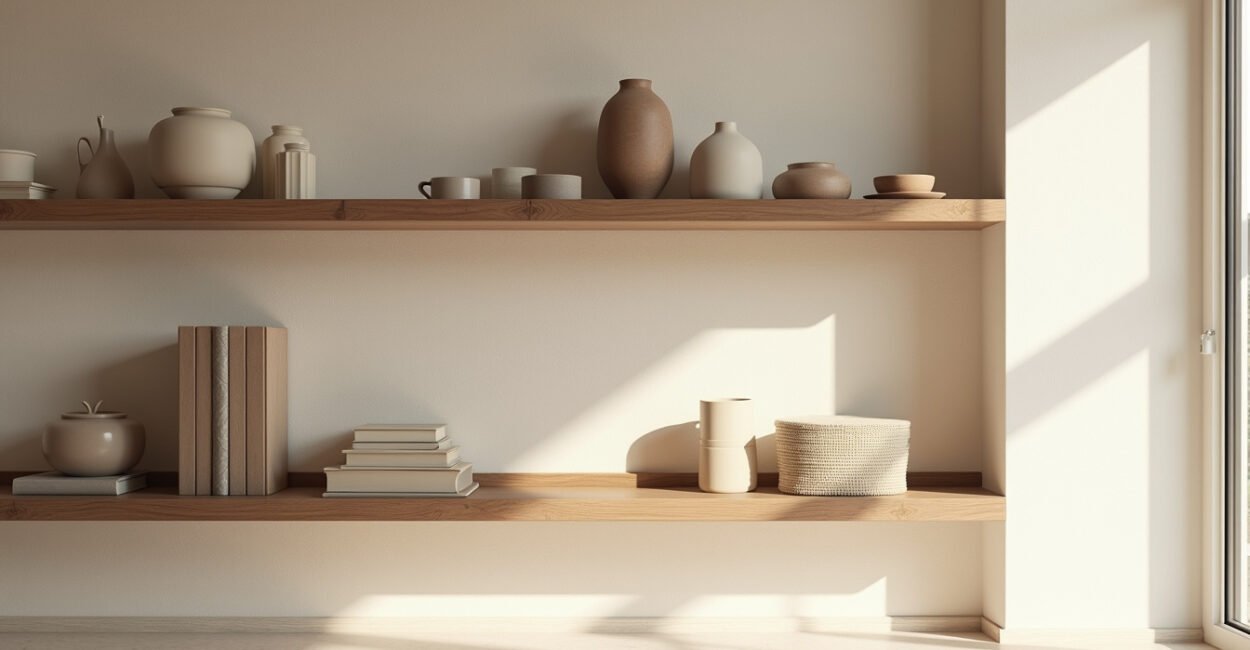
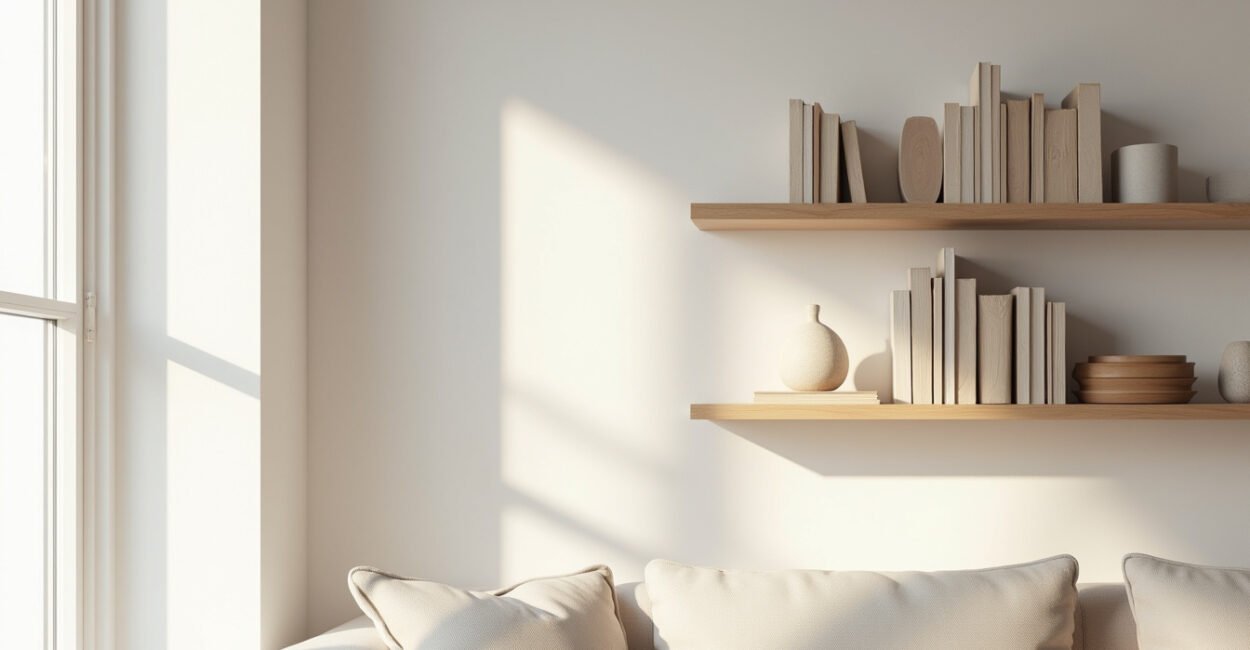
Wall shelves, tall bookcases, peg rails, and over-the-door organizers are cheap small-space solutions because they use unused height. The mistake is filling every inch. Leave breathing room so the wall still looks intentional, not overloaded.
Choose containers that repeat a single system
When bins, baskets, and boxes all look different, they create their own mess. Pick one material family—canvas, woven seagrass, matte plastic, or acrylic—and repeat it. That repetition gives even basic storage a custom look.
- Use under-bed bins for seasonal items.
- Use matching lidded boxes for documents and cables.
- Use one basket type for loose items in the entryway.
- Use drawer dividers to stop “junk drawers” from spreading.
The cheapest storage upgrade is not a new unit—it is removing the chaos that makes storage look accidental.
A Three-Month Before-and-After Plan That Actually Works
This kind of makeover works best in stages. A month-by-month plan prevents overspending and keeps you from replacing one problem with another. It also makes the final result look more coherent because each decision builds on the last.
Month 1: Clear and measure
Empty the worst surfaces, measure the main walls, and identify what the room truly needs. Do not shop yet. Fix the layout first, because layout mistakes are much more expensive than decor mistakes.
Month 2: Buy the functional anchors
Purchase the pieces that solve daily pain points: lighting, one major storage item, and any furniture that changes circulation. This is the stage where the room starts to feel less improvised.
Month 3: Finish with texture and restraint
Add one rug, one or two art pieces, throw pillows, or a single plant cluster. Stop before the room starts to look busy. A small apartment needs restraint more than it needs decoration.
Mini-story: One renter I saw had a studio that looked packed from the front door even though it was mostly just badly arranged. She swapped a bulky bookcase for a tall closed cabinet, used one larger rug instead of three small ones, and changed the ceiling bulb to a brighter LED with a warmer tone. The room did not get bigger. It just stopped arguing with itself.
What to Spend on First When the Budget Is Tight
When money is limited, spend on the things that affect every day: light, sleep, storage, and walking space. Decorative extras come after the room functions well. That order matters because a pretty room that still feels awkward is not a win.
| Priority | Best Use of a Small Budget | Why It Matters |
|---|---|---|
| 1 | Lighting upgrade | Improves mood and perceived space immediately |
| 2 | Storage that closes | Reduces visible clutter and makes the room feel finished |
| 3 | One correctly sized anchor piece | Sets scale for the whole room |
| 4 | Rug and textiles | Adds warmth and ties the layout together |
Where cheap can hurt you
Not every low-cost choice is a smart one. Flimsy furniture, bargain rugs that shed, and unstable shelves can cost more in replacements than one durable purchase would have cost upfront. There is no prize for buying the same item twice.
How to Keep the Finished Look From Slipping Back
The final step is maintenance, because small spaces expose disorder quickly. A weekly reset, a hard cap on surface clutter, and one storage rule for incoming items are enough to preserve the result. Without that system, the room slowly drifts back into the same cramped feeling.
Use one rule for every surface
Try this: no surface gets more than three visible items unless it serves a work function. That rule keeps counters, side tables, and dressers from becoming drop zones. It also makes cleaning faster, which matters more in a compact home than in a larger one.
A small apartment makeover is not about perfection. It is about editing the room until the essentials have room to breathe. If you are planning your own version, start with layout, then lighting, then storage—and only then move to decor.
Frequently Asked Questions
What makes a small apartment look more expensive on a budget?
Consistent finishes, better lighting, and fewer visible objects do most of the work. A room looks more expensive when the furniture scale fits and the storage disappears into the background. Cheap materials can still look polished if the room has visual discipline.
Should I buy furniture first or decorate first?
Buy the anchor furniture first. That includes the bed, sofa, storage, and lighting, because those pieces define how the room functions. Decor only works after the layout is stable.
What is the fastest change for a cramped apartment?
Lighting is usually the fastest win, followed by clearing clutter from surfaces. A brighter room with fewer objects instantly feels less compressed. After that, the layout becomes easier to judge.
Are open shelves a good idea in a small space?
Sometimes, but only if you are disciplined about what goes on them. Open shelves work for a curated display, not for everything you own. If you need to hide mixed items, closed storage is the better choice.
How do I make a rental feel permanent without remodeling?
Use repeatable elements: matching hardware, one color palette, layered lighting, and a few large-scale pieces. Those choices create continuity without altering the unit. Removable upgrades often do more than renters expect.
What should I avoid in a cheap small apartment makeover?
Avoid buying too many tiny decor items, oversized furniture, and storage that creates more visual clutter than it removes. The goal is not to fill every corner. The goal is to make the space feel calm, usable, and intentional.