Skip to content

Two weeks into a heat spell, I watched my neighbor drag a hose for hours while my backyard—on half the city water—still looked greener. That’s garden irrigation working smarter, not harder. If you care about healthy plants and a smaller water bill, the three practical pivots below (drip conversion, timed gravity feeds, and rainwater integration) will cut mains water use by up to half with little fuss.
Why Switching to Drip Feels Like Stealing Water from the Tap
Drip systems put water where roots actually drink it—slowly, steadily, and without evaporation. Instead of a sprinkler spraying everything, a drip line delivers a measured flow directly to the rootzone. That means less runoff, fewer weeds, and plants that tolerate dry spells better. For small gardens, converting a single hose to a basic drip kit often pays back in one season through lower bills and healthier plants.
- Typical savings: 30–50% vs. overhead sprinklers
- Best for: beds, vegetables, container groups
- Simple parts: pressure reducer, tubing, drip emitters
The Gravity-feed Trick That Behaves Like an Automatic System
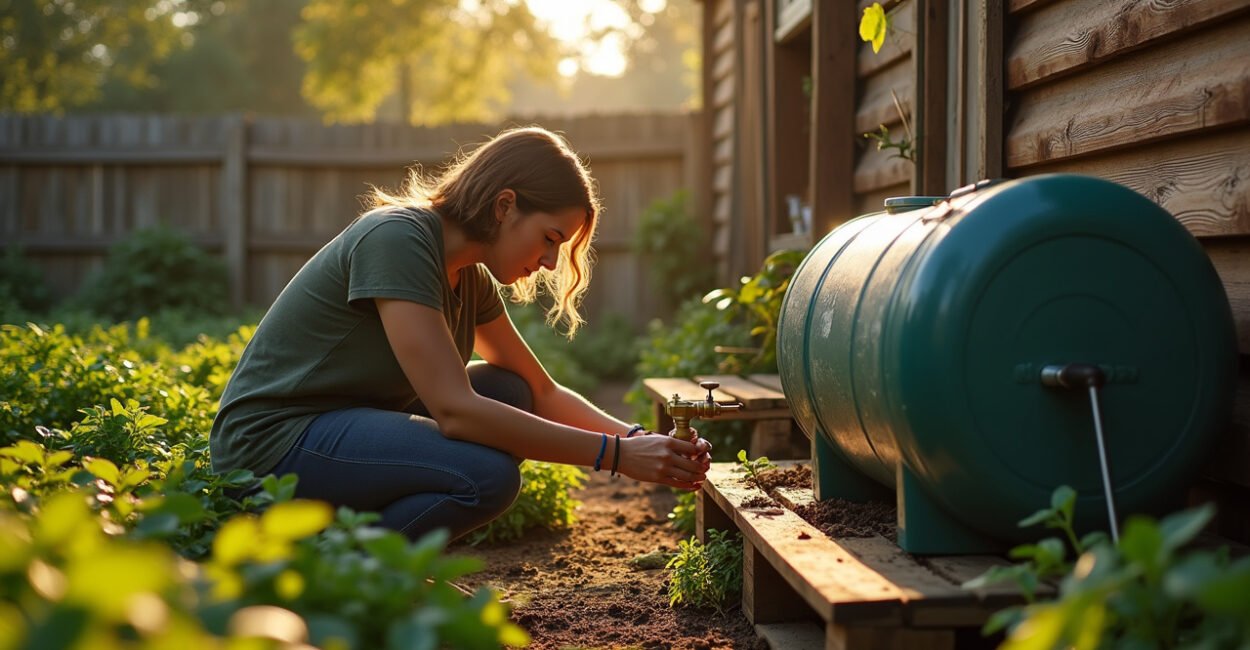
A 200‑liter barrel on a stand can deliver perfectly timed gravity irrigation without electricity. Use a float valve or simple ball valve, add a small timer that opens a valve for minutes, and you’ve emulated a modern controller. Timed gravity feeds reduce pump losses and give you fine control over how much water each zone receives. It’s ideal where mains conservation matters and power is limited.


Rainwater Integration: Stop Paying for Clouds
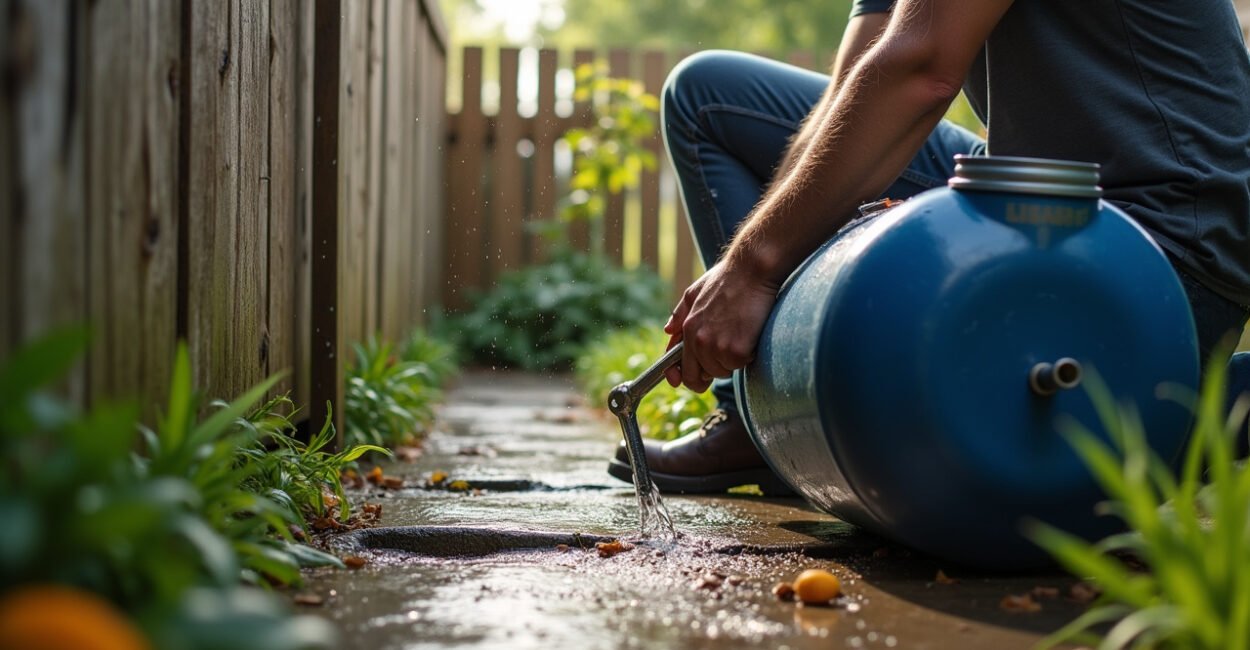
Rain barrels and a basic filtration mesh can halve your mains water dependency during the growing season. Capture roof runoff into barrels, divert first-flush debris, and feed that stored water into your drip network or gravity system. Even modest storage—200–600 liters—covers weekly needs for container gardens and small beds. For larger needs, series-linked cisterns and simple pumps make rainwater the backbone of a sustainable garden.
According to the U.S. EPA, rainwater harvesting and efficient irrigation together significantly reduce potable water demand in landscaping (EPA WaterSense on outdoor use).
The One Watering Schedule That Saves Money Without Stressing Plants
Water deeply, infrequently, early in the morning—then let the soil do the rest. Deep watering encourages roots to grow downward, making plants drought-resilient. Short, shallow runs only train roots to stay near the surface, increasing thirst and succession watering. For drip lines, schedule 2–3 sessions per week of longer duration rather than daily quick sprays. Use a cheap soil moisture probe to tune timing; your timing will vary by soil and plant type.


Common Mistakes That Eat Your Savings (and How to Avoid Them)
Most wasted water comes from simple errors, not bad equipment. Here are the usual culprits and quick fixes:
- Overwatering: measure with a probe, not a calendar. Fix: reduce run time by 20% and test.
- Poor emitter placement: water the rootball, not the path. Fix: move emitters closer.
- No filtration: clogging kills drip efficiency. Fix: install a 120–mesh filter and flush lines monthly.
- Ignoring slope: downhill runoff wastes water. Fix: use shorter cycles with soak intervals (cycle-and-soak).
A Before/after That Surprises Even Skeptics
Expectation: Replace a sprinkler with drip and your plants look the same, maybe slightly better. Reality: The first month after converting, neighbors noticed my tomato yields and that my lawn patches stayed greener with less water. The before/after comparison was striking—my main meter reading dropped nearly 45%.
This is not magic; it’s physics and timing: less evaporation, reduced runoff, and water delivered at plant roots. A simple comparison table helps visualize the change.
| Before (sprinklers) | After (drip + rain) | |
|---|---|---|
| Monthly mains usage | Baseline | ~45% lower |
| Plant vigor | Patchy, weed-prone | Consistent, higher yield |
| Maintenance | Medium | Low (occasional flush) |
How to Get Started This Weekend (a Low-effort Plan)
Three tasks, one weekend, measurable impact. Day 1: Buy a basic drip kit and a 200–liter rain barrel; install the barrel under a downspout. Day 2: Lay the drip tubing, place emitters at rootballs, connect the barrel via a valve or pump. Test runs for 15–30 minutes and adjust. Finish with a soil moisture check. These tweaks are small, but when combined they add up to large savings.
For technical best practices on harvesting and systems, reliable resources include USDA guidance and local extension services for soil-specific advice.
Make one small change this month—install an emitter on a thirsty plant or set up a barrel—and you’ll feel the difference in your bill and your garden. Why pay for water the plants don’t use?
Can I Realistically Cut Mains Water Use by Half with These Tweaks?
Yes—many small gardens hit 30–50% reductions by combining drip conversion, simple gravity-fed timing, and rainwater capture. The exact number depends on your baseline: turf-heavy yards save less than beds and containers do. Key factors are leak-free delivery, proper emitter placement, and matching run times to soil retention. Start with one bed and measure your water meter before and after a month; that real data shows whether you’re on track and where to tweak.
What Maintenance Does a Drip System and Rain Barrel Require?
Maintenance is light but recurring: flush lines and check emitters monthly during the season; clean the barrel’s screen after heavy storms; inspect the first-flush diverter and valve seals quarterly. If you experience clogs, flushing with the main line open usually clears debris. Winterize by draining or bypassing systems if you expect freezing. These small checks take an hour a month and prevent the bigger headaches of clogged emitters or algae-filled storage.
Can Gravity-fed Systems Provide Enough Pressure for Drip Lines?
Gravity alone generates low pressure, but most drip emitters operate fine at 10–20 psi equivalent; a raised barrel on a 3–4 foot stand produces adequate head for short runs and beds. Where pressure is marginal, use pressure-compensating emitters or install a small, efficient DC pump. The advantage is the low energy cost and simplicity—gravity plus a timer or float valve can automate irrigation with minimal electronics and very low operating expense.
How Do I Size Rainwater Storage for a Small Garden?
Sizing depends on roof catchment, rainfall, and garden demand. A rough rule: each square meter of roof yields about 1 liter per mm of rain. For a small vegetable patch, 200–500 liters often covers weekly needs in dry months when supplemented with mains backup. Prioritize modular, stackable barrels so you can add capacity later. Start small, measure how fast you use it, and scale—this avoids upfront overspend and lets you learn actual demand patterns.
Are There Any Rebates or Regulations I Should Know About?
Yes—many municipalities and utilities offer rebates for rainwater harvesting systems, efficient irrigation controllers, and drip kits. Regulations vary: some jurisdictions restrict untreated rainwater use for potable purposes, while others encourage cisterns for irrigation. Check your local extension office or utility website for programs and permitting. Rebates can offset installation costs significantly and often include guidance to ensure your system meets local health and safety standards.