Skip to content

Shorter mowing cycles are one of the fastest ways to make a suburban yard look cleaner without turning it into a maintenance project. The best low mow lawn replacements for suburbs do not just save time; they also improve curb appeal, use less water, and make front yards feel intentional instead of overmanaged.
If you are comparing lawn replacement ideas, the real question is not “What can survive?” It is “What will still look polished from the street, fit your climate, and not become a weekly chore?” Below, I break down the options that work best in suburban settings, where neat edges, practical upkeep, and HOA rules matter just as much as ecology.
In a Nutshell
- The best low-mow substitute is the one matched to your site: sun, shade, traffic, and local rain patterns matter more than trendiness.
- Clovers, native grasses, sedges, thyme, and mixed groundcovers can cut mowing dramatically, but each one has a different look and tolerance for wear.
- For front yards, the most polished results usually come from combining a living groundcover with borders, mulch, or hardscape so the design reads as deliberate.
- HOA rules can be the deciding factor, so a yard plan that looks “natural” to one neighborhood may still need tidy edging and a defined layout to pass review.
- Low-water landscaping works best when you phase the change in sections instead of ripping out the entire lawn at once.
What Low-Mow Lawn Replacements and Low-Maintenance Lawn Alternatives Mean for Suburban Yards
Low-mow lawn alternatives are plants, groundcovers, and surface designs that reduce mowing frequency by at least 50% compared with a traditional turf lawn, while still keeping the yard attractive and functional. In suburban use, that usually means a yard that looks finished from the curb, handles daily life, and does not demand weekend grooming just to stay presentable.
That definition matters because “no mow” is often marketing language, not a literal promise. Some options need mowing once or twice a year. Others need seasonal cutting, shearing, or edging. A few can survive foot traffic but will thin out if kids or dogs treat them like a play field. The right replacement depends on whether your front yard is mostly visual, lightly used, or truly active.
In practice, the cleanest suburban conversions usually blend living plants with mulch beds, gravel accents, or permeable patio ideas for small yards so the whole space reads as designed, not accidental. That is also why many homeowners prefer a partial transition first: you keep the useful lawn area and replace the sections that are hardest to mow or water.
What separates a good lawn replacement from a messy one is not the plant choice alone — it is whether the edges, scale, and spacing make the yard look intentional from the street.
7 Low-Maintenance Lawn Replacements That Still Look Good from the Street
The best low-mow lawn replacements for suburbs are clover, native grasses, sedges, creeping thyme, mixed groundcovers, mulch-and-scaped planting beds, and gravel or hardscape zones used strategically. Each one solves a different problem, so the smartest choice depends on whether you want softness, durability, drought tolerance, or the cleanest possible curb appeal.
1. Clover Lawn
Clover is one of the easiest lawn replacement ideas for homeowners who want a soft, green look with less mowing. White clover and microclover stay lower than turf, fix nitrogen in the soil, and usually need less fertilizer. They can handle light foot traffic, but they are not ideal for rough play or constant dog running. In most suburban settings, clover looks best when paired with a crisp border and a clear shape.
2. Native Grasses
Native grasses are a strong choice if you want a more natural look without giving up structure. Species such as little bluestem or fine fescues can create a refined, meadow-like effect when kept trimmed at the edges. The tradeoff is that they are not always uniformly short, so they work better in yards where a slightly softer texture is acceptable. For many regions, native grasses also support pollinators and reduce irrigation demand.
3. Sedges
Sedges are among the best grass alternatives for front yard areas with shade or partial shade. They have a finer texture than many ornamental grasses and often stay tidy with minimal cutting. In cooler or wetter climates, they can outperform standard turf where grass struggles. I have seen sedge plantings look especially good in narrow side yards and along foundations because they stay controlled without needing the constant, clipped look of conventional lawn.
4. Creeping Thyme
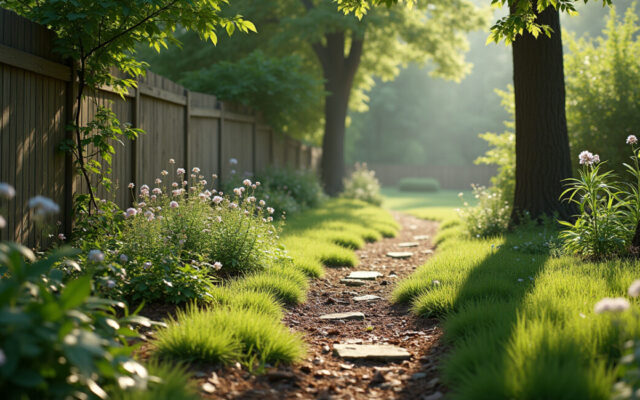
Creeping thyme is a strong option for sunny, lightly walked areas where fragrance and flowering matter. It forms a low mat, blooms well, and can look charming in front-yard strips or around stepping stones. The limitation is traffic: thyme is not a substitute for a full play lawn. It does best where you want a decorative ground layer with occasional foot traffic, not a surface for daily use.
5. Mixed Groundcovers
Mixed groundcovers are often better than a single-species solution because they spread risk. A blend of low-growing plants can create a fuller look, improve resilience, and reduce bare patches over time. This approach works best when you care about low water landscaping and visual softness. The downside is that mixed plantings require more design discipline at the start, because poor spacing can make them look patchy before they fill in.
6. Mulch Beds with Planting Islands
Mulch beds are not a “lawn” replacement in the strict sense, but they are one of the easiest ways to remove high-maintenance turf and keep the front yard polished. They work especially well around trees, slopes, and awkward corners where mowing is annoying and irrigation is wasteful. Pair them with shrubs, perennials, and stone edging, and you get a cleaner suburban yard with much less upkeep.
7. Gravel and Hardscape Zones
Gravel, pavers, and other hardscape alternatives are the most maintenance-light options, but they should be used with restraint. Too much visible gravel can make a front yard feel hot or stark, especially in full sun. Used in strips, entrances, and transition zones, though, hardscape can define space and reduce mowing where turf never performed well in the first place. For drainage-sensitive yards, this can be a practical upgrade.
For design balance, many homeowners compare these ideas with native grass lawns vs. ground covers for small yards before making a final choice, because the best result often comes from combining the two.

Which Options Work Best for Sun, Shade, Traffic, Drought, and Pets
There is no universal winner. The best replacement depends on the job the space has to do. A front-yard strip that gets full sun and no foot traffic can handle very different planting than a side yard where dogs run and kids cut through every day.
Best for Full Sun
- Creeping thyme for decorative, lightly used areas.
- Microclover if you want a lawn-like look with less mowing.
- Native grasses if you prefer a more natural, upright texture.
Best for Shade
- Sedges for a polished, grass-like appearance.
- Shade-tolerant groundcovers in under-tree zones.
- Mulch beds where turf already struggles.
Best for Traffic and Pets
- Microclover handles moderate use better than many flowering groundcovers.
- Some fescue blends and durable native grasses tolerate occasional wear.
- Hardscape paths reduce pressure on planted areas and keep routes predictable.
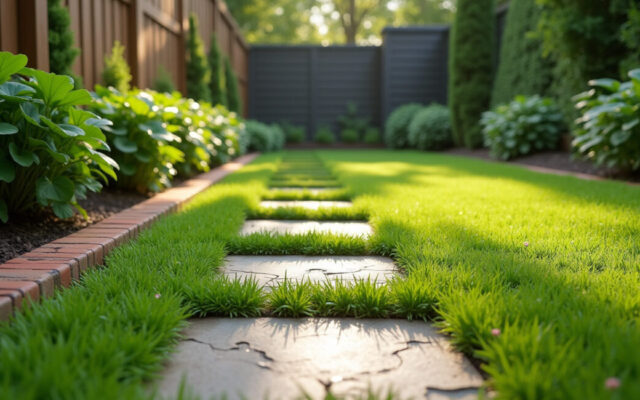
A useful rule: if the yard has repeat foot traffic, do not force a fragile plant to act like turf. That is where many replacements fail. The plant may be beautiful, but it breaks down quickly if you use it like a playground. In those cases, a hybrid layout — lawn substitute plus stepping stones or a narrow path — is far more realistic.
For drought-prone neighborhoods, the best water savings usually come from reducing irrigated turf area, not from chasing a single “perfect” plant that solves every problem at once.
How to Choose the Right Replacement for Your Climate and HOA Rules
Start with three filters: climate, site conditions, and community rules. If your local rainfall, soil, and summer heat do not match the plant’s needs, no amount of maintenance will fully fix that. If your HOA requires a conventional appearance, your best option may be a low-mow design that still reads as a lawn, not a full conversion to a meadow.
Climate Fit Comes First
Warm-season and cool-season regions behave differently, and that changes everything. Some clovers and sedges do better in cooler, moister places, while drought-tolerant ground cover choices can thrive in hotter, drier zones. The EPA WaterSense guidance is useful here because it emphasizes water-use reduction without assuming every yard has the same exposure or soil type.
HOA Rules Need to Be Checked Early
Many HOAs do allow alternatives, but they usually care about neatness, height, borders, and visible upkeep. A low-mow yard that is clearly edged, weed-free, and purposeful is more likely to be accepted than a loose, unframed planting plan. If your neighborhood is strict, submit a simple sketch, plant list, and maintenance plan before you start digging.
Choose by What the Yard Actually Does
If the front yard is mostly decorative, prioritize curb appeal landscaping and texture. If it doubles as a pet route, choose tougher material and keep a narrow lawn strip or path. If your biggest complaint is watering, go after the highest-irrigation areas first. That sequencing often matters more than the exact species.
For front-yard layouts that need a clean transition between plantings and walking areas, permeable patio edging ideas can help keep the whole design readable and HOA-friendly.
How to Transition from Turf Without Creating a Messy In-Between Phase
The cleanest conversions happen in stages. If you remove too much lawn at once, the yard can look unfinished for months, and that is when neighbors start calling it “overgrown” even if the plan is good. A phased transition lets plants establish while the property still looks maintained.
Start with the Worst Turf First
Focus on areas that already fail: thin patches, shady strips, slopes, tight corners, and places that are awkward to mow. These spaces often give the best return because they are the least useful and the most frustrating to maintain. On one project I watched closely, the homeowner replaced a narrow side strip first. That one change cut mowing time enough that the rest of the yard felt manageable again.
Prep the Soil and Edges
Good establishment depends on cleanup, grading, and edge definition. Remove weeds, loosen compacted soil, and establish a border before planting. A strong edge is not cosmetic fluff; it keeps mulch, gravel, and spreading groundcovers from bleeding into one another. For drainage-heavy areas, a permeable surface can be worth the extra planning.
Use Temporary Fill If Needed
If part of the yard has to stay bare while plants settle, cover it with mulch, stepping stones, or a temporary groundcover rather than leaving exposed soil. That reduces erosion and makes the yard look intentional during the transition. The polished look matters more than people expect, especially in suburbs where every front yard is visible from the street.
Maintenance, Watering, and Mowing Expectations by Option
“Low maintenance” means less work, not no work. Each replacement has its own upkeep pattern, and that pattern should shape your decision as much as appearance does. If you hate mowing but do not mind seasonal trimming, one option will fit. If you want to set it and forget it, your choices narrow fast.
| Option | Mowing | Watering | Maintenance Notes | Curb Appeal |
|---|---|---|---|---|
| Clover lawn | Low; occasional mowing | Moderate to low | Weed control and reseeding may be needed | Soft, lawn-like |
| Native grasses | Seasonal cutting or trimming | Low once established | Needs clean edging to avoid a wild look | Natural, structured |
| Sedges | Minimal | Low to moderate | Great for shade; divide clumps if crowded | Neat and refined |
| Creeping thyme | Very little | Low | Best with sun and light traffic only | Decorative and compact |
| Mulch beds | None | Low | Top up mulch and control weeds | Very clean if edged well |
| Gravel / hardscape | None | None to low | Watch heat, runoff, and weed intrusion | Depends on layout |
The big tradeoff is this: the less mowing you do, the more design discipline you need. Turf forgives sloppy edges. Replacements do not. That is why gravel patio drainage solutions matter in suburban yards where runoff, pooling, and messy transitions can make the whole project feel unfinished.
Cost, Upkeep, and Curb-Appeal Comparison for Suburban Homeowners
Upfront cost and long-term upkeep usually move in opposite directions. Turf is often cheaper to install, but it can cost more in mowing, irrigation, fertilizer, and repairs. A low-water landscape may cost more at the start because of soil prep, edging, and plant material, yet it often pays back through lower maintenance over time.
Here is the practical ranking I would use for most suburban front yards:
- Lowest upkeep: mulch beds, gravel, and hardscape zones.
- Best living lawn look: clover and some fine fescue blends.
- Best for shade: sedges.
- Best for a softer, more natural style: native grasses and mixed groundcovers.
- Best decorative accent: creeping thyme in sunny, low-traffic spaces.
For many homeowners, the smartest move is not a full conversion. It is a partial one: keep turf where the family uses it, and replace the awkward, thirsty, or difficult sections first. That approach protects curb appeal, reduces frustration, and gives you a cleaner result than trying to force one material to do every job.
Final Takeaways for a Greener Yard with Less Work
The best suburban yard is the one that looks intentional on a Tuesday afternoon, not just after a weekend cleanup. That is why the strongest low-mow strategies combine a plant choice with layout discipline: edging, spacing, and a clear visual frame. If you get those three things right, even a simple lawn substitute can look expensive.
Use the first phase to test what your yard can really support. Replace the hardest-to-maintain strip, watch how it behaves for a season, and then decide whether to expand, mix in another option, or keep some turf. For a lot of neighborhoods, that measured approach beats a dramatic overhaul. It is how you get eco-friendly lawn replacement without sacrificing the clean suburban look people actually want.
Frequently Asked Questions
What is the Best Low-mow Alternative to Grass for a Suburban Front Yard?
For most suburban front yards, microclover is the best all-around low-mow alternative if you want a lawn-like appearance, moderate durability, and less fertilizer use. If the yard is shaded, sedges often perform better. If the space is mostly decorative, creeping thyme or a mixed groundcover can look beautiful, but they are less suitable for heavy foot traffic. The best choice depends on how the yard is used, not just how it looks on day one.
Which Lawn Replacements Look the Most Attractive and Polished?
The most polished options are the ones with a defined edge and a controlled height. Clover can look very tidy when kept bordered, sedges give a refined grass-like texture, and mulch beds with shrubs often read as the cleanest from the street. Native grasses can also look elegant, but only when they are used in a planned layout rather than scattered randomly. The difference is usually design, not just plant species.
Are Low-mow Alternatives Allowed in HOA Neighborhoods?
Sometimes yes, but HOA approval depends on appearance standards, not just the plant list. Many associations care about whether the yard looks maintained, whether borders are clear, and whether the alternative seems intentional. Before starting, check the bylaws, submit a simple plan if needed, and choose a design that reads as orderly from the curb. A neat, bounded planting scheme usually has a much better chance than a loose, meadow-style conversion.
What Groundcovers Can Handle Foot Traffic and Kids or Pets?
Microclover is one of the better choices for moderate foot traffic, and some durable native grasses can handle occasional use if they are established well. For heavier use, though, it is smarter to combine a groundcover with stepping stones, pavers, or a narrow path. Creeping thyme and many decorative groundcovers are not ideal for constant running, so they belong in low-traffic zones. Matching the plant to the actual use pattern prevents thinning and patchy wear.
How Much Water and Maintenance Do These Alternatives Actually Save?
Savings vary by climate and design, but the biggest reduction usually comes from cutting irrigated turf area, not from replacing every blade of grass with one magic plant. Clover, sedges, native grasses, and mulch beds all reduce mowing and can lower watering once established. The exact savings depend on rainfall, soil, and how much of the yard still needs irrigation. In suburban settings, phased conversions often deliver the best mix of savings and curb appeal.
External references used for context and planning: EPA WaterSense, USDA Natural Resources Conservation Service, and U.S. Department of Energy resources on home efficiency and water use.