Skip to content

If you have a tight yard, the best clover lawn alternatives for small yards are the ones that stay attractive without turning into a weekly chore. In practice, that means choosing a ground cover or lawn mix that matches your sun exposure, foot traffic, and maintenance tolerance instead of chasing a “perfect” lawn that needs constant inputs.
The short version: microclover is usually the best clover option for compact spaces, white clover is the cheaper and tougher fallback, and non-clover choices like dwarf mondo grass or sedges can outperform both in shade or narrow side yards. What matters most is not the plant name — it is whether the plant fits how you actually use the space.
In a Nutshell
- Microclover is the most polished clover choice for a small yard because it stays lower, fills in faster, and blends better with turf than standard white clover.
- White clover is stronger under stress and usually cheaper to establish, but it looks a little wilder and can be patchier in compact residential spaces.
- The best non-clover lawn alternatives for small yards are low ground covers such as sedges, dwarf mondo grass, and tough native mixes when shade or drainage is a problem.
- If your yard gets real foot traffic, clover blends and lawn alternatives with grass usually outperform pure ground covers.
- No lawn alternative stays green everywhere, every season, without some tradeoff in watering, winter color, or wear recovery.
Best Clover Lawn Alternatives for Small Yards: Quick Comparison
For a small yard, the smartest choice is the one that balances color, durability, and upkeep without crowding the space. Microclover usually wins for curb appeal, white clover wins for toughness and budget, and non-clover ground covers win when shade, drainage, or narrow dimensions make turf a poor fit.
| Option | Best for | Green color | Foot traffic | Maintenance |
|---|---|---|---|---|
| Microclover | Small sunny yards, neat look | High | Good | Low |
| White clover | Budget-friendly coverage | High | Very good | Low |
| Clover grass mix | Families, pets, mixed use | High | Best overall | Low to moderate |
| Sedges / carex | Shade and soft texture | Moderate to high | Moderate | Low |
| Dwarf mondo grass | Edging, partial shade | Moderate | Low to moderate | Low |
One useful rule: if the yard is mostly for looks and light use, pick microclover or a clover grass mix. If the space takes a beating from kids, pets, or a shortcut to the gate, a blend with grass is usually the safer bet. For shade-heavy spots, you will often get better results from a native grass or ground cover comparison than from forcing clover into the wrong conditions.
What Matters Most in a Small Yard: Sun, Traffic, Soil, Maintenance
Small yards fail fast when the plant choice ignores real conditions. A low-maintenance lawn alternative still needs the right sunlight, drainage, and wear tolerance, or it thins out and starts looking messy in the exact spots you notice most.
Sun Exposure Changes the Ranking
Clover wants sun, or at least bright part shade. In deep shade, clover thins out and weeds move in. If your yard gets less than about four to six hours of sun, shade-tolerant lawn alternatives such as sedges or dwarf mondo grass become more practical than any clover-based option.
Traffic Matters More Than People Expect
A tiny yard often gets more concentrated use than a larger one. That one path from the patio to the trash bins can wear faster than a broad suburban lawn ever would. The more you walk on it, the more you should favor a clover grass mix or a tougher ground cover with a grass component.
Soil and Drainage Decide Whether the Choice Sticks
Compact yards often have compacted soil. That causes shallow rooting and uneven moisture, which hurts thin ground covers first. Before planting anything, it helps to loosen the top layer, correct drainage where needed, and understand whether the area dries out quickly or stays wet after rain. The drainage lessons from gravel patio layouts apply here too: poor water movement will ruin an otherwise good planting plan.
In a small yard, the best lawn alternative is not the prettiest plant in the catalog — it is the one that matches sun, wear, and drainage without demanding constant rescue.

Top Clover-Based Options: White Clover, Microclover, and Clover Blends
Among clover-based choices, microclover is usually the best clover for lawn use in a compact yard, white clover is the most rugged, and clover blends give the most balanced day-to-day performance. If you want a clean-looking green carpet with less mowing and less fertilizer, this is where the strongest candidates live.
Microclover
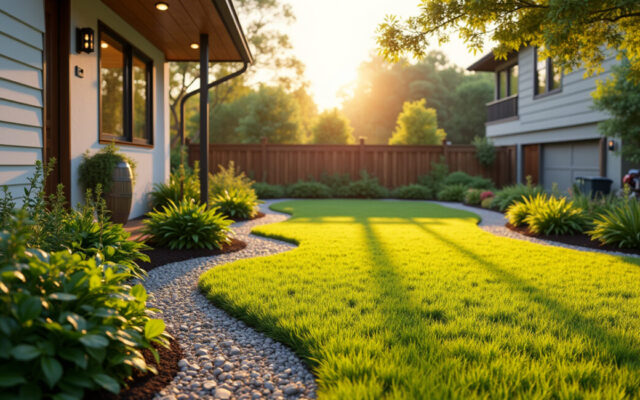
Microclover is a smaller-leaf selection of white clover bred to blend more smoothly with grass and stay visually finer. It stays lower, fills in well, and tends to look tidier in small spaces where every patch is visible. If the goal is a lawn alternative that still reads like a lawn, this is usually the first place to start.
White Clover
White clover is the traditional workhorse. It spreads quickly, handles poor soil better than many ornamentals, and recovers from stress well. The tradeoff is appearance: it can look a little looser and more meadow-like, which some homeowners love and others do not.
Clover Grass Mix
A clover lawn mix is often the best answer for a small family yard because grass adds wear tolerance while clover contributes nitrogen fixation and reduced fertilizer needs. This is the option I would choose most often for a tiny suburban lawn that still sees real use. If you want a practical middle ground, the small-yard planning mindset behind permeable patio ideas is useful here: blend function with scale instead of chasing one perfect material.
The difference between microclover and white clover is not just leaf size; it is how polished the yard looks after a month of real use.
For fertilizer and soil guidance, the USDA Natural Resources Conservation Service and university extension services are worth checking because clover performs differently in compacted or low-nutrient soils than standard turf does. The University of Maryland Extension also has useful turf and ground-cover guidance at UMD Extension.
Best Non-Clover Low-Lawn Alternatives to Consider
If clover is not the right fit, several low lawn alternatives can work beautifully in a small yard. The best non-clover choices are usually sedges, dwarf mondo grass, thyme in sunny dry spots, and native ground covers that tolerate your climate better than a forced turf conversion.
Sedges and Carex
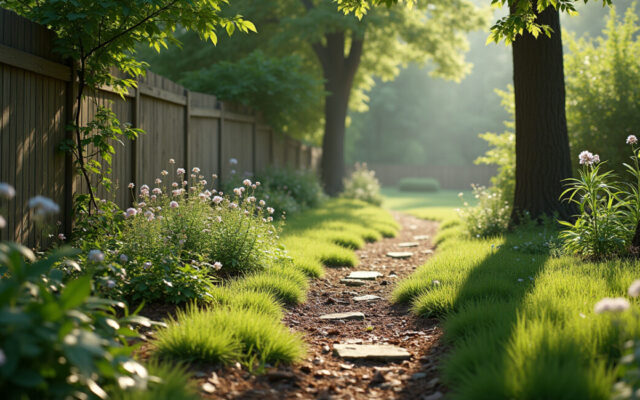
Sedges are among the best shade tolerant lawn alternatives because they keep a soft, grass-like look without needing constant mowing. They do well in part shade, and some types can handle moist soil better than clover. For narrow side yards, they often look more intentional than a patchy lawn ever will.
Dwarf Mondo Grass
Dwarf mondo grass is slow, tidy, and excellent for borders or low-traffic pockets. It is not the best choice for a play area, but it is one of the cleanest-looking compact yard landscaping options if you want a dark green, low-profile finish. Think of it as a ground plane, not a sports surface.
Thyme and Other Herb Ground Covers
In full sun, thyme can be a great drought tolerant lawn alternative for very small areas where you want fragrance and texture. It does not love heavy foot traffic, so it works better in accent zones than in the main path. If your yard feels more like a courtyard, thyme can be a smart, attractive compromise.
- Choose sedges if the yard is shaded and you want a lawn-like look.
- Choose dwarf mondo grass if you care more about neat structure than durability.
- Choose thyme if the space is sunny, dry, and lightly used.
Which Option Stays Green Best Through the Seasons
Microclover and white clover stay green impressively well during the growing season, but neither guarantees year-round color in every climate. In colder winters, clover may brown or die back aboveground, then return from roots or reseeding in spring. If you want winter color, you usually need a blend or a non-clover evergreen ground cover.
Spring and Summer
This is where clover shines. It greens up fast, tolerates moderate dryness better than high-input turf, and keeps a fresh look with less feeding. Microclover usually holds its appearance longer because the leaf size stays finer and the patches knit together more evenly.
Fall and Winter
Cool-season climates can keep clover looking good well into fall, but hard freezes change the story. Some yards look acceptable through winter; others go flat and brown. That is one reason the claim that clover lawns are “always green” is overstated. Weather, irrigation, and local winter severity all matter.
For seasonal expectations, local climate guidance matters more than internet hype. The EPA WaterSense program is useful for understanding water-efficient landscape choices, and it reinforces a simple point: the right plant for a site should lower water demand without pretending climate no longer matters.
Which Options Handle Foot Traffic Best
If the yard gets frequent walking, the best lawn alternative for foot traffic is usually a clover grass mix, not pure clover. White clover handles pressure better than many people expect, but grass still adds the recovery strength needed for repeated use near doors, bins, and pathways.
Best for Pets and Kids
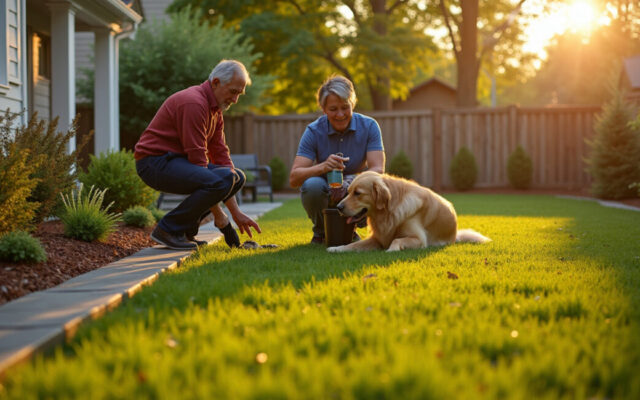
Clover-based lawns are generally pet friendly lawn alternatives, and they are often softer underfoot than coarse turf. They also avoid some of the mud-and-dust cycle that happens when grass thins out. That said, clover flowers attract bees during bloom, so a family with toddlers who run barefoot through the yard should plan where the bloom-heavy areas go.
Best for Repeated Shortcut Paths
If people cut across the same line every day, the most durable answer is not pure clover. It is usually a mixed planting, or even a blend of low ground cover with stepping stones in the heaviest-use strip. A small yard often needs zoning, not one uniform surface. The same logic shows up in permeable paver layouts for small backyard spaces: concentrate durability where the traffic actually lands.
A pure clover lawn looks best in low-use spaces, but a clover-and-grass blend performs better the moment the yard becomes a walkway.
Maintenance, Watering, and Mowing Needs Compared
Low maintenance does not mean no maintenance. Clover needs less mowing and less fertilizer than traditional grass, but you still need to trim, water during establishment, and manage weeds while it fills in. The good news is that the workload is lighter and usually more predictable than with a conventional lawn.
- Microclover: mow less often than grass, water deeply while establishing, and trim when it starts to flower heavily if you want a cleaner look.
- White clover: very low fertilizer needs, moderate mowing, and strong reseeding behavior if patches open up.
- Clover grass mix: similar care to a reduced-input lawn, with better wear recovery than pure clover.
- Sedges / mondo grass: low mowing, lower fertilizer needs, and a steadier appearance in shade.
Many homeowners overwater clover in the first season and then wonder why the planting stays shallow. Once established, clover is more forgiving than turf in dry spells, but it still needs enough moisture to root deeply. If your yard is exposed and hot, a drought tolerant lawn alternative with a wider planting mix may outperform clover alone.
How to Choose the Right Mix for Your Yard Size and Use
Start with how the yard is used, not with the plant you like best. A tiny decorative side yard, a dog run, and a small family lawn need different answers even if all three are technically “small yards.” That is the practical filter that prevents regret later.
If You Want the Cleanest Look
Choose microclover or a microclover-grass blend. It gives the most refined appearance and usually reads best from the curb. This is the right move when the yard is visible from the street or directly attached to a patio where small details matter.
If You Want the Toughest Low-cost Option
Choose white clover. It is the simplest, most forgiving clover-based lawn alternative, and it handles rougher soil better than many homeowners expect. It is not the prettiest option, but it is often the most resilient for the money.
If Your Yard is Shaded
Skip clover as the default and look at sedges or other shade tolerant lawn alternatives. Clover in deep shade tends to thin, and once that happens, weeds usually win. In compact shade pockets, the right non-clover ground cover often creates a more finished look with less effort.
One small-yard project I saw work well started with a narrow back strip that had been half grass, half weeds, and half mud after rain. The owner switched the sunny section to microclover, planted sedges near the fence where the shade was strongest, and added stepping stones through the middle. The result was not a fake-perfect lawn. It was a yard that actually matched how people moved through it.
For broader landscape planning, it also helps to compare lawn alternatives against adjacent hardscape decisions. A compact yard gets better fast when you think about circulation, edges, and drainage together. That is why permeable edging ideas for small outdoor zones can improve the result as much as the planting itself.
What to Do Next
If you want the safest choice for most small suburban yards, test a clover grass mix in the sunniest section first and watch how it behaves through one full season. That gives you a real read on color, wear, and watering before you commit the whole yard. If shade or traffic is the bigger issue, evaluate sedges or a mixed ground-cover plan instead of forcing clover everywhere.
The right answer is rarely “the lowest maintenance plant on paper.” It is the plant that still looks good after kids, pets, rainfall, and a few missed weekends. Start with the part of the yard that causes the most annoyance, solve that area first, and let the rest of the design follow from there.
Is Microclover Better Than White Clover for a Small Yard?
Yes, in most small yards, microclover is the better-looking choice because it has a finer texture and blends more smoothly with grass. White clover is tougher and often cheaper, but it can look looser and less polished. If curb appeal matters and the yard is visible from close range, microclover usually wins. If you want the most forgiving option for rough soil and a tighter budget, white clover is still a strong choice.
Which Clover-based Lawn Alternative Holds Up Best to Foot Traffic?
A clover grass mix usually holds up best to foot traffic because grass helps the surface recover where clover alone would thin out. White clover is sturdier than many people expect, but repeated walking eventually exposes its limits. For the highest-use spots, combine clover with grass or add stepping stones in the main path. That approach gives you durability without giving up the low-input benefits that make clover appealing in the first place.
Do Clover Lawns Stay Green Year-round in Small Suburban Yards?
No, not in every climate. Clover can stay green through a long stretch of the growing season, but cold winters, heat stress, and drought can all change its appearance. In some regions it browns aboveground and returns in spring; in others it stays attractive much longer. If year-round color is a must, a mixed planting or an evergreen ground cover is usually a better fit than pure clover.
What is the Lowest-maintenance Alternative to Grass for a Tiny Yard?
The lowest-maintenance option depends on sun and traffic, but sedges are often the easiest in shaded or partially shaded tiny yards. In sunny areas, microclover is one of the best low-input choices because it needs less fertilizer and less mowing than conventional turf. If the space gets walked on often, though, a clover grass mix may be more practical even if it needs a little more upkeep. “Lowest maintenance” only works when the site matches the planting.
Are Clover Lawn Alternatives Good for Pets and Kids?
They can be, especially when the yard is used for light to moderate play. Clover is softer than many turf lawns and can tolerate regular use better than patchy grass in poor soil. The main caution is bloom time, when flowers may attract bees, so placement matters if children or pets run barefoot. For the best family setup, use clover in the open lawn area and keep the heaviest traffic route reinforced with a mix or stepping stones.