Skip to content

Small bathroom upgrades can change how your routine feels, but not every “eco” product is worth the money. The best low-waste bathroom wellness products do two things at once: they cut down on disposable packaging and they make daily care easier, calmer, or more enjoyable. That is why the smartest swaps usually start with refillable basics, durable tools, and items you use every day.
If you have ever bought a pretty bamboo item that fell apart in three weeks, you already know the problem. Low waste only works when the product survives real life: wet counters, rushed mornings, and the occasional overpacked travel bag. Below, I’ll focus on the swaps that actually earn their place on the sink, in the shower, and inside the medicine cabinet.
What You Need to Know
- The best first swaps are high-use items: hand soap, body wash, toothpaste, and shampoo, because they reduce the most packaging fastest.
- Refillable containers beat “zero waste” one-offs when the refill program is reliable and the formula works for your skin or hair.
- Plastic-free tools matter most when they are durable, sanitary, and easy to dry; otherwise they create waste in a different form.
- Wellness and low waste overlap best when the product lowers friction in your routine, not when it adds a chore.
- The cheapest option is not always the lowest-waste option if it breaks quickly or forces frequent repurchases.
Low-Waste Bathroom Wellness Products That Fit Real Routines
The formal definition is straightforward: low-waste bathroom goods are products designed to minimize material use across the full life cycle, including packaging, replacement frequency, and disposal impact. In plain English, that means buying items you use often, in formats that create less trash over time. The wellness part matters too; a product only helps if it feels good enough that you keep using it.
That is the part people miss. A refillable cleanser that sits unused is not a win. A solid shampoo bar that tangles your hair and gets abandoned after two washes is not a sustainable habit. If the product does not fit your routine, the waste reduction is theoretical.
The best low-waste bathroom swap is not the one with the prettiest label; it is the one you will use every day without thinking about it.
Start with the Highest-Volume Items
Bathroom waste usually starts with containers, pumps, tubes, and disposable accessories. Hand soap, body wash, shampoo, conditioner, toothpaste, cotton rounds, and razors account for a large share of routine replacement, which is why they are the first places to look. The more often you buy it, the more packaging you can remove by switching formats.
Choose Refill Systems Before Specialty Gadgets
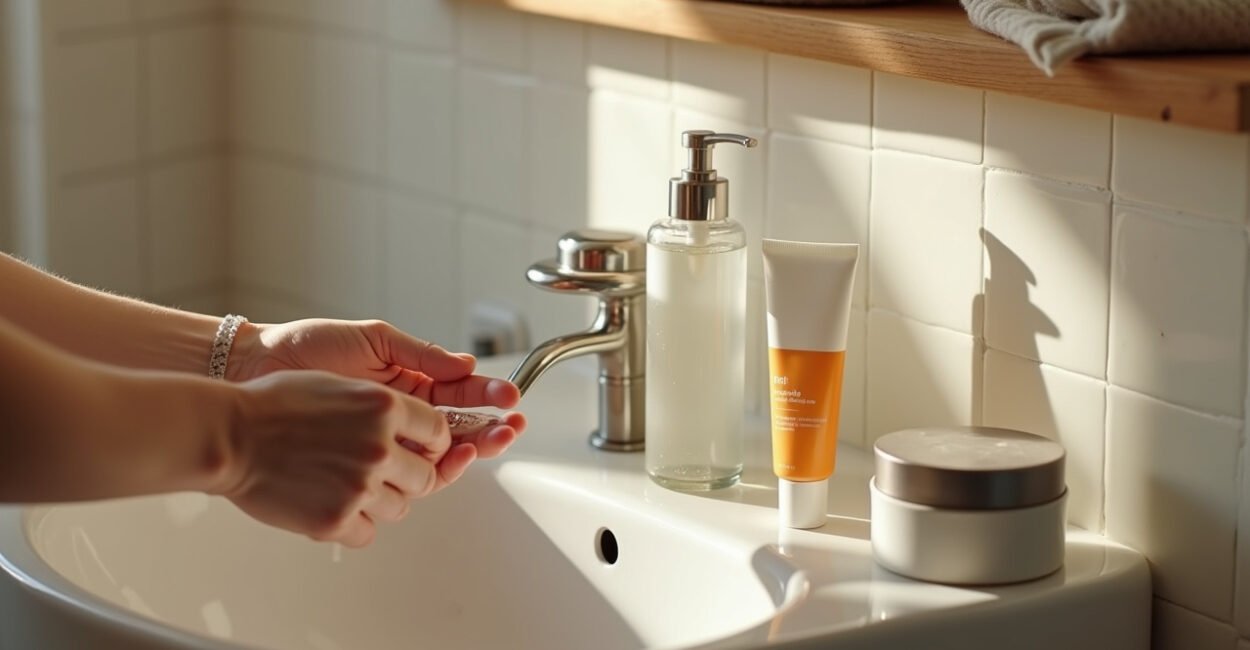
Refillable soap dispensers and shampoo refills are usually a better first purchase than a shelf full of niche accessories. Refill systems work because they replace repeated hard packaging with a reusable container and softer refill packaging. If the brand makes refills easy to source, the habit sticks. If not, the whole system becomes annoying and expensive.
For context, the EPA’s recycling and waste reduction guidance is a good reminder that source reduction matters more than hoping every package gets recycled. And the FTC Green Guides are worth understanding if you want to spot vague “eco-friendly” claims that sound better than they are. A product can be marketed as green and still create a lot of waste in practice.
Refillable Essentials That Pull the Most Weight
Not all refillables are equal. The strongest candidates are products you buy regularly, store safely in a bathroom, and can refill without making a mess. That is why soap, lotion, shampoo, conditioner, and mouthwash often beat decorative swaps like reusable organizers or compostable trays.
Best First Refillables
- Liquid hand soap: Easy to replace, easy to standardize, and one of the most visible packaging wins.
- Body wash or shower gel: Good if you already prefer liquid formulas and want to keep the same texture and scent experience.
- Shampoo and conditioner: Works well when your hair responds to a consistent formula and the brand offers dependable refills.
- Face wash: Useful if you want to reduce tube waste without changing your skincare routine too much.
Where Refillables Fail
Refill systems fail when the bottle is awkward to clean, the refill pouch leaks, or the formula separates after a week in the shower. They also fail if the product is “clean” but not actually effective for your needs. For example, a conditioner that saves packaging but leaves hair dry is not a real upgrade. This is where performance matters more than ideology.
Refillable packaging reduces waste only when the container lasts longer than the savings you are trying to create.

Plastic-Free Tools Worth Buying First
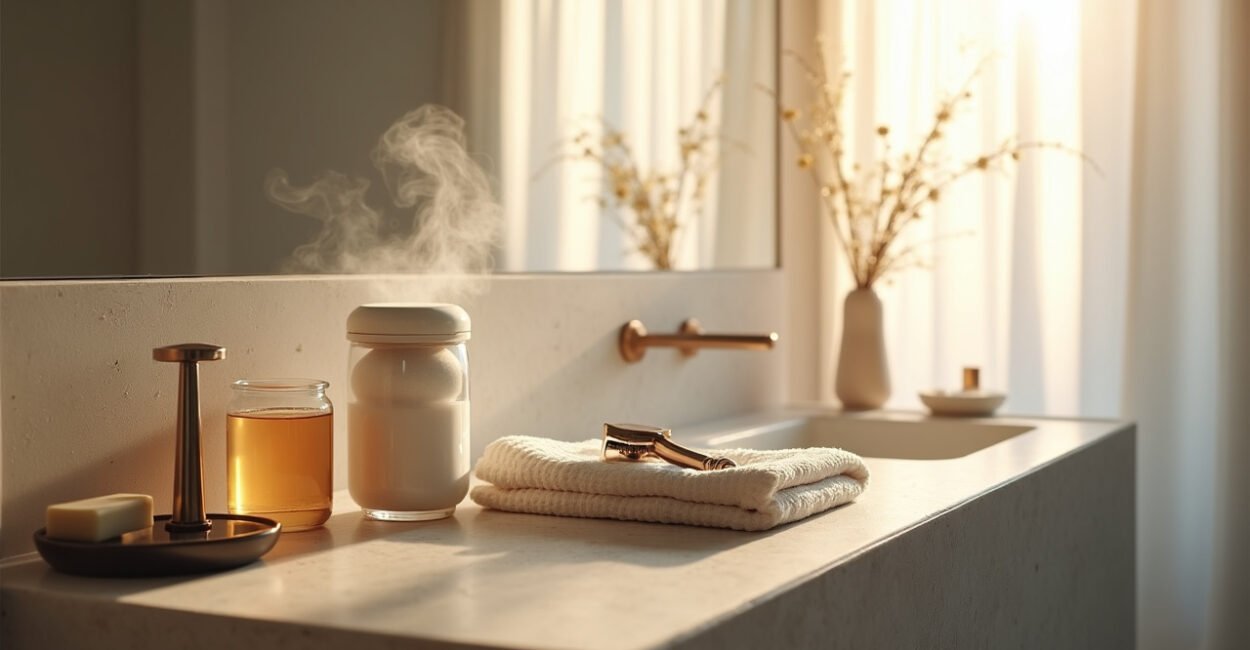
Plastic-free does not automatically mean better. A wooden brush that traps moisture and grows mildew is a bad buy. A stainless-steel safety razor, on the other hand, can last for years and cut down on repeated plastic cartridge waste. In bathroom wellness, durability and hygiene matter as much as material choice.
| Tool | Why It Helps | What to Watch |
|---|---|---|
| Safety razor | Reduces disposable cartridge waste | Needs a learning curve |
| Bamboo or wood toothbrush | Replaces full plastic brush bodies | Handle quality and bristle type vary |
| Washcloth or cotton rounds | Replaces disposables for cleansing and makeup removal | Must be washed regularly |
| Soap dish with drainage | Extends the life of bar soap and shampoo bars | Needs airflow to prevent mushiness |
Buy for Drying, Not Just for Looks
Whoever has dealt with a soggy bar of soap knows the rule: if it cannot dry properly, it gets messy fast. Draining soap dishes, wall-mounted holders, and open trays help solid products last longer and stay sanitary. That makes them low waste in a very practical way, because a bar that melts into sludge gets replaced sooner than it should.
One study-backed reason people trust these swaps is that durability changes disposal patterns over time. The National Park Service’s discussion of reusable razors gives a simple real-world example: a reusable tool only works if the parts are maintained and replaced efficiently. That logic applies to the bathroom shelf just as much as it does to broader household choices.
Bar Formats, Concentrates, and the Cases Where They Work Best
Solid bars and concentrated formulas can cut packaging sharply, but they are not a universal upgrade. Shampoo bars, conditioner bars, and cleansing bars make sense when you travel often, want fewer bottles, or have a routine that tolerates a different lather and feel. They are less ideal if your hair is very curly, color-treated, or sensitive to formula changes.
When Bars Are a Smart Buy
- You want fewer containers in a small bathroom.
- You travel often and hate leaking bottles.
- You are comfortable with a learning curve during the first few uses.
- You already use a simpler routine and do not need layered products.
When Bottles Are Better
Some products work better in liquid form because the texture and dosage are more predictable. That is true for some face cleansers, moisturizers, and hair products. If a bar leaves residue, tangles, or dryness, the “waste-saving” move becomes a false economy. In that case, a refillable bottle is the better low-waste choice.
Na prática, the best result comes from matching the format to the task. A bar cleanser can be excellent on the body and frustrating on the face. A dense conditioner bar can be great for one hair type and a nightmare for another. There is no prize for forcing a trendy format into a routine that does not like it.
Wellness Upgrades That Reduce Waste Without Adding Clutter
Some bathroom wellness products feel indulgent, but a few are worth it because they replace multiple disposables or make the room easier to maintain. Think of items like a high-quality exfoliating cloth, a reusable makeup-removal pad set, a pumice stone, or a durable bath brush. These products can reduce one-and-done purchases if they are actually cared for.
Ask Three Questions Before Buying
- Will this replace something I currently throw away?
- Can I clean and dry it easily?
- Will I still want to use it after the novelty fades?
That third question matters more than people think. I have seen beautifully made wellness items become drawer clutter because they required too much maintenance for a weekday morning. The purchase felt aligned with values, but the routine never changed. Low waste only becomes real when the product stays in rotation.
Wellness products reduce waste when they remove repeated purchases, not when they add a new category of things to manage.
How to Build a Bathroom Setup That Stays Low Waste
The easiest way to overcomplicate this is to replace everything at once. That usually leads to bad buying decisions, product fatigue, and a cabinet full of half-used experiments. A better approach is to map your highest-use items, swap the most wasteful ones first, and leave the rest alone until they naturally run out.
Here is the sequence I would follow:
- Step 1: Replace hand soap with a refillable dispenser.
- Step 2: Switch one personal-care item, usually shampoo or body wash.
- Step 3: Add one durable tool, such as a safety razor or reusable cotton rounds.
- Step 4: Improve storage so solid products dry properly.
- Step 5: Only then test specialty items like bars or concentrates.
A Small Example from a Real Bathroom
A renter with one narrow sink area does not need six eco swaps to start making progress. A refillable hand soap bottle, a stainless-steel razor, and a soap dish with drainage can change the waste profile of that bathroom more than a drawer full of trendy accessories. The room stays cleaner, the routine stays familiar, and replacement shopping gets simpler. That is the kind of low-friction change people actually keep.
What to Buy First If You Want the Biggest Impact
If your budget is limited, buy in this order: refillable hand soap, one main hair or body product you already use daily, a durable razor or toothbrush, and then one reusable textile like cotton rounds or washcloths. That order works because it attacks the highest-frequency waste first. It also protects you from the common trap of buying low-waste decor before low-waste essentials.
The bigger lesson is that sustainability and convenience do not have to fight each other. The strongest bathroom swaps feel almost boring after a week, because they fit the routine so well you stop thinking about them. That is the real sign you chose well.
FAQ
Are Low-waste Bathroom Products Always More Expensive?
Not always. The upfront cost can be higher for items like a safety razor, refillable bottle, or quality soap dish, but many of those products last longer than cheaper disposable alternatives. The price story changes when you calculate cost per use instead of sticker price. That said, some premium refill brands are overpriced, so it still pays to compare formulas, container sizes, and refill availability before buying.
What is the Easiest Low-waste Swap for Beginners?
Refillable hand soap is usually the easiest place to start because it requires almost no habit change. You keep the same handwashing routine, but you stop throwing away as many pumps and bottles. If you want a second step, switch one item you already repurchase often, such as shampoo or body wash. Small wins are more durable than a full bathroom overhaul.
Do Shampoo Bars Work for Every Hair Type?
No, and that is where a lot of people get frustrated. Shampoo bars can work very well for some hair types, but they may leave residue, dryness, or tangling on others, especially if your hair is color-treated or very curly. The better test is not whether the bar is sustainable; it is whether your hair still feels clean, manageable, and healthy after several washes. If not, a refillable liquid formula is a better choice.
How Do I Know If a “eco-friendly” Bathroom Product is Actually Good?
Look for a product that explains materials, refill options, durability, and replacement cycle in plain language. Vague claims like “green,” “pure,” or “natural” do not tell you much about waste reduction. A good product should show how it reduces packaging or extends use, and it should still perform the core job well. If the sustainability pitch is louder than the product details, be skeptical.
What Should I Avoid When Buying Low-waste Bathroom Items?
Avoid items that are hard to clean, hard to dry, or likely to break quickly in a wet space. Also avoid buying too many specialty products at once, because clutter makes the system harder to maintain. The most common mistake is picking products for their aesthetic or environmental image instead of their daily usefulness. In bathrooms, function almost always beats novelty.