Skip to content

A calmer morning usually comes from removing friction, not adding more habits. A practical zero-waste morning routine checklist cuts down on disposable packaging, half-used products, and the small decisions that slow you down before the day even starts.
In plain English, a zero-waste morning routine means choosing repeatable actions that reduce trash at the source: reusable containers, concentrated products, refill systems, and fewer single-use items. The goal is not perfection. It is to make your mornings faster, cleaner, and easier to maintain without feeling like you need a whole lifestyle overhaul.
O Que Você Precisa Saber
- A zero-waste morning works best when it is built around a fixed setup, because routine beats motivation on busy weekdays.
- The highest-impact changes are usually bathroom swaps: reusable cotton pads, solid soap, a safety razor, and refillable toothpaste or moisturizer.
- Meal prep matters too, because breakfast packaging and disposable coffee habits often create more waste than people expect.
- The best checklist is the one you can repeat with half-asleep consistency; if it takes extra brainpower, it will not last.
- There is no universal “perfect” version, and that is fine: the right routine depends on your household, budget, and access to refill stores.
Zero-Waste Morning Routine Checklist for Busy Mornings
A true zero-waste routine is a systems problem, not a virtue test. In technical terms, it is a set of repeated behaviors designed to reduce material throughput, especially single-use consumption, while keeping the routine stable enough to repeat daily. The simplest version is the one that removes the most packaging with the fewest extra steps.
That is why the checklist should focus on what happens before 9 a.m.: water, hygiene, coffee or breakfast, clothes, and the bag you leave with. If those five areas are handled well, the rest of the morning usually gets easier. If they are not, waste tends to creep back in through disposable cups, sample-size toiletries, and “quick fix” purchases.
The Five Categories That Matter Most
- Bathroom: reusable and refillable products reduce the daily stream of plastic tubes, cotton rounds, and razors.
- Kitchen: batch-prepped breakfast and a reusable mug cut packaging and takeout waste.
- Wardrobe: an outfit system lowers last-minute shopping and laundry inefficiency.
- Carry system: a tote, water bottle, and lunch container prevent “I forgot mine” disposables.
- Reset habit: a 2-minute end-of-morning reset keeps the system ready for tomorrow.
What makes a zero-waste morning routine work is not buying more eco-friendly stuff; it is removing the need for disposable backups in the first place.
Build the Bathroom Setup Once, Then Stop Thinking About It
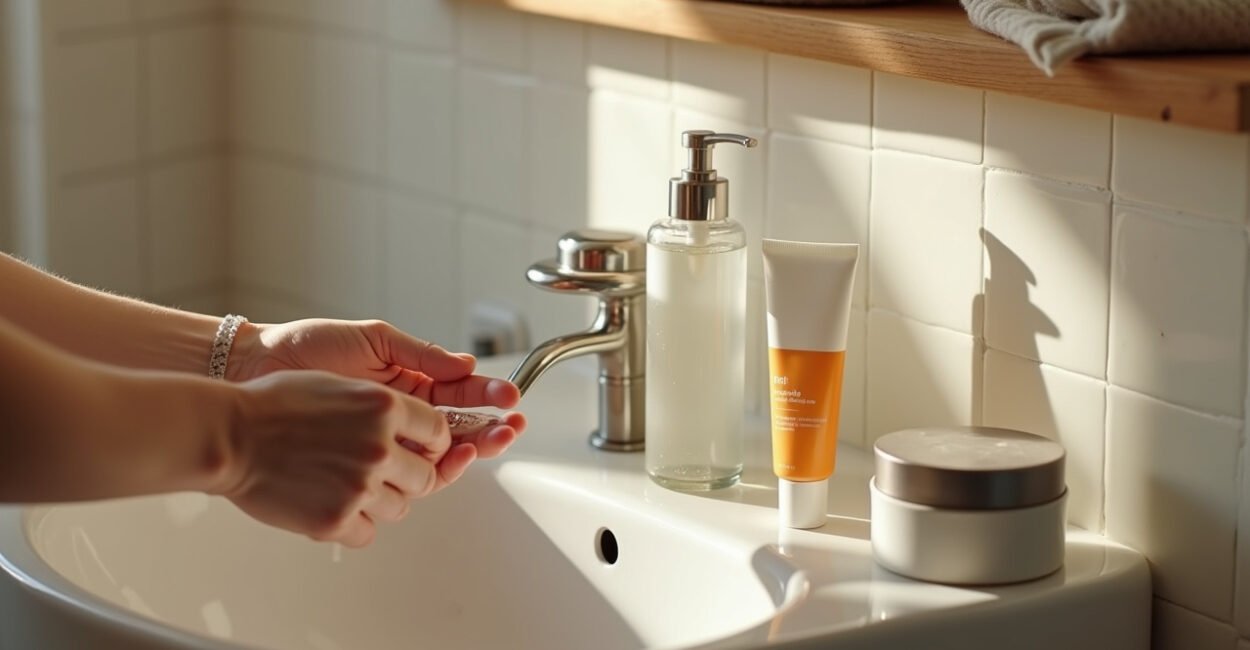
The bathroom is where most people leak waste without noticing. A tube here, a cotton pad there, a plastic razor every few weeks, and suddenly the trash bin is full of packaging that never needed to enter the house. The fix is not complicated, but it does require choosing products that stay in rotation.
Swap the Items You Use Every Day
- Solid soap or shampoo bars: they usually come with less packaging than liquid versions and last a long time when stored properly.
- Safety razor: replaceable blades create far less waste than disposable multi-blade razors.
- Reusable cotton rounds: use them for cleansing, toner, or makeup removal, then wash and reuse.
- Refillable moisturizer or toothpaste: these are worth it if you have a nearby refill shop or a reliable mail-order system.
For people who wear makeup, the biggest win is not switching every product at once. Start with the items you finish fastest. A small local refill store, a zero-waste shop, or a reputable mail-order refill program can make this far easier, but access varies. In some neighborhoods, solid bars and bulk refills are practical; in others, they are expensive or inconvenient. That limit is real, and it changes the plan.
If you want a reliable reference point for waste reduction habits, the U.S. Environmental Protection Agency’s recycling and waste guidance is a solid place to understand how everyday material choices affect disposal. For product safety and labeling questions, the Federal Trade Commission also helps separate legitimate claims from greenwashing.

Keep Breakfast Low-Waste Without Making It Complicated
Breakfast is where good intentions often collapse. People reach for single-serve yogurt, packaged pastries, takeaway coffee, or a disposable cup because the morning feels rushed. The answer is not elaborate meal prep. It is a few default foods and containers that make the low-waste choice the easy choice.
A Practical Breakfast Formula
- Pick one base you actually eat: oats, yogurt, toast, eggs, or fruit.
- Keep the ingredients visible and reachable.
- Use one reusable mug, one bowl, and one container that gets washed every day.
- Batch prep only what you will finish in 2 to 3 days.
Na prática, what works best is the breakfast you can make half awake. Overnight oats in a jar, toast with bulk peanut butter, or eggs with leftover vegetables are all better than buying a wrapped snack on the way out. A French press or a reusable coffee cup also helps if coffee is part of your morning. The routine gets easier when the replacement is not “more sustainable” in theory, but faster in real life.
Low-waste breakfasts fail when they rely on discipline; they succeed when the ingredients are already waiting in the right container.
Use a Carry System That Prevents Disposable Backups
This is the part most people skip, then regret later. If your bag does not already hold the basics, you end up buying bottled water, taking plastic utensils, or grabbing a paper cup because you have no alternative at hand. A good carry system turns “I forgot” into “I already packed it.”
Your Morning Exit Kit
- Reusable water bottle: the simplest way to avoid bottled drinks during the day.
- Foldable tote: essential for errands, groceries, or unexpected pickups.
- Lunch container or bento box: useful if you pack food the night before.
- Reusable utensils: a light spork or utensil set solves more problems than people expect.
- Cloth napkin: one small item that replaces several paper ones over time.
A common mistake is overpacking the kit until it becomes annoying. Keep it lean. One bottle, one bag, one container, and one set of utensils cover most everyday scenarios. If your commute includes coffee stops, choose a cup that seals well and fits under common dispensers. That small detail matters more than the brand name. A reusable item that is awkward to use will get abandoned.
Make the Routine Fast with a Two-Minute Reset
The difference between a routine that lasts and one that dies in a week usually comes down to reset time. If the sink is cluttered, the tote is empty, and the bottle is still on the counter, tomorrow starts with friction. A two-minute reset at the end of the morning keeps the system ready.
What to Reset Before You Leave
- Rinse and return your reusable cup, bottle, or lunch container to its home spot.
- Refill anything you used up, such as soap, moisturizer, or water.
- Put the tote and key items by the door.
- Check whether your breakfast container needs to be washed now or later.
Who works with household systems knows this: consistency is often just cleanup done at the right time. The morning reset is not glamorous, but it prevents the “where did I put that?” scramble that drives people back to disposable shortcuts. If you only do one habit from this article, make it this one.
Adapt the Checklist to Your Budget, Household, and Access
Zero-waste advice gets messy when it assumes everyone lives near a refill shop or can pay premium prices for niche products. That is not the real world. Some households can switch to bulk staples and bar products quickly; others need to replace items one by one as they wear out. Both are valid.
There is also some disagreement among sustainability experts about how much weight to give “best possible” swaps versus “most feasible” swaps. I land on the feasible side. If a product is expensive, hard to find, or frustrating to use, it often creates more waste over time because people replace it early or stop using it altogether.
For broader context on why waste prevention matters, NRDC has long-running coverage on consumer waste reduction, and UNEP explains how consumption patterns affect disposal and resource use at scale. Those sources are useful if you want the bigger picture behind the routine.
Choose the Right Version for Your Situation
| Situation | Best starting point | Why it works |
|---|---|---|
| Busy parent | Reusable bottles, breakfast jars, tote by the door | Reduces decisions and prevents last-minute disposables |
| Apartment with limited storage | Solid soap, one lunch container, one tote | Small footprint, low clutter |
| Near a refill store | Refillable shampoo, soap, and moisturizer | Higher packaging reduction with less effort |
| Tight budget | Use up current products first, then replace by category | Prevents waste from buying duplicates too early |
Turn the Checklist Into a Habit You Actually Keep
The best morning checklist is the one that disappears into muscle memory. Start with three non-negotiables: a reusable drink container, one low-waste breakfast default, and a quick reset before you leave. Once those are automatic, add the bathroom swaps. That order matters because it reduces decision fatigue, and decision fatigue is what usually breaks good intentions.
Next step: write your own 5-item morning version today, then run it for seven days without changing anything else. Keep what is easy, drop what slows you down, and replace only the habits that create visible waste. The goal is not to perform sustainability. The goal is to make a simpler morning that runs on repeat.
FAQ
What is a Zero-waste Morning Routine?
A zero-waste morning routine is a repeatable set of habits that reduces disposable packaging, single-use bathroom products, and unnecessary trash before the day begins. It usually centers on reusable containers, refillable toiletries, and a simple setup that prevents last-minute purchases. The point is not zero trash in the literal sense every single day. The point is lower waste with less effort, so the routine lasts long enough to matter.
What Should Be in a Zero-waste Morning Routine Checklist?
The most useful checklist covers the five places where waste shows up fastest: bathroom, breakfast, carry items, outfit prep, and end-of-morning reset. A reusable water bottle, solid soap, a tote bag, and one breakfast default are stronger starting points than trying to replace everything at once. If you keep the list short, you are more likely to use it on rushed mornings.
How Do I Start If I Already Own a Lot of Plastic Products?
Use what you already have first. Replacing everything early creates avoidable waste, which defeats the purpose. Finish your current products, then switch by category when an item runs out or breaks. That approach is slower, but it is usually cheaper and more realistic for most households.
Is Zero Waste Realistic for Busy Families or Commuters?
Yes, but only if you keep the system simple. Busy households do better with a small number of default habits than with a long, perfect list of swaps. Think in terms of backups: a tote by the door, bottles washed and ready, breakfast ingredients visible, and toiletries stored together. When the setup is easy, the routine survives rushed mornings.
What is the Biggest Mistake People Make with Zero-waste Mornings?
The biggest mistake is making the routine too ambitious. People often buy several eco-friendly products at once, then abandon half of them because they are awkward, expensive, or slow to use. A better approach is to remove one or two high-waste habits first, then build from there. Consistency beats intensity every time.