Skip to content

Luxury Apartment Interior Design: Complete Style Guide
Luxury apartment interior design is not about adding more things; it is about making every square foot feel intentional, calm, and expensive in the right way. In practice, the best apartments rarely rely on flash. They rely on proportion, material quality, layered lighting, and a layout that feels effortless the moment you walk in.
If you strip away the glossy styling, the real definition is straightforward: a luxury apartment uses spatial planning, premium finishes, and disciplined editing to create comfort with visual precision. That means fewer mistakes, better sightlines, and a home that feels edited rather than crowded. Below, I’ll break down how that works in real apartments, where the budget actually matters, and which details separate high-end from merely expensive.
Quick Takeaways
- Luxury reads as restraint: the room feels calm because every material, finish, and object has a job.
- Layout usually matters more than furniture cost; a well-zoned 900-square-foot apartment can feel richer than a poorly planned larger one.
- Warm lighting, natural textures, and concealed storage do more for perceived value than decorative excess.
- The most successful high-end apartments mix tactile materials such as stone, walnut, linen, and brushed metal instead of leaning on one obvious “statement” finish.
- Timeless design is built on balance, not trend chasing; the best rooms still work after the trend cycle moves on.
Luxury Apartment Interior Design and the Layout Decisions That Shape It
Start with the Plan, Not the Shopping List
The technical core of luxury apartment interior design is spatial hierarchy: deciding what should be seen first, what should stay quiet, and how people move through the home. A well-designed apartment creates a clear entry moment, a strong living focal point, and an easy path between social and private zones. Without that structure, even expensive finishes can feel random.
Who works in this field knows the same thing keeps happening: clients often want to pick finishes before the circulation is solved. That almost always backfires. A sofa that blocks a view corridor or a dining table that interrupts passage will make the apartment feel smaller and less polished, no matter how good the upholstery is.
The Luxury Signal is Often Negative Space
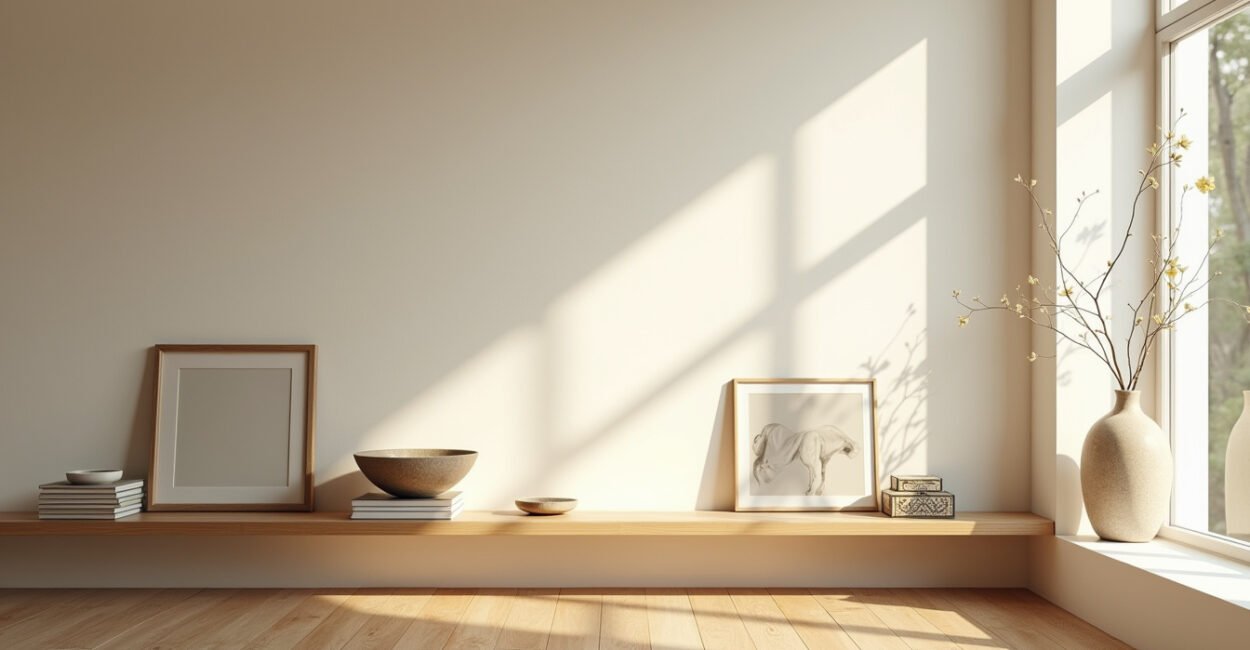
One of the clearest markers of high-end apartment design is what you leave open. Negative space gives the eye a place to rest and makes the materials you do choose feel more deliberate. In compact city apartments, that might mean a slim dining setup, low-profile casework, or a custom console instead of a bulky cabinet.
What separates a luxury apartment from a decorated apartment is not the number of objects — it is the clarity of the room’s circulation, focal points, and visual rest.
When the Layout Fails, the Budget Fails Too
That said, layout alone cannot rescue every unit. A narrow apartment with awkward columns, too many doors, or a bad window position will always have limits. This is where realistic judgment matters: some homes need custom millwork and furniture scaling to compensate, while others need less intervention and more editing. There is no universal formula.
Materials, Finishes, and the Difference Between Expensive and Refined
Choose Materials That Age Well
Premium materials do not just look better on day one; they usually hold their character longer under daily use. Natural stone, engineered oak, walnut veneer, wool rugs, and linen drapery all develop more depth than glossy synthetic substitutes. Brass and blackened metal can work too, but only if they are used with discipline. Too many finishes fighting for attention will make the apartment feel restless.
For a useful outside reference on healthy indoor environments and material choices, the U.S. Environmental Protection Agency’s indoor air quality guidance is worth a look, especially if you are evaluating low-VOC paints, sealants, and adhesives.
Texture Matters More Than Shine
A common mistake is assuming luxury means polished surfaces everywhere. It does not. In fact, too much gloss can flatten a room and make it feel more like a showroom than a home. The stronger move is to balance matte and reflective surfaces: a honed stone countertop, a softly reflective mirror, a textured wall finish, and a rug with visible weave.
- Use one dominant wood tone per major zone for continuity.
- Limit high-contrast stone veining to one or two focal surfaces.
- Mix soft and hard finishes so the room feels layered, not sterile.
The Best Finishes Are Quietly Consistent
Consistency is what makes material selection feel expensive. Door hardware, cabinet pulls, trim details, and lighting finishes should belong to the same visual family even if they are not identical. This is where many projects lose coherence: they buy high-end products, but the products do not speak the same design language.

Lighting Layers That Make an Apartment Feel Larger and Richer
Use Three Layers, Not One Bright Ceiling
If the apartment relies on a single overhead fixture, the whole room usually looks flatter than it should. A stronger lighting plan uses ambient, task, and accent layers. Ambient lighting sets the general tone, task lighting supports reading and cooking, and accent lighting draws attention to art, texture, or architectural details.
The technical term here is luminance hierarchy: the eye is guided by differences in brightness and contrast. In plain English, your best surfaces should be the ones that catch light in the right places. That is how a modest apartment can feel composed at night instead of harsh.
Color Temperature Changes the Mood Fast
Warm white light, usually around 2700K to 3000K, tends to suit residential luxury spaces better than cooler daylight tones. It softens skin, flatters wood, and gives stone more depth. Cooler light has a place in work zones, but using it everywhere can make even a beautiful apartment feel clinical.
A luxury apartment usually feels expensive at night because the lighting is layered, warm, and indirect — not because every fixture is costly.
Natural Light Needs a Strategy Too
Window treatments are often overlooked, yet they shape the entire impression of a room. Ceiling-mounted drapery, sheer layers, and motorized shades can make windows look taller and more architectural. If privacy is a concern, smart layering lets you control glare without turning the apartment into a dark box.
For broader energy and daylighting context, the U.S. Department of Energy’s daylighting guidance explains why natural light should be managed, not just maximized.
Furniture, Scale, and the One Error That Makes Rooms Look Cheap
Scale is More Important Than Brand Names
In apartments, scale is the silent make-or-break issue. Oversized furniture can choke circulation, while undersized pieces make a room feel temporary. The luxury version of a space usually comes from custom or carefully selected pieces that fit the architecture rather than competing with it.
A quick example: I once saw a downtown one-bedroom transformed by removing a deep sectional that swallowed the living room. The replacement was a lower-profile sofa, two proper lounge chairs, and a slimmer coffee table. The apartment did not get bigger, but it suddenly felt like the space could breathe.
Anchor the Room with One Strong Shape
Every main room needs a dominant form. That might be a curved sofa, a rectangular dining table, or a sculptural light fixture. The point is not to show off; it is to create structure so the eye knows where to land. Once that anchor exists, smaller elements can support it instead of competing for attention.
- Leave enough clearance for easy movement around seating.
- Match furniture depth to room depth, not to trends.
- Use fewer but better pieces in visible zones.
Color, Contrast, and the Calm Palette Behind High-End Spaces
Luxury Usually Lives in Controlled Contrast
The most successful apartment palettes are rarely loud. They use a controlled base — ivory, taupe, warm gray, soft charcoal, deep brown, or muted green — and then add contrast through texture and proportion. That approach feels more durable than trend-driven color explosions, which can date a room quickly.
There is one caveat: some apartments can handle stronger color if the architecture is clean and the natural light is good. A moody navy library wall or a deep emerald powder room can feel sophisticated. The trick is to assign that intensity to a specific moment, not spread it everywhere.
Don’t Confuse Neutral with Flat
A neutral apartment can still have depth. The difference comes from undertone, finish, and repetition. If all the neutrals are the same temperature, the room looks lifeless. If they shift subtly — for example, cream next to stone, oak next to bronze, linen next to wool — the palette feels layered without becoming busy.
Storage, Millwork, and the Hidden Architecture of Elegance
Good Storage Makes a Home Look Finished
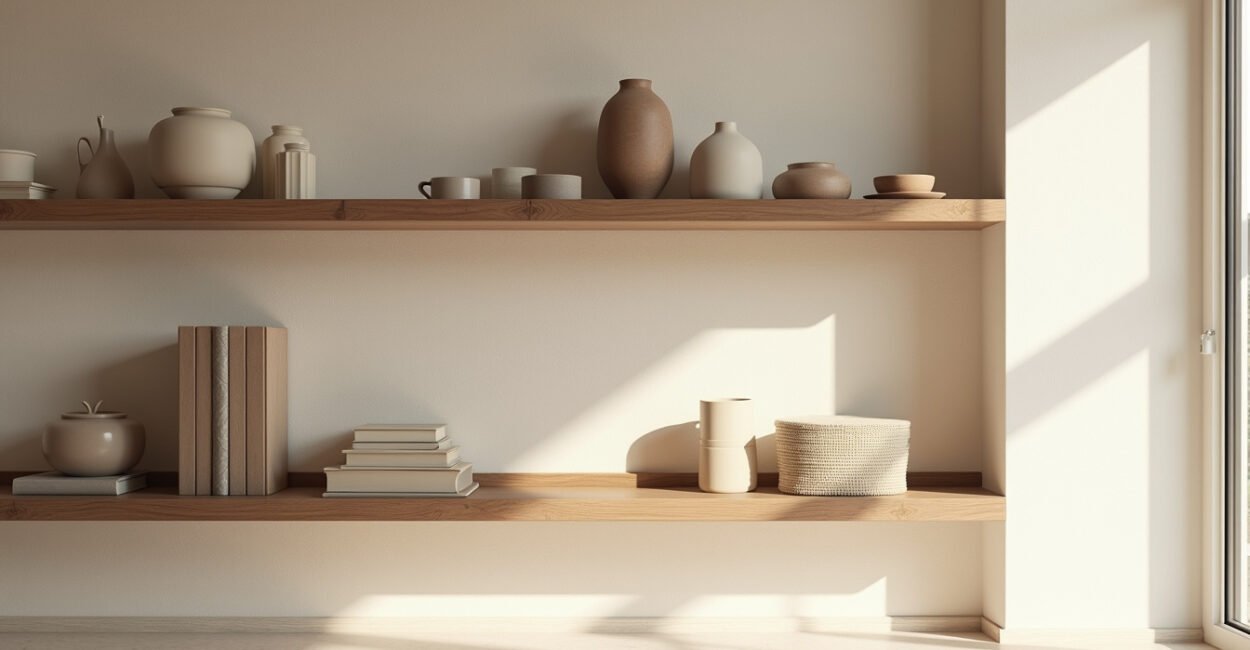
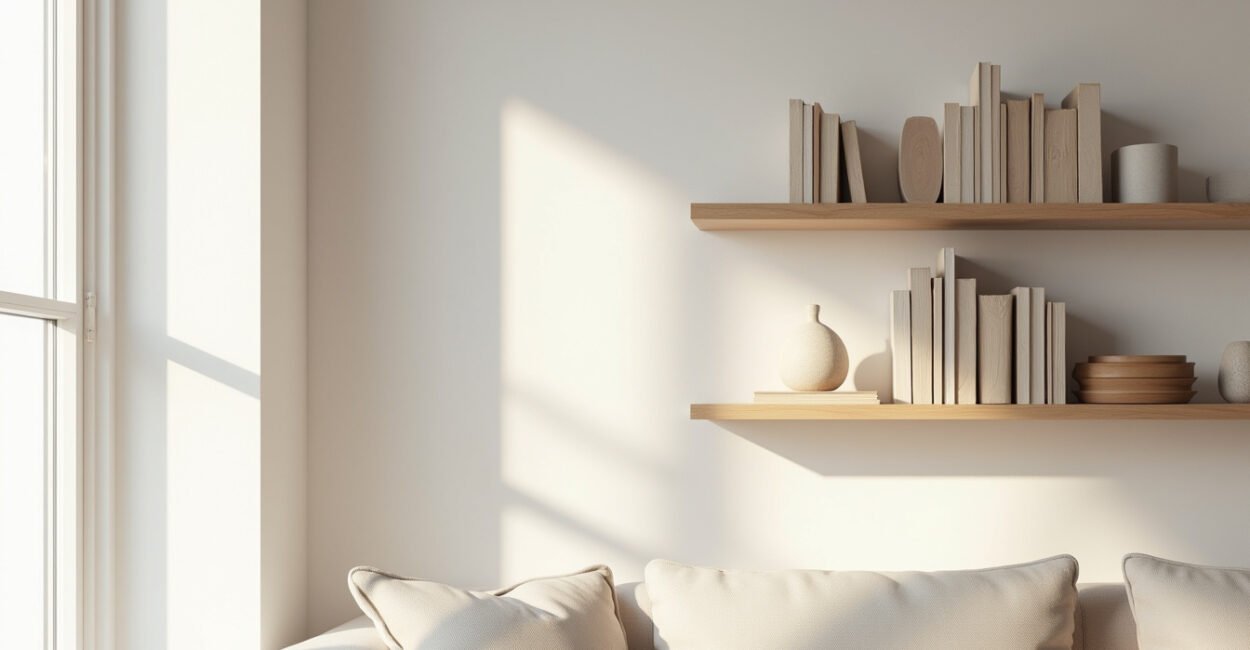
Luxury apartment design depends on visual discipline, and storage is how you protect it. Open shelves are fine when they are curated, but most day-to-day items need to disappear. Custom millwork, concealed closets, integrated media units, and built-ins around awkward niches all help the apartment stay clean in real life, not just on move-in day.
Whoever has lived in a high-end apartment for more than a month knows this: the home feels best when the practical stuff has a place. Cables, chargers, cleaning supplies, seasonal items, and extra linens need hidden homes, or the whole aesthetic starts to unravel.
Millwork Should Solve Problems, Not Add Them
Well-designed millwork looks quiet because it solves multiple issues at once. It can hide HVAC elements, frame a TV, create a reading niche, or turn dead wall space into storage. This is one of the clearest signs of thoughtful interior architecture. If the built-ins are only decorative, they usually age poorly.
| Design Element | What It Does | Luxury Effect |
|---|---|---|
| Built-in cabinetry | Hides clutter and creates visual continuity | Makes the apartment feel tailored |
| Flush door detailing | Reduces visual noise | Feels cleaner and more architectural |
| Integrated lighting | Removes fixture clutter | Supports a softer, more finished atmosphere |
Styling, Art, and the Final Layer That Makes It Feel Personal
Styling Should Edit the Story, Not Start a New One
Accessories are where many projects go wrong because people treat them as afterthoughts. In a refined apartment, styling should reinforce the design rather than introduce a new theme. Think curated books, a few sculptural objects, meaningful artwork, and textiles that echo the main palette.
For art placement and collection-building context, museum standards can be surprisingly useful. The Metropolitan Museum of Art’s educational resources are a strong reference point for understanding scale, framing, and visual rhythm in wall composition.
Use Personal Objects with Editorial Discipline
Personal does not have to mean cluttered. A framed photograph, a travel object, or a ceramic piece can feel far more luxurious than a shelf packed with generic decor. The rule is simple: if an object does not improve the room’s story, it should not compete for attention.
Personal style looks luxurious when it is edited with restraint, because restraint creates confidence.
Trust the Empty Space
This is the part people resist most. They want every surface to do more. But the negative space between objects is what makes the remaining pieces look intentional. A good apartment feels like it has been composed, not filled.
How to Build a Luxury Apartment Without Wasting Budget
Spend Where the Eye and Hand Meet
If you are prioritizing budget, put money into the things you see and touch every day: flooring, lighting, sofa upholstery, bed linens, hardware, and primary millwork. Save on items that can be replaced later without disrupting the whole scheme. That strategy usually delivers a better result than spreading the budget evenly across every category.
It also helps to phase the project. A common mistake is trying to finish everything at once and ending up with compromises in every room. A sharper approach is to complete the main living area first, then the bedroom, then the support spaces. That sequence lets the apartment feel finished sooner and protects the core design decisions.
The Smart Rule: Invest, Then Edit
The easiest way to avoid a generic result is to invest in fewer, stronger anchors and edit the rest. One beautiful sofa, one good rug, one proper lighting plan, and one coherent set of finishes will outperform a room full of disconnected “luxury” purchases. That is the difference between a well-designed apartment and a room that merely spent a lot.
Not Every Trend Belongs Here
Some trends work in hospitality or short-term staging but fail in real life. Mirror-heavy rooms, overly metallic finishes, and highly thematic styling can look impressive at first and tiring later. In apartment interiors, durability of mood matters as much as durability of materials.
How to Apply These Principles to Your Own Apartment
The best way to approach luxury apartment interior design is to treat it as a sequence, not a shopping spree. Start with layout, then solve lighting, then choose materials, then scale furniture, then add styling. That order protects you from expensive mistakes and makes the final result feel coherent instead of assembled.
If you are planning your next move or remodel, begin with one room and test the logic there before spreading it across the apartment. Validate the circulation, the light, and the storage before you commit to decorative decisions. Luxury is not about excess; it is about a home that works so well it feels calm the second you step inside.
FAQ
What Makes an Apartment Interior Feel Luxurious Without Looking Overdone?
A luxurious apartment feels controlled, not crowded. The strongest rooms rely on proportion, quality materials, and a restrained palette, then use lighting and styling to add depth. If every surface is competing for attention, the room loses elegance fast. The goal is to make the apartment feel tailored, calm, and comfortable in daily use, not just impressive in photos.
Which Materials Work Best for a High-end Apartment Interior?
Natural stone, walnut, oak, wool, linen, brushed metal, and quality lacquered or matte painted surfaces usually hold up well in luxury settings. These materials give the room texture and character without looking noisy. The best mix depends on the apartment’s light and scale, but the common thread is durability, tactile quality, and visual consistency across finishes.
How Do You Make a Small Apartment Look More Expensive?
In a small apartment, expensive usually comes from discipline. Keep furniture scaled to the room, reduce visual clutter, and use custom storage wherever possible. Layered lighting and full-height drapery can also make the space feel taller and more finished. A compact apartment often looks more luxurious when it is edited hard and styled lightly, not when it is packed with “statement” pieces.
What Lighting Mistakes Should I Avoid in a Luxury Apartment?
The biggest mistake is relying on one bright ceiling light for the entire room. That flattens the space and makes materials look cheaper than they are. Another common error is using color temperatures that are too cool in living areas, which can make the apartment feel clinical. A layered plan with warm ambient light, task lighting, and subtle accent lighting usually produces a richer result.
Is Custom Millwork Worth the Investment in an Apartment?
Usually, yes — if the apartment has awkward walls, limited storage, or visible clutter problems. Custom millwork can hide utilities, improve circulation, and make the space feel architecturally resolved. That said, it is not worth forcing into every unit. In apartments with strong bones and enough storage already, simpler interventions may deliver a better return than expensive built-ins.