Skip to content

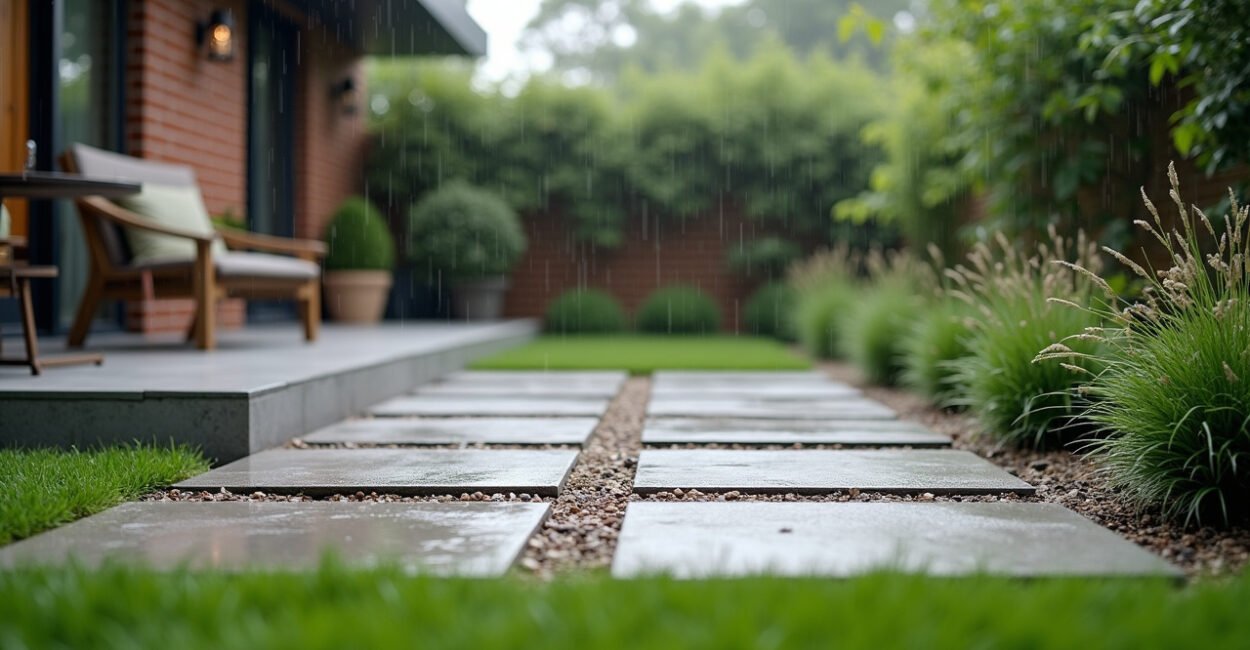
Native plant borders for narrow backyard paths can make a cramped yard feel like it finally learned how to breathe.
When the edges are handled well, a skinny walkway stops looking like a leftover strip of concrete and starts reading as a real design feature. The trick is choosing plants that stay composed, soften the hard line, and don’t swallow the path.
That balance changes everything.
Why a Narrow Path Feels Wider When the Border is Right
In landscape design, the edge is doing more work than most people think. A walkway bordered by the wrong plants looks squeezed because your eye keeps hitting clutter, height, or bulk right where it wants a clear line. With native plant borders for narrow backyard paths, the goal is not to fill space. It’s to guide it.
A neat border creates visual rhythm, and rhythm makes tight spaces feel intentional instead of accidental. That is why a path lined with low, layered natives often feels wider than one flanked by random shrubs.
Think of it like framing a photo. A strong frame does not compete with the picture; it sharpens it. The same thing happens outside. A narrow path can look elegant if the border plants stay lower, repeat in clusters, and leave a little breathing room between foliage and walking space.
That simple shift also sets up the next question: which plants actually stay tidy without looking stiff?
The Native Plant Traits That Matter More Than Flower Color
Pretty blooms are nice, but on a tight walkway they are not the first thing to judge. For native plant borders for narrow backyard paths, shape beats showiness. You want plants with predictable spread, controlled height, and a habit that does not flop into the path after rain.
In practice, the best border plants usually share a few traits:
- Low mature height so they do not block movement or sightlines.
- Clumping form instead of aggressive spreading.
- Seasonal structure that still looks good after peak bloom.
- Local adaptation so they handle your climate with less fuss.
Native plants earn their place because they often need less pampering once established, and that matters when a path border has to stay clean, not wild. The National Wildlife Federation’s native plant guidance is a good reminder that native species are more than a trend; they’re a practical match for local conditions.
And here’s the catch: native does not automatically mean neat. Some natives spread fast, lean hard, or get taller than the label suggests in rich soil. That’s why selection matters more than the word “native” alone.


Native Plant Borders for Narrow Backyard Paths That Stay Composed
This is where the idea gets real. The best native plant borders for narrow backyard paths use plants that behave like good guests: they look alive, they add texture, and they do not take over the room.
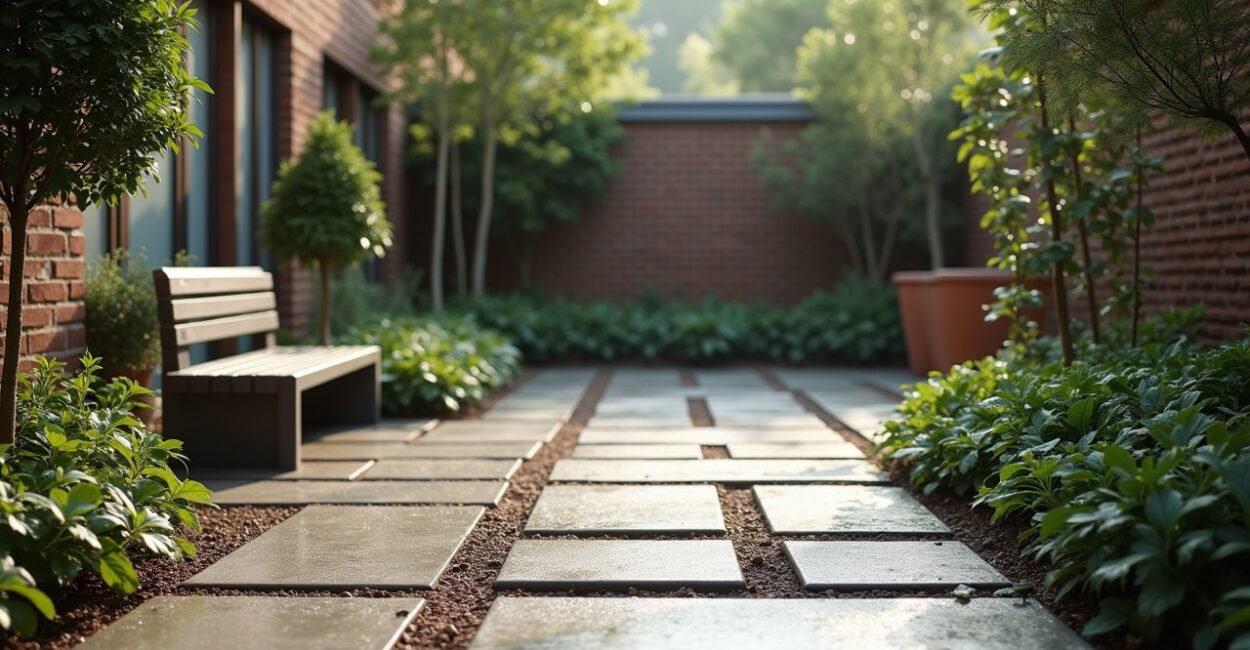
Try thinking in layers, not walls. A low edging plant at the front, a slightly taller repeated accent behind it, and then open space again before the next feature. That spacing helps the walkway feel longer and cleaner.
Good candidates often include:
- Low ornamental native grasses with fine texture
- Compact flowering perennials that rebloom without sprawling
- Small groundcovers that knit the edge without tumbling into the path
- Short ferns or sedges in shadier spots
If you want a visual shortcut, imagine this comparison: a path lined with one overgrown shrub on each side feels like a tunnel; a path edged with repeating low natives feels like a corridor with depth. Same width. Totally different experience.
That is the whole game: stop building walls, start drawing lines.
How to Keep the Border Neat Without Making It Lifeless
People often think “neat” means “boring.” It doesn’t. It means the border has a clear job. Native plant borders for narrow backyard paths work best when the plants are allowed to look natural, but within a framework.
One helpful rule is to repeat the same plant in small groups instead of scattering ten different species in one short run. Repetition calms the eye. It also makes a narrow space feel more expensive, which is a funny thing for a garden to do, but it works.
Here’s the part most homeowners miss: the border should be trimmed by shape, not by panic. You are not trying to keep every stem identical. You are preventing the plants from eating the path.
In a tight backyard, discipline is what makes native planting look luxurious.
That idea shows up in real gardens all the time. I’ve seen paths transformed by one simple move: swapping a mixed, shaggy edge for a repeated native clump every few feet. The path suddenly looked twice as long. Nothing about the walkway changed except the border. And that is why the next section matters: layout choices can make or break the illusion.
The Layout Moves That Make a Tight Yard Feel Open
When space is scarce, every inch needs to earn its keep. Native plant borders for narrow backyard paths should never run in an unbroken, heavy band all the way down the sides. That creates a visual squeeze. Instead, break the line on purpose.
Use gentle curves if the path allows it. Even a slight bend makes the eye slow down and read the space as larger. Keep taller plants farther back, and let the front edge stay low enough that the path remains visible from a standing position.
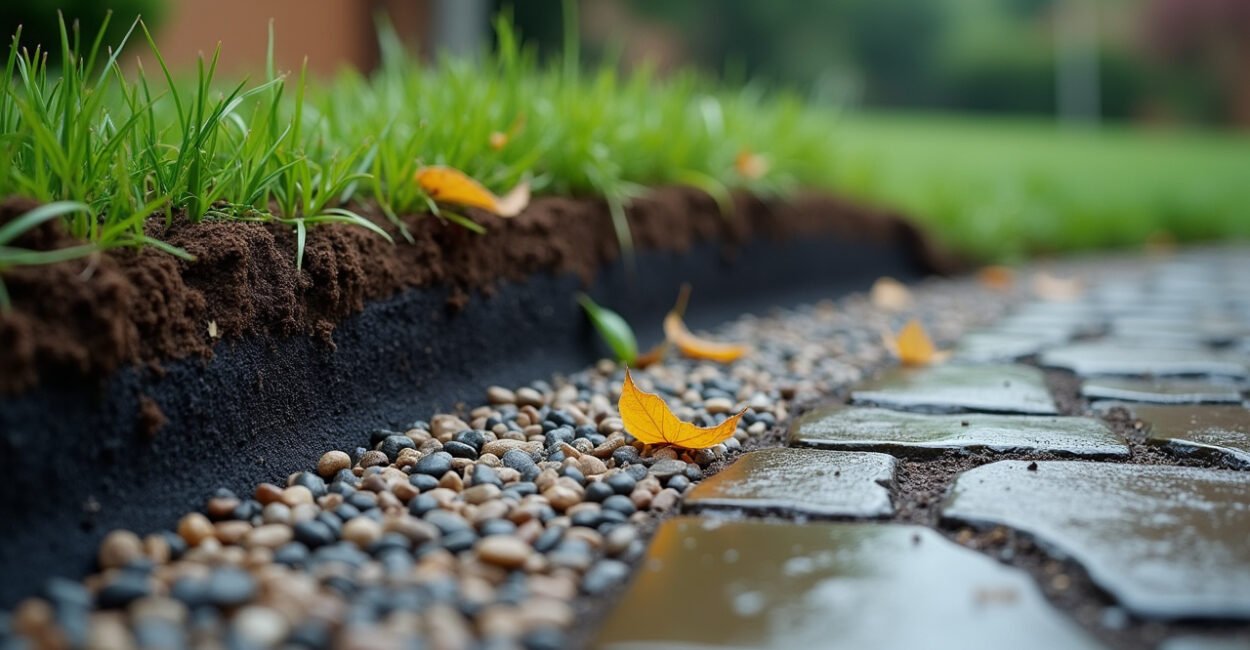
One of the most effective tricks is the “negative space pause”: a short section of gravel, mulch, or open soil between plant groupings. It sounds counterintuitive, but those pauses give the border room to breathe.
| Design Move | What It Does | Best Use |
|---|---|---|
| Repeating plant groups | Creates rhythm | Long straight paths |
| Low front edge | Keeps the walkway visible | Very narrow corridors |
| Small spacing gaps | Reduces visual crowding | Yards that already feel dense |
That same principle is backed by broader habitat and garden planning guidance from the USDA Forest Service native gardening resources, which emphasize matching plant choice to site conditions instead of forcing a one-size-fits-all layout.
What to Avoid If You Don’t Want the Path to Feel Smaller
This is where most good intentions go sideways. Native plant borders for narrow backyard paths can fail when the border gets too dense, too tall, or too varied. The yard does not need more “interest” if that interest blocks the line of movement.
- Overly aggressive spreaders that creep into the walking zone.
- Plants with heavy flop after rain or in rich soil.
- Too many species packed into a short border.
- Bright, competing textures that make the edge feel busy.
- Ignoring mature size and judging only by the nursery pot.
There’s a quiet mistake people make all the time: they choose plants that look great in a container, then assume the border will stay that size forever. It won’t. A plant that seems polite in spring can turn territorial by midsummer.
That’s why native plant borders for narrow backyard paths need a little restraint from the start. The best-looking edges are usually the ones with a few fewer plants than you think you need.
Small space gardening punishes enthusiasm faster than it rewards it.
A Simple Planting Formula That Works in Real Backyards
If you want a practical way to start, use this formula: one low anchor, one repeated mid-layer, and one seasonal accent, then stop. That’s enough for native plant borders for narrow backyard paths in most yards.
Here’s a clean approach:
- Front edge: low groundcover or sedge
- Middle band: compact native perennial in repeating clumps
- Accent points: occasional flowering stems or grasses for height variation
This keeps the border readable without looking clipped into submission. It also makes maintenance easier because you know exactly which plant is allowed to stretch, and which one must stay low.
There’s a second benefit people notice later: fewer visual interruptions mean the path feels longer and the yard feels deeper. That effect is small on paper, but huge when you are standing there with a hose in one hand and a pruning shear in the other.
And when you see it working, the whole yard starts to behave differently.
The Small-Space Payoff You Feel the First Time You Walk It
Native plant borders for narrow backyard paths do more than decorate the edge. They change how you move through the yard. The path stops feeling like a leftover strip and starts feeling like a destination.
That shift is subtle, which is why it surprises people. The garden does not need a bigger footprint to feel better. It needs a clearer frame. Once the border plants stay neat, soften the hard edge, and leave the walkway visually open, the whole layout relaxes.
And that is the part worth remembering: the right border does not just surround the path — it changes how large the path feels.
When the edge is calm, the yard looks calmer. When the edge is open, the yard feels open. Simple. Not easy, but simple.
FAQ
What Are the Best Native Plants for a Narrow Path Border?
The best choices are low, clumping natives that hold their shape through the season. Think small grasses, compact perennials, and restrained groundcovers rather than anything that sprawls hard or flops after rain. The right plant depends on your light, soil, and region, so native plant borders for narrow backyard paths should always start with site conditions first. A plant that behaves beautifully in shade may be a mess in full sun, and vice versa.
How Far Should Plants Be from the Edge of the Walkway?
A safe starting point is to leave enough room so foliage never touches walking feet when the plants mature, not just when they are young. For many narrow paths, that means planning a buffer and resisting the urge to fill every inch. Native plant borders for narrow backyard paths look better when the edge stays readable. If a plant needs frequent pushing back, it probably belongs farther from the path.
Can Native Plants Make a Small Backyard Look Bigger?
Yes, if you use them with restraint. Repetition, low front edges, and small gaps between planting groups can stretch the visual line and make the yard feel deeper. The trick is to avoid a thick, continuous wall of foliage. Native plant borders for narrow backyard paths work best when they frame the space instead of crowding it. That framing effect is what creates the illusion of width.
Do Native Borders Need a Lot of Maintenance?
Usually less than a non-native border, but not zero. You still need to check spread, trim back leaners, and keep aggressive plants from creeping into the path. The good news is that native plant borders for narrow backyard paths often become easier over time once they are established and matched to the site. The first season asks for attention; later seasons usually ask for only light correction.
What is the Biggest Mistake People Make with Path Borders?
The biggest mistake is treating the border like a planting bed instead of a design line. That leads to too many plants, too much height, and a walkway that feels pinched. For native plant borders for narrow backyard paths, the border should guide the eye first and hold plants second. If the edge feels busy from a distance, it is probably too crowded even if each plant looks fine on its own.