Skip to content
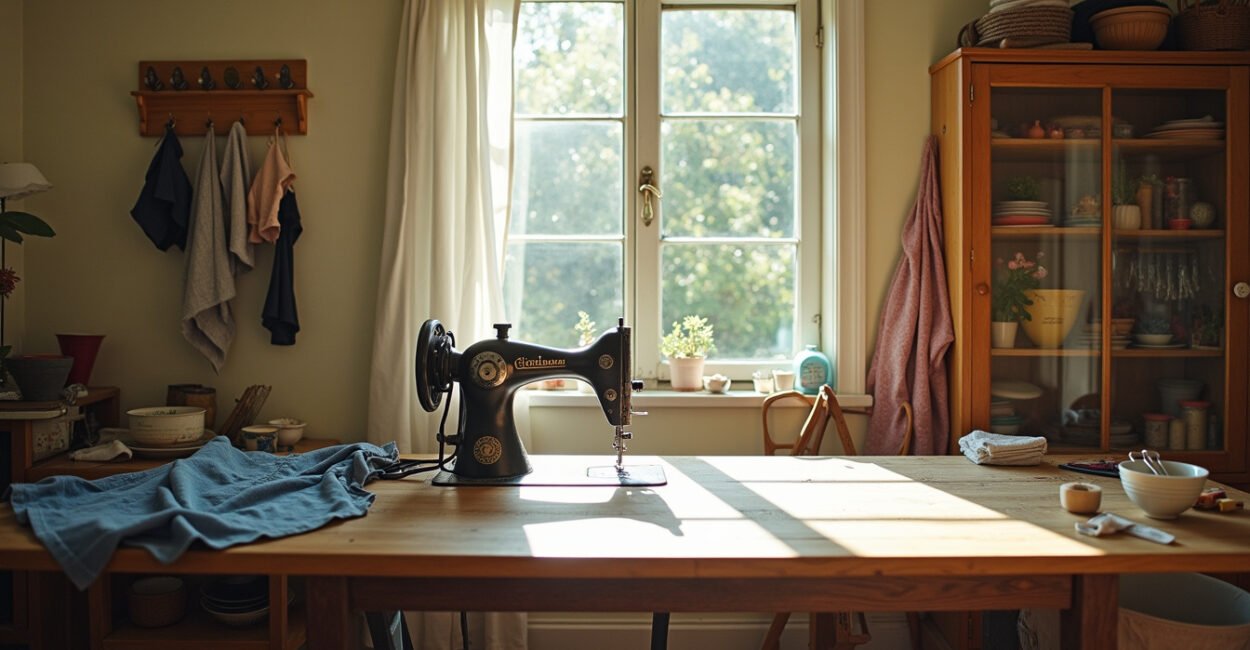
These repurposed fabric projects for eco-friendly living are useful because they solve a quiet problem: the fabric you already own is often better than what you’d buy new.
Most people picture “upcycling” as a cute craft. In practice, the best projects are the ones that get used every week, wash well, and don’t fall apart after a month. That’s where repurposed fabric projects for eco-friendly living get interesting: the right material, the right stitch, and the right job can turn old textiles into things that actually last.
Here’s the real trick: choose projects that match the fabric’s strength. A worn cotton shirt can become cleaning cloths or reusable produce bags. A denim leg can become a sturdy tool pouch. A faded tablecloth can become pantry liners. The winners are practical first, pretty second.
1. The Projects That Pull Their Weight Every Week
If you want repurposed fabric projects for eco-friendly living that stick, start with items you’ll touch constantly. That usually means storage, cleaning, kitchen, and travel pieces. They don’t need perfect seams. They need durability and a clear job.
- Reusable cleaning rags: Best from old cotton tees, flannel pajamas, or thin towels.
- Produce bags: Lightweight curtains, mesh inserts, or tightly woven cotton work well.
- Lunch wraps: Cotton tablecloth scraps or sturdy napkins hold up nicely.
- Cable ties and organizers: Denim strips or canvas edges resist wear.
The advantage is simple: these projects replace something you’d otherwise keep buying. And unlike decorative crafts, they earn their place fast. If a project can survive the laundry basket, the kitchen sink, or the bottom of a tote bag, it has a future.
2. Fabric Choice Matters More Than Talent
People often focus on the idea and ignore the textile. That’s backwards. For repurposed fabric projects for eco-friendly living, the material decides whether the item becomes useful or annoying.
| Fabric | Best use | What lasts |
|---|---|---|
| Cotton T-shirts | Rags, soft wraps, light bags | Good for repeated washing, but stretches |
| Denim | Pouches, aprons, baskets, coasters | Excellent abrasion resistance |
| Linen | Napkins, bread bags, drawer liners | Strong and breathable |
| Cotton canvas | Tote bags, storage bins | Very durable for daily use |
My rule: if the fabric frays by just looking at it, keep the project small. Thin fabric can still be valuable, but only in low-stress roles. That’s the difference between a smart repurpose and a drawer full of abandoned half-finished ideas.

3. A Small Stitch Can Double the Lifespan
Here’s the comparison that surprises most people: a neat edge often matters more than a fancy design. A simple hem, folded seam, or bias binding can outlast a prettier but raw-edged project by months.
In repurposed fabric projects for eco-friendly living, the finishing method should match the job. If the item will be washed often, use double stitching. If it will carry weight, reinforce corners. If it will touch food, avoid loose threads and delicate trims. Who works with textiles knows this: failure usually starts at the edges.
One mini-story makes the point. A friend made produce bags from an old blouse and skipped the hems to “save time.” They frayed in two washes. The second version took twenty extra minutes, got reinforced seams, and is still in use a year later. Same idea. Very different result.
4. 12 Smart Ideas, Ranked by Real-life Usefulness
Not every repurpose is equally worth your time. These are the projects that most often deliver in daily life, from easiest to most durable.
- Cleaning cloths from T-shirts
- Reusable napkins from cotton shirts
- Produce bags from lightweight curtains
- Plant ties from soft jersey strips
- Drawer dividers from denim or canvas
- Aprons from tablecloths
- Bread bags from linen scraps
- Book sleeves from upholstery remnants
- Tool pouches from jeans legs
- Scrunchies from small jersey pieces
- Patchwork shopping totes
- Storage baskets with interfacing and lining
The fastest wins are the ones with no hardware, no zippers, and no complicated shaping. The longer you can use a repurposed item before replacing it, the more eco-friendly it actually is.
5. The Mistakes That Make Good Fabric Projects Fail
Most failed repurposing projects don’t fail because the idea was bad. They fail because the fabric and the use case didn’t match. That’s the part people skip when they get excited.
- Using flimsy fabric for heavy loads: A tote made from worn jersey will sag fast.
- Ignoring stretch: Knit fabrics behave very differently from woven ones.
- Skipping reinforcement: Handles and corners need extra attention.
- Overdecorating: Trims and glue can reduce washability.
This is where repurposed fabric projects for eco-friendly living become practical instead of performative. If you want something to last, design for friction, moisture, and repeated handling. That’s the test that matters. Not the first photo.
6. What Actually Lasts After the Novelty Wears Off
The longest-lasting projects are boring in the best way. They are the ones with a job, a wash routine, and no fragile parts. Strong stitching, simple shapes, and washable fabric beat cleverness almost every time.
According to the U.S. EPA’s textiles guidance, textile waste is a real part of the broader waste stream, which is why reuse matters before recycling. For fabric projects that need extra structure, a little interfacing helps, but don’t overuse it. Too much stiffening can make a project less washable and less comfortable.
The best repurposed item is the one you forget is repurposed.
That’s not a design flaw. That’s success. If it works every day, nobody cares where it came from.
7. A Simple Way to Pick Your Next Project
Before you cut anything, ask three questions: Is the fabric strong enough? Will I use it at least once a week? Can I wash or clean it easily? If the answer is yes to all three, you probably have a keeper.
For broader context on waste reduction and reuse, the NRDC’s textile waste overview is a useful starting point. And if you want repurposed fabric projects for eco-friendly living to feel less like clutter and more like a habit, start with one category only: kitchen, storage, or cleaning. Small systems stick. Random crafts do not.
Choose usefulness first, and the sustainability part gets easier without trying so hard.
FAQ
What Fabrics Are Best for Repurposed Home Projects?
Cotton, linen, denim, and canvas are the most reliable choices because they cut cleanly, hold stitches well, and tend to survive regular use. Knit fabrics can work too, but they stretch and curl, so they are better for soft items like cloths or ties than for structured bags. For repurposed fabric projects for eco-friendly living, durability matters more than novelty, especially if the item will be washed often or carry weight.
Are Repurposed Fabric Projects Really Better Than Buying New?
Often, yes—if the project replaces something you would have purchased and it lasts long enough to justify the effort. A reusable napkin or cleaning cloth can save money and reduce waste almost immediately. But if a project is fragile, decorative, or never used, it does very little. The point is not making more things. It’s making fewer, better things from what already exists.
How Do I Keep Repurposed Fabric Projects from Fraying?
Finish the edges. A folded hem, zigzag stitch, pinking shears, or binding tape can make a huge difference, especially with woven cotton and linen. For denim or canvas, double stitching high-stress areas like handles and corners. If the fabric is very loose or worn thin, keep the design small and avoid load-bearing uses. That usually saves the project from failing early.
Can I Mix Different Fabrics in One Project?
You can, but only when the materials behave similarly. A sturdy canvas body with denim reinforcements can work well. A stretchy jersey panel sewn into a structured tote usually creates problems. Mixed fabrics are safest when the stronger fabric carries the weight and the softer one plays a secondary role. In repurposed fabric projects for eco-friendly living, matching fabric behavior matters more than matching color.
What is the Easiest Project to Start With?
Cleaning cloths are the easiest by far. Cut old T-shirts, shirts, or thin towels into usable squares, and hem them if you want longer life. They require almost no tools, no sizing, and very little precision. That makes them a good first step before moving on to bags, organizers, or kitchen items. Simple projects also teach you how different fabrics behave once cut and washed.