Skip to content

Stale air does not always call for a pricey purifier. A well-placed row of budget planters can improve a room’s feel, add visible greenery, and help support a cleaner indoor environment for far less money than most people expect.
In practical terms, a budget planter is any low-cost container-and-plant setup designed to do more than decorate: it should suit the plant, fit the room, and work within a realistic price cap. The smart version is not “cheap looking”; it is chosen carefully, planted correctly, and placed where it can actually thrive. This article breaks down how to pick the right containers, which houseplants make sense, where the real costs hide, and how to build a setup that looks good without blowing the budget.
Key Takeaways
- Budget planters work best when the container, drainage, and light conditions are matched to the plant instead of chosen for looks alone.
- Repurposed containers can cut startup costs sharply, but only if you add drainage, use the right potting mix, and avoid oversized pots.
- Houseplants do not replace ventilation, but they can support a healthier-feeling room when paired with fresh air and lower dust.
- The biggest savings usually come from buying common plants locally and reusing planters you already own.
- A polished result is more about proportion, grouping, and consistency than about spending more per pot.
How Budget Planters Support Cleaner Air on a Tight Budget
Indoor plants are not magic air filters, and that matters. The most credible research says plants may contribute to indoor environmental quality in limited ways, but they do not replace ventilation or source control. The U.S. Environmental Protection Agency is clear that improving indoor air starts with airflow, reducing pollutant sources, and keeping humidity in a healthy range. See EPA indoor air quality guidance for the baseline standard.
What plants can do, realistically
In a lived-in room, plants help in three practical ways: they soften the look of a space, they make low-light corners feel intentional, and they can contribute a small amount of humidity through transpiration. That last part is limited, but in a dry room it can make the space feel less harsh. The idea is not to treat a pothos like an air-cleaning machine. The idea is to stack small benefits in a low-cost way.
Budget planters work best as a support strategy, not a substitute for ventilation, filtration, or cleaning.
Why the container matters as much as the plant
A healthy houseplant depends on drainage, root space, and a potting mix that drains faster than garden soil. If you use a decorative container with no drainage hole, the plant can survive only if you manage water very carefully. That is why cheap planters fail more often than they should: people buy the container first, then try to force the plant into it. In practice, the container should serve the root system, not the other way around.
Common indoor choices such as snake plant, spider plant, pothos, ZZ plant, peace lily, and philodendron are forgiving because they tolerate normal home conditions better than fussy species. University extension resources, including University of Minnesota Extension’s houseplant guidance, consistently point to light and watering discipline as the two biggest success factors.
Choosing Inexpensive Containers That Still Look Intentional
Cheap does not have to look temporary. The easiest way to make budget planters feel designed is to use repeatable shapes, a narrow color palette, and containers that match the scale of the plant. A group of mixed odds-and-ends usually reads as clutter. Three to five planters with one visual theme reads as curated.
Best low-cost container types
- Plastic nursery pots hidden inside decorative cachepots.
- Ceramic thrift-store finds with intact glazing and no cracks.
- Metal tins or buckets lined properly and drilled for drainage if needed.
- Glass jars for cuttings, propagation, or humidity-loving roots with careful watering.
- Food-safe containers repurposed into planter covers for short-term display.
Thrift stores, garden center clearance racks, and big-box seasonal markdowns are usually the best sources. Online marketplaces can work too, but shipping often wipes out the savings on bulky pots. If you are repurposing a container, check the inside for rust, old residue, or peeling coatings. Those problems are cosmetic at best and toxic at worst.
The hidden cost people forget
The planter is rarely the full expense. Potting mix, saucers, pebbles, perlite, and a drainage tray can add more than expected. If you want the final setup to stay under budget, buy the plant and container with the same level of scrutiny you would use for a small appliance. A $6 pot is not cheap if it also needs a $12 liner, a $10 bag of soil, and another trip to the store.
The cheapest planter is the one you can water safely without creating root rot or staining the floor.
The Plant-and-Pot Pairings That Give the Best Value
Not every houseplant gives you the same return for the money. Some plants are cheap upfront but demand frequent attention. Others cost a little more and then stay manageable for months. If the goal is a budget-friendly setup that looks good fast, choose plants known for durability in ordinary homes.
Reliable combinations by room condition
| Room condition | Good plant choice | Why it works | Typical cost range |
|---|---|---|---|
| Low light | Snake plant or ZZ plant | Tolerates dim corners and infrequent watering | $10–$25 |
| Bright indirect light | Pothos or philodendron | Grows quickly and fills a pot fast | $6–$20 |
| Bright window | Spider plant or peace lily | Performs well with more consistent light | $8–$22 |
| Humid bathroom | Fern or small calathea | Likes moisture, but needs steadier care | $12–$30 |
There is one catch: a cheaper plant is not always the better deal if it struggles in your home. For example, a fern can look gorgeous in a steamy bathroom and look miserable on a dry bookshelf. That is why plant choice should follow light, humidity, and watering habits first. Style comes after survival.
A small real-world example
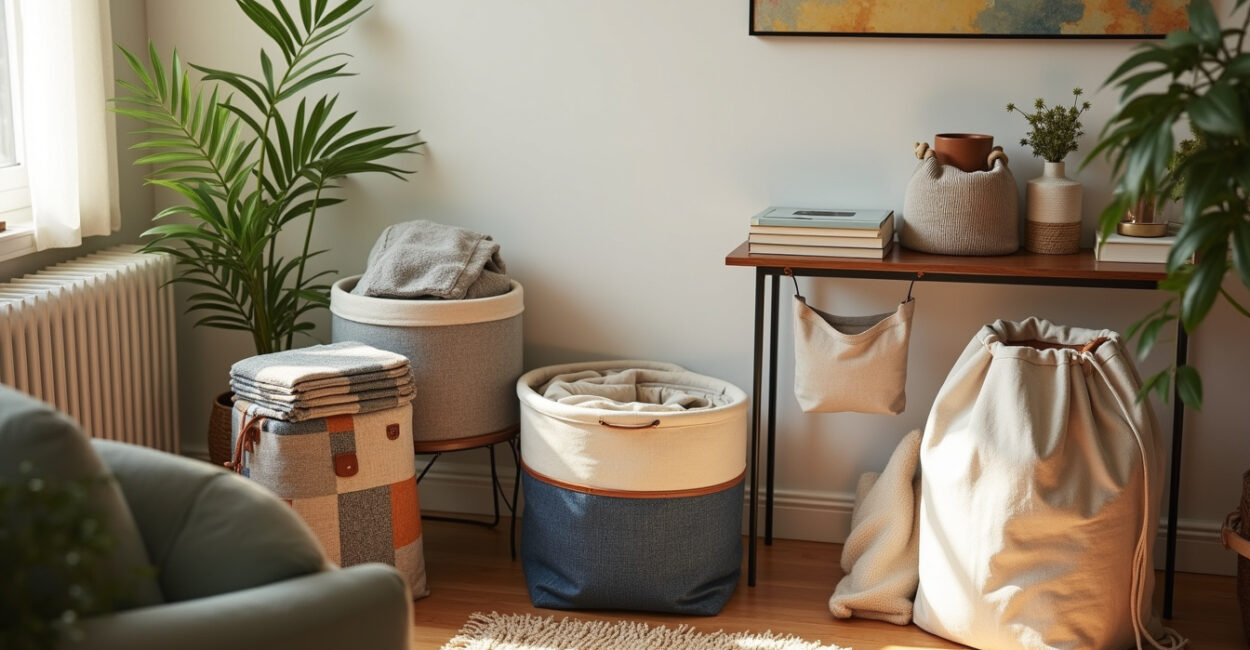
A renter in a studio apartment wants greenery near a work desk and in a darker hallway. Instead of buying two large decorative pots, they use a $4 thrifted ceramic bowl as a cachepot for a pothos and a $7 plastic pot inside a woven basket for a snake plant. Both fit the budget, both suit the light, and both look deliberate because the materials repeat.
How to Build a Low-Cost Planter Setup That Actually Lasts
The best budget setups are built in layers. First comes function: drainage, soil, and plant health. Then comes the visual finish: saucers, risers, baskets, and consistent pot height. If you skip the first layer, the planter will fail quietly and then suddenly. If you skip the second layer, the room will still feel unfinished even if the plant is healthy.
A practical build order
- Pick the light level where the planter will live.
- Choose a plant that fits that light and your watering routine.
- Use a container with drainage or add a liner.
- Buy potting mix suited to indoor plants, not outdoor garden soil.
- Add a saucer or protective tray before watering indoors.
- Group planters in odd numbers for a cleaner visual effect.
One thing experienced plant owners learn the hard way: oversized pots are a trap. A pot that is too large holds excess moisture, which slows root growth and raises the risk of rot. A modest pot that fits the root ball is usually the safer, cheaper, and better-looking choice.
What to spend, realistically
For a single setup, the range below is common:
- Container: $0–$12 if reused, $10–$25 if bought new.
- Plant: $6–$30 depending on size and species.
- Soil and drainage materials: $5–$12.
- Extras like basket covers or saucers: $0–$10.
That puts many attractive setups in the $15–$40 range, with some landing under $30 if you reuse what you already have. The lower end is easiest when you shop locally and keep the design simple.
For people who want a deeper look at indoor air basics, the NIH-hosted review on indoor air quality and plants is useful because it separates common claims from evidence. It also shows why plant-based solutions should be treated as part of a broader indoor air strategy, not the whole strategy.
Where Budget Planters Work Best in the Home
Placement changes everything. A plant in the wrong spot becomes a maintenance chore; the same plant in the right spot becomes almost effortless. In my experience, the easiest wins are entry tables, bathroom shelves with real light, kitchen windowsills, and side tables near bright but indirect sun. Those are the places where small planters make the room feel finished without getting in the way.
Rooms that benefit most
- Living rooms: a pair of matching planters can break up hard edges and soften TV-heavy spaces.
- Bedrooms: one or two easy-care plants keep the look calm and uncluttered.
- Home offices: a desk plant and a floor planter can make a workspace feel less sterile.
- Bathrooms: only if there is enough natural light or strong indirect light.
Humidity, traffic, and pets matter too. A plan that works in a quiet apartment may fail in a home with curious cats or a toddler who grabs everything. If you have pets, check whether the plant is toxic before you buy it. The ASPCA plant database is a reliable place to confirm that detail: ASPCA toxic and non-toxic plants.
There is also a design rule that rarely gets stated plainly: one large planter often looks more expensive than three tiny ones, even when the total cost is the same. Scale creates presence. If your room is small, use fewer containers with stronger proportions instead of scattering little pots everywhere.
Practical Buying Rules That Prevent Waste
Buying cheap only helps if you avoid the usual mistakes. Many first-time shoppers grab the prettiest pot, then discover it has no drainage, the plant is root-bound, or the size is all wrong. That is not a bargain. That is deferred spending.
The rules I would actually follow
- Choose plant health over decorative packaging.
- Buy nursery pots when you want flexibility, then hide them in better-looking covers.
- Avoid very deep pots for small root systems.
- Do not buy a plant that needs more humidity than your home can give.
- Match colors and textures across the room for a cleaner result.
Limit to keep in mind: budget planters can improve the feel of a room and support plant-based indoor freshness, but they will not remove a serious mold problem, fix poor ventilation, or neutralize strong chemical emissions. If the room has chronic odor, visible condensation, or suspected VOC sources, the fix starts with the building, not the planter.
Próximos passos
The smartest next move is not to buy more plants. It is to choose one room, measure the light, and build one low-cost planter setup that fits the space. Once that works, repeat the same formula with a second plant and a second container. Consistency beats impulse every time.
If you are trying to keep costs down, shop your home first, then thrift stores, then clearance racks, and only then buy new. That order alone prevents most overspending. Pick one plant that suits your light, one container that drains safely, and one visual style you can repeat. That is how budget planters stop looking improvised and start looking intentional.
Frequently Asked Questions
Do budget planters really help with indoor air quality?
They can contribute a little, but they are not a replacement for ventilation, filtration, or cleaning. Their bigger value is that they support a healthier-feeling space while adding low-cost visual improvement. If air quality is the main concern, start with airflow and pollutant sources first.
What is the cheapest way to make a planter look good?
Use a plain nursery pot inside a thrifted or reused decorative container. That gives you drainage and flexibility without paying for a premium outer pot. Keeping the color palette simple also makes the setup look more expensive than it is.
Which plants are best for beginners on a budget?
Pothos, snake plant, spider plant, ZZ plant, and philodendron are all solid starting points. They are forgiving, widely available, and usually priced reasonably. The best choice is the one that matches your light conditions.
Can I use any container as a planter?
Not safely. The container needs drainage or a reliable inner pot system, especially for plants that dislike wet roots. Metal tins, baskets, and glass can work if you handle moisture carefully and protect the surface underneath.
How much should one budget planter setup cost?
Many solid setups fall between $15 and $40, depending on whether you reuse a container and how large the plant is. If you already have a pot and choose a common plant, it can come in under $30. The plant’s long-term health matters more than shaving off a few extra dollars.