Skip to content
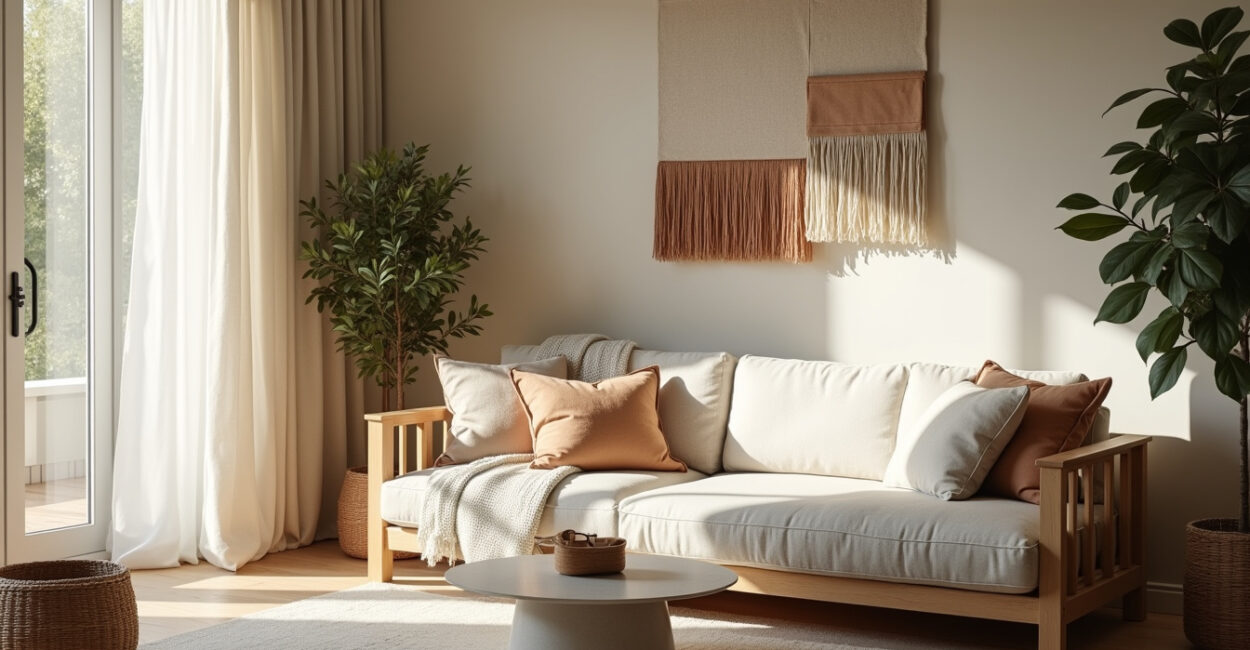
Reclaimed textiles are moving from “craft project” territory into the rooms people post, save, and copy.
That shift is showing up fast in eco friendly fabric decor trends for homes, and it’s not just about being sustainable. The new look is sharper, quieter, and more intentional than the patchwork-heavy aesthetic most people picture. In other words: the fabric is recycled, but the styling feels current.
The reason is simple. Homeowners want warmth without waste, and designers have figured out how to make repurposed cloth look edited instead of homemade.
Why Reclaimed Textiles Suddenly Feel Modern Again
The technical term here is repurposed textile decor: fabric that was previously used in another form, then cleaned, repaired, and turned into pillows, curtains, upholstery, wall hangings, or table layers. In plain English, it’s old fabric getting a better second life.
What changed is the styling language around it. A few years ago, reclaimed fabric decor often leaned rustic, busy, or obviously handmade. Today, eco friendly fabric decor trends for homes are using stronger structure, calmer palettes, and fewer competing prints. That makes the material feel thoughtful instead of thrift-store random.
And there’s another reason it’s showing up now: people are tired of rooms that look identical. Reclaimed textiles bring texture, history, and a little friction. They make a space feel like someone actually lived there.
The Design Details That Make Repurposed Fabric Look Expensive
Here’s the part most people miss: the fabric itself matters less than the finish. A recycled textile can look high-end if the edges are crisp, the proportions are balanced, and the color story is controlled.
- Neutral foundations let one salvaged textile become the focal point.
- Repeated tones across pillows, throws, and upholstery make mixed materials feel intentional.
- Clean tailoring beats busy trims every time.
- Natural fibers like cotton, linen, wool, and hemp age more gracefully than shiny synthetics.
That’s why eco friendly fabric decor trends for homes are leaning toward restraint. One vintage block-printed cushion on a plain sofa says more than six mixed scraps fighting for attention.

What Homeowners Are Choosing Instead of Fast Décor
Fast décor usually promises instant style and delivers short-lived novelty. Repurposed fabric decor does the opposite: it gains character over time. That’s part of why it’s catching on in eco friendly fabric decor trends for homes right now.
Instead of buying matching sets, people are pairing a few stronger pieces with older fabrics that have visible weave, fading, or irregular dye. That contrast is the point. Fresh furniture plus aged textile creates depth in a way brand-new everything rarely does.
Perfectly matching rooms can look finished. Rooms with recovered textiles can look alive.
The Simple Rule That Keeps the Trend from Looking Messy
If you’re using reclaimed cloth, the fastest way to ruin the effect is to treat every piece like a statement. Don’t. The best eco friendly fabric decor trends for homes use one “speaker” and several “listeners.”
Here’s the rule: choose one dominant texture, one supporting pattern, and one quiet backdrop. That might mean a faded vintage quilt, a solid linen slipcover, and one striped cushion. It gives your eye a place to land.
Less variety, more contrast. That’s what keeps repurposed fabric from feeling cluttered.
The Mistakes That Make Reclaimed Fabric Look Dated
There’s a real difference between “sustainably styled” and “accidentally old.” Most bad results come from the same few mistakes.
- Too many eras at once — mixing boho, farmhouse, and maximalist prints without a unifying color plan.
- Ignoring scale — tiny patterns in a big room can disappear; oversized ones can overwhelm.
- Skipping repair — frayed seams can look chic; weak construction looks neglected.
- Overusing sentiment — not every heirloom needs to stay visible.
In practice, the winning approach is edit-first, sentiment-second. That’s how eco friendly fabric decor trends for homes stay stylish instead of nostalgic for nostalgia’s sake.
Why This Trend Fits the Sustainability Conversation Now
This isn’t happening in a vacuum. Consumers are paying more attention to waste, traceability, and material life cycles. The U.S. Environmental Protection Agency’s textile guidance notes how much textile waste ends up in landfills, which is one reason reuse has become such a visible design story.
On the production side, the United Nations Environment Programme has also highlighted the environmental burden of fashion and textile waste. That doesn’t mean every repurposed cushion saves the planet. It does mean the logic behind reusing fabric is hard to ignore.
There’s a limit, though. If a textile is too damaged, badly cleaned, or unsuitable for daily use, it’s not a smart home choice. Sustainability works best when durability comes first.
How to Bring the Look Home Without Overdoing It
The easiest way to use eco friendly fabric decor trends for homes is to start small and scale with confidence. You do not need a room full of vintage pieces to make the style work.
Try this order instead:
- Start with one reclaimed textile in a visible spot.
- Repeat one color from it elsewhere in the room.
- Keep the rest of the palette calm.
- Mix in one modern surface, like metal, glass, or lacquer, so the space doesn’t drift too far into antique territory.
That contrast is what makes the room feel current. The textile brings memory; the furniture brings now.
If the trend keeps moving the way it is now, the winning homes won’t be the ones with the most reclaimed fabric. They’ll be the ones where the fabric looks chosen, not rescued.
That’s the real shift. Eco style used to signal sacrifice. Now it can signal taste.
What Counts as Repurposed Fabric Decor?
Repurposed fabric decor is any home piece made from textile that had a previous use. That can include vintage blankets turned into throws, old garments remade into cushion covers, or surplus fabric cut into curtains. The key is transformation with purpose, not just reuse for its own sake. In eco friendly fabric decor trends for homes, the best pieces are practical enough to live with and styled enough to feel deliberate.
Does Reclaimed Fabric Always Look Rustic?
No, and that’s the outdated assumption holding a lot of people back. If the color palette is restrained and the tailoring is clean, reclaimed textiles can look tailored, minimalist, or even luxury-adjacent. The rustic look happens when the room leans too hard into raw edges, heavy pattern mixing, and too many handmade cues at once.
How Do I Keep the Room from Looking Mismatched?
Pick one visual thread and repeat it. That might be a single muted color, a recurring weave, or one pattern family, like stripes or florals. Then use solid surfaces around it so the fabric has room to breathe. The easiest rooms to get right are the ones that feel edited, not decorated all at once.
Which Fabrics Age Best in Home Decor?
Natural fibers usually age more gracefully than synthetic ones. Linen, cotton, wool, and hemp tend to soften in a way that adds character, while also holding shape reasonably well. That said, not every old textile is worth saving; some are too fragile for high-use areas. Use structure and purpose as your filter, not just age.
Why is This Trend Growing Now?
Because it sits at the intersection of design and values. People want homes that feel personal, but they also want fewer disposable purchases and more material honesty. Reclaimed textiles solve both problems when they’re styled well. That’s why eco friendly fabric decor trends for homes are spreading beyond niche design circles and into everyday rooms.