Skip to content

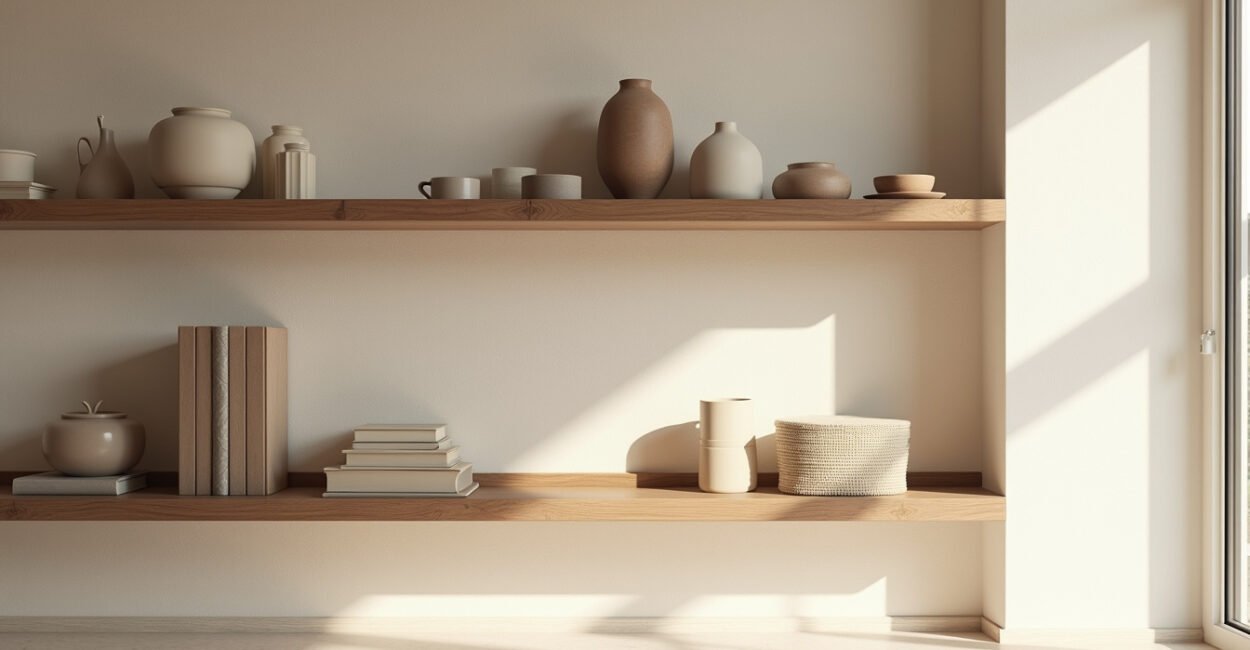
West Elm just dropped a “Styled Shelves” edit and the pictures already make you want to rearrange your living room. If you’ve ever stared at a bookshelf that looks like a dusty archive rather than a curated vignette, this collection promises to change that — fast. Here’s a quick, honest verdict on price, which pieces actually reduce clutter, and who should buy now.
Why This Drop Feels Different (and Why That Matters)
It’s not just decorative fluff. West Elm leaned on modular shapes, concealed storage, and coordinated accessories so items on display don’t scream “I don’t belong here.” The result: shelves that look put-together without requiring a pro stylist. For anyone who’s swapped knickknacks for a clean surface and then immediately missed functionality, these pieces try to bridge both worlds. Expect matte finishes, neutral tones, and a few standout statement items to anchor the eye.
Price: Realistic Investment or Style Trap?
Short answer: mid-to-upper range. Some basics like floating shelf kits and small bins land in an affordable bracket, while flagship bundles and large credenzas carry premium tags. You’re paying for design cohesion and allocated utility — not just a logo. If you’re replacing a cheap IKEA setup, the upgrade makes sense long-term; if you’re sourcing one accent shelf, the markups can sting. Consider buying key functional items first (closed boxes, media drawers) and adding decorative pieces later.

The Pieces That Actually Reduce Clutter (and the Ones That Don’t)
There are clear winners and pretty-but-pointless items. Winners include:
- Closed storage cubes that hide cables, papers, and controllers;
- Drawer modules sized for remotes and chargers;
- Magazine racks and vertical dividers that turn piles into neat stacks.
Less useful: tiny decorative boxes that can’t hold anything meaningful, and oversized sculptural objects that demand more cleaning. The rule: if it doesn’t store something useful, it’s visual noise.
The Mechanism No One Explains: How Styling Reduces Future Mess
Here’s the simple psychology: visible systems create behavior change. When chargers have a labeled drawer and remotes a dedicated slot, habits follow. West Elm’s collection uses repetition — matching baskets, repeatable heights, consistent color — so the brain quickly learns where things belong. That predictability is the real clutter killer. A tidy shelf isn’t a one-time photo op; it’s an ecosystem that nudges you to put things back where they’re meant to live.
Before and After: A Surprising Comparison
Expectation: swap a few plants and suddenly “styled.” Reality: without storage, clutter migrates to the floor or coffee table. I saw a living room transformed in 48 hours by adding two practical pieces: a single wide drawer base and three matching boxes. The room went from chaotic to calm because the homeowner finally had visible homes for habitual items. That quick contrast proves the collection’s best aim: not more decor, but better placement.
Common Mistakes People Make When Styling Shelves (and How to Avoid Them)
Don’t make these errors:
- Overloading with tiny objects — creates visual static;
- Ignoring scale — small shelves need small objects, large shelves need anchors;
- Mixing too many wood tones or metals — kills cohesion;
- Buying decorative-only pieces without storage value.
Fixes: pick one anchor piece per shelf, limit palettes, and prioritize at least one functional element per vignette. Your goal is curated calm, not a retail display.
Who Should Buy Now — And Who Should Wait
Buy now if you: want a cohesive look without hiring a stylist; need discreet storage that still looks intentional; or are replacing a mismatched setup. Wait if you: already have an effective storage system, live in a small rental where large anchored pieces won’t fit, or prefer eclectic, non-matching decor — this edit prioritizes harmony over maximalist individuality. If budget is tight, prioritize closed storage modules first; decoration can come later.
Two reputable design and research notes to consider: storage and built-in organization reduce daily decision fatigue, according to behavioral studies, and quality furniture often outlasts cheaper alternatives in lifecycle assessments. For broader context on consumer behavior and household organization, see resources like Consumer Reports and organizational behavior research at universities such as Princeton University.
Final thought: if you’re tired of styling attempts that last a weekend, West Elm’s edit leans toward lasting systems rather than ephemeral trends. It’s not cheap theater — it’s practical theater. Decide whether you want the show or the storage.
Will the Styled Shelves Edit Work in a Small Apartment?
Yes — but be selective. Choose modular pieces that scale down, like narrow vertical dividers and shallow drawers that won’t dominate a small wall. Prioritize closed storage to hide clutter and a single visual anchor to avoid a cluttered look. Avoid oversized statement units and opt for lighter finishes to keep the space feeling open. The key is measured restraint: one cohesive shelf arrangement can make a small apartment feel intentional rather than cramped.
Are the Storage Pieces Worth the Higher Price Compared to Mass-market Options?
Often they are, provided you value design cohesion and longevity. Higher-priced pieces typically use better materials, thoughtful sizing, and integrated solutions that cheaper alternatives lack — which translates to fewer replacements and less improvisation later. If your current shelves force you to stash items in random places, investing in a well-designed drawer or cabinet can save time and stress. But if your needs are basic, a well-chosen budget alternative can suffice until you’re ready to upgrade.
How Do I Mix These Shelves with Existing Furniture Without It Looking Like a Showroom?
Blend by repeating one or two elements from the new collection across the room — a color, a metal finish, or a texture — to create visual ties. Add personal items like a framed photo or a travel find to soften the curated look. Don’t aim for perfect symmetry; leave one shelf slightly informal with a stack of books or a small plant. The contrast between curated and lived-in makes a space feel authentic rather than staged.
Can These Shelves Actually Help Reduce Time Spent Tidying Each Week?
Yes — when they provide designated homes for frequently used items. Systems that make storage visible and consistent reduce “where-does-this-go” decisions, cutting tidying time significantly. If chargers, remotes, and mail have assigned spots you use daily, you’re less likely to create temporary piles. The smart investment is in pieces that address your specific daily habits, not just what looks good in a catalog photo.
What Should I Buy First from the Collection If I’m Deciding on a Single Piece?
Start with one functional anchor: a closed drawer module or a wide storage credenza. These pieces handle the bulk of visual and literal clutter — hiding cables, papers, and communal items — while also shaping the shelf’s aesthetic. Once you have that anchor, add complementary pieces like matching boxes or a slim shelf. This approach gives immediate payoff: neatness plus design direction, so subsequent purchases are smarter and more deliberate.