Skip to content

She slid open the cabinet and froze — but there was nothing to open. The kitchen had become a museum of mismatched mugs and a leaning tower of cereal boxes on open shelving. That moment is why the conversation about open shelving isn’t theoretical anymore: it’s practical, visual, and emotional. If you care about how your home looks and feels for five minutes a day, this matters.
Why Open Shelving Exploded (and Why Designers Can’t Stop Talking About It)
Open shelving went from niche studio apartments to mainstream trend because it promises freedom: easy access, visual openness, and a more “lived-in” look. Social media amplified that promise — perfectly styled photos convinced millions that shelves equal effortless cool. But the reality is subtler: open shelving is as much about lifestyle as it is about storage. For some it’s liberating; for others, it forces decisions about what to own and display. The choice reveals who you are as much as it changes how your kitchen functions.
The Practical Pros Nobody Argues With
Open shelving makes everyday life faster — plates, glasses, and spices are literally in reach. You save seconds every time you unload the dishwasher, and kitchens feel airier without upper cabinet doors. It encourages curation: you’ll likely pare down duplicates and impulse buys. For small spaces, it visually expands walls and reflects light better than a bank of closed cabinets. And when done right, it turns functional items into decor, merging utility with aesthetics in a way closed cabinetry rarely does.

The Real Cons (not the Influencer Gloss)
Open shelving exposes everything — dust, fingerprints, and lifestyle contradictions included. Maintenance rises: you’ll dust and re-style regularly, and fragile or unattractive items become constant eyesores. In busy households, it can accelerate visual chaos and make kitchens look cluttered in hours, not days. There are also practical limits: heavy cookware and sensitive items belong in closed storage. Finally, resale buyers who prefer clean lines may see open shelving as a liability, so consider long-term impacts before ripping out cabinets.
How to Avoid Visual Clutter — Six Rules That Actually Work
Minimalism here is an illusion unless you commit to constraints. Follow a few rules and you get the polished, effortless shelves in magazines without the daily mess:
- Limit each shelf to 2–3 types of objects: dishes, glassware, a plant.
- Group items by color or material to create calm and rhythm.
- Keep frequently used items at eye level and hide the rest.
- Mix open and closed storage — balance is your friend.
- Use baskets and ceramic jars to hide small, ugly items.
- Rotate seasonal pieces to prevent accumulation.
Small Changes That Give a Polished, Minimalist Display
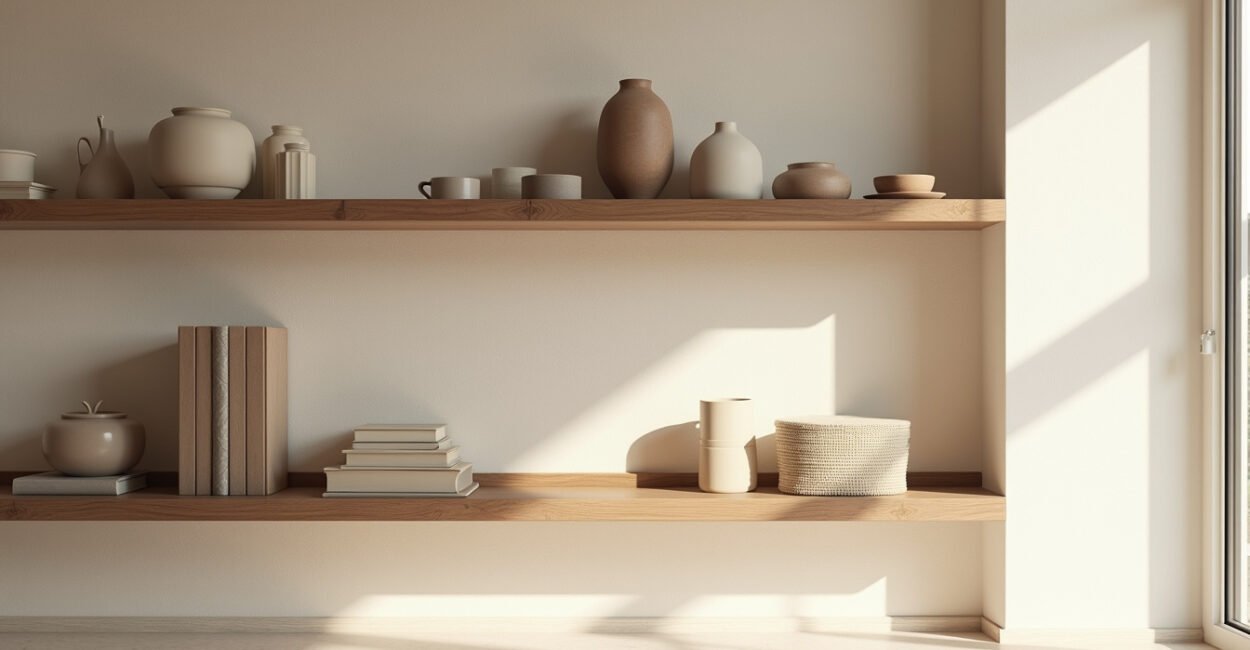
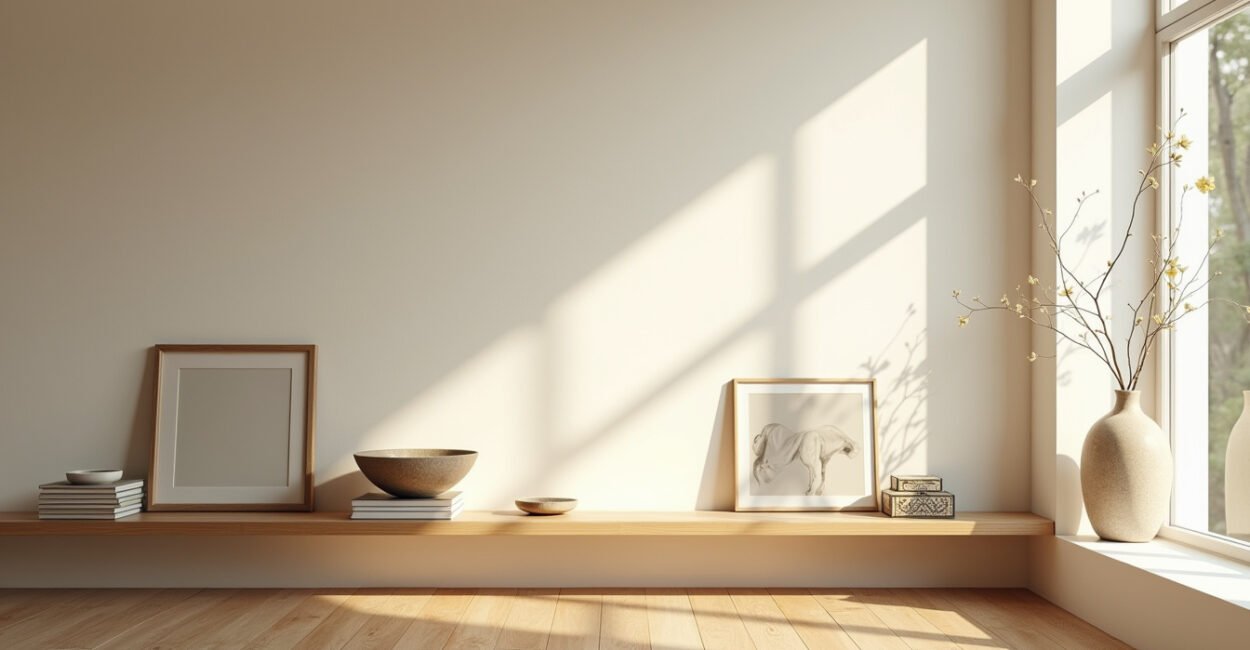
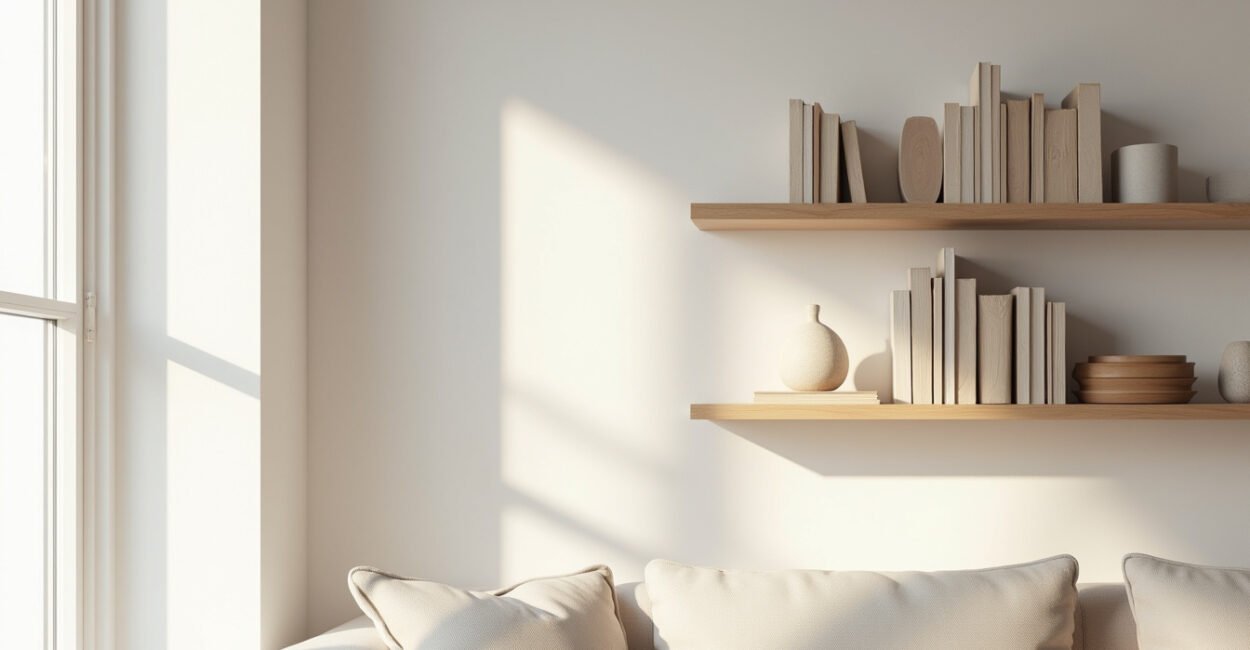
Texture and spacing are the secret handshake of a curated shelf. Replace mismatched plastic with simple ceramics, introduce one greenery element, and leave breathing room around objects. A single consistent plate or bowl stack repeated across shelves creates rhythm. Swap open hooks for a slim rail to hang cups. Finally, invest in a few matching containers for pantry staples — uniform labels or frosted jars instantly read as intentional. These tweaks are cheap, fast, and have outsized visual impact.
Common Mistakes to Avoid (what People Do Wrong First)
The most frequent error is treating open shelving like dumping ground storage. Other mistakes include overfilling shelves, mixing too many colors and styles, and putting heavy, unwieldy items up high. Avoid placing daily mess-makers (kids’ snack boxes, half-used jar piles) on display. Don’t assume every wall is a shelf wall: weigh structural limits and sightlines. And resist the Instagram trap of styling for photos — your shelves should reflect real life that functions, not just staged perfection.
The Surprising Comparison: Closed Cabinets Vs. Open Shelving in Everyday Life
Expectation: open shelving = effortless chic. Reality: open shelving = ongoing curation. Consider the “before/after” of a busy family kitchen: before, closed cabinets hid mismatched items and saved time on styling; after, open shelves made mornings faster but added 10 minutes of daily tidying. Which is better depends on your tolerance for ongoing aesthetic work. If you like quick visual wins and low maintenance, closed cabinets still win. If you want a home that tells a story through objects, open shelving rewards attention.
Design choices reveal priorities. Open shelving forces an aesthetic decision: are you choosing display or hiding? That question alone will change how you shop, store, and live.
According to the EPA, indoor air quality and dust accumulation are real concerns in how you store food and non-food items on open surfaces — choose containers and cleaning routines with that in mind. For research on the psychological effects of clutter and the benefits of pared-down spaces, the Harvard T.H. Chan School of Public Health offers useful insights on how environment influences behavior and well-being.
Closing Thought
Open shelving is worth it if you’re honest about the work it requires. It’s not just a look — it’s a lifestyle. If you want a kitchen that feels like an edited magazine every day, plan for discipline. If you prefer ease and hibernation for mess, close the doors and save yourself the elbow grease. Either way, make the choice consciously.
Is Open Shelving Suitable for Small Kitchens?
Open shelving can be a smart choice for small kitchens because it visually expands walls and reflects light, making the room feel larger. However, the trade-off is increased visibility of everything you own, which requires regular maintenance and thoughtful editing. Use shallow shelves and limit the variety of items on display to create a sense of order. Pairing one or two open shelves with closed cabinetry preserves hidden storage for bulky or unattractive items while still achieving an open, airy feel.
How Often Should I Clean and Reorganize Open Shelves?
Plan for a quick wipe-down and reorganization of frequently used open shelves at least once a week to prevent dust buildup and visual clutter. Every month, remove everything and deep-clean the surfaces, check containers for spills, and reassess what’s on display. Seasonal swaps—about four times a year—are an opportunity to rotate decorative pieces and pantry items. The cleaning cadence you choose should match your household’s activity level and tolerance for visible mess; busier homes usually need more frequent attention.
Can I Mix Open Shelving with Closed Cabinets Effectively?
Yes — mixing open shelving with closed cabinets is often the best practical compromise. Open shelves provide display and quick access, while cabinets hide bulky appliances, cleaning supplies, and overflow. Strategically place open shelves at eye level for items you use and love; reserve lower or upper closed cabinets for heavy or unattractive things. This balance keeps your kitchen functional without sacrificing the aesthetic benefits of openness. Intentionally plan sightlines so the open areas feel curated, not accidental.
What Materials Work Best for Durable Open Shelving?
Choose materials that balance strength and ease of maintenance: solid wood gives warmth but needs sealing; engineered wood is budget-friendly but less moisture-resistant; metal brackets with hardwood planks offer industrial durability. For kitchens, avoid untreated particleboard near sinks or stoves where humidity and heat can warp shelves. Floating shelves must be anchored into studs or supported with heavy-duty brackets if they’ll hold heavy dishes. Consider finishes that are wipeable and resistant to stains for long-term practicality.
How Can I Style Open Shelves Without Looking Like a Showroom?
Start by limiting each shelf to a few complementary elements: functional dishware, a single decorative object, and a plant or book for texture. Use repetition—stacks of matching plates or a row of similar jars—to create rhythm. Mix in hidden storage like baskets to conceal small items and maintain a lived-in feel. Don’t aim for perfection; leave one imperfect spot or a hint of daily use to make shelves feel authentic. The goal is curated comfort, not sterile staging.