Skip to content

📅 Updated on June 12, 2026
A small apartment can feel cramped for one simple reason: every object is competing for the same limited surface area. The fix is not “more stuff,” it is better spatial planning—choosing furniture, storage, lighting, and color in ways that make the room work harder without making it look busy. That is why smart, low-cost design changes can transform how a home functions in a single weekend.
If you live in a compact place, you do not need a renovation to get a better result. You need a few high-impact decisions: lighter visuals, hidden storage, slimmer furniture, and layout choices that protect walking space. The ideas below focus on practical upgrades for small apartments that look polished, save money, and make daily life easier.
In a Nutshell
- The best budget upgrades in compact homes are functional first: they reduce clutter, open sightlines, and make rooms easier to use.
- Vertical storage, multipurpose furniture, and better lighting usually deliver more impact than buying new decor.
- Scale matters more than style in tight rooms; one oversized piece can make the whole apartment feel smaller.
- Natural light, consistent color temperature, and visible floor area are the fastest ways to make a space feel larger.
- Small changes work best when they solve a real friction point, such as entryway clutter, lack of seating, or no bedside storage.
Budget-Friendly Interior Design Hacks for Small Apartments
Budget-friendly interior design for small apartments means using low-cost changes to improve function, flow, and visual openness without changing the structure of the home. In plain English: you arrange and furnish the space so it feels bigger, works better, and stays easier to live in every day.
The key is not decorating room by room in isolation. It is solving the bottlenecks that make compact living feel frustrating: blocked pathways, too many visual breaks, dead corners, and furniture that does one job when it could do three. The best hacks change those pressure points first.
Start with the layout, not the shopping list
Before buying anything, map the room’s traffic path. If you have to squeeze past a chair, step around a table, or sidestep storage every day, the layout is the problem, not the decor. A better plan often costs nothing and instantly creates breathing room.
What makes a small space feel larger is not square footage alone; it is how much of that square footage remains open, visible, and easy to move through.
Use one anchor piece per zone
In a studio or one-bedroom, every zone needs a clear anchor: a sofa for the living area, a rug for the seating area, or a narrow table for dining. Without anchors, the apartment feels visually scattered. With them, the room reads as intentional instead of crowded.
Choose Furniture That Earns Its Place
Furniture should solve at least two problems in a compact home. A storage ottoman, a nesting table, or a bed with drawers gives you utility without demanding more floor space. That matters more than matching a catalog aesthetic.
Go slimmer before you go smaller
Many people buy tiny furniture that still feels awkward because the proportions are wrong. A slim sofa with arms that don’t bulge into the walkway will often work better than a visibly “small” couch with a bulky frame. The goal is visual lightness, not just reduced width.
Pick pieces with legs
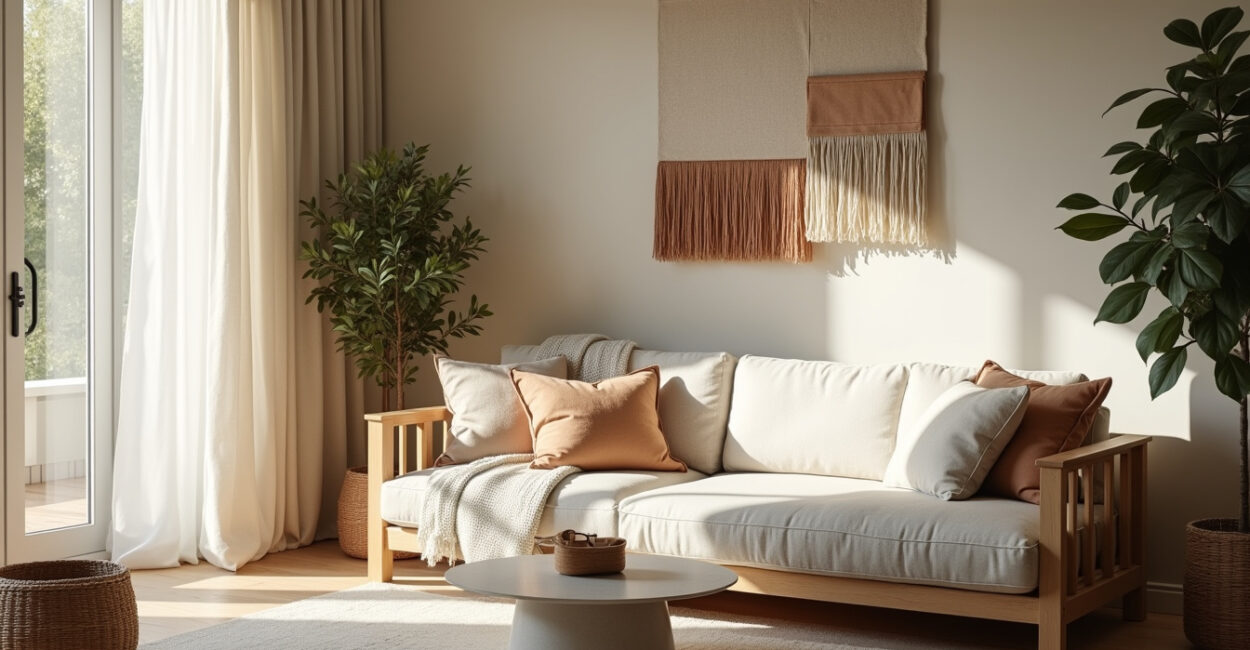
Furniture on legs shows more floor, and visible floor makes rooms feel less boxed in. This is one of the simplest rules in interior design for compact homes, and it works especially well in living rooms and bedrooms where heavy, low pieces tend to dominate.
Use nesting and folding pieces strategically
Nesting tables, folding desks, and drop-leaf dining tables are ideal when the room has to change function during the day. The catch is that these pieces only help if you actually fold or stack them after use. If they stay open all week, the benefit disappears.
Make Vertical Space Do the Heavy Lifting
Walls are the most underused asset in small apartments. Once the floor fills up, the ceiling line is the next place to reclaim storage and display space. Vertical solutions also guide the eye upward, which makes a room feel taller.
Use wall-mounted storage where it matters
Floating shelves, peg rails, and wall-mounted nightstands are useful when they replace bulky furniture, not when they add visual clutter. Install them where everyday items naturally land: near the entry, beside the bed, and above a desk.
Think in height, not width
Bookcases that go up instead of out, curtain rods mounted closer to the ceiling, and tall mirrors all stretch the room visually. That illusion is not magic; it is just the eye following a longer line.
- Mount hooks behind doors for bags, coats, and reusable totes.
- Use over-the-door organizers in closets and bathrooms.
- Store less-used items in labeled bins on high shelves.
For safety and practical storage guidance, check your local fire and building requirements before drilling into shared walls or overloading shelves. The U.S. Fire Administration and FTC consumer guidance are useful starting points when storage products or mounting hardware are involved.
Use Light and Color to Open the Room
Light changes the perception of space faster than almost any other design choice. In a compact apartment, brightening the room is less about making everything white and more about reducing visual interruptions. Consistent tones, reflective surfaces, and cleaner sightlines do the work.
Choose a restrained color palette
A limited palette keeps the eye from jumping around. That does not mean the apartment has to be sterile; it means one main neutral, one accent color, and a few repeating materials usually look calmer than six competing shades.
Use mirrors with intention
Mirrors help when they reflect daylight or an attractive focal point. They do not help much when they reflect clutter, a TV, or a blank wall. Placement matters more than size.
In a tight apartment, lighting is a space-making tool: layered light reduces shadows, and fewer shadows make rooms feel wider and less boxed in.
For a solid technical primer on daylight and indoor lighting considerations, the U.S. Department of Energy’s lighting guidance is a reliable reference. If you want a more design-oriented perspective, Architectural Digest regularly covers small-space lighting and layout ideas with real-world examples.
Build Storage Around Daily Habits
Storage works best when it follows behavior. If you need a key bowl, put one by the door. If you always drop a charger beside the bed, give that spot a small tray or wall shelf. The most effective systems are the ones you will actually use when you are tired.
Create drop zones
A drop zone is a designated landing place for everyday items like keys, mail, headphones, and sunglasses. This tiny habit change prevents visual chaos from spreading through the whole apartment.
Hide the visual noise
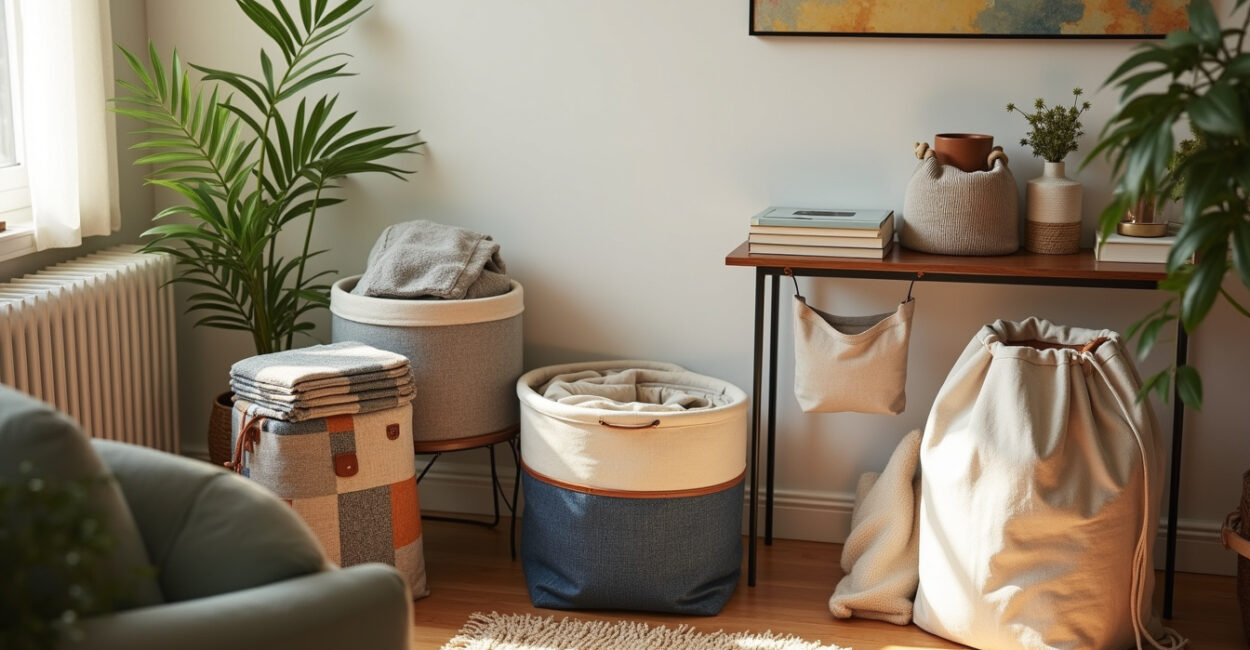
Open shelving looks great when it is curated, but it can turn messy fast. Use closed bins, baskets, and drawer inserts for the things that do not need to be seen. Keep open storage for items with clean shapes or repeated colors.
Mini example: One renter turned a cluttered entry into a functional landing area with a wall hook strip, a narrow shoe bench, and a tray for keys. The setup cost less than a single accent chair, but it fixed the daily pileup at the front door. That kind of fix is typical in small apartments: modest spending, noticeable relief.
Choose Decor That Adds Calm, Not Clutter
Decor should sharpen the room, not compete with it. In compact homes, fewer stronger pieces usually beat many small items. That includes artwork, textiles, and tabletop objects.
Use larger art instead of many tiny pieces
One medium or large framed print often looks cleaner than a crowded gallery of small frames. The same rule applies to rugs: if you can fit a slightly larger rug, the room often feels more grounded and less choppy.
Repeat materials
Repeating wood tone, metal finish, or fabric texture creates visual order. When the apartment has only a few materials, it feels more deliberate and less improvised.
| Design choice | What it fixes | Budget impact |
|---|---|---|
| Large mirror | Dark corners and visual compression | Low to medium |
| Nesting tables | No room for side tables | Medium |
| Wall hooks | Entryway clutter | Low |
| Storage ottoman | Extra seating and hidden storage | Medium |
Small Changes That Make the Biggest Difference
If you only have time or money for a few upgrades, start with the ones that affect how you move and how you see the room. In practice, that means entryway organization, better lighting, and one or two furniture swaps that reclaim walking space. These changes usually outperform decorative spending by a wide margin.
There is one limit worth acknowledging: not every trick works in every floor plan. A narrow shotgun apartment, a deep studio, and a compact one-bedroom with separate rooms each need different priorities. That is why “small-space advice” fails when it is too generic. The principle is the same, but the order of operations changes.
- If the room feels crowded, remove one oversized piece before adding decor.
- If the room feels dark, replace one lamp or bulb before repainting.
- If clutter returns every day, redesign the landing zone before reorganizing closets.
What to Buy First If Your Budget Is Tight
When money is limited, buy for impact, not for completeness. The first purchases should remove friction, then improve comfort, then improve appearance. That order keeps you from spending on items that look good online but do little in the room.
Priority order for the first five purchases
- Hooks, trays, or a small entry organizer.
- A better floor lamp or bedside lamp.
- One storage piece that also serves a second function.
- A larger rug or better window treatment if the room feels visually broken up.
- One statement decor item that gives the room focus.
That sequence works because it fixes the daily pain points first. A pretty room that still feels hard to live in is not a good design result. A room that functions well and looks calm is.
Practical Next Steps
Pick one room, identify the biggest friction point, and solve that before touching anything else. If the entry is messy, start there. If the living room feels boxed in, change the layout and one major furniture piece. If the apartment feels dim, improve lighting before buying more decor.
The smartest budget design move is to make one area feel noticeably better, then repeat the method elsewhere. For small apartments, the goal is not perfection. It is a home that feels easier to enter, easier to clean, and easier to enjoy.
FAQ
What makes a small apartment feel bigger without renovation?
Open floor area, lighter visuals, and better lighting make the biggest difference. Replacing bulky furniture, reducing clutter near entry points, and using mirrors well can change the feel of a room fast.
What furniture works best in a compact home?
Pieces that do more than one job usually perform best. Storage ottomans, nesting tables, wall-mounted nightstands, and slim-profile sofas are strong choices because they save floor space without sacrificing usefulness.
Should I use dark colors in a small apartment?
Yes, but sparingly. Dark colors can add depth and warmth when balanced with good light and lighter surrounding surfaces. Using them on every wall in a low-light room can make the space feel smaller.
What is the biggest decorating mistake in small spaces?
Buying items at the wrong scale is the most common mistake. Too many tiny pieces make the room feel busy, while one oversized piece can choke the layout. The best results usually come from a few well-proportioned items.
How do I keep a small apartment from looking cluttered?
Create a place for everyday items before clutter starts. Hooks, trays, bins, and drawer inserts reduce visible mess and make cleanup faster. Closed storage is usually more forgiving than open shelving in high-use rooms.
What should I buy first on a limited budget?
Start with the items that improve function immediately: an entry organizer, better lighting, and one storage solution that doubles as furniture. Those purchases usually have a bigger day-to-day payoff than decorative extras.