Skip to content

The living room stopped being a place to sit. It became a backdrop for photos, a mood board for followers, and the moment a brass lamp turns up on three feeds in a day, your inbox and interior store carts start to buzz. Luxury Decor isn’t just about marble and chandeliers anymore—it’s a social signal, a design language that sells aspiration. If your feed has made you rethink a sofa, this is why: shifts in taste, viral aesthetics, and a handful of high-impact pieces are rewriting what “upscale” looks like in 2025.
The Real Reason Luxury Decor Exploded on Feeds
Luxury decor went viral because it learned to photograph itself. Smartphone cameras and short-form video favor texture, depth, and one bold focal object—exactly what many high-end pieces deliver. Designers now stage rooms for motion: light catching gold leaf, velvet folding mid-zoom, terrazzo reflecting afternoon sun. That translates into shareable moments and instant desire.
Data: platforms reward time spent watching and saving. A single showstopper table or sculptural lamp can trigger discovery algorithms and drive real sales.
What Design Shifts Are Actually Happening (not the Clichés)
Minimalism lost its monopoly—now it’s maximalism with rules. Expect fewer sterile white boxes and more curated layers: rounded silhouettes, tactile fabrics, mixed metals used sparingly. The palette moved from stark monochrome to warmer neutrals with jewel accents. Architects borrow vintage lighting; fashion designers influence upholstery—cross-pollination is the rule.
- Old: All-white Scandinavian. New: warm, tactile Scandi with bronze details.
- Old: sleek chrome. New: antiqued brass and matte black coexist.

The Viral Aesthetics Driving Purchases Right Now
“Gallery living” and tactile luxury are the two aesthetics selling out. Gallery living means art-forward furniture and intentional negative space; tactile luxury is all about materials you want to touch—bouclé, silk, hand-polished stone. Together they create scroll-stopping shots and real-world comfort.
Brands like those featured in top shelter magazines now bank on limited drops and artisan stories to create urgency—this is a marketing play as much as a design trend.
High-impact Pieces Worth the Splurge (and What to Replace Instead)
Invest in one anchor piece and freelance the rest. A sculptural sofa, an oversized mirror, or a bespoke lighting fixture will change a room’s perceived value. Swap out these items instead of buying multiple mid-range pieces that compete for attention.
- Worth splurging: signature sofa, statement chandelier, handmade rug.
- Replace: matching accessory sets, cheap side tables, trend-only décor.
A Surprising Comparison: Expectation Vs. Reality in Luxury Buys
Expectation: you buy a “luxury” label and everything reads upscale. Reality: context matters. A high-end chair in a cluttered room reads expensive for the chair but not the space. Conversely, a modest vintage sofa in a thoughtfully lit, decluttered room can feel luxurious.
So the real ROI is not price tag—it’s composition, lighting, and how pieces photograph and feel together.
Common Mistakes People Make When Trying to Go Upscale
Mistakes kill the illusion faster than budget limits. The most common errors are (1) over-accessorizing with small, shiny items; (2) mismatching scales—tiny coffee tables under oversized sofas; (3) ignoring lighting layers; (4) buying for trends, not for the room’s architecture.
- What to avoid: too many competing focal points, shiny clutter, wrong rug size.
- Quick fix: choose one focal piece, adjust scale, add layered lighting.
How to Adapt Luxury Decor for a Modern Upscale Home (practical Steps)
You don’t need a mansion—start with a staged corner. Pick a single scene: an entry console, a reading nook, or a dining vignette. Apply one anchor piece, two tactile materials, and layered lighting. Edit ruthlessly—luxury reads as intentional emptiness as much as curated abundance.
Practical checklist:
- Anchor + texture + lighting
- Scale check: measure first
- One personal item to avoid museum stiffness
For buying decisions and market context, see coverage in major outlets and data from official housing reports that explain consumer shifts toward premium home goods.
Mini-story: A designer swapped a plastic lamp for a hand-blown glass pendant in a rental flat. The tenant sold two other rooms’ worth of cheap décor and reinvested—renters noticed higher sublet interest. The pendant’s photo first hit a design board, then a local boutique, then a production run. Small changes ripple when they photograph well.
Luxury Decor has evolved from conspicuous consumption to curated storytelling. That shift makes it both more accessible—because you can achieve impact with one piece—and more demanding, because authenticity now exposes surface-level attempts. If you want your home to read expensive, think like a photographer, not a shopper.
How Much Should I Realistically Spend to Get a Luxury Look?
Budgeting for luxury decor is less about a fixed dollar amount and more about allocation. Spend big on one anchor piece—sofa, lighting, or bespoke rug—then economize on secondary items. Allocate roughly 40–50% of your room budget to that anchor, 20% to lighting, and the rest to textiles and accessories. This approach creates perceived value without breaking the bank. Think in layers: an expensive sofa paired with thoughtfully chosen, affordable accents will often read more luxurious than several mid-priced items without cohesion.
Can Small Apartments Pull Off Luxury Decor Without Feeling Cramped?
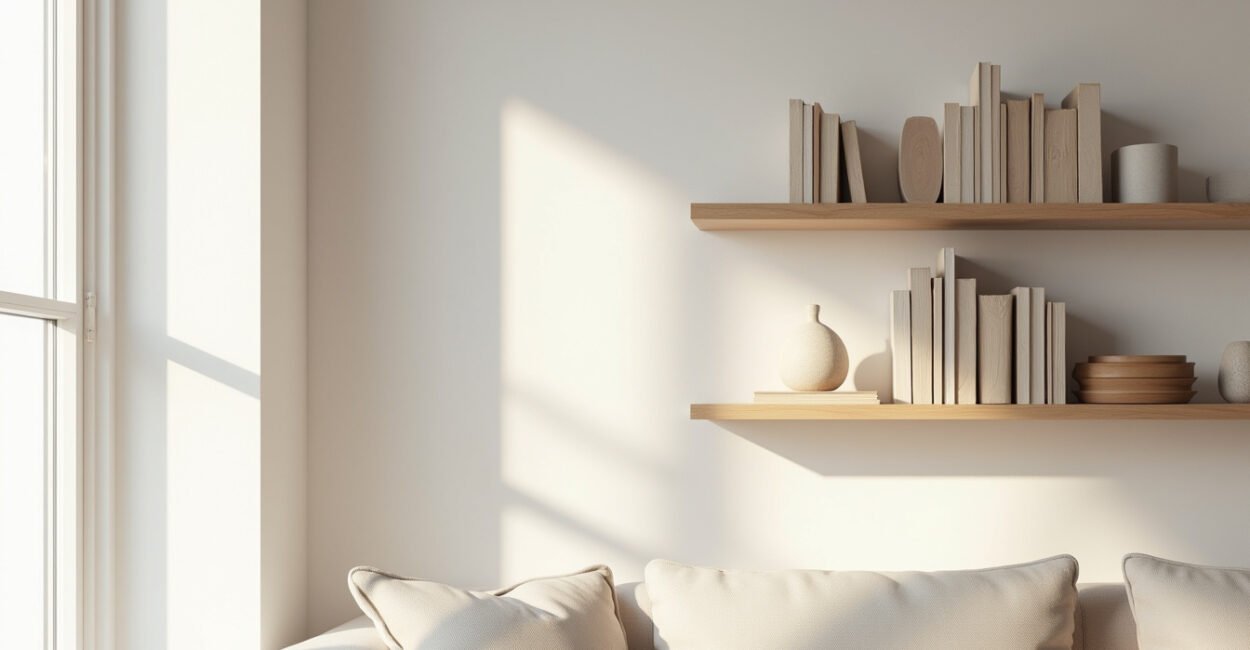
Absolutely. Small spaces benefit from careful scale choices and negative space. Choose compact luxury pieces—an armless sofa, floating shelves, or a slim console—that maintain proportion. Prioritize vertical interest, such as a striking floor lamp or wall art, to draw the eye upward and create perceived depth. Keep surfaces decluttered and use mirrors strategically to amplify light. Texture plays a big role: a tactile throw or boucle pillow adds richness without crowding. The key is restraint—one bold moment, not several competing ones.
Which Materials Give the Best “luxury” Return on Investment?
Materials that look and age well deliver the best long-term value: solid hardwoods, natural stone, handwoven rugs, and natural fibers like silk, wool, and linen. Metals such as brass and bronze develop a patina that adds character; velvet and boucle read luxurious on camera and in person. Avoid overly glossy, cheap laminates that show wear quickly. Investing in good upholstery and high-quality finishes may cost more upfront but reduces replacement needs and increases perceived value, making them smart choices for anyone aiming for lasting luxury.
How Do I Make a Statement with Lighting Without Overdoing It?
Layering is the secret. Combine ambient lighting (recessed or ceiling fixtures), task lighting (reading lamps, sconces), and accent lighting (uplights, picture lights). One statement fixture—a sculptural chandelier or pendant—can act as the visual anchor, while other sources provide function and atmosphere. Dimmers are essential; they let you control mood. Keep finishes cohesive but varied in texture to avoid monotony. The goal is a balanced scene where the dramatic fixture stands out without casting everything else into shadow or competing for attention.
Are Sustainable Luxury Options Genuinely High-end or Just Greenwashed?
Both exist. Genuine sustainable luxury emphasizes provenance, artisanal processes, and materials that improve with age—think reclaimed wood, certified natural fibers, and low-impact finishes. These pieces often cost more because of craftsmanship and transparency. Greenwashing shows up in vague claims and mass-produced items marketed as “eco.” To spot authenticity, look for traceable sourcing, certifications, or artisan partnerships. Sustainable luxury that prioritizes durability and repairability not only reduces environmental impact but also often enhances the emotional value and longevity of your investment.