Skip to content

A rental can look high-end without a high-end materials bill. The smartest upgrades often come from recycled and reclaimed materials for rental renovations: salvaged wood, refaced cabinets, secondhand fixtures, and rescued tile that add character while keeping costs under control.
That matters because rentals live in a tough middle ground. They need to look polished enough to attract good tenants, but they also have to survive wear, future turnover, and the occasional rushed repair. Done right, reclaimed finishes can create that “newly updated” feel without locking you into expensive, hard-to-match products. The key is knowing where these materials work, where they don’t, and how to use them without creating maintenance problems later.
What You Need to Know
- Reclaimed materials are salvaged from older buildings or projects, while recycled materials are manufactured from recovered raw content such as glass, metal, or plastic.
- The best rental upgrades are the ones that look custom but are easy to replace, clean, and approve under landlord constraints.
- Kitchens, bathrooms, entryways, and accent walls usually offer the highest visual return for the lowest material spend.
- Reclaimed pieces can save money, but only when you factor in labor, prep, and the reality of future maintenance.
- The strongest results come from mixing one character piece with durable, neutral finishes around it.
Recycled and Reclaimed Materials for Rental Renovations: What They Are and Why They Work
Technically, reclaimed materials are items removed from a building and reused in a new project, while recycled materials are processed into new products. In plain English: reclaimed means “used before,” recycled means “made again from recovered stuff.” Both can be excellent for rentals because they reduce waste, soften material costs, and give a unit more personality than builder-grade finishes.
What makes this approach attractive is not just the price. It is the visual lift. A tenant walking into a kitchen notices warmth, texture, and consistency far more than they notice whether every shelf came from a showroom. That is why salvaged oak, recycled glass tile, and repurposed hardware can make a modest apartment feel considered instead of generic.
In rental design, the smartest savings come from surfaces that look expensive but are easy to maintain; anything fragile, porous, or difficult to match later usually becomes a false bargain.
Where the Terms Get Mixed Up
People often use “recycled” and “reclaimed” as if they mean the same thing, but the distinction matters when you are comparing durability and sourcing. Reclaimed lumber may carry nail holes, patina, and history. Recycled-content tile or composite flooring may look newer and be more uniform, which is useful when a landlord wants consistency across multiple units.
The Rental Angle
Rentals reward restraint. A dramatic material choice can help a listing photograph well, but if it is too custom, too delicate, or too expensive to replace, the advantage disappears fast. The best upgrades support turnover, cleaning, and future repairs. That is the real test.
Where Salvage Delivers the Biggest Payoff in a Unit
The highest-return areas are the ones tenants see first and use hardest. Kitchens and bathrooms matter most, followed by entryways, living-room focal points, and closet or storage upgrades. A reclaimed wood shelf in a kitchen can change the whole mood of a room. So can a recycled tile backsplash, especially when the rest of the palette stays calm.
Best Places to Use Salvaged Pieces
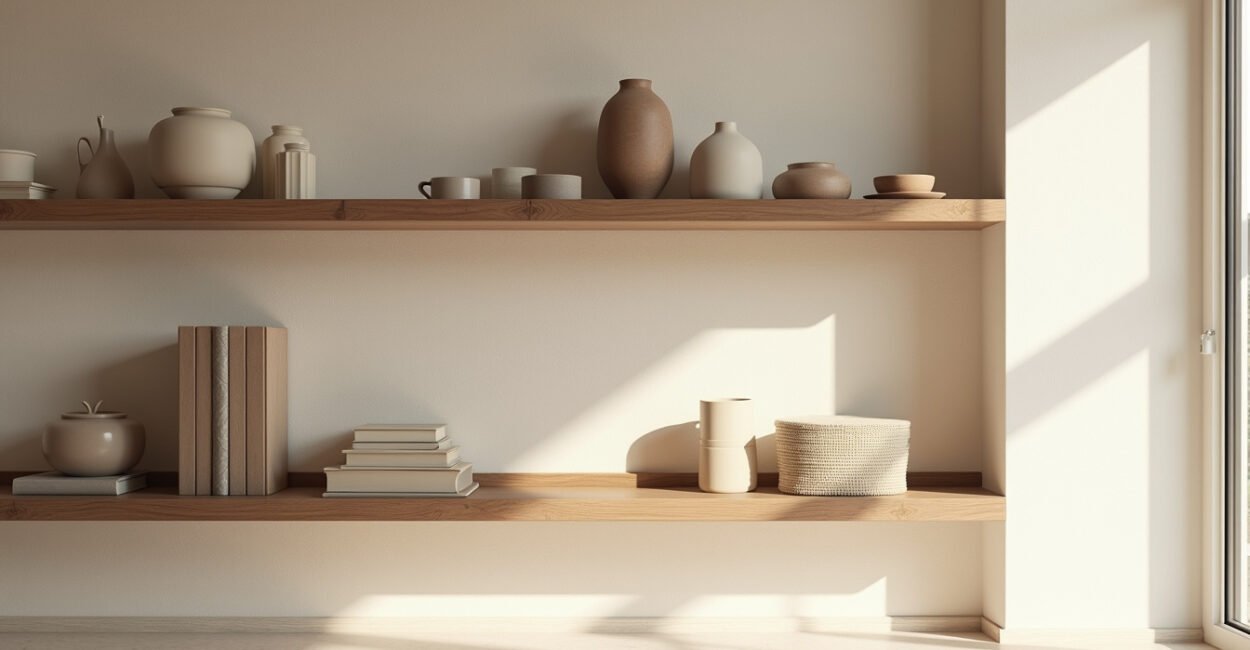
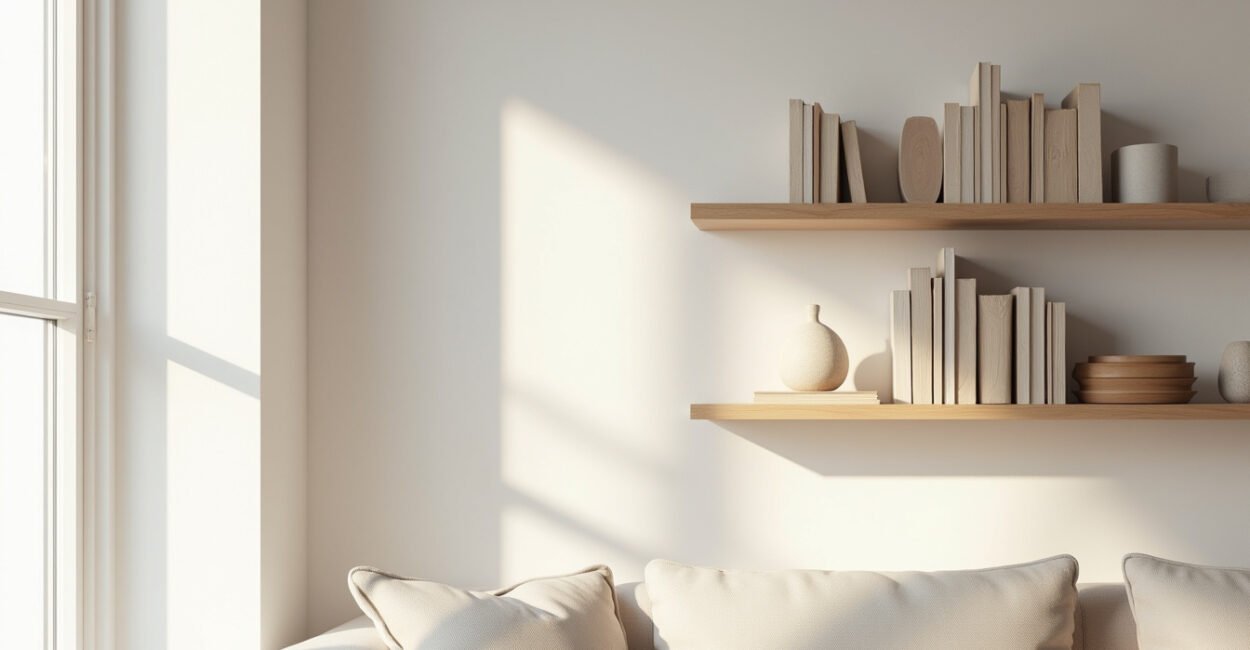
- Open shelving: Reclaimed wood adds warmth and can be cut to size for awkward wall spans.
- Backsplashes: Recycled glass tile works well where water exposure is moderate and the layout is simple.
- Vanity fronts and mirror frames: Small surfaces let you use character materials without overspending.
- Accent walls: Shiplap, barn siding, or salvaged paneling can create depth in a living room or bedroom.
- Hardware and lighting: Vintage pulls and retro-inspired fixtures deliver style at a relatively low cost.
One practical example: a landlord-friendly one-bedroom with dated cabinets, worn laminate, and a bland backsplash got a fast visual reset with sanded reclaimed oak shelves, recycled ceramic tile behind the sink, and matte black pulls from a salvage shop. The materials were under budget, and the unit photographed like a much more expensive space. The important part was that every change was easy to clean and simple to replace.
Material Choices That Look Great but Still Hold Up
Not every salvaged item belongs in a rental. Some pieces look beautiful in a design magazine and become annoying in real life. Porous stone stains easily. Softwoods dent fast. Old finishes can flake. If the surface touches water, gets scrubbed often, or takes daily abuse, durability should outrank nostalgia.
| Material | Best Use in Rentals | Watch-Out |
|---|---|---|
| Reclaimed hardwood | Shelves, trim, feature walls | Needs sealing and may vary in tone |
| Recycled glass tile | Backsplashes, bath accents | Grout upkeep matters |
| Salvaged metal | Lighting, brackets, decor details | Rust and finish wear can show quickly |
| Recycled-content flooring | High-traffic common areas | Confirm wear layer and warranty |
| Repurposed cabinetry parts | Fronts, inserts, utility zones | Must align with existing dimensions |
If you want a rule that holds up across most units, use reclaimed wood where people look and recycled-content products where people live hard. That split keeps the space attractive without making maintenance a headache.
The difference between a smart salvage choice and an expensive mistake usually appears in the maintenance plan, not in the showroom sample.
What Usually Fails
Materials fail in rentals when they depend on perfect care. Unsealed wood near sinks. Thin vintage tile in a shower niche. Old hardware that cannot be replaced with a matching part later. Those choices can work in owner-occupied homes, but rentals need a stronger margin for wear and turnover.
How to Keep the Budget Under Control Without Making It Look Cheap
Budget control starts long before demolition. The best deals usually come from building reuse centers, architectural salvage yards, Habitat for Humanity ReStores, surplus outlets, and local construction leftovers. If you search only retail showrooms, you pay for convenience. If you source with patience, you can cut material costs dramatically.
That said, the cheapest item is not always the cheapest outcome. A warped board that needs hours of prep can erase any savings. Who works with this stuff regularly knows the real cost includes cleaning, sanding, sealing, transport, and the risk of inconsistency.
A Simple Screening Rule
- Inspect for structural integrity first.
- Measure everything before buying.
- Ask how much repair or refinishing is needed.
- Check whether replacement pieces can be found later.
- Confirm the material fits local code and landlord approval.
For a deeper look at safe building and renovation practices, the U.S. Department of Housing and Urban Development offers guidance on housing quality and rehabilitation standards through HUD housing resources. The EPA also provides useful information on building materials, lead safety, and renovation exposure concerns at EPA lead renovation guidance.
Landlord Approval, Codes, and the Parts People Forget
In rentals, approval is often the real bottleneck. A beautiful upgrade still fails if it violates lease terms, local building code, or property management policy. Before installing anything permanent, check whether the change is cosmetic or structural, and whether the landlord expects everything to be restored at move-out.
In practice, the safest wins are usually reversible: peel-and-stick options that mimic stone or wood, removable shelving, swapped-out hardware, and freestanding furniture pieces made from reclaimed stock. Permanent changes can still be smart, but they should be discussed early and documented clearly.
The Questions to Ask Before You Start
- Will this need a permit?
- Can it be removed without damage?
- Is the surface compliant with local safety rules?
- Who pays for future replacement?
- Will this affect security deposit terms?
For code and renovation basics, many municipalities publish renovation rules through their housing departments, and university extension programs often explain code-adjacent maintenance issues in plain language. If the property has older paint, plumbing, or wiring, those details deserve more attention than the aesthetic choice itself.
Design Moves That Make Salvage Feel Intentional, Not Random
The biggest mistake with salvage is trying to show everything at once. A rental looks strongest when one or two reclaimed elements do the storytelling and the rest of the room stays clean and neutral. That balance matters more than the individual item.
Ways to Keep the Look Cohesive
- Repeat one finish, such as warm oak or matte black, in at least two places.
- Limit mixed wood tones unless the contrast is deliberate and controlled.
- Use simple wall paint so the salvaged element can lead the room.
- Match hardware finishes across the kitchen and bath when possible.
- Keep patterns limited if the material already has strong grain or texture.
That is where recycled-content products and reclaimed accents work best together. A recycled glass backsplash can bring sparkle, while a reclaimed wood shelf adds warmth. One gives cleanliness, the other gives character. The room feels finished because the materials are doing different jobs.
Where Sustainable Renovation Makes Financial Sense
Sustainable renovation makes the most sense when it improves appeal, reduces waste, and avoids future replacement costs. For rentals, that usually means choosing durable surfaces that age well and character elements that can be changed without tearing out the whole room. The environmental benefit is real, but the business case is what gets owners to keep using the approach.
There is one limit worth saying out loud: not every property is a good candidate. If the unit is scheduled for a short-term flip, or if the landlord wants ultra-uniform finishes across a large portfolio, custom salvage may create more complexity than value. In those cases, recycled-content materials with predictable performance can be a better fit than one-off reclaimed pieces.
Use reclaimed materials where they add visible character, and use recycled-content products where you need consistency, speed, and easier maintenance.
For broader sustainability context, Architectural Digest’s coverage of reclaimed materials and academic building-reuse resources from universities such as UC Berkeley’s Center for the Built Environment are useful reference points when weighing aesthetics against performance.
Practical Next Steps Before You Buy Anything
The best time to use recycled and reclaimed materials for rental renovations is before the design gets too specific. Start with the surfaces tenants notice first, decide what needs to be durable versus decorative, and check approval rules before you shop. If the plan still makes sense after those filters, you are probably dealing with a smart renovation, not a risky one.
Before buying, make a short list: one focal upgrade, one durable finish, one backup source for replacements. That keeps the project grounded. It also stops the renovation from turning into a collection of good ideas that do not quite fit together.
FAQ
Are reclaimed materials good for rental properties?
Yes, as long as they are used in the right places. Reclaimed materials work best on visible, lower-risk surfaces like shelving, accent walls, and decorative trim. Avoid using them in areas where moisture, frequent scrubbing, or heavy impact will cause faster wear.
What is the difference between reclaimed and recycled materials?
Reclaimed materials are taken from an existing structure or product and reused with minimal reprocessing. Recycled materials are broken down and manufactured into something new. In rentals, reclaimed pieces usually add more character, while recycled-content products often offer more consistency.
Which reclaimed upgrades add the most value to a rental?
Kitchen shelves, backsplash accents, vanity details, and entryway features usually create the strongest visual return. These are the areas tenants notice first, especially in listing photos. The goal is to make the unit feel updated without creating hard-to-maintain surfaces.
Do landlords usually approve these kinds of renovations?
They often do when the changes are low-risk, reversible, or clearly improve the unit’s appearance. Permanent changes need approval, and some landlords prefer materials that are easy to replace later. Written permission is always safer than assuming the upgrade is allowed.
Can reclaimed materials lower renovation costs?
Yes, but only when labor stays under control. A cheap salvaged item that needs heavy repair can cost more than a new one by the time installation is done. The best savings come from materials that are usable with minimal prep.
Where should I buy salvage for a rental renovation?
Architectural salvage yards, reuse centers, building material surplus stores, and nonprofit outlets like Habitat ReStores are strong starting points. These sources usually have better selection than random resale listings and are more reliable for matching dimensions. Always inspect items in person when possible.