Skip to content

Rental decorating gets tricky when you want a space that feels personal without creating waste or risking your deposit. The best removable eco-friendly decor ideas for rentals do both: they add comfort, cut down on disposable buys, and come off cleanly when it is time to move out.
In practice, the smartest choices are the ones with a second life. A tension rod that holds linen curtains, a jute rug you can move to your next apartment, or adhesive hooks that never touch drywall all solve the same problem in different ways. The goal is not to make a rental look “temporary.” The goal is to make it feel finished, while keeping materials reusable, recyclable, or low-impact.
What You Need to Know
- Removable decor works best when it is designed around reuse, not just easy removal.
- The most reliable upgrades in rentals are textiles, lighting, wall storage, and modular accents.
- Eco-friendly choices are not always the cheapest upfront, but they usually outlast trend-driven decor.
- Adhesives, weight limits, and surface type matter more than the product label on the package.
- For many renters, the safest strategy is to buy pieces that can move with you instead of buying for one lease only.
Removable Eco-Friendly Decor Ideas for Rentals That Work Without Damage
Technically, removable decor is any decor system that can be installed, used, and removed without permanent alteration to the unit. In rental life, that means no drilling, no paint obligations, and no residue that needs professional cleanup. Eco-friendly decor adds a second requirement: the item should reduce waste through durability, recyclability, repairability, or reusability.
That distinction matters. A peel-and-stick product is not automatically sustainable just because it removes cleanly. If it lasts six weeks and goes in the trash, it is still disposable décor with a greener label. The better benchmark is whether the item can be reused in a future home, donated, recycled, or repaired.
What separates renter-friendly decor from disposable decor is not removability alone — it is whether the item has a useful life after the lease ends.
That principle shows up across materials like bamboo, hemp, cork, recycled cotton, recycled polyester, and FSC-certified wood. It also shows up in hardware choices such as Command-style adhesive strips, tension rods, freestanding shelving, and over-the-door organizers. The winner is the setup that protects the apartment and still has a path beyond move-out day.
Textiles That Add Warmth and Travel Well
Choose Fabrics That Survive More Than One Move
If you want the fastest transformation with the least waste, start with textiles. Curtains, throws, pillow covers, and area rugs add softness in a way that paint never can. They also come with a built-in exit plan, which makes them one of the strongest rental upgrades.
Look for natural fibers such as linen, hemp, wool, and organic cotton when possible. Recycled polyester also makes sense for certain applications, especially pillow inserts and durable upholstery. A washable slipcover can save a tired sofa from replacement, and that is often the more sustainable choice.
The Detail Renters Miss: Size and Maintenance
Heavy drapes can improve insulation and reduce glare, which matters in older apartments with poor window sealing. The U.S. Department of Energy notes that window treatments can affect heat gain and loss, making them practical as well as decorative. See the guidance at Energy Saver’s window coverings page.
In small rentals, though, oversized textiles can backfire. A shag rug that traps dust or a curtain that puddles onto baseboard heaters is not a smart swap. Choose pieces you can wash, fold, roll, or rehome without trouble.
Walls That Stay Intact: Adhesives, Hooks, and Modular Art
Wall decor is where renters get nervous, and for good reason. Weight, wall texture, and humidity all affect whether an adhesive product holds or fails. Smooth painted drywall is one thing; textured plaster or humidity-prone bathrooms are another.
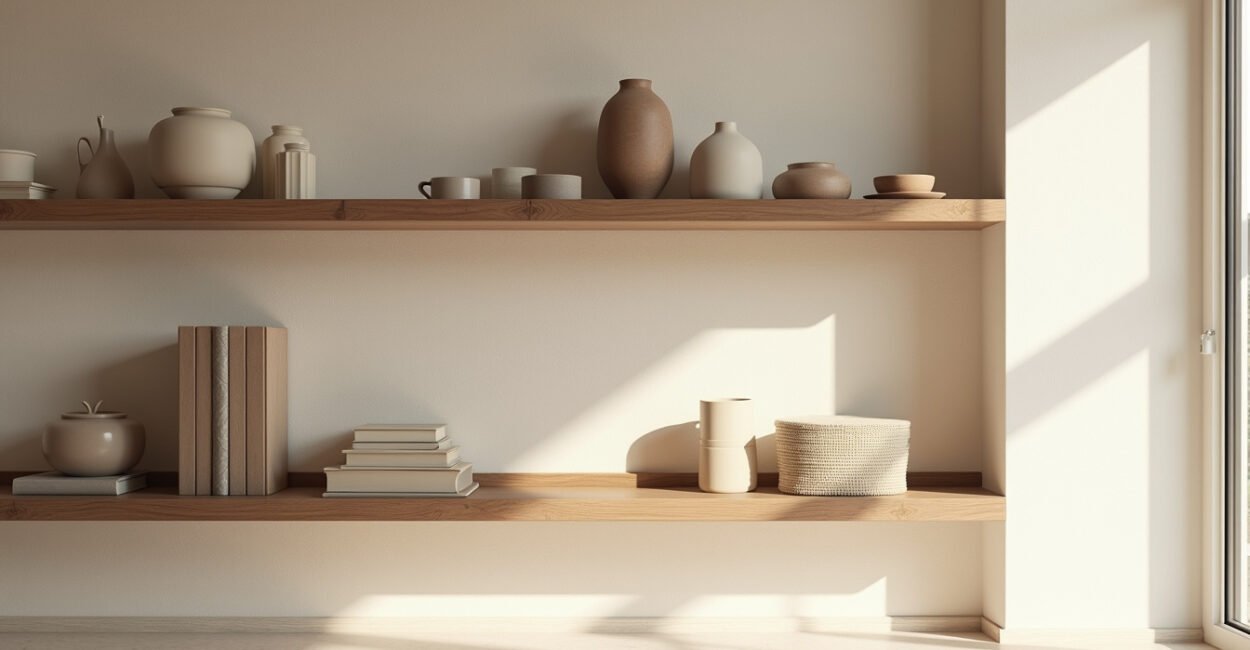
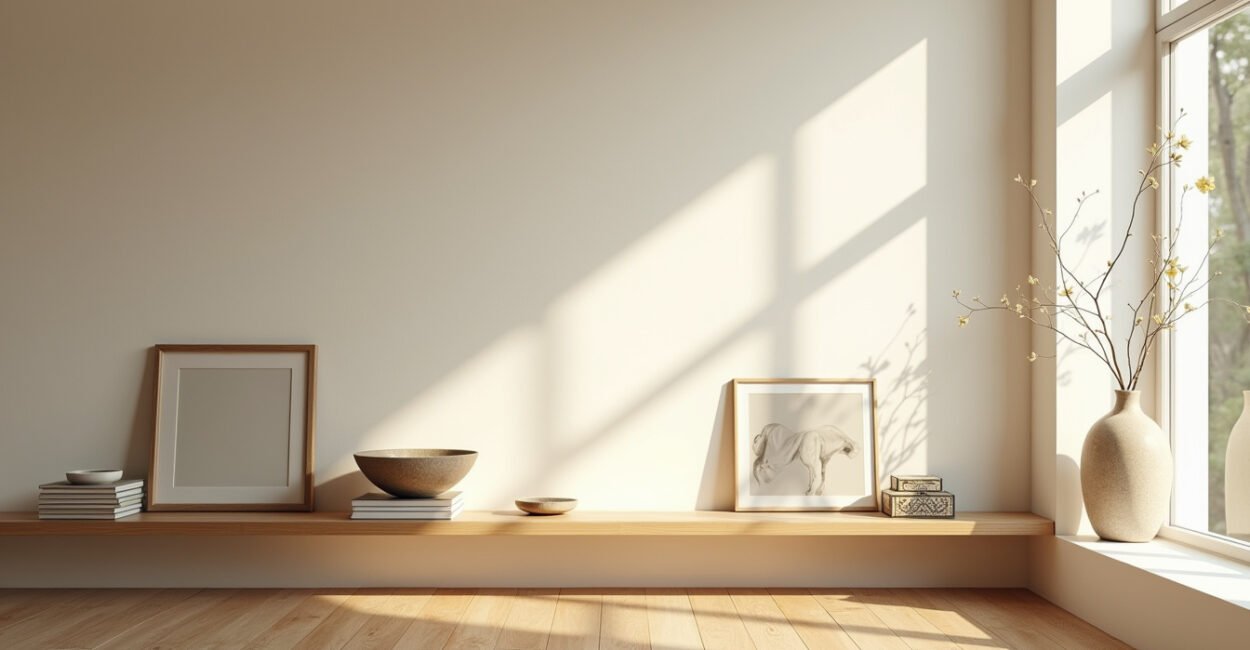
For light frames, removable hanging strips are usually enough. For heavier pieces, go with a freestanding picture ledge, a leaning mirror, or a bookshelf styled as a gallery base. That approach avoids overloading adhesive hardware and gives you more flexibility when your taste changes.
Who works with rentals every day knows this: the safest wall setups are modular. A cluster of small frames can move as a group, a corkboard can double as an art wall, and a peg rail can hold both decor and storage. The wall stays intact, but it does not have to stay empty.
Adhesive decor fails less often when the load is light, the surface is smooth, and the product is rated for the wall type you actually have.
If you want a source for household material safety and waste handling, the EPA’s recycling guidance is a useful place to start. It does not tell you how to style a room, but it does reinforce the bigger point: materials should be chosen with their end-of-life path in mind.
Lighting Upgrades That Save Energy and Set the Mood
Start with Bulbs Before Buying Fixtures
Lighting changes the feeling of a room faster than almost anything else. In many rentals, the overhead fixture is bland, harsh, or both. Before buying new lamps, replace old bulbs with efficient LEDs in a warm color temperature, usually around 2700K to 3000K for living areas.
That switch lowers energy use and avoids the short lifespan that comes with many older bulb types. The ENERGY STAR lighting standards are a good reference point when you want efficient options that are easy to compare. If the room still feels flat, add a floor lamp, clip-on task light, or plug-in wall sconce instead of rewiring anything.
Use Light to Create Zones, Not Just Brightness
In a studio or one-bedroom rental, lighting can divide the room into areas without a single nail. One lamp near a chair creates a reading corner. A second light in the kitchen gives the space a clearer boundary. This is one of the rare decor moves that improves mood and function at the same time.
Be careful with battery-powered lights in rooms you use heavily. They are useful for closets, shelves, and temporary accent lighting, but they are not always the best long-term solution. Plug-in options usually make more sense if you want lower waste and less battery turnover.
Furniture and Storage Pieces Built for a Second Life
Eco-friendly rental decorating becomes more convincing when the larger pieces are chosen well. A modular sofa, nesting tables, a bench with concealed storage, or a metal shelving unit can move across multiple homes. That is better than buying furniture that only works in one layout and ends up discarded after the lease.
Look for solid joinery, replaceable parts, and materials that can be repaired. Screws beat glue, standard hardware beats one-off fittings, and neutral finishes beat novelty surfaces that age quickly. If you are buying secondhand, inspect stability first; a beautiful piece that wobbles is waste in waiting.
There is a practical tension here. Not every “green” material is right for every rental. Bamboo can be durable, but low-grade bamboo furniture may split. Particleboard can be acceptable for a short-term piece, but it often does poorly in humid apartments or repeated moves. Match the material to the use, not the marketing.
| Decor Choice | Best Use | Why It Holds Up |
|---|---|---|
| Tension rods | Curtains, room dividers | No drilling, easy relocation |
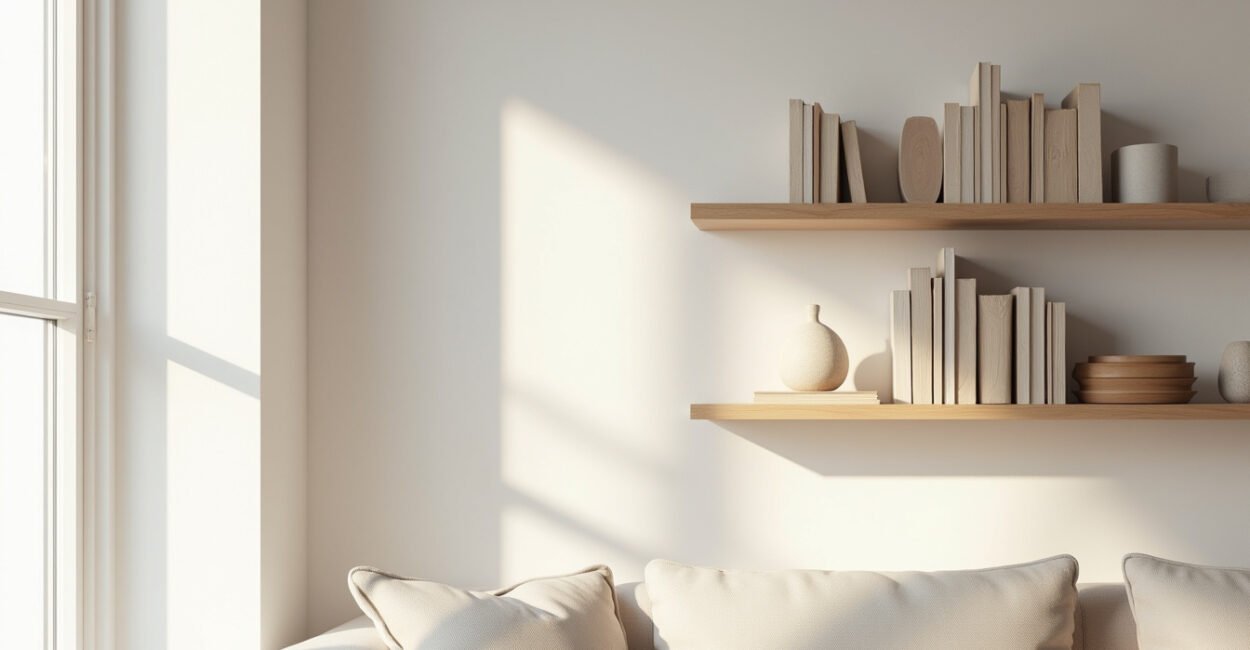
| Modular shelving | Books, plants, baskets | Reconfigurable and reusable |
| Washable slipcovers | Sofas, dining chairs | Extends furniture life |
| Adhesive hooks | Light frames, keys, lightweight storage | Removable when rated correctly |
Plants and Natural Accents Without the Cleanup Headache
Use Living Decor Where the Maintenance is Realistic
Plants are one of the easiest ways to soften a rental, but they need to match your lifestyle. If a window gets weak light, choose pothos, snake plant, or ZZ plant instead of high-maintenance varieties that will decline fast. A dead plant is not sustainable decor; it is just future compost or trash.
For renters who travel often, self-watering planters, plant stands with drip trays, and lightweight pots made from recycled plastic can reduce mess. Hanging planters can work too, as long as the weight is low and the mounting system is designed for it. In bathrooms and kitchens, herbs or trailing plants add life without crowding counters.
Natural Texture Does a Lot of Visual Work
You do not need a jungle to get the effect. A cork tray, a seagrass basket, a wood stool, and a few ceramic vessels can deliver the same warmth as a pile of fragile decor. These materials are also easy to repurpose later, which is why they make sense in rentals.
One small example: a renter in a rail-adjacent studio used a single tension rod across a blank window, hung a linen curtain, and placed two plants on a narrow shelf below. The room stopped feeling like a hallway. Nothing permanent changed, but the apartment finally felt occupied.
How to Spot Greenwashing Before You Buy
Not every product marketed as eco-friendly deserves that label. Greenwashing is common in home decor because terms like “natural,” “earth-friendly,” and “non-toxic” are often used without proof. The Federal Trade Commission’s Green Guides explain why environmental claims need evidence, not just nice packaging.
A good rule: if the product description is vague about materials, lifespan, or disposal, treat it with caution. If a peel-and-stick item cannot tell you what surface it works on, how much residue it may leave, or whether it is reusable, the sustainability claim is weak. Transparency matters more than buzzwords.
- Look for specific fiber content, not just “eco-friendly fabric.”
- Check whether adhesives are removable on your actual wall type.
- Prefer products with repair parts, replaceable covers, or modular components.
- Ask where the item goes at end of life: reuse, donation, recycling, or landfill.
A Simple Rental Strategy That Keeps Style and Waste in Balance
The strongest approach is not decorating room by room on impulse. It is building a short list of reusable pieces that can move with you and choosing removable accents only where they add real value. That means one or two durable anchors, a few flexible textiles, and a light touch on wall-mounted items.
For most renters, the sweet spot is this: invest in textiles and lighting first, use removable hardware second, and treat novelty decor as the exception rather than the rule. That strategy usually costs less over time because you are not rebuying the same look in every apartment. It also keeps the move-out process clean, which is where many “temporary” projects fail.
Use this as a filter before every purchase: will I keep it, repair it, resell it, or recycle it when the lease ends? If the answer is no to all four, it is probably not a good fit for a rental that is supposed to be both stylish and low-waste.
Frequently Asked Questions
What Makes Decor Eco-friendly in a Rental?
Eco-friendly rental decor is durable, reusable, repairable, or recyclable, and it removes without damaging the apartment. A product is not sustainable just because it peels off cleanly. It also needs a sensible end-of-life path after the lease ends.
Are Peel-and-stick Products Actually Safe for Rental Walls?
Sometimes, but not always. They work best on smooth, clean surfaces and on items with low weight. Textured walls, humidity, and heavy loads increase the chance of failure or residue.
What is the Best First Upgrade for a Rental Bedroom?
Textiles usually give the biggest change for the least risk. Curtains, a washable rug, and pillow covers can make a room feel finished without permanent changes. If the lighting is harsh, add a warm LED lamp next.
How Do I Avoid Buying “green” Decor That is Really Just Marketing?
Look for specific material claims, maintenance details, and end-of-life information. Vague terms like “natural” or “earth-conscious” are not enough on their own. The FTC Green Guides are a useful reference for spotting weak claims.
Can I Make a Rental Look Custom Without Drilling Holes?
Yes. Tension rods, freestanding shelves, leaning mirrors, adhesive hooks, and layered textiles can make a rental feel intentional. The trick is to combine a few repeated materials so the room feels designed, not assembled.
What to Do Next
Start with one room and one category: textiles, lighting, or wall decor. Pick the pieces that can move with you, not just the ones that look good in a product photo. That is the point where style and sustainability stop competing.
If you want the cleanest result, make your next purchase based on life after move-out, not just the current layout. That one filter prevents most rental decorating mistakes and keeps your space useful, not disposable.