Skip to content

📅 Updated on June 12, 2026
A cheap rental upgrade can do more than a full remodel if you choose the right materials. The best eco-friendly materials for rental homes lower utility bills, reduce daily wear, and make a space feel cleaner and more current without crossing lease limits or creating a renovation headache.
That matters because renters need improvements that are removable, affordable, and low-risk. In practice, the smartest choices are not the trendiest ones; they are the materials that handle moisture, clean easily, and cut waste over time. This guide breaks down which options are worth using, where they work best, and where the eco label needs a closer look.
In a Nutshell
- The best rental-friendly sustainable upgrades are the ones that reduce replacement cycles, not just the ones marketed as “green.”
- Low-VOC paint, recycled-content flooring, bamboo, cork, and reclaimed wood each solve a different problem, so the right pick depends on traffic, moisture, and lease rules.
- Materials with third-party certification are easier to trust than products with vague environmental claims.
- For rentals, removable and damage-resistant options usually outperform permanent upgrades because they preserve deposit safety.
- The most cost-effective sustainability move is often durability: fewer repairs, fewer replacements, and less energy loss.
Eco-Friendly Materials for Rental Homes That Cut Costs Without Risk
In rental properties, eco-friendly materials are building and finish products designed to reduce environmental impact while still meeting practical needs like durability, easy maintenance, and reversibility. For renters, that usually means choosing materials that improve comfort and efficiency without permanent structural changes.
The fastest wins come from products that are low-VOC (low in volatile organic compounds), made from recycled or renewable content, and durable enough to outlast cheap replacements. According to the U.S. Environmental Protection Agency, indoor air quality can be affected by VOCs from many common household products, which is one reason finish choices matter more than many people realize.
The best sustainable choice in a rental is usually the material that lasts longer, emits less, and can be removed or replaced with minimal damage.
That is the key tradeoff. A renter does not need the most permanent solution; they need the best mix of performance, lease safety, and long-term savings. That is also why a material that looks “green” on a label can still be a poor fit if it scratches fast, traps moisture, or requires specialty maintenance.
Low-VOC Paint and Sealants: The Easiest Upgrade With Immediate Impact
Low-VOC paint is one of the simplest sustainability upgrades in a rental because it improves indoor air quality, refreshes the space, and usually costs little more than standard paint. If you are allowed to paint, this is often the highest-return change per dollar.
Why It Matters in Small Spaces
Bedrooms, studio apartments, and older units benefit most because odors and off-gassing linger longer in tighter rooms. If a landlord permits repainting, a low-VOC matte or eggshell finish can also hide minor wall flaws better than a shiny finish.
Where It Can Fall Short
Some low-VOC products still perform poorly if they are thin, cheap, or mismatched to the surface. That is the part many people miss: a “green” paint that needs four coats creates more waste than a better-formulated conventional option.
For broader guidance on safer materials, the EPA Safer Choice program is a useful reference point for evaluating household products beyond paint alone.
Flooring That Lasts: Cork, Bamboo, and Recycled-Content Options
Flooring is where sustainability and durability either work together or clash. In rentals, the winning materials are those that handle foot traffic, moving furniture, and routine cleaning without demanding constant replacement.
Cork for Comfort and Noise
Cork works well in upstairs units or bedrooms because it softens footsteps and adds some thermal comfort. It is renewable and resilient, but it is not the best choice for heavy moisture or aggressive cleaning.
Bamboo for a Harder Surface
Bamboo is popular because it grows quickly and can mimic the look of hardwood. Still, quality varies a lot, and some cheaper products dent or warp faster than expected.
Recycled-Content Vinyl and Tile
Not every rental can support natural materials, especially in kitchens and bathrooms. Recycled-content luxury vinyl tile and some ceramic products can be a practical middle ground when durability matters more than pure material simplicity.
| Material | Best For | Main Tradeoff |
|---|---|---|
| Cork | Quiet rooms, comfort underfoot | Weak in wet areas |
| Bamboo | Living areas, light-to-moderate traffic | Quality varies widely |
| Recycled-content vinyl | Kitchens, rentals with high wear | Not as natural in feel |
In rental flooring, sustainability is not just about what the product is made of; it is about how long it stays in service before it has to be replaced.
Textiles and Soft Surfaces That Reduce Waste Fast
Soft materials are easier to swap than hard surfaces, which makes them ideal for renters who want a greener home without permanent changes. Curtains, rugs, cushion covers, and mattress protectors can all improve comfort while reducing the need to buy disposable replacements.
Natural Fibers With Real Use Cases
Cotton, hemp, wool, and jute each have different strengths. Wool rugs insulate well and handle wear, hemp textiles are durable, and jute adds texture in low-moisture areas. These are not interchangeable, and that is where people often choose poorly.
Choose Washable Before Fancy
A washable slipcover that survives repeated use is more sustainable than a delicate fabric that gets replaced every season. The same rule applies to rugs: a sturdy, cleanable rug with a recycled backing is often better than a fragile “eco” piece that looks good only in photos.
For renters trying to cut waste, textiles are the most forgiving place to start because they do not usually require approval, drilling, or construction.
Reclaimed Wood and FSC-Certified Pieces: Warmth With Better Sourcing
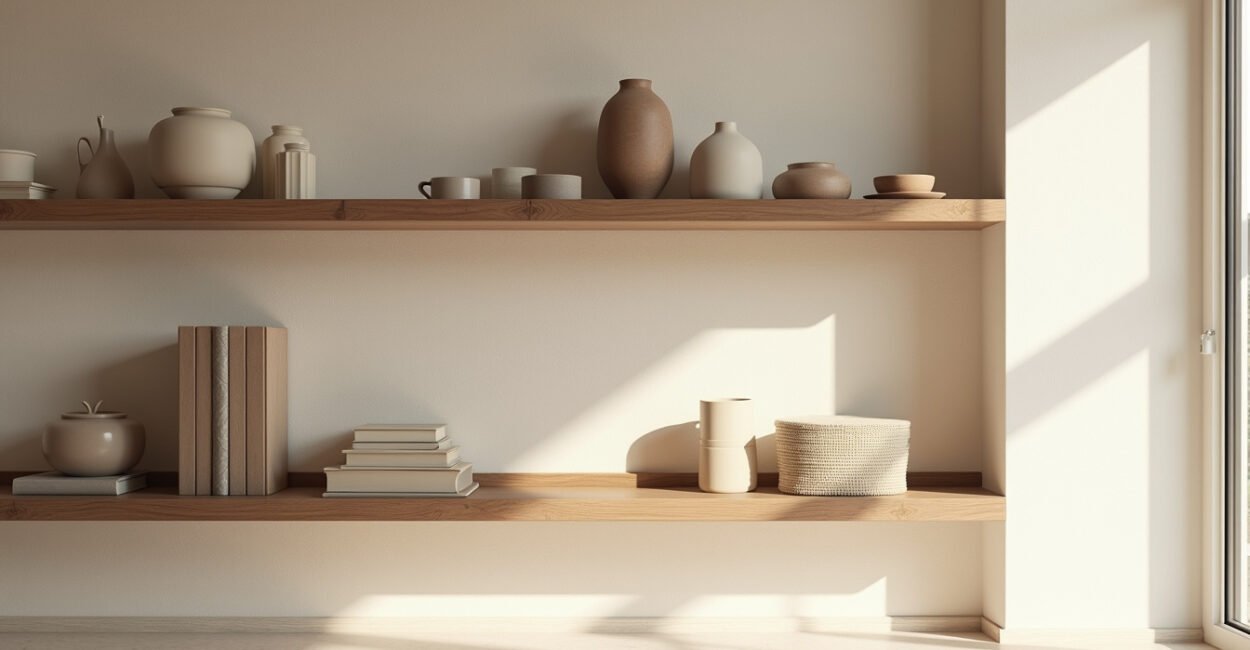
Reclaimed wood brings character to a rental through shelves, side tables, frames, and wall accents, and it does so without requiring new lumber. When you want a warmer, more lived-in look, this is one of the strongest options.
What Makes It Credible
Reclaimed wood reduces demand for virgin material. FSC-certified products, from the Forest Stewardship Council, add another layer of confidence because the certification addresses responsible forest management and supply-chain traceability.
Where the Limit Is Real
Reclaimed material can be uneven, harder to source, and sometimes more expensive than mass-produced alternatives. It is worth it when the piece is visible and durable, but not always for hidden parts or temporary setups.
Vi cases in which a renter bought a beautiful reclaimed shelf only to discover it was too heavy for the wall anchors allowed by the lease. The smarter move was a lighter FSC-certified unit with a low-impact finish. That saved both the wall and the deposit.
Energy-Saving Add-Ons That Pair Well With Sustainable Materials
Materials alone do not cut utility costs if the home leaks heat, light, or airflow. The best rental upgrades combine material choices with simple efficiency fixes such as thermal curtains, weatherstripping, and removable window film.
Thermal Curtains and Cellular Shades
These help regulate indoor temperature without construction. In apartments with weak insulation, they can make a noticeable difference in comfort and heating demand.
Weatherstripping and Door Sweeps
These are small, inexpensive, and often removable. They work well because air leakage is one of the easiest problems to fix in older rentals.
LED Lighting and Smart Power Use
LED bulbs are not a “material” in the strictest sense, but they belong in the same decision set because they cut energy use with almost no tradeoff. The U.S. Department of Energy notes that LEDs use significantly less electricity and last much longer than traditional incandescent bulbs.
How to Choose the Right Option for Your Lease and Budget
The right choice depends on three things: how permanent the upgrade is, how much wear the space gets, and whether the landlord will allow it. If a material is hard to remove, hard to clean, or easy to damage, it is rarely the right rental choice even if it is marketed as sustainable.
- For low effort: low-VOC paint, LED bulbs, washable textiles.
- For medium effort: thermal curtains, cork rugs, bamboo accents, weatherstripping.
- For high impact: recycled-content flooring, FSC-certified furniture, reclaimed wood features.
One practical rule helps more than any trend report: if the item cannot survive a move, a spill, or a lease inspection, it is probably not the best rental investment. That does not make it bad; it just means the context is wrong.
In rentals, the most sustainable upgrade is often the one you can take with you when you move.
What to Do Before You Buy Anything
Start with the spaces that drive the highest daily use: bedroom, living room, kitchen, and bathroom. Then pick one target at a time, because scattered “green” purchases usually cost more than a focused plan. If you need the biggest payoff fast, begin with paint, lighting, and soft surfaces before touching anything structural.
Your best next step is to compare products by certification, durability, and lease compatibility, not by marketing language. Check labels from the EPA, FSC, and Energy Star, then choose the option that fits your move-out risk and budget. If a product makes your rental easier to live in and easier to maintain, it is doing its job.
Can eco-friendly materials really save money in a rental?
Yes, but the savings usually show up over time rather than on day one. Low-VOC paint, LEDs, thermal curtains, and durable flooring can reduce energy use and replacement costs, which matters more in a rental than a single flashy upgrade.
What is the safest eco-friendly upgrade for renters?
Low-VOC paint, LED bulbs, and washable textiles are usually the safest because they are affordable, easy to install, and easy to remove or replace. They also create little risk of lease damage compared with permanent alterations.
Is bamboo always a better choice than wood?
No. Bamboo is renewable, but product quality varies and some versions dent or warp more easily than hardwood. The better choice depends on where it will be used, how much traffic it gets, and whether the product is well made.
How can I tell if a product is truly sustainable?
Look for third-party certifications like FSC, EPA Safer Choice, or Energy Star, depending on the product type. Vague terms like “green,” “natural,” or “earth-friendly” are not enough on their own.
What should I avoid in a rental if I want lower environmental impact?
Avoid materials that wear out quickly, off-gas heavily, or require frequent replacement. Cheap laminate, thin rugs, and low-quality adhesives often create more waste than they save.
Do removable products count as eco-friendly?
Yes, if they reduce waste, last well, and do not damage the unit. A removable product can be a very good environmental choice when it avoids permanent construction and survives multiple moves.