Skip to content

It starts with a cushion that looks wrong next to grandma’s armchair — too slick next to its worn velvet — and then, somehow, everything clicks. That awkward mismatch is where layering textures lives: the deliberate nudges and repeats that make vintage and modern speak the same language. In the first three lines you should already know whether a room will feel curated or confused; layering textures is the secret that decides which way it goes.
Why Repeating One Texture Feels Like a Design Handshake
Repeating a texture is the easiest trick to make eras feel related. When the same material reappears — a brass lamp, a leather stool, a nubby wool throw — your eye reads continuity, even if the pieces were made decades apart. Think of it as a handshake across time: the repeated texture reassures. Use one or two repeats at most in any visible triangle (sofa, side table, rug). The result is cohesive rooms that still allow an antique to retain its personality.
The Contrast Everyone Fears and Why It Actually Saves a Room
Too much sameness makes a room boring; purposeful contrast wakes it up. Pair glossy lacquer with rough-hewn wood, or silk cushions with a raw linen sofa. Contrast is not chaos — it’s punctuation. It highlights the old piece and modernizes it at the same time. A polished chrome lamp next to a pitted oak table reads as intentional juxtaposition, not mismatch. If you’re uncertain, let formality contrast with texture: formal shapes in lived-in fabrics feel current without losing their soul.

Sequence Your Layers Like a Playlist
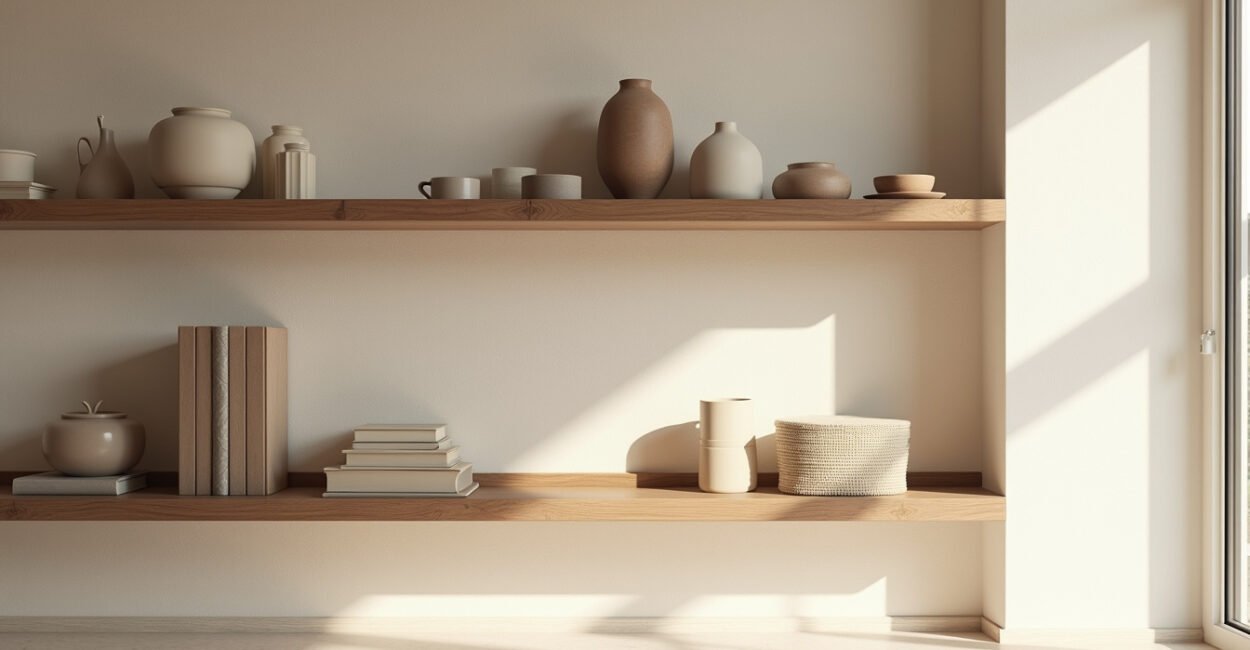
Layering textures works best when sequenced. Start with the foundational texture (flooring or rug), add mid-level texture (sofas, curtains), then finish with accents (pillows, baskets, books). Think rhythm: base, body, detail. The sequence creates depth and prevents a fight for attention. A smooth marble coffee table sits above a low-pile rug and beneath a knitted throw — each layer supports the other, and era-mixing reads as thoughtful rather than accidental.
The Textures You Should Repeat and the Ones to Use Sparingly
Repeat: metals, wood tones, and a signature fabric or weave. Metals (brass, black steel) echo across lighting and hardware. Wood tones repeated in frames and small furniture anchor a palette. A signature weave — a boucle pillow, a tartan throw — can become a motif. Use glass, high-gloss lacquer, and stark plastics sparingly; they shout. Reserve ultra-smooth surfaces as accents so that the room’s overall feel stays warm and layered rather than clinical.

Expectation Vs. Reality: A Quick Before-and-after
Expectation: put a mid-century sofa in a historic townhouse and expect instant harmony. Reality: the room can feel split between eras. The fix was a small one — a woven runner, a brass-framed mirror, and two linen pillows — and suddenly the old and new were friends. The comparison is instructive: before, the sofa looked transplanted; after, it felt curated. That’s the power of texture layering: tiny edits, dramatic change.
Common Mistakes That Make Layering Look Accidental
Don’t over-match, don’t ignore scale, and don’t forget contrast. Over-matching (everything in the same finish) flattens a room. Ignoring scale makes textures feel wrong: a delicate lace runner won’t balance a hulking leather sofa. And skipping contrast turns a layered scheme into a single-texture slog. Common errors to avoid:
- Using too many shiny surfaces at once
- Repeating a texture without variation in tone
- Mixing eras without an anchoring material
A Simple Three-step Experiment to Try This Weekend
Try this: 1) Choose one modern piece and one vintage piece you love. 2) Pick one texture to repeat (metal, wood, or a fabric). 3) Add two contrasting accents (one glossy, one rough). Live with the arrangement for 48 hours before buying anything new. You’ll notice how the repeated texture creates a bridge and how the contrasts give the room bite. This small experiment teaches more than theory — you’ll see layering textures in action and understand sequencing by feel.
Design isn’t about erasing history; it’s about making history talk to the present. Layering textures does that, subtly and decisively. Walk into a room that feels intentional and you sense the conversation — and you can create that same dialogue, one texture at a time.
For more on material psychology and how people respond to textures, see research summarized by the American Psychological Association. For practical conservation and material matching tips when working with antiques, consult resources at the Smithsonian.
How Do I Start Layering Textures If I Have a Tiny Budget?
Start with what you already own: swap cushions between rooms, drape a textured throw over a chair, or place a woven basket near a metal lamp. Small, inexpensive pieces (throws, cushions, a small rug) change perceived quality more than their price suggests. Focus on repetition: repeating a low-cost texture in two or three places creates cohesion. Lastly, shop flea markets and thrift stores for singular vintage accents; a small worn item can anchor a whole look without breaking your budget.
Can Layering Textures Work in Minimalist Spaces?
Yes—minimalism benefits from thoughtful texture layering. Minimalist rooms rely on restraint, so texture becomes the main interest. Use a limited palette and focus on contrasts of surface rather than color: a polished concrete floor, a matte plaster wall, a soft wool throw. Repeat one texture subtly (for instance, black metal in lighting and frames) so the space reads intentional. Texture layering keeps minimalist interiors from feeling sterile while preserving the clean lines that define the style.
How Do I Mix Antique Finishes with Modern Metals Without Clashing?
The trick is to create a hierarchy. Choose one metal finish as the primary repeat (brass, blackened steel) and allow others to appear as secondary accents. Use the primary metal in multiple places — lighting, hardware, small decor — so it becomes the visual connector. Introduce patinaed finishes deliberately: pair a worn brass with matte black rather than shiny chrome to balance warmth and modern edge. Aim for three metal moments max in any visible area to avoid a cluttered look.
What Textiles Work Best for Combining Different Eras?
Natural fibers (wool, linen, cotton) are forgiving and bridge eras easily. Bouclé and nubby weaves nod to mid-century and vintage pieces, while crisp linen or silk can modernize older forms. Leather ages gracefully and pairs well with both formal and rustic pieces. For outdoor or high-traffic areas, blend durable weaves with softer accents so function and style coexist. The goal is to mix textures that complement each other’s tactile story rather than compete for attention.
How Do I Know When a Room is Over-layered?
A room is over-layered when the eye has nowhere to rest: too many competing textures, an overload of small patterns, or finishes that all scream for attention. Signs include visual chaos, uneasy movement through the space, and a lack of a clear focal point. If you suspect over-layering, remove items until you can identify a dominant texture and a single contrasting accent. Simplicity in editing often reveals the intention you were aiming for in the first place.