Skip to content

The electricity bill arrives and you almost drop your phone: last month’s total jumped 25%. You pull up your utility app and see a neat graph—“smart meters” took that reading—but it doesn’t tell you which device is the culprit tonight. That gap is exactly where the battle between utility smart meters and in-home energy monitors happens: one measures consumption officially, the other spies on your socket-level habits. Which one gets your bills down faster? Let’s cut the fluff and compare the two where it matters—actionable data, privacy trade-offs, and speed to savings.
Why Utility Smart Meters Are the Backbone—but Not the Whole Story
Utility smart meters provide the official meter reading your bill is based on—and they’re built for accuracy and regulation. They replace monthly or quarterly manual reads with frequent automated data sent to your energy company. That means faster detection of big anomalies (like a meter malfunction or a persistent leak) and smoother enrollment in time-of-use or demand-response programs. But utilities typically aggregate data at the meter level, so you’ll see whole-house patterns, not “the fridge is sipping 70W every hour.” The result: reliable billing, limited appliance-level actionability.
The Secret Power of In-home Energy Monitors: Visibility You Can Act on Tonight
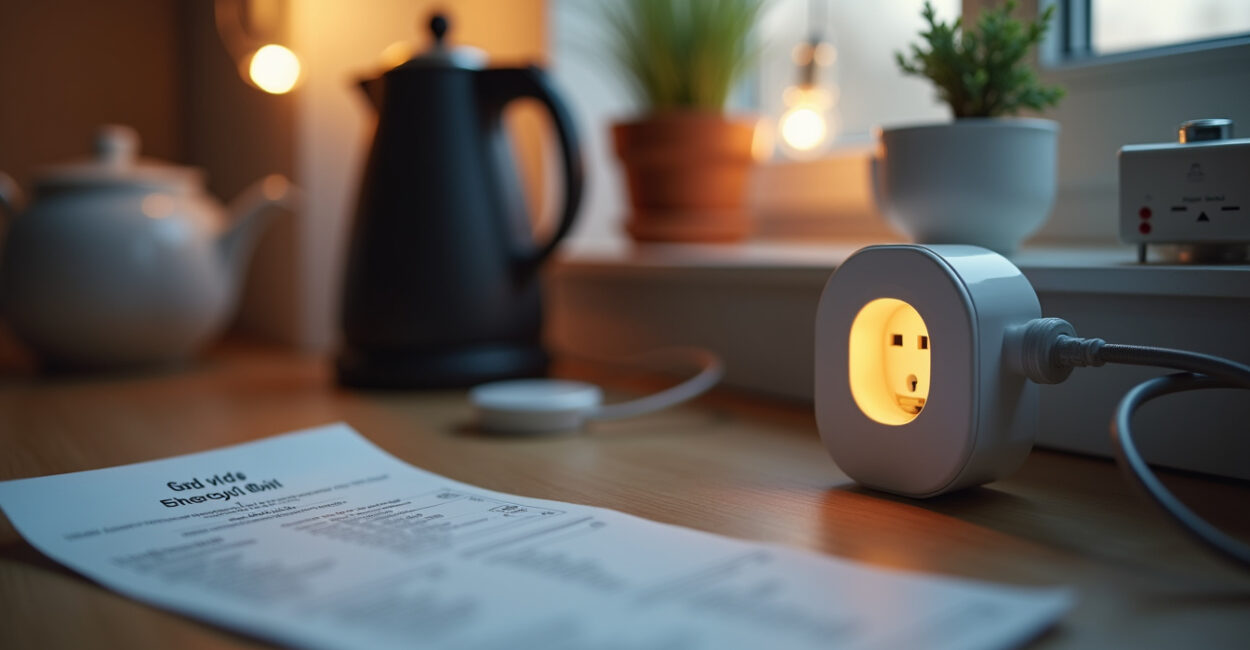
In-home monitors—clamp-on CT sensors, plug-in smart plugs or whole-home devices—give you the kind of detail that changes behavior immediately. They can show that your heater spikes at 9:12 p.m., or that the old freezer never cycles off. That granularity turns tips into decisions: you unplug, reprogram, or replace a device and watch the curve drop the same day. For quick bill reductions, nothing beats seeing which appliance causes the spike and doing something about it within hours.

Which One Saves Money Faster: Raw Data Vs. Actionable Data
Short answer: in-home monitors usually deliver the fastest visible savings. Utility smart meters enable long-term optimizations like switching to a time-of-use tariff, but those savings require plan changes and habit shifts. A surprising before/after: homeowners using a simple CT clamp and a monitoring app often report 5–15% reductions within a month—mostly by fixing a handful of energy vampires. Meanwhile, smart meter-driven tariff changes can save 10–20% but typically take several billing cycles to materialize.
The Privacy Trade-off: Who Sees What, and What You’re Really Giving Up
Utility meters send consumption data offsite to your provider; in-home monitors keep most data inside your home unless you opt into cloud services. That sounds good until you read the fine print: many in-home monitor apps upload usage signatures to identify appliances using machine learning, which can reveal occupancy patterns and appliance fingerprints. Utilities can infer behavior too, but usually on a coarser level. If privacy is a priority, choose local-first monitors or vendors with clear data-retention policies—and limit cloud features that profile activity.

Practical Privacy Rules and Three Mistakes to Avoid
People often assume “smart” equals secure—this is one of the biggest mistakes. Common errors: 1) plugging everything into a vendor cloud by default; 2) trusting manufacturer default passwords; 3) sharing meter data indiscriminately when enrolling in rebates. Protect yourself by using local data storage when possible, changing default credentials, and reading permission dialogs before agreeing to share data with third parties. Simple habits cut the privacy risk without sacrificing most benefits.
The One Comparison That Surprises Homeowners (expectation Vs. Reality)
Expectation: Get a smart meter and your bills drop automatically. Reality: A smart meter gives you the official numbers; savings come from how you use that information. Conversely, people who buy in-home monitors expect instant miracles—yet some models require pattern training and time to identify complex loads. The surprising middle ground: pairing both gives the best ROI. The meter confirms billing accuracy and enables tariff moves; the monitor tells you what to fix tonight.
How to Choose: A Quick Decision Map You Can Use in 5 Minutes
Pick based on your goal. If you want official accuracy, tariff eligibility, and utility programs, prioritize the smart meter. If you want immediate behavior change and appliance-level fixes, get an in-home monitor. Prefer both? Start with a low-cost monitor to stop leaks tonight, then trust your utility smart meter for longer-term tariff moves. For reference and deployment guidance, see the U.S. Department of Energy’s efficiency tips and real-world smart meter program notes from academic studies like those at energy.gov and research from the International Energy Agency.
Mini-story: A neighbor installed a clamp-on monitor after a nasty bill—within three days she found an ancient space heater cycling overnight. She unplugged it, saved roughly $12 a month, and used that proof to negotiate a cheaper time-of-use plan once her smart meter arrived. By month three, her bill was down enough that installing a new, efficient heater paid for itself in less than a year.
Comparison table (brief):
| Feature | Utility Smart Meter | In-Home Monitor |
|---|---|---|
| Billing accuracy | High | Not used for billing |
| Appliance-level detail | Low | High |
| Privacy exposure | Party: Utility | Party: Vendor/cloud (unless local) |
| Speed to visible savings | Weeks–months | Days–weeks |
Final nudge: if you care about rapid change, start with a simple monitor and fix the low-hanging fruit. If you want structural savings and program access, make sure your home gets the smart meter upgrade and learn your tariff options. Both together are ideal—but you don’t need both to start saving tonight.
Do I Need a Smart Meter to Use an In-home Energy Monitor?
No. In-home energy monitors work independently of your utility’s smart meter: clamp-on CT sensors and plug-in monitors measure current at the panel or outlet and report usage locally or to an app. A smart meter is the utility’s official recording device and enables tariff-specific features, but it is not required for an in-home monitor to show appliance-level consumption. That independence means you can start identifying waste and cutting costs immediately without waiting for a utility installation.
How Quickly Will I See Bill Reductions After Installing a Home Monitor?
Many people notice changes within days because monitors reveal obvious culprits—an always-on heater, vampire loads, or a misbehaving appliance. Typical short-term reductions range from 5–15% when simple fixes are implemented right away. Larger savings depend on actions like changing heating patterns, upgrading HVAC, or switching tariffs, which can take weeks to months. The monitor provides the actionable data; the speed of savings depends on how quickly you act on that intelligence.
Are Utility Smart Meters Safe from Hacking or Misuse?
Utilities argue that smart meters are secure by design and regulated, but no system is immune. Risks include data interception, unauthorized access to usage patterns, and potential privacy concerns if meter data is mishandled. Utilities generally store data under strict rules, but breaches and misconfigurations are possible. For added safety, inquire about your provider’s security practices and consider local-first in-home monitors if minimizing cloud exposure is a priority. Keep firmware and authentication practices up to date.
Can a Smart Meter and an In-home Monitor Disagree on Energy Use?
Yes. Smart meters are the billing authority and measure at the meter connection, while in-home monitors might be installed at the panel, individual circuits, or outlets. Calibration differences, installation errors, and measurement scope can create discrepancies. Small timing offsets or sensor tolerances explain most mismatches; persistent large differences suggest installation issues or faulty sensors. If totals differ significantly, contact your utility for a meter check and verify your monitor’s setup first.
Which Devices Should I Prioritize Replacing or Managing First to Cut Bills?
Start with high-draw and/or always-on devices: old HVAC systems, water heaters, space heaters, refrigerators older than 10 years, and legacy server/AV equipment. Use a monitor to confirm which appliances peak during expensive tariff periods or run constantly. Addressing these yields the biggest returns—replace inefficient units, add smart scheduling for heaters and water heaters, and unplug or put energy vampires on smart plugs. Small, focused changes often beat broad, expensive upgrades for short-term savings.