Skip to content
5 Rooms Where Smart Plugs Cut Phantom Load Without Changing Habits
Some rooms quietly waste more power than the rest—and the best smart-plug wins are usually not where people think.
Phantom load is the electricity devices draw while “off” or idle, and in rooms where smart plugs save standby power, that waste can add up fast. The trick is not turning your home into a project. It’s putting one smart plug in the few places where the idle draw is stubborn, constant, and easy to cut without changing how you live.
That’s why this matters now. A smart plug works best when it sits between you and a device that spends long stretches waiting: cooling, charging, listening, or blinking. Miss the right room, and you save pennies. Put it in the right room, and the savings feel oddly unfair.
The Living Room Hides the Biggest “always Waiting” Crowd
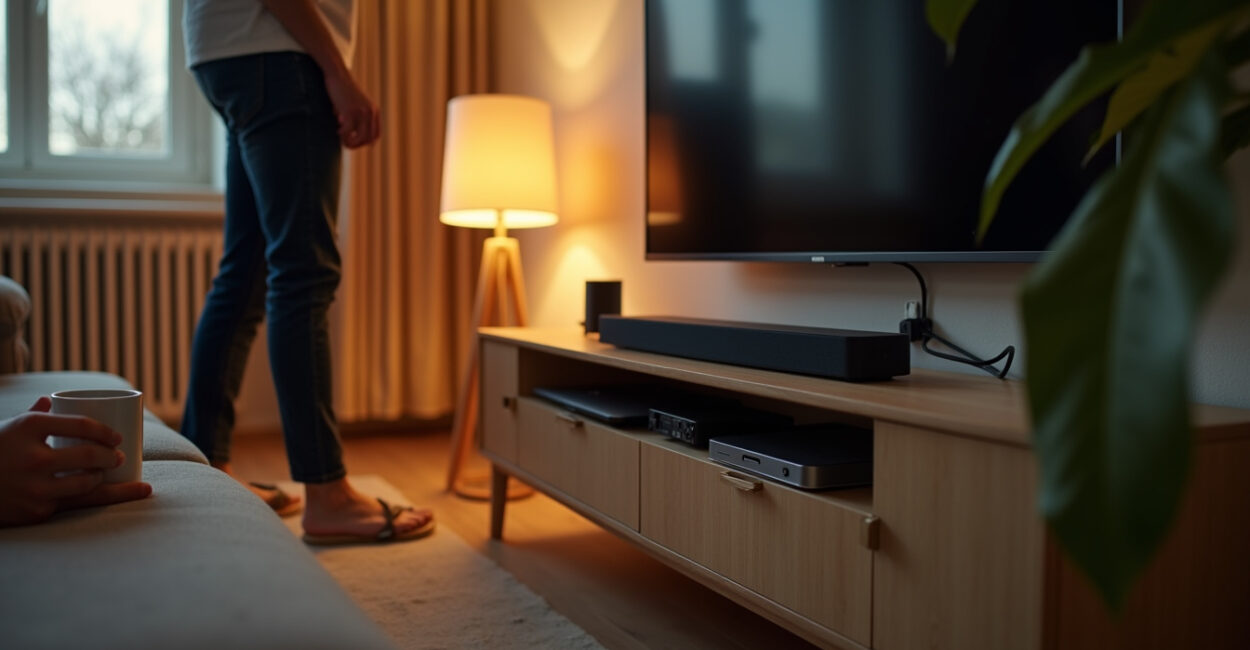
The living room is often the first place to target because it tends to be packed with devices that never really sleep: TVs, soundbars, streaming boxes, game consoles, and AV receivers. In practice, this is one of the most useful rooms where smart plugs save standby power without forcing you to change habits.
The win comes from grouping. A TV setup can look harmless, but the stack of tiny idle draws is the real leak. A smart plug can shut down a less critical cluster at night or during long absences, while leaving the essentials alone. That matters because standby load is invisible until you add it up.
One smart plug on a media corner can do more than three plugs scattered across random lamp cords. That’s the part people miss.
The Home Office is Full of Devices That Sip Power All Day
Home offices are sneaky. Printers sit warm. Monitors wait. Docking stations hum. Speakers glow. Even if each device seems tiny, the room runs long hours, which makes idle draw more expensive over time.
This is where smart plugs save standby power in a way that feels almost too simple: cut power to gear you only use in blocks, not continuously. A printer that wakes up once a day does not need to sip electricity at 2 a.m. A speaker system that sits unused after work does not need a permanent idle state.
There is one catch: don’t put everything on a smart plug if a device needs a graceful shutdown first. Some printers and computers dislike being hard-cut. The better move is the “accessory strip” approach—place peripherals on the smart plug, not the main work machine.

Bedrooms Waste Less Total Power, but the Fix is Cleaner
Bedrooms usually have lower total standby load than entertainment spaces, but they are still worth attention because the usage pattern is so predictable. Lamps with timers, chargers left in overnight, humidifiers, alarm clocks, and bedside speakers all create small drips of idle power.
What makes bedrooms useful is not size. It’s control. You already have a routine, which means a smart plug can match your habits instead of fighting them. That’s why bedrooms belong on the short list of rooms where smart plugs save standby power with almost no friction.
“The best energy savings are the ones you never have to remember to make.”
That line sounds obvious, but it’s the whole game. If a plug works with your bedtime pattern, it doesn’t feel like a restriction. It feels like a clean-up crew.
The Kitchen Wins When You Target Rarely Used Appliances
The kitchen can be surprisingly wasteful, but only if you aim at the right devices. Coffee makers with clocks, microwaves with displays, bread makers, air fryers with standby lights, and countertop gadgets with warm-up features often draw power all day for almost no reason.
According to the U.S. Department of Energy, standby and “off mode” loads can account for a meaningful share of household electricity use, especially when many devices are scattered across a home. See the DOE explanation of phantom loads for a clear breakdown.
The best kitchen strategy is selective. Do not smart-plug the fridge, freezer, or anything that must run constantly. Do target the countertop appliances that spend 23 hours a day pretending to be busy. That’s the difference between smart savings and expensive regret.
The Guest Room and Basement Often Beat the Obvious Rooms
This is where people usually underestimate the opportunity. Guest rooms and basements may not look power-hungry, but they often contain the worst kind of idle load: forgotten gear. An old TV, a spare router, exercise equipment with a digital display, a dehumidifier with standby controls, or a backup charger can sit there for months.
I’ve seen cases where one basement setup saved more than a polished living room plan, simply because nobody touched it. That’s the hidden truth of rooms where smart plugs save standby power: the less you think about the room, the more likely the waste is sitting there untouched.
Old or rarely used rooms are where “set it once and forget it” works best. You are not managing a lifestyle. You are cleaning up a neglected corner.
What to Avoid If You Want Real Savings
Smart plugs are useful, but they are not magic. Some placements save real money; others just create annoyance. If you put them in the wrong spot, the whole thing becomes one more thing to babysit.
- Do not use them on anything that must stay cold, safe, or continuously connected.
- Do not put a smart plug on your main internet router unless you truly know the downstream effect.
- Do not hard-cut devices that need file saves, cooldown time, or a proper shutdown.
- Do not expect major savings from tiny devices that already sip almost nothing.
There’s also a trust issue here. A smart plug saves standby power best when the device is idle for long stretches and when you can predict the off periods. If the pattern is chaotic, the savings get messy fast. For a broader baseline on how much electricity households actually use, the U.S. Energy Information Administration is a good reality check.
The Placement Rule That Makes the Whole Idea Work
If you remember one thing, make it this: put smart plugs in rooms with clustered, predictable standby loads—not in rooms that merely seem modern. That is why the living room, home office, bedrooms, kitchen, and neglected extra rooms usually beat the places people guess first.
The surprise is not that smart plugs save power. It’s that they save the most when they do not ask you to become a different person. You keep the routine. The plug handles the waste.
And that’s the part worth remembering: the best energy habit is the one that disappears after setup.
FAQ
Which Room Usually Saves the Most with a Smart Plug?
The living room often wins because it contains several always-waiting devices in one place: TVs, streaming boxes, sound systems, and consoles. That clustering makes standby waste easier to cut without changing daily habits. A home office can rival it if you have a printer, dock, monitor, and speakers all idling for hours. The real answer depends on where your home has the most devices that sit powered on without being used.
Can I Put a Smart Plug on My Refrigerator or Freezer?
No. Refrigerators and freezers need continuous power, and cutting them off can spoil food and damage equipment. Smart plugs are best for devices that can safely lose power when idle, not for appliances that maintain temperature or protect stored items. In general, if a device has a cooling cycle, compressor, or safety requirement, leave it off the smart plug list. This is one area where caution matters more than convenience.
Do Smart Plugs Really Save Enough to Matter?
Yes, but only in the right places. One plug on a tiny lamp will not move your bill much, but a smart plug on a room full of idle electronics can trim a noticeable amount over time. The biggest gains come from long idle periods, not from dramatic instant cuts. Think of smart plugs as targeted cleanup tools: small individually, meaningful when they remove several constant background loads at once.
Should I Use Smart Plugs with Chargers?
Yes, if the chargers are on for long stretches and the devices do not need to stay connected after charging ends. Phone, tablet, and accessory chargers are common standby load targets, especially in bedrooms and offices. The key is to avoid overthinking it: if the charger sits plugged in with nothing attached, it still draws a little power. A smart plug can cut that waste with almost no effort.
What’s the Biggest Mistake People Make with Smart Plugs?
The biggest mistake is putting them on the wrong devices. People often choose the most obvious outlet instead of the most wasteful one, then get annoyed when savings are tiny or the setup becomes inconvenient. Another common error is ignoring predictable routines. Smart plugs work best where the off-times are obvious. If you have to keep changing settings every day, the placement is probably wrong.