Skip to content
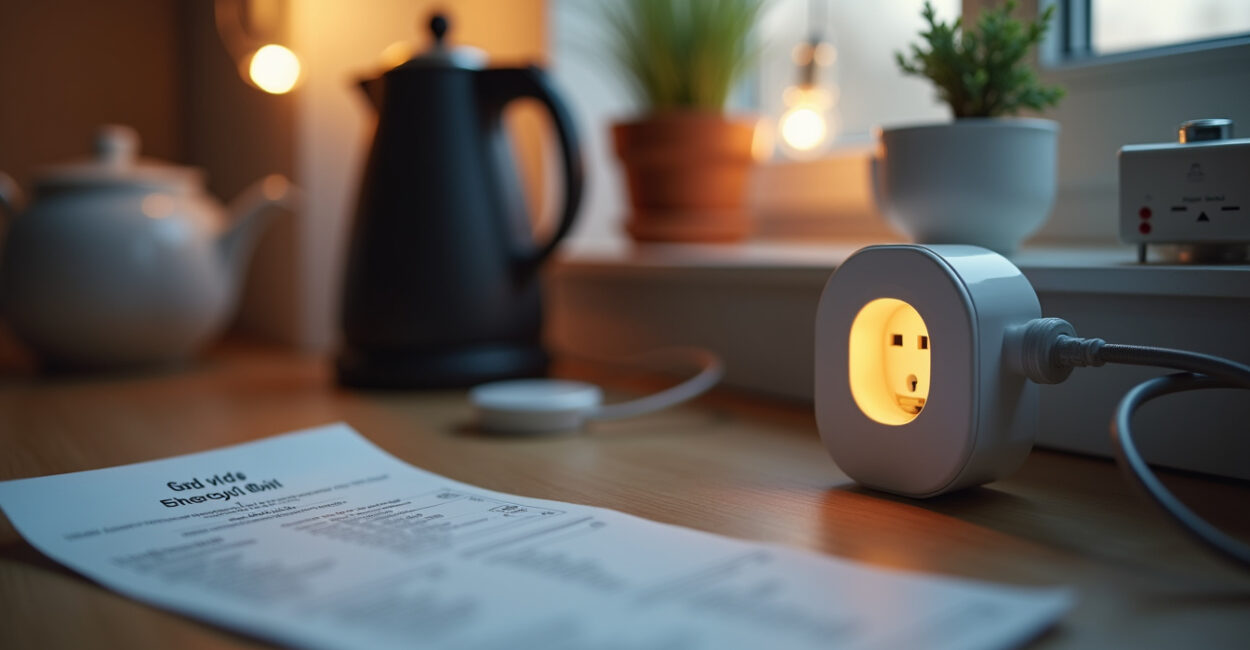
Some smart plugs save pennies. Others quietly pay for themselves.
Before You Buy a Smart Plug: 7 Specs That Affect Your Savings
The difference usually isn’t the sticker price. It’s the smart plug specs that affect energy savings: watt limit, app control, timers, and whether the plug can actually shut things off when you forget.
If you’ve ever bought one on impulse and later wondered why the bill barely changed, you’re not alone. The cheap one may have connected fine, but that doesn’t mean it was built to save money in the ways that matter.
Here’s the part most buyers miss: the best savings come from matching the plug’s features to the device you’re controlling, not from buying the fanciest box on the shelf.
1) Watt Limit: The Spec That Can Save You Money or Waste Your Purchase
The watt limit is the maximum load the plug can safely handle. In plain English: it tells you how much power can flow through it before you’re asking for trouble. This is one of the most important smart plug specs that affect energy savings because a plug that can’t support your appliance is useless for the job.
If you’re using it for a lamp, router, or charger, most models are fine. But for a space heater, portable AC, or anything with a high startup surge, you need to check the rating carefully. A plug that cuts out or runs hot is not “efficient”; it’s a weak link.
The cheapest plug is expensive if it can’t safely control the device you actually want to automate.
2) Real App Control Beats Manual Convenience
App control sounds like a gimmick until you use it to catch the waste you normally ignore. A plug with a solid app lets you turn devices off when you’re away, group multiple outlets, and check status from your phone. That’s where the savings show up: fewer “oops, I left it on” moments.
But not every app is equal. Some are clunky, slow, or require too many taps. If you have to fight the interface, you stop using it. And if you stop using it, the savings disappear.
In practice, the smartest smart plug specs that affect energy savings are the ones you’ll actually use every day. Convenience is not decoration; it’s the feature that keeps the plug from becoming dead weight.

3) Timers and Schedules Are Where the Quiet Savings Happen
Timers are the most underrated feature on the list. A schedule can shut off a lamp at sunrise, turn off a humidifier after midnight, or cycle a coffee maker so it doesn’t sit warm all morning. That matters because the biggest waste is often not a single giant spike. It’s the steady, invisible trickle.
Here’s the comparison that surprises people: a basic plug that only turns on and off manually may look cheaper, but a timer-enabled plug can save more over a year because it removes human forgetfulness from the equation.
Automation saves money when your habits are the problem.
4) Energy Monitoring Shows You What’s Actually Draining Power
If you want to move from guessing to knowing, energy monitoring is the spec to look for. A plug with consumption tracking shows watts, kilowatt-hours, and sometimes daily or monthly trends. That turns vague suspicion into a real decision.
For example, a “small” device that runs 24/7 can cost more than a larger item that runs only occasionally. This is where a smart plug stops being a convenience tool and becomes a diagnostic tool. You see what’s worth automating, and you see what’s not.
According to the U.S. Department of Energy’s Energy Saver guidance, standby and always-on loads can add up over time. A monitoring plug helps you spot those loads before they become silent bill creep.
5) Standby Power Matters More Than Most People Think
Standby power is the electricity a device uses even when it looks “off.” Think TVs, speakers, game consoles, coffee machines, and some office gear. A smart plug helps when the device doesn’t need standby power overnight or during long stretches of inactivity.
This is one of the most practical smart plug specs that affect energy savings because it targets waste at the source. If the device is rarely used, the plug can eliminate hours of idle draw. If it must stay on for updates or connectivity, the savings shrink fast.
That’s the trust part: this method works well for devices with true idle waste, but it fails when you need the equipment ready at all times.
6) Connectivity Quality Decides Whether Automation Sticks
Wi-Fi-only, Bluetooth, Zigbee, and Thread all change how reliable the plug feels in the real world. If the connection is flaky, schedules miss, remote control lags, and the whole point starts to unravel. Energy savings depend on consistency more than novelty.
For a home with weak Wi-Fi in certain rooms, a plug that supports a stronger mesh-based setup may outperform a cheaper Wi-Fi-only unit. That doesn’t sound glamorous, but it prevents the kind of missed shutoff that quietly costs money.
Who works with these systems every day knows this: a reliable connection is a savings feature, not just a tech feature.
7) Safety Certifications Protect the Savings You Already Made
Safety certifications don’t reduce your bill directly, but they protect the purchase. Look for recognized marks and compliance from trusted testing bodies. If the plug overheats, fails early, or damages an appliance, any energy savings vanish in one ugly moment.
There’s also a practical angle: certified products are more likely to be built to consistent standards, which usually means better durability. And durability matters because a plug you replace every year is not a smart buy.
For a broader consumer-safety perspective, the U.S. Consumer Product Safety Commission explains why electrical products should be selected with proper safety labeling and use in mind.
In other words: savings are only savings if the plug lasts long enough to earn them.
What to Avoid When Shopping for a Smart Plug
Three mistakes waste the most money. First, buying a low-watt plug for a high-draw appliance. Second, choosing an app you won’t tolerate using. Third, ignoring timers and monitoring because they sound optional. They are not optional if your goal is lower energy use.
- Don’t overpay for features you’ll never open.
- Don’t underbuy on watt capacity.
- Don’t assume all automation saves the same amount.
- Don’t skip energy monitoring if you want proof, not hope.
That’s the real pattern: the best smart plug specs that affect energy savings are the ones that make waste visible, easy to control, and hard to ignore.
How to Choose the Right Plug for Your Home
Start with the device, not the product page. Ask what you’re controlling, how often it runs, and whether it wastes power when left alone. Then match the plug to that job. A lamp needs reliability. A heater needs a higher watt rating. A media corner benefits from schedules and monitoring.
In 2026, the market is crowded enough that price alone tells you very little. Two plugs can look identical and behave very differently once they’re in your wall. That’s why the specs matter more than the box.
Pick the plug that makes your habits easier to fix. That is where the money hides.
If you buy only on price, you may save $10 today and lose the real savings later. But if you buy for the right specs, the plug can become one of the rare gadgets that quietly pays you back every month.
FAQ
Do Smart Plugs Really Save Money on Electricity?
Yes, but only when they control devices that actually waste power. The biggest gains usually come from cutting standby draw, automating schedules, and shutting off equipment you forget about. A smart plug won’t transform every appliance, and it won’t help much if the connected device already uses very little energy. The savings are real, but they are selective.
Is Energy Monitoring Worth Paying Extra For?
Usually, yes, if you want to know where your power is going. Monitoring turns guesswork into data, which helps you identify the devices worth automating. If you only need a simple on/off schedule for a lamp, you may not need it. But if you want the plug to help you make smarter decisions, it’s one of the most valuable features.
What Watt Limit Should I Look For?
It depends on the appliance. Small electronics and lamps are easy loads, while heaters, microwaves, and some kitchen devices can push a plug too hard. Always check the device label and choose a plug with a comfortable safety margin. If the load is borderline, don’t force it—pick a model designed for heavier use or avoid plugging that device in altogether.
Do Timers Save More Than App Control?
For most households, yes. Timers save money because they run even when you forget. App control is useful, but it depends on you remembering to use it. The strongest setup is usually both: app access for flexibility and timers for the habits you want to automate. That combination covers both convenience and consistency.
Which Devices Are Best for a Smart Plug?
The best candidates are low- to medium-power devices with predictable schedules: lamps, fans, routers, coffee makers, speakers, and some entertainment gear. Devices that need to stay on continuously, or that have high startup loads, are less suitable. The rule is simple: if the plug helps you remove waste without disrupting the device’s purpose, it’s a good fit.