Skip to content

They never saw the spike coming: one week the electric bill was normal, the next it was 30% higher. That’s the moment energy tracking became less of a curiosity and more like a magnifying glass for a household’s invisible leaks. Energy tracking isn’t some future-facing gadget hype — it’s the practical routine that reveals where your kilowatts leak, and how small changes can shave serious dollars off your monthly bill in weeks.
Start with a Baseline That Actually Tells the Truth
Most people guess their baseline by eyeballing last month’s bill. That’s misleading. Your first job is to measure real usage over a short, controlled period — ideally 7–14 days — so you can spot anomalies instead of guessing. Record total daily kWh, note occupancy patterns, and mark any unusual events (guests, weather extremes, remote work days). This baseline becomes your north star: every tactic you try after should be compared to it, not to a vague memory of “usually.”
The Quick Audit: Appliance-level Checks Anyone Can Do Today
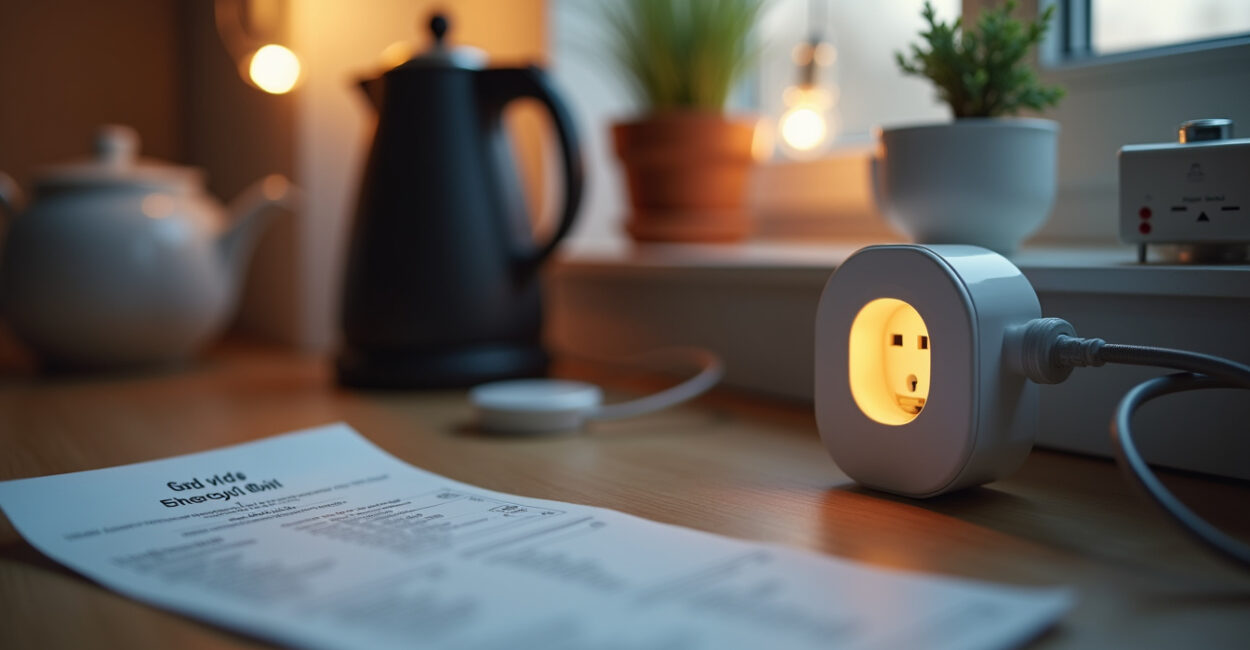
You don’t need a technician to find the obvious drains. Unplug or switch off a single major appliance for a day and watch the meter. Do this one by one: HVAC, water heater, dryer, refrigerator, and entertainment centers. Within a week you’ll see which devices move the needle. Simple tools help: a plug-in monitor shows watts consumed; smart plugs can schedule and measure. This is appliance-level forensics — and it’s where the fastest bill drops come from.

The Smart-device Trick That Pays for Itself
Installing a whole-home energy monitor is the fast lane: these devices show real-time load, historical trends, and sometimes even appliance-level guesses. For about the price of one month’s wasted energy, you can have continuous insight. Compare that to the old expectation: waiting until a three-month bill arrives and reacting. The reality: actionable data now vs. hindsight later. If you want a tool that points to savings within days, a monitor often pays back in the first season.
Small Behavioral Pivots That Add Up Fast
Behavior change doesn’t need to be dramatic. Shifting laundry to cooler cycles, staggering oven and dishwasher use, or turning off standby devices can cut consumption noticeably. Try a three-day experiment: pick three high-use habits, alter them, and compare to baseline. You’ll often see a measurable drop within a billing cycle. These are low-friction wins — they don’t cost money, just attention — and they build momentum for bigger upgrades.

The Mistakes People Make — And How to Avoid Them
Most common errors are avoidable. Here’s what to stop doing:
- Relying on bill totals alone instead of short-term baselines.
- Buying gadgets without measuring first.
- Assuming old appliances are the only culprits — sometimes wiring or phantom loads matter more.
- Neglecting seasonal patterns: HVAC dominates in extremes.
Avoid these and your efforts will target real waste, not symptoms.
When to Invest in Upgrades — ROI That Actually Makes Sense
Not every upgrade gives a fast return. Prioritize: insulation, efficient HVAC, and replacing fridges older than 10–15 years usually top the list. Use your baseline and appliance audit to model payback: if a new heat pump reduces annual HVAC costs by 25% and pays back in 5–7 years, that’s a reasonable investment for many. For smaller items, smart thermostats and LED retrofits often return value within months to a couple of years.
A Simple Plan to Cut Your Bill Within Weeks
Here’s a 3-step, two-week plan that often yields measurable savings:
- Week 1: Baseline — record daily kWh, run appliance-level checks, and install a plug monitor or whole-home sensor.
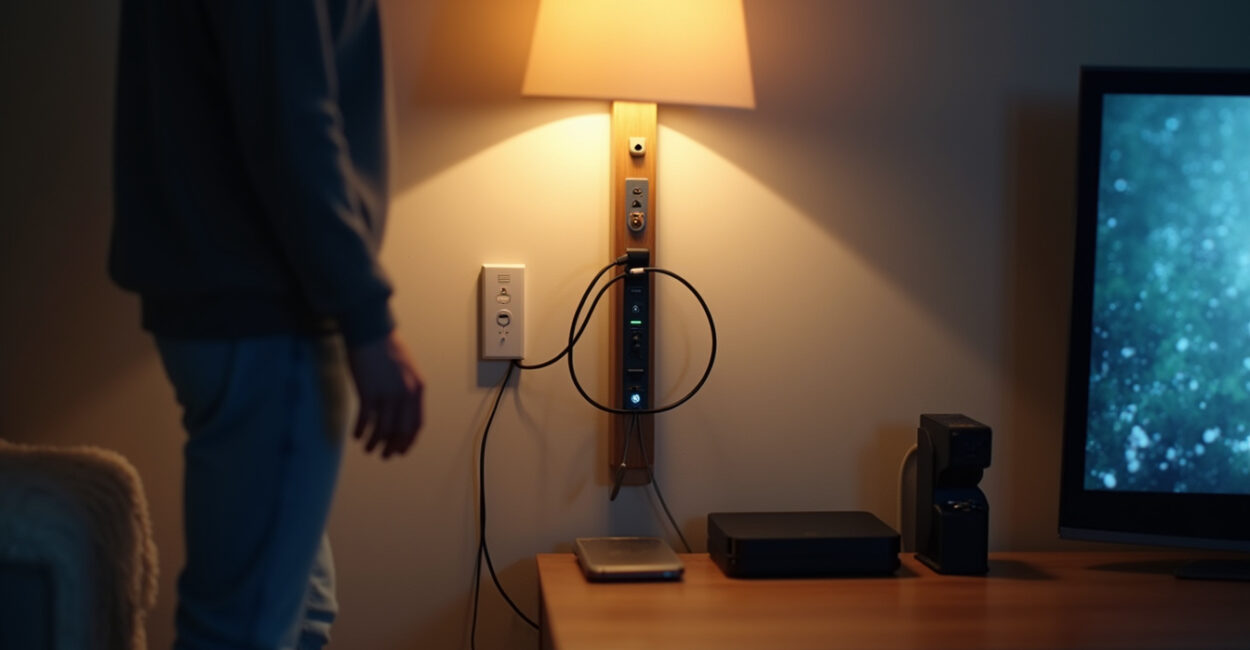
- Week 2: Act — implement low-cost behavioral tweaks, schedule high-draw tasks off-peak, and eliminate phantom loads.
- Compare week-to-week against your baseline and iterate. Small, focused changes now create momentum and visible bill drops fast.
One neighbor I know found a forgotten electric space heater running in the garage — shutting it off cut 12% off his next bill. That’s the kind of practical discovery energy tracking delivers.
For deeper data and official guidance, check resources like the U.S. Department of Energy’s efficiency tips and studies from leading universities that analyze residential load profiles. Energy Saver (DOE) and research from institutions such as Lawrence Berkeley National Laboratory are solid places to learn more about appliance impacts and monitoring technologies.
If you want one takeaway: start measuring immediately. Measurement turns vague worry into clear action, and action is what cuts bills. Try the two-week plan, and you’ll either save money or learn exactly where your next investment should go.
What is Energy Tracking and Why Should I Start Now?
Energy tracking is the practice of measuring your electricity usage in granular ways — daily totals, by appliance, or in real time — so you can identify waste and target savings. Starting now gives you a baseline before seasonal shifts and lets you catch hidden drains early. It’s like having a health check for your home: small, early fixes compound into lower bills and fewer surprises. Within weeks you’ll have actionable data rather than guesses, which is the whole point.
How Do I Measure Appliance-level Energy Without Hiring a Pro?
Begin with inexpensive tools: plug-in power meters and smart plugs for individual devices, and a whole-home monitor if you want continuous insight. The simplest method is the “turn-off test”: switch off one appliance for 24 hours and note meter changes versus baseline. Smart plugs often provide watt-hours and schedules. These DIY approaches won’t replace detailed audits but are enough to identify the biggest offenders and guide immediate savings.
Will a Whole-home Energy Monitor Really Show Appliance-level Use?
Some advanced whole-home monitors use pattern recognition to infer appliance signatures from the overall load and can approximate device-level usage. Accuracy varies by model and home complexity. If you need precise measurements, combine a whole-home monitor with a few plug-in meters on suspect appliances. The combined approach balances convenience and accuracy: continuous whole-home trends plus exact device readings where it matters most.
Which Changes Produce the Fastest Reductions in My Electric Bill?
The fastest wins are eliminating phantom loads, adjusting HVAC settings, and shifting high-energy tasks out of peak hours. Unplugging unused chargers, turning off idle entertainment systems, and running laundry on cool cycles are low-cost, immediate actions. Appliance swaps (old fridge, inefficient dryer) take longer but are high-impact. Energy tracking helps you discover which of these moves will actually move your needle rather than relying on general advice.
How Long Until I See Measurable Bill Drops After Starting Energy Tracking?
You can often see measurable reductions within one billing cycle — sometimes within days if you identify a major drain. The realistic timeline: simple behavioral changes and unplugging phantom loads can show results in a week or two; appliance replacements and insulation upgrades usually reflect in bills over months. Tracking lets you quantify changes quickly so you know what’s working and what requires bigger investments.