Skip to content

Blank walls make a small room feel unfinished, but the wrong decor can make it feel tighter. The smartest affordable wall decor ideas for small rooms do two jobs at once: they add personality and they visually lighten the space. That usually means choosing pieces that create height, depth, or reflection instead of heavy visual clutter.
The best part is that you do not need custom framing, expensive art, or a full redesign. A few well-placed prints, a mirror, a slim shelf, or a simple DIY wall treatment can change how a room feels within an afternoon. In practice, the trick is less about filling every empty spot and more about choosing wall decor that earns its place.
What You Need to Know
- In small rooms, wall decor works best when it creates either vertical movement, reflected light, or one clear focal point.
- Oversized clutter is the real enemy; a single larger piece often looks calmer than five small items crowded together.
- Affordable options like thrifted frames, peel-and-stick art, and floating shelves can look elevated if you keep spacing intentional.
- Mirrors are useful, but only when they reflect light or a clean view; a mirror that bounces clutter back at you makes the room feel busier.
- The strongest small-room wall setups usually combine one anchor piece, one supporting texture, and a bit of negative space.
Affordable Wall Decor Ideas for Small Rooms That Create Space Without Clutter
When people decorate a compact room, they often make one of two mistakes: they go too tiny, or they try to cover every inch. The definition of effective wall decor in a small room is simple: it is any wall element that improves proportion, light, or visual rhythm without adding bulk. In everyday terms, that means your walls should help the room breathe, not fight for attention.
Start with One Visual Anchor
A strong anchor can be a framed print, a textile, a mirror, or even a gallery-style arrangement. The goal is to give the eye a place to rest. If the room is narrow, place the anchor slightly above eye level to pull attention upward. That makes the ceiling feel higher and keeps the room from feeling squat.
Use Negative Space on Purpose
Negative space is not wasted space. It is the empty area that lets decor feel intentional instead of messy. A wall with one framed piece and plenty of breathing room often looks more polished than a full cluster of small objects. This is where a lot of budget decor wins: restraint costs nothing, and it usually looks better.
In small rooms, the cheapest decor choice is often not the item itself but the decision to leave part of the wall empty.
Prints, Posters, and Framed Art That Look More Expensive Than They Are
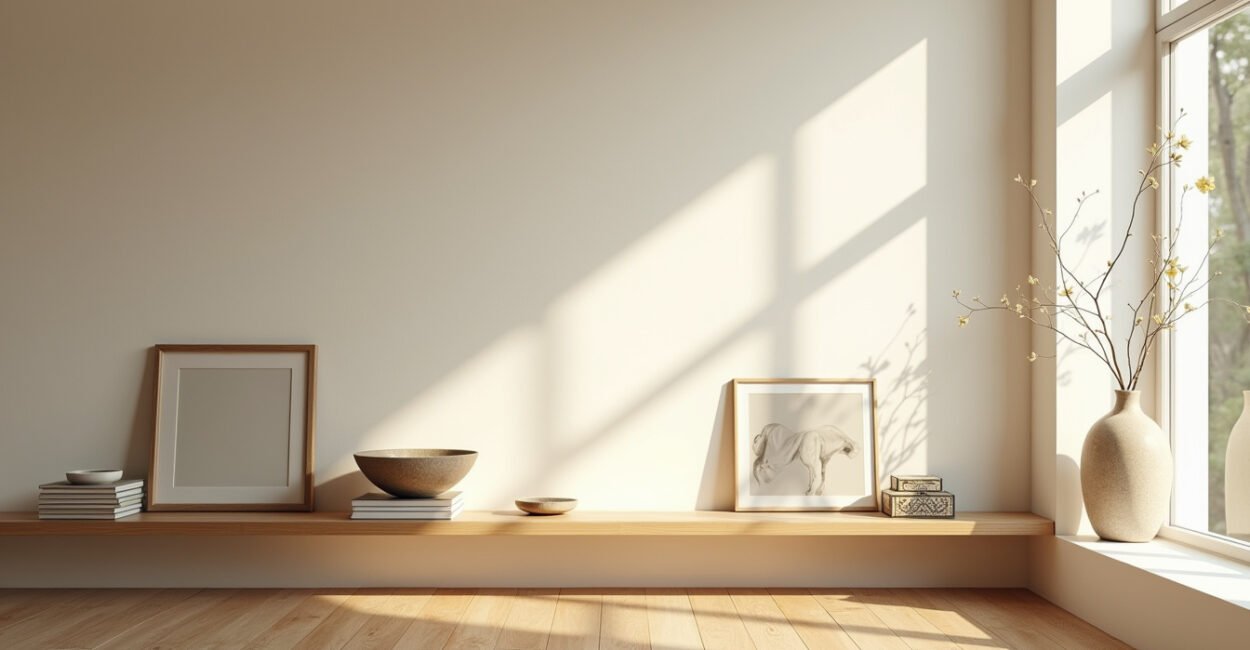
Art is one of the easiest places to save money because the frame and presentation matter almost as much as the image. A basic print can look high-end if you use a clean mat, a simple frame, and consistent sizing. Online marketplaces, museum gift shops, and public-domain image archives offer plenty of low-cost options without making the room feel generic.
Choose a Cohesive Visual Mood
Pick one lane: black-and-white photography, abstract shapes, vintage botanical sketches, or typography. Mixing too many styles can make a small room feel visually noisy. I have seen rooms where the artwork itself was fine, but the random mix of colors and frame finishes made the wall look smaller. Consistency is what makes inexpensive art read as intentional.
Keep the Scale Honest
For small rooms, one medium or large piece usually beats a cluster of tiny frames. Tiny frames tend to fragment the wall and make it feel busier. If you do use multiple pieces, repeat the same frame color and leave even spacing. A simple 2×2 or 1×3 layout can look clean without feeling stiff.
For affordable print sources, it helps to check trusted public collections and open-license archives. The Metropolitan Museum of Art collection and Smithsonian digital resources both offer inspiration that works well for budget framing projects.

Mirrors and Light Tricks That Make Compact Walls Feel Larger
Mirrors are not magic, but they are one of the few wall decor pieces that can genuinely change how a room reads. The technical reason is straightforward: mirrors increase perceived depth by reflecting light and extending sightlines. In a small bedroom, hallway, or studio corner, that matters more than decorative style alone.
Put the Mirror Where It Reflects Something Good
That means a window, a lamp, or a tidy portion of the room. If a mirror reflects a TV, stacked laundry, or a dark corner, it can make the room feel more chaotic instead of larger. A round mirror softens hard edges, while a rectangular mirror reinforces height and works well above a console or dresser.
Choose the Frame Carefully
A thin wood frame feels warmer. A slim metal frame feels lighter. A heavy ornate frame can work, but it usually suits a room with enough character already. For very compact spaces, the frame should support the reflection rather than compete with it.
A mirror expands a small room only when it reflects brightness, order, or open space; otherwise it just doubles what is already there.
Floating Shelves, Ledges, and Storage Wall Decor That Pull Double Duty
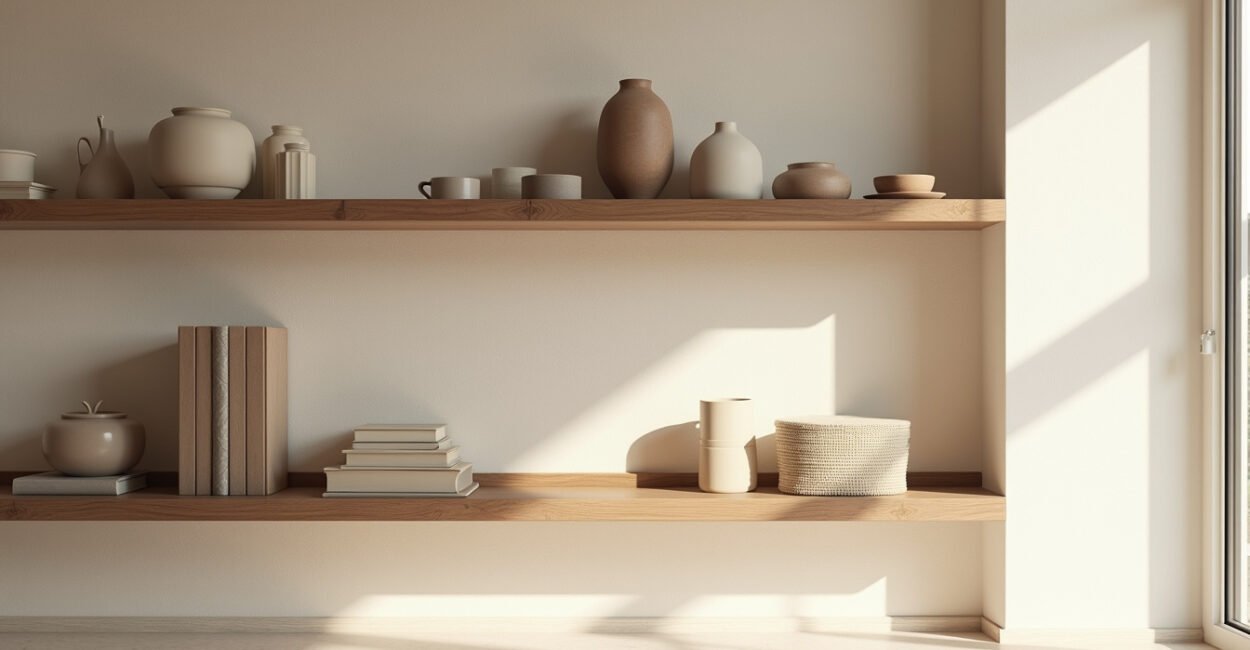
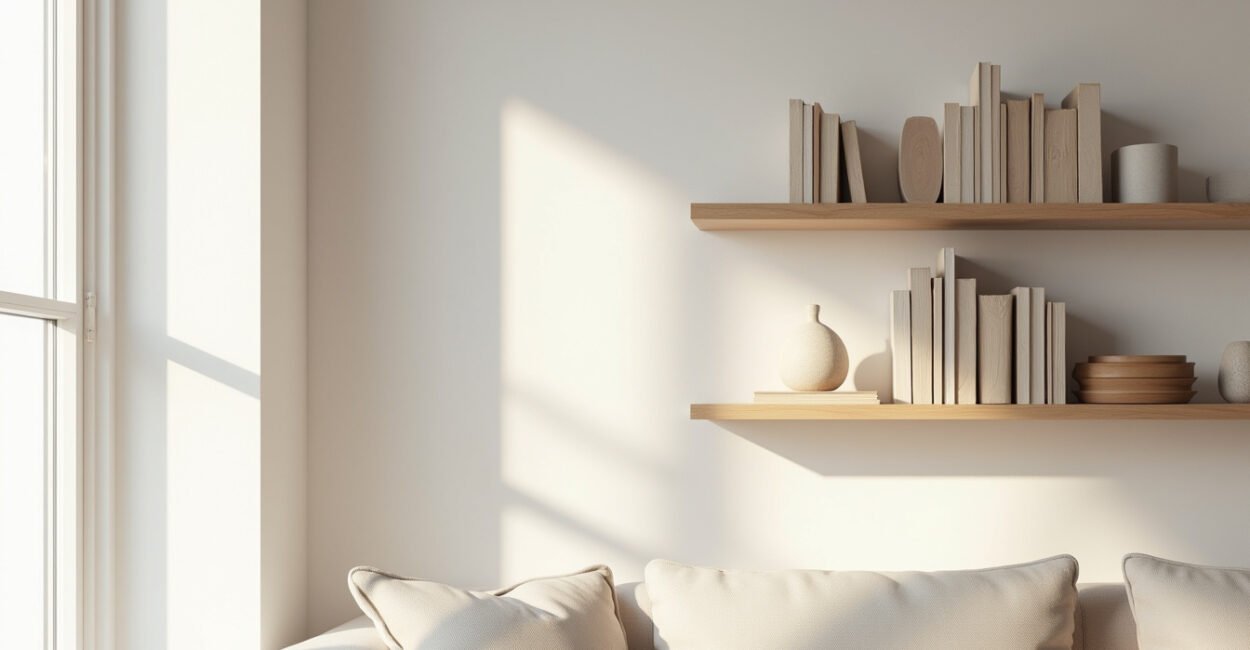
Floating shelves are one of the most practical wall decor upgrades because they add display space without taking up floor area. In a small room, that matters. A 24-inch ledge with a few objects can replace a bulky side table or a cluster of random items that would otherwise sit on the floor or dresser.
Style the Shelf Like a Small Still Life
Use three to five objects at most: a framed photo, a small plant, a candle, a book stack, or a ceramic piece. The shelf should not become a dumping ground. People often overfill it because it feels like “free” space, but the visual weight adds up fast.
Favor Slim Profiles and Light Materials
Look for narrow pine shelves, light oak finishes, or painted MDF if you are keeping costs down. Clear acrylic shelves can work in some rooms because they visually recede, though they are not for every style. If you need storage plus style, choose shelves with hidden brackets so the wall reads cleaner.
| Wall Piece | Best Use in Small Rooms | Why It Works |
|---|---|---|
| Mirror | Opposite a window or lamp | Boosts light and depth |
| Floating shelf | Over a desk, bed, or sofa | Adds display space without floor clutter |
| Single large print | Above a focal piece of furniture | Creates calm, clear proportion |
| Gallery wall | Blank corridor or reading nook | Works when spacing is disciplined |
DIY Wall Decor on a Budget That Still Looks Intentional
DIY works best when it looks designed, not improvised. That means clean edges, repeatable color, and a clear concept. Some of the most effective budget wall upgrades come from painter’s tape, leftover fabric, thrifted frames, or printable artwork. The point is not to fake luxury; it is to create a finished look for very little money.
Try a Fabric Panel or Textile Hang
A stretched textile, scarf, or small tapestry can add softness to a room that has too many hard surfaces. This is especially useful in bedrooms and dorm rooms. The surface texture brings warmth, and the wall instantly feels less flat. Just keep the pattern scale appropriate, because loud oversized prints can overwhelm a compact wall.
Use Paint for a Partial Wall Effect
A painted arch, color block, or vertical stripe can work like decor without needing an object at all. These treatments are affordable and renter-friendly only if your lease allows it or you use removable materials. A single painted shape behind a bed or desk can define the space better than multiple little accessories.
One renter I saw in a 9-by-11-foot bedroom used a thrifted frame, leftover matte paint, and one linen panel to transform a blank wall into a focal point. The total cost was under $40. The room did not look styled because it was packed; it looked styled because each piece had a reason to be there.
Gallery Walls That Work in Tight Spaces Instead of Fighting Them
Gallery walls can absolutely work in small rooms, but they need discipline. A chaotic gallery wall makes a compact room feel even smaller. The formal rule is balance: keep a consistent visual thread through frame color, subject matter, or spacing. The common-sense version is simple—if it looks like you ran out of wall somewhere halfway through, start over.
Build Around a Spine, Not Random Pieces
A vertical or horizontal center line helps the arrangement feel organized. From there, add pieces evenly around it. Using all black frames, all wood frames, or a single palette creates visual order fast. If every print is a different size and color, the room pays the price.
Leave Room to Grow
Do not try to finish the gallery wall in one shopping trip. Leave space for one or two future pieces so the wall can evolve. That approach is cheaper too, because you can build the arrangement over time with thrifted finds, downloadable art, or family photos.
For safe wall mounting, especially in rentals or older homes, it helps to follow guidance from the U.S. Consumer Product Safety Commission on secure installation and anchor use. A pretty wall is not worth a falling frame.
How to Choose the Right Piece for Each Small Room
Not every wall decor idea fits every room. Bedrooms usually need calm, hallways can handle repetition, and living rooms can support a bolder focal point. The best choice depends on what the room already lacks: light, structure, softness, or personality. If you match the decor to the room’s problem, the result feels smarter and more expensive than the budget suggests.
Bedroom
Choose calming prints, soft textures, or a mirror that reflects daylight. Avoid overly busy gallery walls above the bed unless the rest of the room is very simple. A single framed piece above the headboard usually feels more restful.
Living Room
This room can handle more contrast. A larger print or a layered shelf setup works well if the furniture is low-profile. If the room is already full of sofas, lamps, and side tables, keep the wall decor quiet and architectural.
Entryway or Hallway
Narrow spaces benefit from repetition and vertical lines. A trio of small frames, a long mirror, or a slim ledge can guide the eye forward. For these rooms, less really is more.
What Actually Makes Budget Wall Decor Look High-End
The biggest difference between cheap-looking and polished wall decor is not price. It is editing. High-end rooms usually rely on proportion, repetition, and restraint. The finish quality matters, of course, but even inexpensive decor can look thoughtful if it is spaced well and repeated with purpose. That is why the best affordable wall decor ideas for small rooms focus on composition before shopping.
There is one honest limit here: some walls simply need more than decor. If the paint is damaged, the lighting is poor, or the furniture is oversized, no print or mirror will fully fix the room. That is where some specialists disagree—one camp wants to decorate first, another wants to repair the envelope first. In small rooms, I side with the second approach because the wall can only do so much if the rest of the room is working against it.
Use This Order of Operations
- Fix obvious wall damage or uneven paint first.
- Decide whether the room needs light, height, softness, or structure.
- Pick one anchor piece before adding anything else.
- Repeat one material, color, or frame style for cohesion.
- Step back and remove one item if the wall feels crowded.
Próximos Passos
Start with the wall that bothers you most and solve one problem only. If the room feels dark, use a mirror or lighter art. If it feels unfinished, use one large print or a slim shelf. If it feels flat, add texture through fabric or layered frames. The fastest win is usually the one that changes proportion, not the one that adds the most objects.
Choose one idea, test it in the room for a week, and then adjust spacing before buying anything else. That single habit separates thoughtful decorating from impulse buying. For a small room, the smartest move is to edit hard, buy slowly, and let the wall breathe.
FAQ
What is the Cheapest Way to Decorate a Small Wall?
The cheapest option is usually a printable art download in a simple frame, or even one thrifted frame paired with a public-domain image. A small mirror can also work well because it serves a visual purpose beyond decoration. If you already own a lamp or plant, placing it near the wall can help the decor feel complete without adding much cost. The key is to avoid buying multiple tiny items just to fill space.
Do Mirrors Really Make Small Rooms Look Bigger?
Yes, but only when you place them with intention. A mirror works best when it reflects daylight, an attractive wall, or a clean part of the room. If it reflects clutter, it can make the room feel busier instead of larger. The frame matters too, because a bulky frame can overpower a tight space. In most small rooms, one mirror is enough.
How Many Pieces Should Be on a Small Room Wall?
There is no fixed number, but one large piece often works better than several small ones. If you use a group of pieces, keep the spacing even and the style consistent. A gallery wall can work, but it needs a clear structure and enough breathing room. When a wall starts to feel visually crowded from across the room, you have gone too far.
Are Floating Shelves a Good Idea in Compact Rooms?
Yes, because they add display space without taking up floor area. They work especially well above desks, dressers, and beds. The mistake people make is treating them like extra storage for everything they cannot place elsewhere. Keep the number of objects low, and the shelf will read as decor instead of clutter. Slim shelves with hidden brackets usually look the cleanest.
What Wall Decor Style Works Best in a Rental?
Renter-friendly wall decor usually includes removable hooks, lightweight frames, peel-and-stick art, and small shelves that do not require major drilling. A fabric hang, large poster, or lean-to mirror can also work well. The safest approach is to choose pieces that are easy to remove and do not damage the wall surface. If your lease is strict, check what it allows before mounting anything heavy.