Skip to content

Perfectly clipped turf looks neat, but it is not the only way to make a suburban yard feel finished. The best organic lawn care alternatives for suburban yards replace high-input grass with plants and ground layers that fit real conditions: sun, shade, foot traffic, drainage, and the amount of work you actually want to do.
If you are trying to cut mowing, reduce fertilizer use, support pollinators, or make a front yard look intentional without turning it into a jungle, the right answer is rarely “no grass at all.” It is usually a smarter mix: clover where you want softness, native ground cover where shade wins, low-mow grass where you still need some lawn feel, and tougher planting around paths and play areas.
In a Nutshell
- The best lawn alternative depends more on sun, traffic, and drainage than on appearance alone.
- Clover lawns work well for low-input, soft, walkable areas, but they are not the toughest choice for heavy play.
- Native ground covers are often the best shade ground cover because they handle tree cover better than standard turf.
- Low-mow grasses and meadow-style mixes give suburban yards a softer look without forcing a full lawn replacement.
- A successful eco-friendly lawn replacement is usually partial, phased, and matched to each zone of the yard.
Best Organic Lawn Care Alternatives for Suburban Yards: Quick Comparison and Which One Fits You
The best organic lawn care alternative for a suburban yard is the one that matches your site conditions and your maintenance budget, not the one that looks best in a catalog. If you need a fast answer: choose clover for soft, low-input areas; native ground cover for shade and slopes; low-mow grass for a familiar lawn feel with less work; and mixed plantings for front yards that need curb appeal and resilience.
| Option | Best for | Traffic tolerance | Water needs | Look |
|---|---|---|---|---|
| Clover lawn | Sunny to partial shade, low-input yards | Moderate | Low to moderate | Soft, green, informal |
| Native ground cover | Shade, slopes, hard-to-mow areas | Low to moderate | Low once established | Natural, layered, varied |
| Low-mow grass | Families who still want a lawn feel | Moderate to high | Moderate | Traditional, cleaner edges |
| Meadow-style mix | Larger edges, back corners, visual softness | Low | Low to moderate | Loose, pollinator-friendly |
In practical terms, you do not need to replace every square foot. Many suburban yards work better as a hybrid: a small durable lawn or low-mow grass where kids and pets run, clover near the side yard, and native ground cover under trees. That approach also tends to satisfy curb appeal better than an all-or-nothing redesign.
The difference between a successful lawn alternative and a patchy experiment is site matching: sun, foot traffic, and drainage matter more than the label on the seed mix.
If you are planning a front-yard change, the comparison in native grass lawns versus ground covers is a useful next step because it clarifies where each approach wins visually and functionally.
Clover Lawns: Benefits, Drawbacks, and Best Conditions
A clover lawn is a turf substitute dominated by white clover, microclover, or a grass-clover blend. It stays greener with less nitrogen fertilizer, usually needs less mowing than conventional turf, and can handle light to moderate foot traffic. That makes it one of the most popular low-maintenance lawn alternatives for suburban yards.
Why Clover Works So Well
Clover fixes nitrogen, which means it helps feed itself and nearby grass. It also fills in thin spots faster than many turf grasses, so the yard can look full with less fertilizer input. For homeowners who want a softer, pollinator-friendly lawn, clover offers a visible shift without the dramatic look of a full meadow.
Where Clover Falls Short
Clover is not a miracle plant. It can struggle in prolonged drought, may brown during heat waves, and is less durable than a dense turf blend when kids and dogs use the same path every day. It also does not always satisfy every HOA, so a small test patch is worth the effort before you convert the whole front yard.
Who works with this stuff knows the pattern: people often love clover in spring and early summer, then worry when the yard looks less uniform later in the season. That is normal. A clover lawn reads more like a living ground layer than a manicured golf green, and that tradeoff should be accepted up front.
Clover is a lawn substitute, not a lawn clone, and it succeeds when the homeowner wants softer upkeep more than flawless uniformity.
For homeowners thinking about low-input planting around other hardscape changes, the drainage logic used in gravel patio drainage solutions applies here too: water behavior matters as much as plant choice.

Native Ground Covers and Creeping Plants for Sun, Shade, and Slope
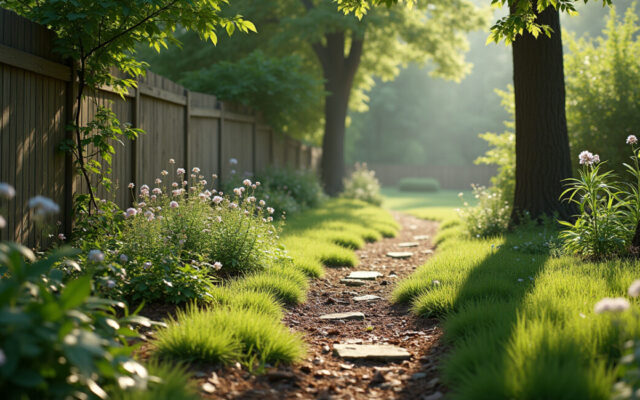
Native ground cover is often the best answer for difficult zones because it spreads, shades out weeds, and usually asks for less irrigation once established. In suburban yards, it is especially useful under mature trees, along fences, on banks, and in areas where mowing is awkward or unsafe.
Best Uses for Ground Cover
- Shade under trees: Where turf thins out from root competition and low light.
- Slopes and edges: Where erosion or mower access is a problem.
- Narrow side yards: Where a mower deck is more hassle than help.
- Front-yard accents: Where a layered look feels intentional and refined.
Good Candidates to Consider
Depending on your region, options can include creeping thyme, wild ginger, phlox subulata, sedum, barren strawberry, sedges, and other locally adapted species. The key is not picking a trendy plant; it is matching growth habit to light and soil. A shade ground cover that loves woodland conditions will usually fail in hot reflected sun, and a drought-tolerant ground cover may look sparse in deep shade.
For a visual planning mindset, the shade-focused ideas in porous patio materials for shade in compact yards can help you think about how light, texture, and drainage work together in the same space.
Mini-story: One suburban yard I saw had a crabby, bare strip under a maple where grass never survived past June. The homeowner kept reseeding it every fall, then wondered why it failed again. Switching that strip to native sedge and a low stone edge solved the problem in one season. The area stopped looking “unfinished” and started looking planned.
Low-Mow Grass Options and Meadow-Style Mixes for a Softer Transition
Low-mow grass is a practical middle ground for homeowners who want a lawn-like surface without the constant weekly cut. Fine fescue blends, some native warm-season grasses, and region-appropriate mixes can reduce mowing frequency while keeping the yard visually familiar. This is often the easiest eco-friendly lawn replacement for people who are not ready to abandon grass entirely.
When Low-Mow Grass Makes Sense
Choose low-mow grass if you still need open play space, want a tidier front yard, or live in an HOA area that frowns on highly naturalized plantings. It can also work well where clover would be too informal and where full native planting would feel too dense for the property scale. The catch is that low-mow does not mean no care; it usually means less frequent mowing, selective watering, and better soil management.
Meadow-Style Mixes as a Transitional Step
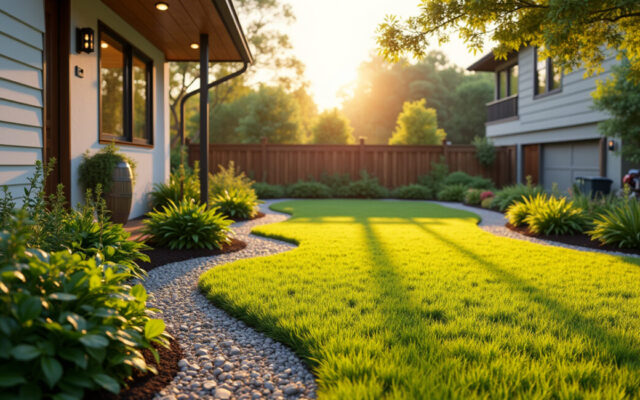
Meadow-style mixes are useful when you want a softer, pollinator-friendly lawn but do not want to jump straight to a full native landscape. They work best at yard edges, rear corners, and less-used strips. In a front yard, they need crisp borders, or they can look accidental very fast. That is where permeable edging and clear geometry help the design feel intentional.
If your project includes a hardscape transition, the layout tips in permeable paver patio layouts for small backyard spaces are useful because they show how to keep a relaxed landscape from looking messy.
How to Choose Based on Traffic, Sunlight, Drainage, and Maintenance Goals
The right decision comes from four questions: how much sun does the area get, how often will people or pets cross it, how quickly does water drain, and how much time do you want to spend maintaining it? Answer those first, and the choice gets much easier.
A Simple Decision Framework
- Full sun, light traffic: Clover lawn or low-mow grass.
- Part shade, moderate traffic: Clover blend or tough low-mow grass.
- Deep shade or tree root zones: Native ground cover or sedges.
- Slopes and awkward corners: Creeping ground covers and mulch islands.
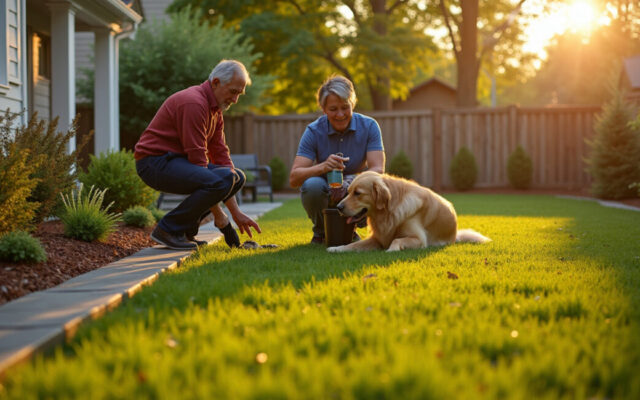
- Kids and dogs running daily: Keep a smaller durable lawn zone.
The hard truth is that no single lawn alternative handles every suburban use case well. If a yard gets soccer practice, dog zoomies, and winter salt, the most realistic move is a mixed design. That means reserving one compact grassy area and converting the rest to lower-input layers that can actually thrive.
A yard that is used hard should not be designed like a display garden; the highest-performing organic landscapes divide jobs instead of asking one plant to do everything.
For more on defining spaces cleanly, the approach in permeable patio edging ideas for small outdoor zones translates well to lawn alternative borders, especially in front yards where neat edges matter.
How to Convert Part of a Suburban Lawn to a Low-Input, Organic Landscape
Start by converting a small section first, not the whole yard. Remove the weakest turf area, test the soil, fix drainage issues, and install the replacement plant in the right season for your region. That staged approach lowers risk and gives you a chance to see how the new system behaves before you commit to the full space.
The Cleanest Conversion Path
- Map the yard into sun, partial shade, and deep shade zones.
- Choose one zone with a clear problem, such as patchy shade or a dry edge.
- Kill or remove the existing turf using the least disruptive method allowed in your area.
- Improve soil only as much as the chosen plant needs; overworking soil can create more settling later.
- Install seed, plugs, or transplants based on the plant type and season.
For organic yard care, the transition matters more than the label. The USDA Natural Resources Conservation Service has practical guidance on soil structure, erosion, and plant establishment that is worth following if you want the new system to last. If your site has compaction or standing water, fix that before planting; otherwise, you will be asking the new ground cover to solve a drainage problem it cannot control.
A second source worth checking is your state extension service, such as Penn State Extension, because local climate and soil recommendations can change the best choice for clover, sedges, and low-mow grass.
Care and Maintenance for Organic Lawn Alternatives Through the Seasons
Organic lawn alternatives still need care, just less of it and usually in different forms. The first year is the most important. Water deeply but not constantly, keep weeds from winning the early establishment phase, and avoid heavy foot traffic until roots have settled. After that, the job shifts from rescue mode to light stewardship.
Seasonal Maintenance That Actually Works
- Spring: Reseed sparse patches, edge cleanly, and remove winter debris.
- Summer: Water new plantings deeply during dry spells and avoid scalp mowing any remaining turf.
- Fall: Divide overgrown ground covers, topdress bare spots, and plant cool-season mixes.
- Winter: Reduce salt exposure and keep heavy traffic off frozen crowns and young plants.
There is one place where advice splits: some gardeners prefer to fertilize minimally with organic compost, while others skip feeding almost entirely once the system is established. Both can work. The deciding factor is soil quality. Rich soil often needs less intervention; thin, sandy soil may need periodic amendment to keep cover plants from stalling.
If you are layering in lighting for safer paths and better curb appeal, the ideas in solar garden path lights that make walkways safer help connect planting choices to evening usability.
Cost, Curb Appeal, and Common Mistakes to Avoid
Cost is where many homeowners get surprised. A clover seed mix may be cheaper than a full turf renovation, but site prep, edging, and irrigation changes can raise the total. Native ground cover often costs more at planting time because plugs or divisions are pricier than grass seed, but it can repay that cost with lower maintenance. The real budget question is not “What is cheapest today?” It is “What will still look good and stay manageable in three years?”
Common Mistakes
- Picking a plant because it looks good online instead of matching it to shade and soil.
- Expecting a true no-care lawn, which does not exist.
- Converting the whole yard at once instead of testing one zone first.
- Ignoring HOA rules or neighborhood expectations for front-yard landscaping.
- Skipping borders, which makes even good plantings look unfinished.
Curb appeal matters more than many organic-first guides admit. A clean edge, intentional massing, and a small patch of open space can make a low-input yard look more polished than a plain turf lawn. That is one reason the best suburban yard landscaping often blends structure and softness rather than chasing a single plant solution.
For front-yard planning, the comparison in permeable patio ideas for small yards can help you think about how borders, walkability, and visual order support the whole design.
What to Do Next
If you want the safest path, do not start by replacing the entire lawn. Start by identifying one problem zone: the shady strip under a tree, the side yard you never use, or the patch that turns to mud after rain. Then match that zone to the plant type that fits it best. That is how organic lawn care becomes practical instead of aspirational.
Your next step is to walk the yard at three different times of day, note sun and drainage, and choose one small test area to convert this season. That one decision will tell you more than ten hours of online browsing, and it will give you a real basis for expanding the design later.
Frequently Asked Questions
What is the Best Organic Alternative to Grass for a Suburban Yard?
The best choice depends on site conditions, but clover is often the easiest starting point for sunny, low-traffic areas. Native ground cover is better in shade, on slopes, and under trees. If you still want a lawn feel, low-mow grass is usually the most familiar option. Most suburban yards do best with a mix rather than a single replacement everywhere.
Is Clover Better Than Grass for a Lawn?
Clover is better than grass if your goals are lower fertilizer use, less mowing, and a softer, more pollinator-friendly surface. Grass is still better for heavy play, very dry sites, and homeowners who want a more uniform, traditional look. In practice, clover wins on simplicity and soil support, while grass wins on wear tolerance. The better choice depends on what the yard actually does.
What Lawn Alternative Works Best in Shade or Under Trees?
Native ground cover is usually the strongest choice in shade because it adapts better to low light and root competition than standard turf. Sedges, wild ginger, creeping phlox in partial shade, and region-specific woodland plants can outperform grass where trees dominate. Clover may work in partial shade, but dense shade usually reduces its performance. Under mature trees, drainage and root pressure matter as much as light.
Do Lawn Alternatives Handle Kids and Pet Traffic?
Some do, but not all equally. Clover can handle light to moderate use, especially when blended with grass, while low-mow grass usually performs better under repeated foot traffic. Native ground cover and meadow-style plantings are usually poor choices for daily running, rough play, or frequent dog paths. The most realistic suburban design keeps a smaller durable area for heavy use and uses alternatives elsewhere.
How Do You Convert a Grass Lawn to an Organic Low-maintenance Yard?
Start with a site map, not a seed packet. Identify one area with a clear problem, such as deep shade, poor drainage, or low use, then remove the turf and install a replacement that matches those conditions. Improve soil only as needed, edge the new area cleanly, and water consistently until established. Converting in phases lowers risk and makes the final yard look more intentional.