Skip to content

A living room can look completely different after a few smart changes, even if you don’t buy a single piece of furniture. A budget living room makeover without buying furniture works by shifting visual weight, improving light, adding texture, and tightening the room’s focal point so the space feels intentional instead of tired.
That matters because most living rooms do not need a total replacement. They usually need better arrangement, a stronger color story, and fewer visual distractions. In practice, the fastest wins come from what you already own: the sofa position, the rug, curtains, pillows, wall art, lamps, and even how much empty floor you leave showing.
O Que Você Precisa Saber
- A room makeover without buying furniture is a design reset, not a shopping project.
- The biggest visual changes usually come from layout, textiles, lighting, and wall focus, not from replacing large items.
- If the sofa, rug, and curtains work together, the room feels more expensive even when the pieces are old.
- Color discipline matters more than matching everything perfectly.
- The best budget updates are the ones that remove clutter before they add anything new.
Budget Living Room Makeover Without Buying Furniture: The Layout, Textiles, and Focal Point Reset
The technical version is simple: a living room makeover changes the room’s perceived proportions, circulation, and hierarchy of attention. In plain English, that means you decide what people see first, how they move through the room, and which surfaces carry the visual load. If those three things are working, the room feels upgraded even when every major item stays in place.
Start by Moving the Largest Pieces First
Pull the sofa away from the wall if the room allows it. Angle a chair toward conversation instead of toward the television. Center the rug under the seating area, not the coffee table alone. Those shifts sound minor, but they change the room’s energy because they create a deliberate zone instead of a floating furniture lineup.
Use the Focal Point to Control the Whole Room
Every room needs one thing that wins attention: a fireplace, a gallery wall, a large mirror, or a strong piece of art. If the room has no clear anchor, the eye jumps around and everything feels unfinished. A focused centerpiece reduces that problem instantly. The room reads as composed, even if the furniture is old.
The fastest way to make a room look more expensive is not to add more pieces; it is to give the existing pieces a clear relationship to one another.
Who works with interiors knows this in practice: a room can look “done” with fewer items than people expect. I’ve seen a basic layout change do more than a weekend of shopping ever could, especially in narrow living rooms where oversized accessories make the space feel cramped.
How to Rework What You Already Own Before You Spend a Dollar
Before you move anything, sort the room into three groups: stay, relocate, and remove. That small exercise forces decisions. It also reveals the problem pieces that are not actually bad furniture; they are just in the wrong place, crowded by too many accessories, or competing with a better focal point.
Declutter Surfaces with Editorial Discipline
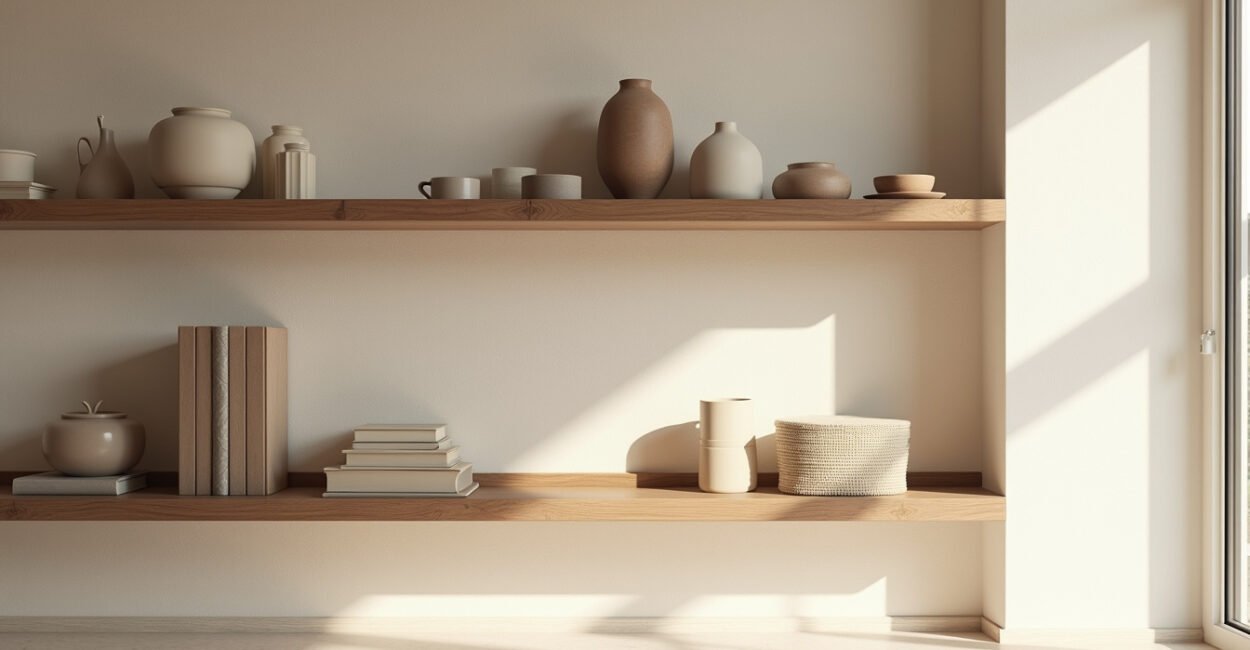
Think like a stylist. A console table with five random objects looks busy. The same table with one lamp, one stack of books, and one bowl looks intentional. Open surfaces give the room breathing room, which is why decluttering often produces a bigger visual change than buying decor.
Move Decor Between Rooms Instead of Shopping
That vase in the bedroom, the throw blanket in the guest room, and the framed print in the hallway can all work harder in the living room. Interior designers do this all the time: they “shop the house” before recommending anything new. The trick is to use fewer pieces, not more, and to repeat colors or shapes so the room feels connected.
For a practical standard on home safety while you’re rearranging, the National Fire Protection Association’s home safety guidance is useful, especially if lamps, cords, or heaters are part of the room setup. If you’re dealing with a space that also doubles as a family room, clear pathways matter more than perfect symmetry.

Textiles That Change the Room Faster Than Furniture Ever Will
Textiles are the cheapest way to change scale, softness, and color temperature at the same time. A new pillow cover can echo a wall color. A throw can warm up a cool sofa. A rug can make a seating area look more grounded. These are small items, but together they control the room’s mood.
Choose One Fabric Story and Repeat It
Pick a lane: linen, boucle, cotton canvas, velvet, or a mix that still feels coherent. If every textile has a different personality, the room starts to look improvised. Repetition is what makes the room feel designed. Two or three textures are enough for most living rooms.
Use the Rug to Define the Zone
A rug that is too small makes the whole room look accidental. A larger rug, or even a repositioned existing rug, can make furniture feel grouped and anchored. The rule of thumb is that at least the front legs of the sofa and chairs should sit on the rug when possible. That single adjustment can make a room look noticeably more finished.
For room size and layout guidance, the Architectural Digest breakdown of common living-room layout mistakes is a helpful reality check. Layout errors often look like a decor problem when they are really a spacing problem.
| Textile Update | Visual Effect | Best Use Case |
|---|---|---|
| Throw pillows | Adds color and pattern | Sofas that feel flat |
| Throw blanket | Adds softness and warmth | Neutral or dark seating |
| Area rug | Defines the seating zone | Open-plan living rooms |
| Curtains | Makes windows feel taller | Rooms with short window lines |
Lighting That Makes Old Furniture Look Intentional
Lighting is the fastest way to change how a room reads after sunset. Harsh overhead light flattens color and makes everything look more functional than welcoming. Layered lighting does the opposite: it creates depth, shadow, and warmth, which are exactly what older furniture needs.
Mix Ambient, Task, and Accent Lighting
Ambient light fills the room, task light helps you read or work, and accent light highlights a focal point or object. That three-part structure is standard in interior design because it gives you control over mood. A single ceiling light is not enough for most living rooms, especially if you want the room to feel calm rather than clinical.
Use Lamps to Create Visual Balance
If one side of the room feels heavy, a floor lamp can balance it. If the coffee table area feels dark, a table lamp adds focus. Light sources also act as decor, which is why lamp shape and shade material matter. A linen shade gives a softer glow than a glossy one, and that small difference changes the whole atmosphere.
Good lighting does not just help you see the room; it changes the room’s perceived quality, depth, and comfort.
For a straightforward explanation of how light affects interiors, the Penn State Extension interior lighting resource is a solid reference. The takeaway is practical: light placement matters as much as the bulb itself.
Color, Wall Art, and Mirrors: The Cheapest Way to Shift Perception
Color and wall treatments work because the eye reads large surfaces first. If the walls, art, and reflected light support each other, the room feels unified. If they fight each other, even nice furniture looks random. This is why small changes on the walls can feel bigger than expensive decor on the floor.
Use a Tight Palette, Not a Perfect Match
Pick a dominant neutral, one accent color, and one supporting tone. You do not need every object to match. In fact, perfect matching can make a room feel stiff. A better result comes from repeated tones with slight variation, like warm beige, muted green, and black accents.
Hang Art at the Right Visual Height
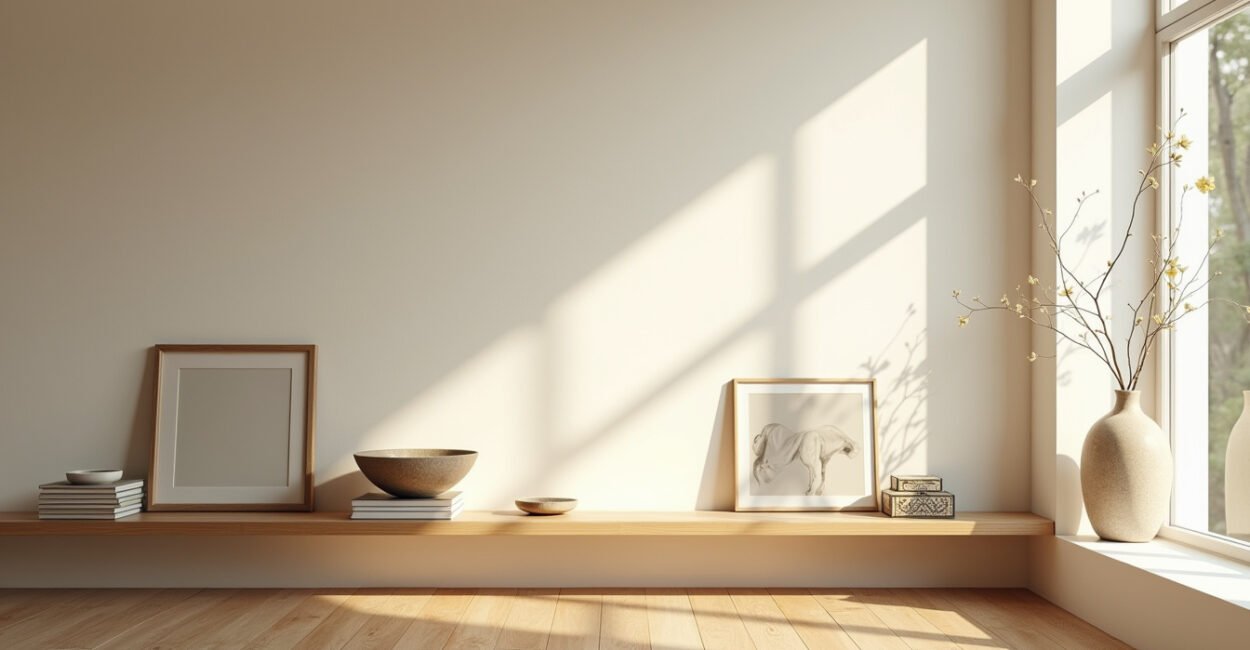
Art that sits too high disconnects from the furniture below it. A lower placement creates a better relationship with the sofa or console. Mirrors work in a similar way, but they also bounce light and make narrow rooms feel wider. That is why a well-placed mirror can change both scale and brightness at once.
A family once moved three framed prints from a hallway into a blank wall above their couch, swapped a busy pillow mix for two solid colors, and rotated a mirror to catch window light. Nothing was purchased. The room stopped feeling temporary in under an hour. The furniture did not change; the composition did.
Small Fixes That Make a Room Feel Cleaner and More Expensive
This is where the makeover becomes believable rather than just decorative. Clean lines, hidden cords, aligned edges, and fewer visual interruptions all make a living room feel more expensive. People notice those details subconsciously, even if they cannot name them.
Tame Cords, TV Clutter, and Media Noise
Loose cables, stacked remotes, and visible device clutter pull attention away from the room’s best features. Bundle cords, reduce what sits under the television, and give the media area one clear visual boundary. If the TV wall is a problem, a darker backdrop or a simple art arrangement around it can soften the effect without replacing anything.
Align Edges and Repeat Shapes
When the coffee table, rug, and sofa lines feel related, the room looks calm. When every edge points somewhere different, the space feels restless. Repetition of round shapes, black frames, or wood tones also helps the room read as planned. That sort of order is quiet, but it is powerful.
Remove One Thing Before Adding One Thing
This is the rule that keeps budget updates from becoming clutter. If you want to add a tray, remove a figurine. If you want a new pillow, take one away first. That one-in, one-out habit preserves space and keeps the room from filling up with low-impact extras.
A Simple Weekend Plan for a Real-World Refresh
If you only have a weekend, do not try to fix everything. Start with the biggest visible wins and stop before the room gets overworked. The goal is a room that looks calmer, lighter, and more deliberate by Sunday night.
Saturday: Reset the Room
- Move the sofa, chairs, and rug into a tighter conversation zone.
- Remove extra decor from shelves, tables, and the TV stand.
- Gather lamps, pillows, throws, and art in one place to sort by color and function.
Sunday: Finish the Details
- Hang or reposition wall art and mirrors.
- Swap textiles so the room has one clear palette.
- Check cord visibility, table surfaces, and lamp placement.
This approach works because it prioritizes structure before decoration. If the room is awkwardly arranged, adding more accents only hides the real issue for a while. Once the layout and lighting are right, the room starts carrying itself better. That is the point where the makeover feels like design, not cleanup.
What to Do Next When You Want the Biggest Change for the Least Money
The smartest next step is to audit the room by sightline, not by shopping list. Stand at the doorway and ask three questions: what do I see first, what feels crowded, and what feels unfinished? Those answers tell you where to spend effort, and they usually point to layout, lighting, or textiles before anything else. A budget living room makeover without buying furniture works best when you stop chasing new pieces and start editing the room you already have.
Pick one zone, one color adjustment, and one lighting fix, then finish those completely before touching anything else. That restraint creates a cleaner result than trying to update every corner at once. If you want the room to feel transformed, make the eye travel more smoothly from one element to the next.
FAQ
What Changes Make the Biggest Difference Without Buying Anything?
Layout and lighting usually create the biggest visual shift. Moving the sofa, centering the rug, and adding better lamp placement can change how large and balanced the room feels. After that, textiles and wall art give the room personality. If you want the fastest result, start with the items that affect scale first, not the small decor pieces.
How Do I Make Old Furniture Look Better on a Tight Budget?
Make the furniture look intentional by improving what surrounds it. A sofa looks better with coordinated pillows, a larger rug, and a lamp that lights the seating area well. Clean lines also matter, so remove nearby clutter and hide cords. Old furniture often looks worse because of its context, not because the piece itself is unattractive.
Should I Match All the Colors in the Room?
No. Matching everything too closely can make the room feel flat and stiff. A better approach is to choose one main neutral, one accent color, and one supporting tone that repeats in a few places. That gives the room cohesion without making it look staged. Variation within a controlled palette usually feels more natural and more expensive.
Can Mirrors Really Make a Small Living Room Feel Bigger?
Yes, but only when you place them with purpose. A mirror works best when it reflects natural light or opens up a visually heavy wall. It will not fix a crowded layout, though, so it should support the room, not try to solve every problem alone. In small rooms, mirrors help most after the furniture arrangement is already under control.
What Should I Avoid If I Want the Room to Look Cleaner?
Avoid adding too many small objects, using a rug that is too small, and mixing unrelated textures without a plan. Those are the mistakes that make a room feel cluttered even when the furniture is fine. Also avoid letting cords, remotes, and media accessories spread across every surface. A cleaner room is usually the result of subtraction, not decoration.