Skip to content
The best homemade natural cleaning products recipes are the ones that clean fast, stay safe, and use fewer ingredients than your kitchen drawer.
If your “natural” cleaner leaves streaks, smells harsh, or just smears yesterday’s mess around, the problem is usually the ratio—not the idea.
Here’s the useful part: you only need a small starter set to handle glass, counters, tile, sinks, laundry touch-ups, and greasy spots without turning your home into a chemistry experiment.
Why Most Homemade Natural Cleaning Product Recipes Fail
The technical definition is simple: a cleaner works by loosening soil, suspending it in liquid, and letting a cloth lift it away. In plain English, it has to break the bond between dirt and the surface. That’s why so many homemade natural cleaning products recipes fail—they focus on scent, not performance.
The most common mistake is using too much vinegar, too much soap, or too little dwell time. A strong smell feels “clean,” but smell is not cleaning power. What matters is whether the formula can cut residue without damaging the surface.
In practice, the winners are the recipes that do one job well. Glass needs low residue. Grease needs a surfactant. Mineral buildup needs mild acidity. Once you match the ingredient to the mess, everything gets easier.
The 4 Ingredients That Do Most of the Work
You do not need a shelf full of supplies. For most homemade natural cleaning products recipes, four ingredients carry the load:
- Distilled water — keeps formulas stable and reduces spotting.
- White vinegar — helps with mineral deposits and light grime on hard, non-porous surfaces.
- Liquid castile soap — the workhorse surfactant for grease and general soil.
- Baking soda — a mild abrasive and odor helper for sinks, tubs, and paste-style scrubs.
That said, not every ingredient belongs everywhere. Vinegar is great on glass and some tile, but it can dull natural stone. Baking soda is useful, but it can scratch delicate finishes if you scrub like you’re polishing a skillet. For stone, sealed wood, and specialty finishes, check the manufacturer’s guidance first.

9 Recipes That Actually Work, Room by Room
Here’s the practical starter set. These homemade natural cleaning products recipes are designed for real life, not Pinterest.
- All-purpose spray: 2 cups water + 1/2 cup white vinegar + 1 teaspoon castile soap. Good for counters, sinks, and sealed surfaces.
- Glass cleaner: 2 cups water + 1/4 cup vinegar + 1 tablespoon rubbing alcohol. Best for mirrors and windows.
- Grease-cutting spray: 2 cups warm water + 1 tablespoon castile soap + 1 teaspoon baking soda. Use on stovetops and cabinet fronts.
- Bathroom scrub: 1/2 cup baking soda + enough castile soap to make a paste. Great for tubs, shower floors, and grout lines.
- Toilet bowl cleaner: 1 cup baking soda + 1 cup vinegar poured in separately, then scrub. Let it fizz, then brush.
- Floor cleaner: 1 gallon warm water + 1/2 cup vinegar + a few drops of castile soap. Use lightly on tile or vinyl.
- Stainless steel wipe: 2 cups water + 1 teaspoon castile soap, then dry with a microfiber cloth.
- Laundry pre-treat: 1 tablespoon baking soda + enough water to make a paste for collars and cuffs.
- Deodorizing sink scrub: baking soda sprinkled dry, then wiped with a damp sponge and rinsed.
The ingredient that changes the result most is castile soap. It gives the recipe the slip and lift that water alone can’t provide. Without it, many “natural” sprays just move grease around.
What Works on Glass, Stone, Wood, and Tile
This is where homemade natural cleaning products recipes stop being generic and start being useful. Surface matters.
Glass: vinegar-based spray works well because it dries clean and helps with fingerprints. Sealed tile: a light soap solution is usually enough. Natural stone: skip vinegar and use a pH-neutral cleaner or just warm water with a drop of soap. Finished wood: keep liquid minimal, wipe, then dry immediately.
Here’s the comparison that surprises people: the strongest-smelling cleaner is often not the best cleaner at all. A mild, well-ratioed mix can outperform a harsher one because it leaves less film behind.
The Two Mistakes That Waste Time and Damage Surfaces
The first mistake is mixing ingredients that cancel each other out. Vinegar and baking soda fizz, which looks satisfying, but the reaction mostly produces water, salt, and carbon dioxide. Good for a science-fair moment. Not always great for actual cleaning.
The second mistake is treating every surface like a countertop. That is where trouble starts. A formula that works on a sink can dull stone, haze glass, or leave a sticky film on floors.
Natural does not mean universal. The right recipe, used on the wrong surface, is still the wrong recipe.
For safer cleaning guidance, the EPA’s Safer Choice program is a good place to compare ingredient safety, and the CDC’s cleaning and disinfecting guidance explains when cleaning is enough and when disinfection matters.
How to Batch, Store, and Use Them Without Guessing
One reason homemade natural cleaning products recipes feel inconsistent is storage. Water-based mixes can separate, and soap-based blends can thicken or leave residue if they sit too long. Make small batches first. A 16-ounce spray bottle is enough for testing.
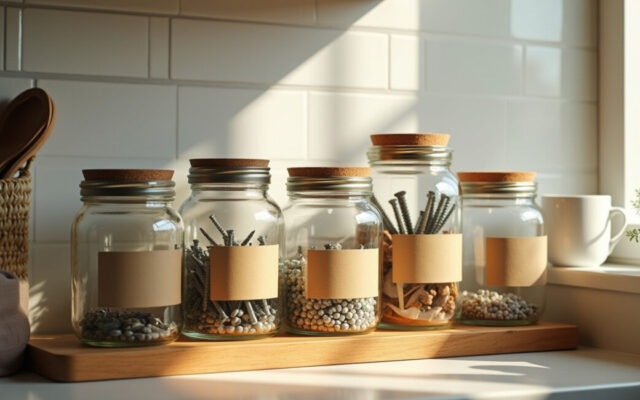
Label every bottle with the recipe and the surface it belongs to. Shake before use if the mix contains soap. Spray, wait 30 to 60 seconds, then wipe. That short pause matters more than people think, because it gives the cleaner time to loosen the grime instead of chasing it with a dry cloth.
Mini-story: a friend of mine kept making a “great” kitchen spray that failed every week. Same ingredients, same bottle, same disappointment. The issue turned out to be simple—she was spraying and wiping instantly. Once she let it sit for half a minute, the sticky film disappeared. Same recipe. Better method.
Your Starter Set for a Cleaner Kitchen and Bathroom
If you want the shortest possible shopping list, start here: distilled water, white vinegar, castile soap, baking soda, a microfiber cloth, and two spray bottles. That is enough to cover most of the useful homemade natural cleaning products recipes without cluttering your cabinets.
Keep one rule in your head: match the formula to the surface, not to the label “natural.” That mindset saves time, protects finishes, and keeps the results honest. Clean is clean only when the rag comes away, the surface dries well, and you do not need to do it twice.
FAQ
Are Homemade Natural Cleaning Products Recipes as Effective as Store-bought Cleaners?
For everyday dirt, grease, fingerprints, and light buildup, they can work very well. The catch is that they are not automatically stronger just because they are homemade. Store-bought products can be better for heavy disinfecting, stubborn soap scum, or specialized surfaces, so the best choice depends on the job.
Can I Mix Vinegar and Baking Soda in the Same Bottle?
You can, but it is usually not the smartest move. They react with each other, which creates fizz but reduces the cleaning value of both ingredients. It is better to use them separately: baking soda for scrubbing, vinegar for mineral deposits and glass.
Which Homemade Cleaner is Safest for Granite or Marble?
Use a pH-neutral cleaner or warm water with a tiny amount of mild soap, then dry the surface. Vinegar and other acidic ingredients can dull or etch natural stone over time. When in doubt, treat stone like a finish you want to protect, not just a surface you want to scrub.
How Long Do Homemade Cleaners Last?
Water-based sprays are best made in small batches and used within a few weeks, especially if they contain soap. If the scent changes, the mix separates oddly, or the bottle looks cloudy in a new way, make a fresh batch. Small batches are usually safer and more reliable than storing a year’s supply.
Do I Need Essential Oils in These Recipes?
No. Essential oils can make a cleaner smell pleasant, but they do not automatically improve cleaning performance. If you use them, keep the amount tiny and remember that scent is not the same thing as sanitation. A cleaner that works well without fragrance is often the more practical choice.