Skip to content

How to Choose a Neutral Living Room Color Palette That Works
A room can look expensive or flat with the same four colors on the walls. The difference usually comes down to undertone, light, and how much contrast you build into the space. A neutral living room color palette is not just “white and beige”; it is a coordinated set of hues with shared temperature and value that creates balance without visual noise.
That matters because neutrals are unforgiving when they are off. A warm greige next to a cool gray sofa can make the whole room feel tired, while the right blend of cream, taupe, mushroom, and charcoal can make even a small living room feel calm and layered. In the sections below, you’ll get a practical way to choose neutrals that look good in real homes, not just on paint chips.
What You Need to Know
- The best neutral rooms are built on undertone matching, not on picking “safe” colors at random.
- Warm neutrals soften north-facing rooms, while cooler neutrals can keep bright, sun-filled rooms from feeling washed out.
- Depth comes from value contrast: cream, sand, taupe, stone, and charcoal work better together than a room full of near-identical beiges.
- Lighting changes neutrals fast, so swatches should be tested on at least two walls and viewed morning, afternoon, and evening.
- A successful palette usually includes one anchor, one bridge color, and one accent neutral for trim, textiles, or furniture.
How a Neutral Living Room Color Palette Works in Real Homes
In technical terms, a neutral palette is a group of low-saturation colors designed to sit quietly in the background while supporting the room’s form, light, and furnishings. In everyday language, it is the color system that keeps a living room from fighting itself. The goal is cohesion first, then warmth, texture, and contrast.
Who works with interiors knows this: “neutral” does not mean colorless. It means controlled. A living room with off-white walls, a mushroom sofa, natural oak, and black metal accents can feel far more finished than a brighter room with four unrelated colors. The palette succeeds when the undertones agree.
What separates a polished neutral room from a bland one is not the absence of color — it is the discipline of undertone, contrast, and texture.
Undertone is the Real Decision-Maker
Every neutral leans warm, cool, or balanced. Warm neutrals usually carry yellow, red, or brown undertones; cool neutrals lean blue, green, or violet; balanced neutrals sit in the middle. If you mix them without intention, the room starts to feel “off” even when each individual color looks fine on its own. This is why a beige with a pink cast can clash with a gray-green rug, while a taupe with a soft brown base will connect both pieces.
Why This Matters More Than the Paint Name
Paint names are marketing language, not color science. “Oatmeal,” “linen,” and “cloud” can vary a lot by brand and formula. The sample itself matters more than the label, which is why testing large swatches is the only reliable step. If you want a clear reference on how lighting affects perception, the National Institute of Standards and Technology’s color science resources explain why the same color can look different under different light sources.
Start with the Room’s Light, Not the Paint Rack
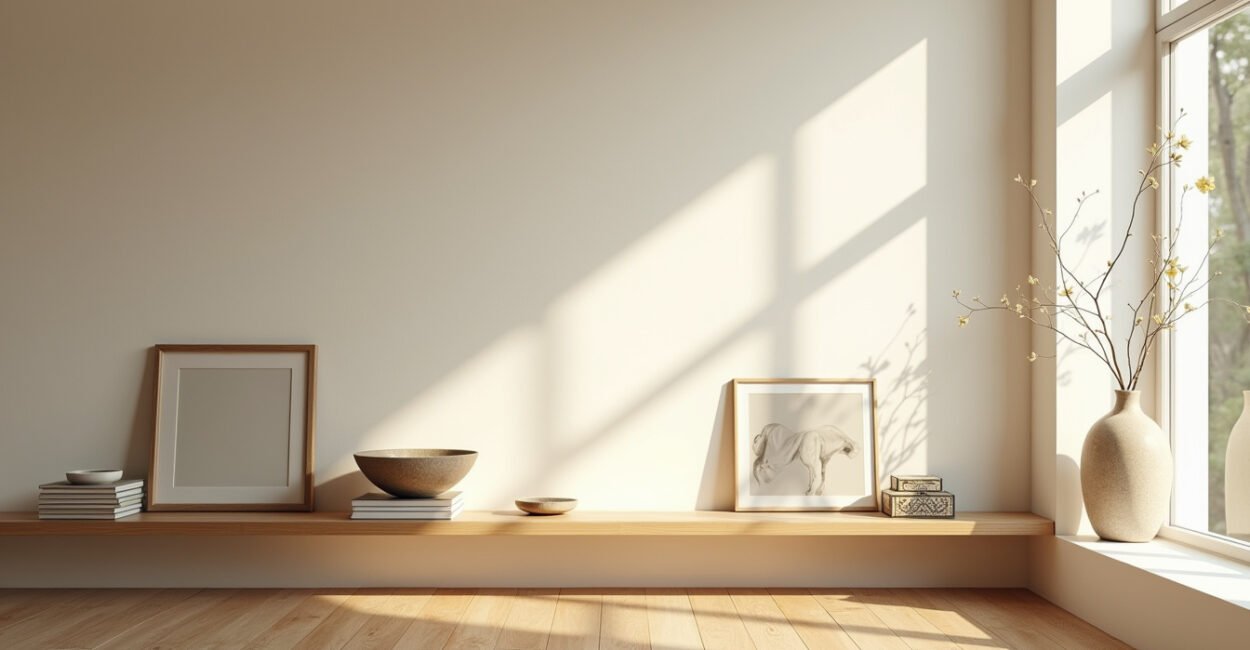
Light determines which neutral will look rich and which one will look chalky. North-facing living rooms usually read cooler, so cream, oatmeal, camel, and greige often feel more forgiving. South-facing rooms can handle cooler stone, pale gray, and clean white without going sterile.
Artificial light matters too. Warm LED bulbs can push beige into yellow territory, while cooler bulbs can make soft taupe look flat. If you want a color plan that holds up at night, check samples under the actual bulbs you use in the room. A good neutral scheme should still look intentional when the lamps are on and daylight is gone.
A Quick Lighting Test That Saves Mistakes
- Paint or tape at least two large samples on different walls.
- Check them in morning light, late afternoon, and evening with lamps on.
- Place the swatches beside the sofa, rug, and trim, not in isolation.
- Reject any neutral that turns green, muddy, pink, or blue in one part of the day.
University guidance on lighting and color perception backs this up. The University of Minnesota Extension explains how light color and intensity can change how surfaces appear, which is exactly why paint chips mislead so many homeowners.

Build the Palette Around Three Roles: Anchor, Bridge, Accent
The easiest way to make neutrals feel intentional is to assign each color a job. The anchor is the dominant shade, usually the walls, large sectional, or area rug. The bridge ties warm and cool pieces together. The accent adds depth so the room does not flatten out.
| Role | Typical Neutral | Best Use |
|---|---|---|
| Anchor | Warm white, greige, soft stone | Walls, large rug, sectional |
| Bridge | Taupe, mushroom, putty | Accent chairs, curtains, side pieces |
| Accent | Charcoal, espresso, blackened bronze | Frames, lamps, coffee tables, trim details |
This structure keeps the palette from drifting into sameness. A room with five light beiges and no dark note tends to feel unfinished. Add one deeper neutral, and suddenly the eye has a place to land.
The difference between a soft neutral room and a washed-out one appears when at least one color is dark enough to define edges.
One Real-World Example
I once saw a living room that looked fine on the mood board and disappointing in person. The walls were a cool off-white, the sofa was a pale sand, and the rug was another near-white with almost no contrast. The owner thought the problem was “not enough decor,” but the real issue was that every major surface sat in the same value range. Once a mushroom throw, a walnut table, and black picture frames came in, the room finally held together.
Choose Warm or Cool Neutrals with a Clear Bias
Most living rooms work better when you commit to a warm or cool direction instead of splitting the difference across everything. Warm neutrals feel livable and forgiving. Cool neutrals feel crisp and architectural. The mistake is thinking you need both in equal measure; that usually creates hesitation rather than balance.
Warm Neutrals That Rarely Fail
- Ivory and off-white for softer trim and walls
- Beige and sand for relaxed, classic spaces
- Greige with a brown lean for modern transitional rooms
- Taupe for depth without heaviness
Cool Neutrals That Hold Up Well
- Stone and pale gray for bright rooms
- Mushroom with a slight green cast for grounded, modern interiors
- Charcoal for framing artwork and furniture
- Soft black for trim, hardware, and contrast details
There is a limit here, and it matters: cool neutrals can look elegant in a sunlit room but severe in a dark one, while warm neutrals can turn yellow under poor lighting. That is why the “best” palette depends on the room’s exposure and the finish of the materials already in place.
Add Depth Without Breaking the Neutral Mood
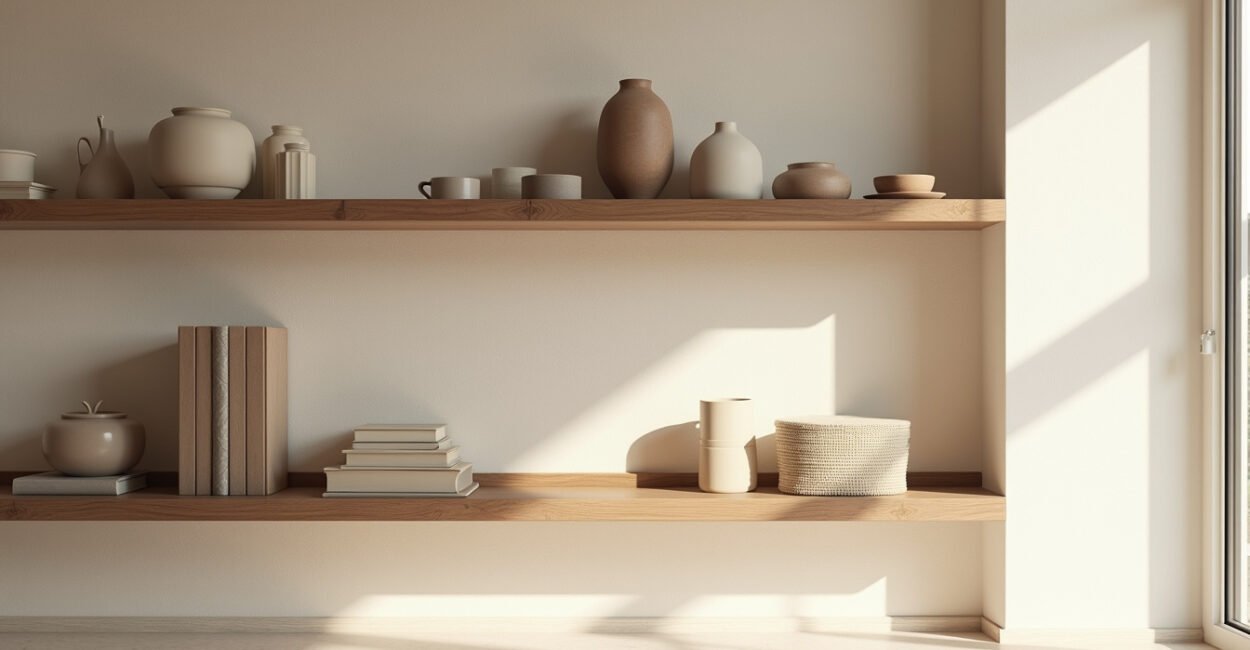
Depth comes from texture and value, not from piling on more color. Linen, boucle, wool, leather, oak, stone, matte ceramic, and brushed metal all change how neutrals read. A room with layered materials can feel richer than a room with extra color but flat surfaces.
Think in surfaces, not just swatches. A matte mushroom wall beside a nubby ivory rug and a smoked oak table creates visual variation without losing the calm mood. Even a single dark object, like a walnut sideboard or black lamp base, can keep the palette from floating away.
Easy Ways to Keep Neutrals from Feeling Cold
- Mix at least two textures in the same color family.
- Use a natural material such as oak, rattan, wool, or linen.
- Repeat one deep tone in small doses across the room.
- Choose one slightly imperfect finish, like matte or woven, to soften the scheme.
Match the Palette to the Furniture You Already Own
Most people do not start from zero, and that changes the strategy. If the sofa is gray, the rug is cream, and the wood tone is orange-brown, the palette has to bridge those elements instead of replacing them. The right neutral scheme should make existing pieces look deliberate, not like leftovers.
Start with the biggest fixed item. If the sofa is warm gray, lean into greige, taupe, mushroom, and ivory. If the sofa is cool gray, use stone, soft white, charcoal, and black accents. The same logic applies to flooring: honey oak pairs better with warmer neutrals, while espresso floors can support cleaner whites and cooler stone tones.
Useful Pairings by Common Furniture Finish
- Light oak: cream, oat, mushroom, muted black
- Walnut: ivory, taupe, warm gray, bronze
- Cool gray sofa: stone, white, charcoal, soft black
- Warm beige sofa: greige, sand, camel, espresso
Test the Palette Before You Commit
Sampling is not the glamorous part, but it is the part that prevents expensive regret. Paint a large sample, place fabric swatches beside it, and check the room when it is clean and when it is lived in. A neutral that looks beautiful in an empty room can disappear once books, baskets, art, and everyday clutter return.
Do not trust one condition. Test with daylight, shaded light, and artificial light. Then step back and ask a simple question: does the room feel calm, coherent, and finished? If the answer changes depending on the hour, the palette needs more work.
A neutral palette is successful when it still looks cohesive after the room gains real-life objects, not just when it photographs well.
How to Fine-Tune the Palette Without Overdoing It
If the room feels flat, change value before adding more color. Darken one textile, warm up one wood tone, or introduce a stronger accent neutral. If the room feels heavy, lighten the rug, soften the contrast, or remove one dark object from the visual field.
The best neutral living room color palette is rarely the one with the most “perfect” colors. It is the one that respects the room’s light, supports the furniture, and leaves enough contrast for the eye to move comfortably. That’s the standard worth using when you compare samples.
Next Steps
Pick one anchor neutral, one bridge neutral, and one accent neutral, then test them together in your actual lighting. Compare the samples beside the sofa, rug, and trim before you buy anything larger. If the palette stays cohesive in daylight and at night, you have a workable system—not just a pretty swatch combination.
Frequently Asked Questions
What is the Safest Neutral Color for a Living Room?
Soft warm white is usually the safest starting point because it works with many furniture styles and reflects light well. That said, “safe” only works if the undertone matches the flooring, sofa, and trim. A warm white can look clean in one room and yellow in another, so sampling still matters. If your living room gets very little natural light, a cream or light greige often behaves better than a pure white.
How Many Neutral Colors Should Be in a Living Room Palette?
Three is usually the sweet spot: one anchor, one bridge, and one accent. More than that can work, but only if the undertones stay consistent and the value range is controlled. If every neutral sits at the same brightness, the room will feel flat. If the colors are too varied, the space starts to look accidental instead of designed.
Should a Neutral Living Room Be Warm or Cool?
It depends on the room’s light and the materials you already have. Warm neutrals usually feel more forgiving in everyday living spaces, especially with wood floors and softer furnishings. Cool neutrals can look beautiful in bright rooms with cleaner lines, but they need enough texture to avoid feeling stark. The right choice is the one that works with the room, not the trend.
Why Do My Neutral Paint Samples Look Different on the Wall?
Wall samples change because surrounding surfaces, light direction, and bulb temperature all affect perception. A small chip on a store display is not the same as a large sample beside your sofa. Colors also shift throughout the day, so the same neutral may look warmer at sunset and cooler under LED lighting. That is normal, which is why testing in place is non-negotiable.
What Can I Add to Keep Neutrals from Looking Boring?
Focus on texture, contrast, and a few stronger accents rather than adding brighter colors too quickly. Natural oak, linen, wool, matte ceramics, and black details can make a neutral room feel layered and complete. A single deeper tone, like charcoal or espresso, often does more for the room than another pale beige. The goal is interest with restraint, not a louder palette.