Skip to content
Cheap swaps are easy. Sustainable ones that actually save money take a little more strategy.
Most affordable ethical bathroom essentials fail for one of three reasons: the packaging is wasteful, the refill price creeps up, or the materials only look “eco” on the shelf. That’s why the best swaps aren’t the prettiest ones. They’re the ones that keep working after month three.
If you want a bathroom that feels lighter on the planet and on your bank account, the trick is to shop for the system, not the single item.
Why the Cheapest Swap is Often the Most Expensive One
The first mistake is buying by sticker price alone. A $3 plastic toothbrush looks like a win until you replace it every few months and toss the handle into landfill. A bamboo brush, on the other hand, can be part of affordable ethical bathroom essentials if the head lasts, the bristles don’t shed, and the packaging is minimal.
Low waste is not the same as low value. In practice, the best bathroom swaps cut repeat purchases, not just trash. That means one sturdy soap bar beats three “natural” body washes in plastic. It means one refillable dispenser beats a new pump bottle every time you run out.
Here’s the part people miss: sustainability in the bathroom is mostly a packaging decision. Once you stop paying for bottles, liners, and marketing-heavy bundles, the math gets kinder fast. That’s why affordable ethical bathroom essentials usually look boring on the shelf and smart in your budget.
The Refill Strategy That Makes Sustainable Choices Pay Off
Refills only work when the math is honest. A refill pouch that costs more per ounce than a regular bottle is not a win, no matter how green the label looks. But when the concentrate is strong, the formula is stable, and the refill container is light, you save on shipping, plastic, and often on price over time.
Think of it like this: buying a reusable bottle is a one-time decision; buying cheap refills forever is the recurring bill. The smartest affordable ethical bathroom essentials use concentrate, tablets, or refill stations so you pay for product, not packaging.
One small but powerful habit: compare cost per ounce or cost per use, not the front label. A refillable hand soap or shampoo bar can look pricier at checkout and still win after a month. That’s the kind of swap that feels unglamorous on day one and surprisingly satisfying by day thirty.
- Choose concentrates when the brand gives clear dilution instructions.
- Prefer refill pouches over rigid plastic when both options are available.
- Avoid “eco” bundles that force you into oversized starter kits you do not need.

Materials That Earn Their Keep, Not Just Their Marketing
Material choice matters more than most people think. Bamboo is popular, but it is not automatically superior. Stainless steel, glass, certified wood, and certain recycled plastics can be better picks depending on the item and how long it lasts. The real question is durability plus end-of-life, not trendiness.
Who works with this stuff knows the hidden tradeoff: a fragile “natural” product that breaks fast can create more waste than a recyclable plastic item used for years. That’s why affordable ethical bathroom essentials should be judged by lifespan first, material second, and packaging third.
Lasting longer is a sustainability feature. A soap dish that doesn’t mold. A safety razor that stays sharp. A towel made from durable fibers that survives repeated washing. These are not luxury upgrades; they are the quiet swaps that keep your bathroom from becoming a monthly replacement aisle.
“The greenest bathroom item is the one you don’t have to replace every few weeks.”
What to Avoid If You Want Value Without the Waste
There are a few traps that look ethical but behave like budget leaks. The most common is the overbuilt starter kit: pretty box, tiny product, and a refill plan that never quite matches your actual routine. Another is compostable packaging that works only in industrial facilities most households never access.
That’s where trust matters. According to the U.S. EPA on composting, not everything labeled compostable belongs in a backyard setup. And the FTC Green Guides remind brands that environmental claims need to be specific, not vague.
Viability beats virtue signaling every time. I’ve seen people spend more on “ethical” bathroom products in one month than they used to spend in three, because they kept buying replacements that felt responsible but weren’t built to last.
- Skip oversized kits with accessories you won’t use.
- Be cautious with vague claims like “earth-friendly” or “clean and green.”
- Check whether the packaging is actually recyclable in your area.
A Practical Bathroom Setup That Stays Affordable Month After Month
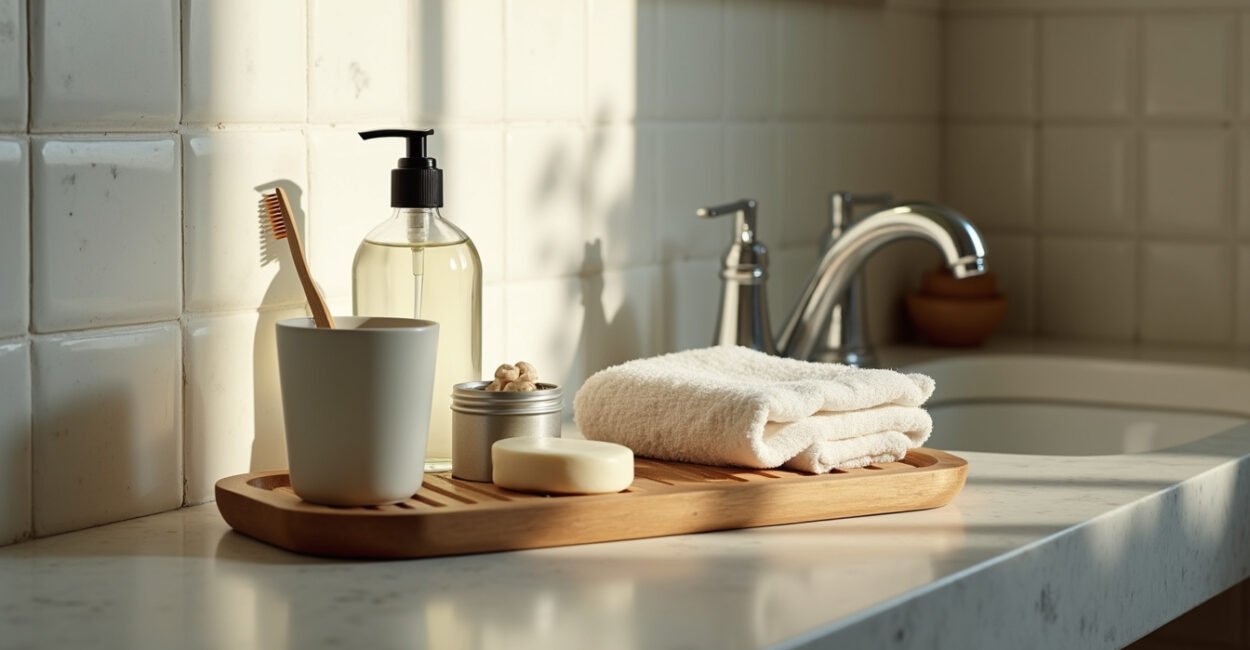
The easiest version of affordable ethical bathroom essentials is a simple system you can repeat: one refillable hand soap, one solid shampoo or body bar if it suits your hair and skin, one durable toothbrush or handle system, and one long-life towel set. That’s enough to cut waste without turning your bathroom into a science project.
For context, the Ellen MacArthur Foundation’s work on plastics has long shown that reuse matters more than one-off “green” purchases. The logic holds in bathrooms too. Reuse lowers material demand, and repeated use lowers cost per month.
If you want the cleanest upgrade path, start with the item you replace most often. For many households, that’s soap, shampoo, or toothpaste. Fix that first, and the rest gets easier. Fix it well, and you stop shopping so often.
The goal is not a perfect bathroom. It’s a bathroom that wastes less, costs less, and stays easy to maintain.
FAQ
Are Affordable Ethical Bathroom Essentials Actually Cheaper over Time?
Usually, yes — if you choose for durability and refill cost instead of front-end price. A soap bar, refillable dispenser, or long-lasting razor can look slightly pricier at first and still beat disposable options within a few months. The key is to track cost per use, not just the checkout total. That’s where the real savings hide.
What Bathroom Swap Gives the Biggest Sustainability Win for the Money?
For most people, refillable hand soap or shampoo is the easiest high-impact move. You cut repeated bottle waste and often reduce shipping weight if you buy concentrates or refills. After that, reusable cotton rounds, a sturdy toothbrush handle system, and long-life towels are strong next steps. Start where you buy most often.
Are Bamboo Bathroom Products Always Better Than Plastic?
No. Bamboo can be a solid choice, but only if the product lasts long enough and the rest of the design makes sense. A cheap bamboo item that splinters or molds quickly can be worse than a durable reusable plastic or metal alternative. The best choice is the one with the longest useful life and the least confusing disposal path.
How Do I Know If a Refill Product is Worth It?
Compare price per ounce, number of uses, and container type. If the refill costs more than the original bottle and saves little packaging, it may be a weak trade. Good refills are usually concentrated, lightweight, and designed for repeat use. If the brand hides the math, that’s a signal to be cautious.
What Should I Buy First If I’m on a Tight Budget?
Start with the item you replace most often, usually soap or shampoo. Those purchases add up quickly, so small improvements there create faster payback. Then move to a durable toothbrush, reusable cloth rounds, or a better towel that lasts through more wash cycles. One smart swap beats five half-baked ones.